


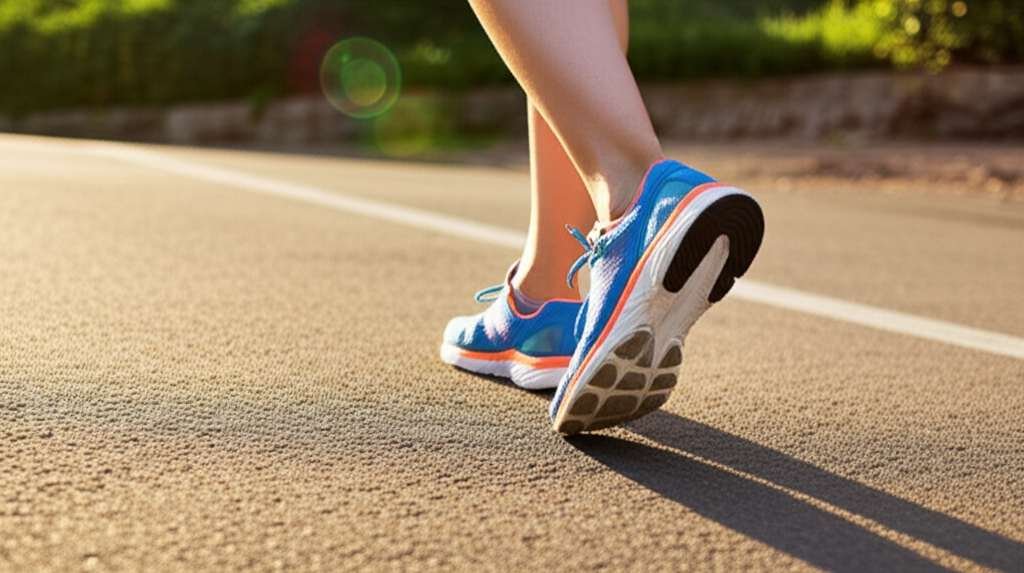
Yes, you absolutely can lose weight by walking on an incline! It’s a fantastic, low-impact way to boost calorie burn, improve cardiovascular health, and build leg strength. This guide will show you exactly how to use inclines effectively for weight loss, making it simple and achievable for beginners.
Feeling a bit lost on your weight loss journey? You’re not alone! Many people find it confusing to figure out the best ways to shed those extra pounds.
It often feels like there are too many complicated rules and workouts. But what if I told you that a simple walk, with a little bit of a challenge, could make a big difference?
Walking on an incline is a game-changer for weight loss, and I’m here to break it down for you. We’ll explore how it works, how to do it safely, and how to get the most out of every step.
Ready to discover a simpler path to a healthier you? Let’s dive in!
Can I Lose Weight By Walking Incline? The Science Simplified
So, the big question: Can walking on an incline really help you lose weight? The short answer is a resounding yes! It’s a fantastic way to ramp up your calorie burn without needing to run or do high-impact exercises. Think of it like this: when you walk on a flat surface, your body uses a certain amount of energy. When you add an incline, you’re asking your body to work harder to move uphill against gravity. This extra effort means you burn more calories during your walk.
This concept is rooted in basic physics and physiology. The more work your muscles do, the more energy (calories) they expend. Walking uphill requires more muscular engagement, particularly in your hamstrings, glutes, and calves, and it also elevates your heart rate more significantly than walking on a flat surface at the same pace. According to the American Heart Association, increasing your physical activity is key to managing weight and improving heart health.
The incline essentially turns a moderate walk into a more challenging workout. This increased intensity leads to a higher Total Daily Energy Expenditure (TDEE), which is the total number of calories your body burns in a day. When your TDEE is higher than your calorie intake, your body will tap into fat stores for energy, leading to weight loss. It’s a straightforward principle: burn more calories than you consume.
How Incline Walking Boosts Calorie Burn
- Increased Muscle Engagement: Walking uphill forces your leg muscles to work harder. Your hamstrings, glutes (butt muscles), and calves get a more intense workout compared to flat walking.
- Higher Heart Rate: Even at a slower pace, an incline will raise your heart rate more than a flat walk. A higher heart rate means your body is working harder and burning more calories per minute.
- Greater Oxygen Consumption: Your body needs more oxygen to fuel the harder work of climbing. This increased oxygen consumption is directly linked to a higher calorie burn.
- Post-Exercise Oxygen Consumption (EPOC): A more intense workout, like incline walking, can lead to a phenomenon called EPOC, or the “afterburn effect.” Your body continues to burn extra calories for a period after your workout to recover.
Calories Burned: Incline vs. Flat Walking
Let’s look at a general comparison. While exact numbers vary based on weight, speed, and the steepness of the incline, studies show a significant difference. For example, a person weighing around 155 pounds might burn approximately 200 calories walking at a moderate pace for 30 minutes on a flat surface. However, walking the same duration at the same pace on a 5% incline could burn closer to 300-350 calories. That’s an extra 100-150 calories burned per session – a substantial boost!
Here’s a simplified table to illustrate the potential difference. Remember, these are estimates:
| Activity | Estimated Calories Burned (30 mins) |
|---|---|
| Walking (Flat, 3 mph) | ~150-200 calories |
| Walking (5% Incline, 3 mph) | ~250-350 calories |
| Walking (10% Incline, 3 mph) | ~350-450+ calories |
This clearly shows that adding an incline is an efficient way to increase your calorie expenditure during your walks, directly contributing to weight loss efforts.
Getting Started with Incline Walking: A Beginner’s Step-by-Step Guide
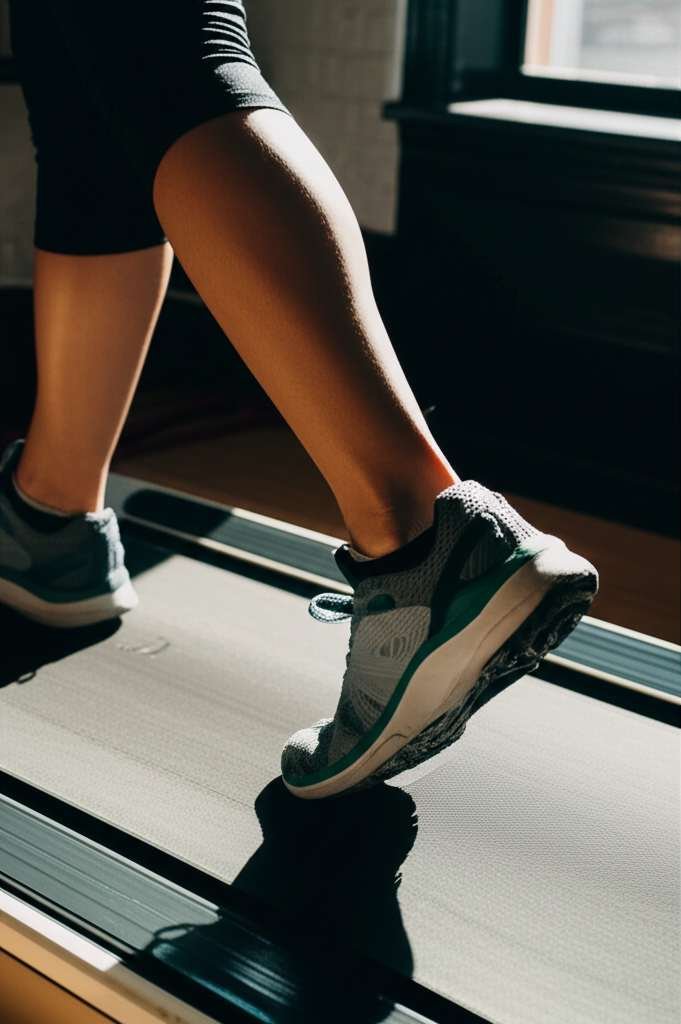
Starting with incline walking is straightforward and can be done almost anywhere – on a treadmill, a hill outdoors, or even by using household items to create a slight elevation safely. The key is to start slowly and gradually increase the intensity. This approach helps prevent injury and allows your body to adapt.
As Jordan, your weight loss coach, I want to emphasize that consistency is more important than intensity when you’re just starting. Let’s build a solid foundation for your incline walking routine.
Step 1: Assess Your Current Fitness Level
Before you jump onto a steep hill, take a moment to consider how active you are right now. Are you currently walking regularly? Do you have any joint issues or health concerns? If you’re completely new to exercise, start with short, flat walks to build a base level of fitness. If you’re already somewhat active, you can start with a gentle incline.
It’s always a good idea to check in with your doctor before starting any new exercise program, especially if you have pre-existing health conditions. They can offer personalized advice based on your health needs.
Step 2: Choose Your Incline Environment
You have a few great options for incline walking:
- Treadmill: This is the easiest and most controlled option. You can precisely set the incline percentage and speed. Most treadmills allow you to adjust the incline from 0% up to 10-15% or even higher.
- Outdoor Hills: Find a safe, moderate hill in your neighborhood or local park. Be mindful of traffic and uneven surfaces.
- DIY Incline (Use with Caution): For a very gentle, short-term incline at home, you could place a sturdy, low plank of wood under the front edge of your treadmill (ensure it’s stable and won’t cause the treadmill to tip) or use a very low, stable step. However, treadmills and outdoor hills are generally safer and more effective.
Step 3: Start Slow and Steady
Don’t try to conquer Mount Everest on your first day! For treadmill walking, begin with a 2-5% incline at a comfortable walking pace (around 2-3 mph). If you’re outdoors, find a gentle slope and maintain a pace where you can still talk comfortably.
Your first few sessions should focus on getting used to the feeling of walking uphill. Pay attention to how your body feels. Are your leg muscles working more? Is your breathing a little deeper? That’s exactly what we’re aiming for.
Step 4: Gradually Increase Duration and Incline
Once you’re comfortable with your initial incline walks, start increasing the duration. Aim to add 5 minutes to your walks each week, or increase the incline by 1-2% each week. For example:
- Week 1: 20 minutes at 3% incline, 3 times a week.
- Week 2: 25 minutes at 4% incline, 3 times a week.
- Week 3: 30 minutes at 5% incline, 3 times a week.
You can also vary the intensity within a single workout. Try doing intervals: walk at a higher incline for 1-2 minutes, then return to a lower incline for 2-3 minutes. This is called interval training and can be very effective for calorie burning.
Step 5: Focus on Form and Safety
Good posture is important when walking on an incline. Stand tall, keep your shoulders relaxed, and swing your arms naturally. Avoid leaning too far forward; your body should be upright. If you’re on a treadmill, you can use the handrails for balance but try not to grip them tightly, as this can reduce the effectiveness of your workout.
Listen to your body. If you feel any sharp pain, stop immediately. It’s better to take a rest day than to push through an injury. Proper footwear is also crucial – wear supportive athletic shoes.
Optimizing Your Incline Walks for Maximum Weight Loss
To truly harness the power of incline walking for weight loss, it’s not just about the incline itself, but how you integrate it into your lifestyle. We want to make every step count!
1. Consistency is Key
Aim to incorporate incline walking into your routine at least 3-5 times per week. Sporadic workouts won’t yield the same results as a consistent habit. Schedule your walks like any other important appointment. The regularity helps your body adapt and build endurance, leading to more efficient calorie burning over time.
Think of it like building a habit. The more consistently you do it, the easier it becomes, and the more your body will respond positively. The National Institutes of Health emphasizes that consistent physical activity is a cornerstone of successful weight management.
2. Vary Your Intensity and Duration
Don’t do the exact same incline walk every single time. Your body is smart and can adapt to a routine, meaning your calorie burn might plateau. Mixing things up keeps your body challenged:
- Intervals: Alternate between higher inclines (e.g., 7-10%) for 1-2 minutes and lower inclines (e.g., 3-5%) for 2-3 minutes.
- Hill Repeats: Find a challenging hill and walk up it at a brisk pace, then walk back down slowly to recover. Repeat several times.
- Longer, Steady Incline Walks: For endurance and sustained calorie burn, try longer walks (45-60 minutes) at a moderate incline (e.g., 5-7%).
3. Increase Speed (Carefully)
While incline is the primary focus, increasing your walking speed can also boost calorie expenditure. Once you’re comfortable with a certain incline, try picking up the pace slightly for short bursts or for the entire duration of your walk. Ensure you maintain good form and don’t strain yourself.
4. Combine with Diet and Strength Training
Weight loss is a three-pronged approach: diet, cardio (like incline walking), and strength training. While incline walking is excellent for burning calories, it’s most effective when paired with a balanced, calorie-controlled diet. You can’t out-walk a bad diet!
Adding strength training a couple of times a week is also highly recommended. Muscle tissue burns more calories at rest than fat tissue does, so building more muscle can help boost your metabolism long-term. This means you’ll burn more calories even when you’re not exercising. The Mayo Clinic highlights the importance of a combined approach for sustainable weight loss.
5. Stay Hydrated
Drinking enough water is crucial for overall health and can support weight loss. It helps you feel fuller, aids in metabolism, and keeps your body functioning optimally during exercise. Carry a water bottle with you, especially for longer walks.
Understanding Incline Percentages on a Treadmill
Treadmill inclines are usually expressed as a percentage. This percentage indicates the degree of steepness. For example:
- 0% Incline: This is a flat surface.
- 1% Incline: This is a very slight incline, often used to simulate outdoor walking conditions where there’s always a slight upward gradient.
- 5% Incline: This is a moderate incline, noticeable and challenging enough to significantly increase calorie burn.
- 10% Incline: This is a steep incline, comparable to a challenging hill. It will greatly increase your heart rate and calorie expenditure.
Most treadmills go up to 12% or 15% incline. For beginners, starting between 2% and 5% is a good goal. As you get fitter, you can gradually increase this. If you’re unsure about what percentage feels right, start with a lower setting and increase it until you feel a good challenge in your leg muscles and an elevated heart rate.
It’s also helpful to know that different treadmill models can feel slightly different, even at the same percentage. Always test out a treadmill if you can, or start with a conservative incline setting and adjust as needed.
Benefits of Incline Walking Beyond Weight Loss
While weight loss is a primary motivator for many, incline walking offers a wealth of other health benefits that make it a fantastic addition to any fitness routine:
1. Improved Cardiovascular Health
Walking on an incline is an excellent aerobic exercise. It strengthens your heart and lungs, improving your cardiovascular system’s efficiency. Regular incline walking can help lower blood pressure, reduce the risk of heart disease, and improve your overall stamina.
2. Enhanced Leg Strength and Muscle Toning
The steeper the incline, the more your leg muscles work. You’ll feel it in your calves, hamstrings, and glutes. This consistent engagement helps build strength and can lead to toned legs and a firmer backside. It’s a great way to build functional strength that helps with everyday activities.
3. Reduced Impact on Joints
Compared to running, walking is a low-impact activity. When you add an incline, you’re increasing the intensity without significantly increasing the pounding on your knees and ankles. This makes it a more joint-friendly option for those who might experience pain or discomfort with higher-impact exercises. This is particularly beneficial for individuals who are overweight, as it lessens the stress on their joints.
4. Increased Calorie Burn Efficiency
As we’ve discussed, incline walking burns more calories in less time compared to flat walking. This means you can achieve greater results in shorter workouts, which is ideal for busy schedules. It’s an efficient use of your exercise time.
5. Mental Health Boost
Like any form of exercise, walking releases endorphins, which are natural mood boosters. Getting outdoors or even just moving on a treadmill can help reduce stress, anxiety, and improve your overall mental well-being. The sense of accomplishment after a challenging incline walk can also boost your confidence.
6. Improved Balance and Stability
Navigating an incline requires more core engagement and subtle adjustments to maintain balance. Over time, this can lead to improved balance and stability, which is important for preventing falls, especially as we age.
Potential Challenges and How to Overcome Them
Even with a great exercise like incline walking, there can be a few hurdles. Let’s talk about them and how to tackle them like a pro!
Challenge 1: Sore Muscles (DOMS)
It’s common to experience Delayed Onset Muscle Soreness (DOMS) after starting incline walking, especially in your calves, hamstrings, and glutes. This is a sign your muscles are adapting!
- Solution: Start slowly, as outlined in the step-by-step guide. Ensure you warm up properly before your walk and cool down with stretches afterward. Gentle stretching, staying hydrated, and even light foam rolling can help.
Challenge 2: Feeling Overwhelmed by the Incline
The first time you set an incline, it might feel surprisingly tough. This can be discouraging.
- Solution: Remember to start with a very low incline (2-3%) and a comfortable pace. Focus on duration first, then gradually increase the incline over weeks. Listen to your body and don’t push too hard too soon.
Challenge 3: Boredom
Doing the same type of workout can get monotonous.
- Solution: Mix up your incline walks! Try different inclines, speeds, and durations. Listen to music, podcasts, or audiobooks. If you’re on a treadmill, watch a show or movie. If you’re outdoors, explore new routes or walk with a friend.
Challenge 4: Joint Pain or Discomfort
While incline walking is generally low-impact, some individuals might still experience joint pain.
- Solution: Ensure you have supportive footwear. Check your form – are you overstriding or leaning too much? If pain persists, reduce the incline and duration, or consult a physical therapist or doctor to rule out any underlying issues.
Challenge 5: Time Constraints
Finding time to exercise can be tough.
- Solution: Incline walking is efficient! You can achieve significant calorie burn in shorter periods than flat walking. Break up your walks into shorter sessions throughout the day if needed (e.g., two 15-minute walks instead of one 30-minute walk).
Frequently Asked Questions (FAQ) About Incline Walking for Weight Loss
Here are some common questions beginners have about using incline walking for weight loss:
Q1: How steep should the incline be for weight loss?
For effective weight loss, aim for an incline that challenges you but allows you to maintain good form. A good starting point is 3-5% on a treadmill. As you get fitter, you can gradually increase to 7-10% or even higher for shorter periods. The key is consistent effort that elevates your heart rate.
Q2: How long should I walk on an incline to lose weight?
Aim for at least 30 minutes of incline walking most days of the week. Consistency is more important than the exact duration. If you’re just starting, begin with 20-minute sessions and gradually increase as your endurance improves.
Q3: Can I do incline walking every day?
While incline walking is low-impact, it’s still a workout. It’s generally recommended to have at least one rest day per week or alternate incline walking with other forms of exercise to allow your muscles to recover and prevent overuse injuries. Listen to your body; if you feel fatigued, take a rest day.
Q4: Does incline walking target belly fat specifically?
Spot reduction (losing fat from one specific area) is a myth. When you lose weight, your body loses fat from all over. Incline walking contributes to overall calorie deficit, which helps you lose fat, including from your belly. It’s the combination of diet and exercise that leads to overall fat loss.
Q5: What’s the difference between incline walking and stair climbing?
Stair climbing is a more intense, higher-impact activity that heavily targets the glutes and quads. Incline walking is generally less intense and puts less stress on the knees, making it more accessible for many people. While both burn calories, incline walking allows for longer durations and a more sustained cardiovascular workout for most beginners.
Q6: How can I make my incline walks more effective?
To make your incline walks more effective, focus on consistency, gradually increasing the incline and duration, incorporating interval training, and pairing your walks with a healthy diet and strength training. Paying attention to your form and staying hydrated also plays a big role.
Conclusion
Embarking on a weight loss journey can seem daunting, but simple, effective strategies like incline walking can make a significant difference. You’ve learned that walking on an incline is a powerful tool because it naturally increases your calorie burn by making your body work harder against gravity. This elevated effort, when done consistently, contributes directly to the calorie deficit needed for weight loss.
We’ve covered how to get started safely, from choosing your environment to gradually increasing intensity and duration. Remember, consistency is your best friend – aim for 3-5 sessions per week. Don’t forget the power of varying your workouts with intervals and hill repeats to keep your body challenged and prevent plateaus.
Beyond the scale, the benefits of incline walking extend to a stronger heart, toned legs, and improved mental well-being, all with a lower impact on your joints. By pairing your incline walks with a balanced diet and perhaps some strength training, you’re setting yourself up for sustainable, healthy weight loss and overall fitness.
So, lace up those shoes, find a hill or set that treadmill incline, and take that first challenging, rewarding step. You’ve got this!
As an Amazon Associate, We earn from qualifying purchases. When you purchase a product through Amazon links on pulsefitguide.com, we may earn a small commission at no extra cost to you. This helps support the site and keep our content free.
