


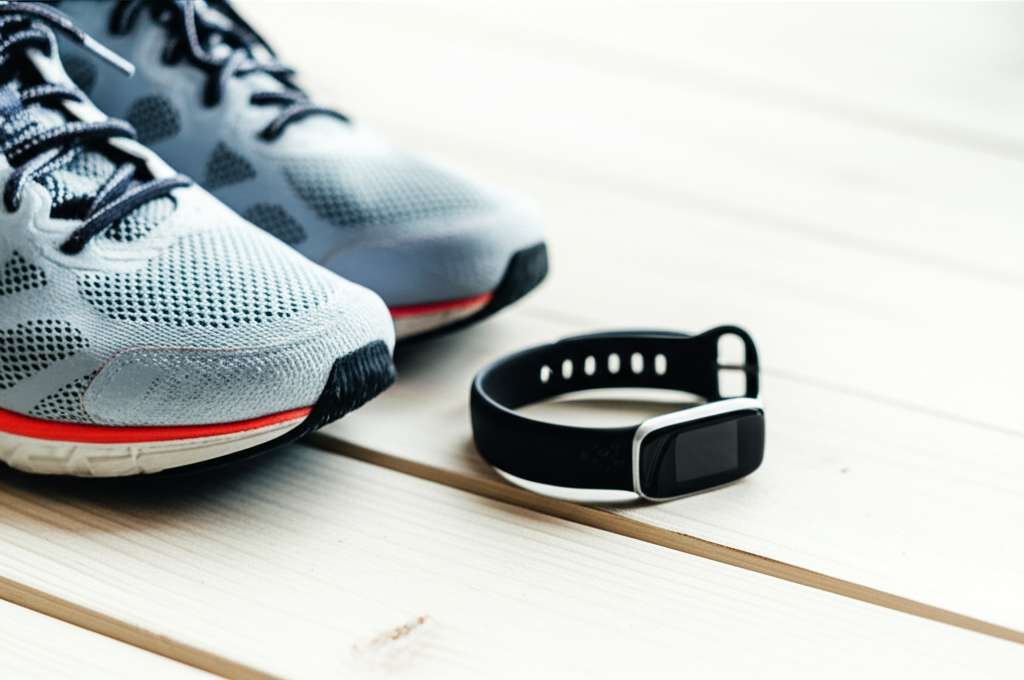
Yes, you can lose weight in a month by walking! It’s a fantastic, accessible way to start your fitness journey. With consistent effort, a smart plan, and a focus on healthy habits, walking can help you reach your weight loss goals in about 30 days. This guide will show you exactly how.
Feeling confused about weight loss? You’re not alone! Many of us see complex diets and intense workout plans and feel overwhelmed. It’s easy to wonder if simple activities, like walking, can actually make a difference.
The good news is that walking is a powerful tool. It’s gentle on your body, easy to fit into your day, and incredibly effective when done right. We’ll break down how you can use walking to see real results in just one month.
Let’s explore how to turn your daily stroll into a weight-loss success story. We’ll cover everything from how much to walk to what else you need to consider for a healthy, lasting change.
Can I Lose Weight In A Month By Walking? The Science Explained
The short answer is yes, but it depends on a few key factors. Weight loss happens when you burn more calories than you consume. This is known as creating a calorie deficit.
Walking helps you burn calories. The more you walk, and the more intensely you walk, the more calories you’ll burn. Over a month, consistent calorie burning through walking can lead to noticeable weight loss.
Think of your body like a car. It needs fuel (calories from food) to run. If you give it more fuel than it needs for its daily activities, the extra fuel gets stored as fat. If you use more fuel than you consume, your body starts using that stored fat for energy, and that’s when you lose weight.
The Centers for Disease Control and Prevention (CDC) recommends at least 150 minutes of moderate-intensity aerobic activity per week for adults. Walking at a brisk pace counts towards this goal and is a great way to build up your calorie deficit.
How Many Calories Can You Burn Walking?
The number of calories you burn while walking depends on several things:
- Your Weight: Heavier individuals generally burn more calories doing the same activity.
- Walking Speed: A faster pace burns more calories than a slower one.
- Duration: The longer you walk, the more calories you burn.
- Incline: Walking uphill or on an incline burns significantly more calories.
For example, a person weighing around 155 pounds might burn approximately 280 calories by walking for 30 minutes at a moderate pace (3.5 mph). If that same person walks for 60 minutes, they could burn around 560 calories. If they increase their speed to a brisk 4 mph, they might burn closer to 350 calories in 30 minutes.
To lose one pound of fat, you need to create a deficit of about 3,500 calories. If you aim to lose 1-2 pounds per week (a healthy and sustainable rate), you’d need a deficit of 500-1000 calories per day. Walking can contribute significantly to this deficit.
Creating Your 1-Month Walking Weight Loss Plan

To lose weight effectively in a month with walking, you need a structured approach. This isn’t just about walking; it’s about integrating it into a healthier lifestyle.
Step 1: Set Realistic Goals
A healthy and sustainable weight loss goal is typically 1 to 2 pounds per week. Over a month, this means aiming to lose 4 to 8 pounds. While some people might lose more initially, especially if they have more weight to lose, focusing on this range is a great starting point.
Setting small, achievable goals will keep you motivated. Instead of thinking “lose 10 pounds,” think “walk 30 minutes every day this week” or “increase my walking pace by 0.5 mph next week.”
Step 2: Determine Your Starting Point
Before you start, get a sense of your current fitness level. How long can you comfortably walk now? What’s your usual pace?
You don’t need fancy equipment. A comfortable pair of shoes is the most important thing. If you want to track your progress, a simple pedometer or a fitness app on your smartphone can be helpful. Many apps can also estimate calories burned.
Step 3: Plan Your Walking Schedule
Consistency is key! Aim to walk most days of the week. Here’s a sample progression:
- Week 1: Build the Habit
- Aim for 20-30 minutes of walking, 5 days a week.
- Focus on a comfortable, consistent pace.
- Listen to your body and don’t push too hard.
- Week 2: Increase Duration or Frequency
- Increase your walking time to 30-40 minutes, 5-6 days a week.
- Or, add an extra walking day if you feel ready.
- Week 3: Introduce Intensity or Incline
- Aim for 30-45 minutes of walking, 5-6 days a week.
- Incorporate some brisk walking intervals (walk faster for 1-2 minutes, then return to a moderate pace) or find a route with gentle hills.
- Week 4: Consolidate and Challenge Yourself
- Aim for 40-50 minutes of walking, 5-6 days a week.
- Continue with brisk intervals or inclines.
- Consider a longer walk (60 minutes) on one day of the weekend.
Remember to include warm-up (5 minutes of slow walking) and cool-down (5 minutes of slow walking and gentle stretching) for each session.
Step 4: Fuel Your Body Wisely
Walking alone might not be enough if your diet isn’t supporting your goals. Weight loss is about 80% nutrition and 20% exercise.
Focus on whole, unprocessed foods:
- Lean Proteins: Chicken breast, fish, beans, lentils, tofu.
- Fruits and Vegetables: Eat a wide variety of colors for different nutrients.
- Whole Grains: Oats, brown rice, quinoa, whole-wheat bread.
- Healthy Fats: Avocados, nuts, seeds, olive oil.
Limit:
- Sugary drinks (soda, juice)
- Processed snacks (chips, cookies)
- Excessive saturated and unhealthy fats
- Large portion sizes
Staying hydrated is also crucial. Drink plenty of water throughout the day. Water can help you feel full and is essential for all bodily functions, including metabolism.
For a beginner, a good target is to aim for a modest calorie deficit. This means eating slightly fewer calories than your body needs to maintain its current weight. A deficit of 250-500 calories per day from diet, combined with the calories burned from walking, can lead to healthy weight loss.
Step 5: Track Your Progress
Keep a journal of your walks: duration, pace, and how you felt. Also, track your food intake and your weight. Weigh yourself once a week, at the same time of day, to see your progress.
Don’t get discouraged by daily fluctuations. Weight can go up and down slightly due to water retention, so look for the overall trend over the month.
Making Walking More Effective for Weight Loss
Simply walking is great, but you can boost its fat-burning potential with a few strategies.
Vary Your Intensity
Alternating between moderate and brisk paces can significantly increase calorie burn and improve cardiovascular fitness. This is often called interval training.
Example Interval Walk (30 minutes):
- Warm-up: 5 minutes slow walking.
- Brisk Walk: 1 minute at a pace where you can talk but it’s a little challenging.
- Moderate Pace: 2 minutes at a comfortable pace.
- Repeat: Do steps 2 and 3 for about 20 minutes.
- Cool-down: 5 minutes slow walking.
Incorporate Hills or Inclines
Walking on an incline requires more effort, engaging more muscles and burning more calories. Look for hills in your neighborhood or use a treadmill with an incline setting.
Even a slight incline can make a big difference. Research from the National Institutes of Health (NIH) suggests that walking uphill burns more calories per minute than walking on a flat surface.
Increase Your Steps Per Day
Beyond dedicated walking sessions, try to add more steps throughout your day. Park further away, take the stairs instead of the elevator, walk during phone calls, or go for short walks during breaks.
Aiming for 10,000 steps a day is a popular target, but even increasing your current step count by 2,000-3,000 can contribute to your calorie deficit.
Listen to Your Body
While pushing yourself is important, so is recovery. If you feel pain, stop. If you’re exhausted, take a rest day. Rest is when your muscles repair and grow stronger.
Overtraining can lead to injury and burnout, which will derail your progress. A moderate, consistent approach is more sustainable.
What to Expect: Weight Loss in a Month
If you consistently follow a plan that combines regular walking with a healthy diet, you can expect to see positive changes within a month.
Potential Results
As mentioned, a healthy weight loss rate is 1-2 pounds per week. So, over 4 weeks, you could realistically lose 4-8 pounds. Some individuals, especially those with more weight to lose, might see even greater results in the first month.
Beyond the number on the scale, you’ll likely notice:
- Increased Energy Levels: Regular exercise boosts your mood and stamina.
- Improved Sleep: Consistent physical activity can lead to better sleep quality.
- Better Mood: Exercise releases endorphins, which are natural mood lifters.
- Clothes Fitting Better: Even if the scale doesn’t move dramatically, you might lose inches.
- Increased Fitness: You’ll find yourself able to walk further or faster with less effort.
Factors Influencing Your Results
Your individual results will vary based on:
- Your starting weight
- Your metabolism
- Your diet consistency
- The intensity and duration of your walks
- Your overall activity level outside of walks
- Genetics
Don’t compare your progress to others. Focus on your own journey and celebrate your personal wins.
The Benefits of Walking Beyond Weight Loss
While weight loss is a primary goal for many, walking offers a wealth of other health benefits that make it a fantastic habit to adopt.
- Improved Cardiovascular Health: Regular walking strengthens your heart and lungs, reducing the risk of heart disease and stroke.
- Lowered Blood Pressure: It can help manage and lower high blood pressure.
- Better Blood Sugar Control: Walking can improve insulin sensitivity, which is beneficial for preventing or managing type 2 diabetes. The American Diabetes Association recommends walking as a key activity for blood sugar management.
- Stronger Bones and Muscles: It helps maintain bone density and strengthens leg and core muscles.
- Reduced Stress and Anxiety: Walking outdoors, especially in nature, has been shown to reduce stress hormones and improve mental well-being.
- Increased Creativity: Many people find that walking helps them think more clearly and sparks new ideas.
These benefits contribute to a healthier, happier life, making walking a truly valuable activity regardless of the number on the scale.
Sample Weekly Walking and Nutrition Plan
Here’s a template to get you started. Remember to adjust it based on your personal needs and preferences.
| Day | Walking Goal (approx.) | Nutrition Focus | Notes |
|---|---|---|---|
| Monday | 30 mins moderate pace | Lean protein, lots of veggies | Start the week strong! |
| Tuesday | 35 mins with 5 x 1-min brisk intervals | Whole grains, fruits | Adding a little intensity. |
| Wednesday | 30 mins moderate pace | Hydration focus – drink 8 glasses of water | Mid-week check-in. |
| Thursday | 40 mins, find a route with some inclines | Healthy fats, lean protein | Challenge yourself with terrain. |
| Friday | 30 mins moderate pace | Enjoy a healthy, home-cooked meal | Reward yourself with good food. |
| Saturday | 45-60 mins, enjoyable pace, maybe with a friend | Focus on balanced meals, mindful eating | Longer walk for the weekend! |
| Sunday | Rest or 20-30 mins gentle walk | Listen to your body, prepare for the week ahead | Active recovery or complete rest. |
This is just an example. The key is consistency and gradually challenging yourself. For nutrition, aim for balanced meals that include a source of protein, healthy fats, complex carbohydrates, and plenty of fiber from fruits and vegetables.
Frequently Asked Questions (FAQ)
Q1: How much weight can I realistically lose by walking 30 minutes a day for a month?
A: If you walk 30 minutes daily at a moderate pace and maintain a healthy diet, you can expect to lose anywhere from 4 to 8 pounds in a month. This is a healthy and sustainable rate. Your exact results will depend on your starting weight, metabolism, and dietary choices.
Q2: What is the best time of day to walk for weight loss?
A: The “best” time is when you can be consistent. Some find morning walks help kickstart their metabolism and set a positive tone for the day. Others prefer evening walks to de-stress. The most important factor is fitting it into your schedule reliably.
Q3: Do I need special shoes or gear to start walking for weight loss?
A: You don’t need much to start! The most important item is a comfortable, supportive pair of walking shoes. Wear clothing that allows you to move freely and is appropriate for the weather. As you progress, you might consider a fitness tracker, but it’s not essential to begin.
Q4: How fast do I need to walk to lose weight?
A: Aim for a “brisk” pace, where you can talk but find it a little challenging to hold a full conversation. This is typically around 3-4 miles per hour. Incorporating intervals of faster walking will boost calorie burn even more.
Q5: What if I miss a day of walking? Should I double up the next day?
A: Don’t worry about missing a day! Life happens. Instead of doubling up, which can lead to injury or burnout, just get back on track with your plan the next day. Consistency over the long term is more important than perfection.
Q6: Can I lose weight by walking if I don’t change my diet?
A: While walking will burn calories, it’s very difficult to lose significant weight through exercise alone if your diet remains unhealthy or high in calories. Weight loss is most effective when you combine regular physical activity with a balanced, calorie-controlled diet.
Conclusion
So, can you lose weight in a month by walking? Absolutely! By committing to a consistent walking routine, perhaps 30-60 minutes most days of the week, and pairing it with mindful, healthy eating, you are well on your way to achieving your weight loss goals.
Remember that walking is more than just a calorie-burning activity; it’s a powerful tool for improving your overall health, boosting your mood, and building sustainable healthy habits. This month-long journey is just the beginning of a healthier lifestyle.
Stay patient, stay consistent, and celebrate every step of your progress. You’ve got this!
As an Amazon Associate, We earn from qualifying purchases. When you purchase a product through Amazon links on pulsefitguide.com, we may earn a small commission at no extra cost to you. This helps support the site and keep our content free.
