


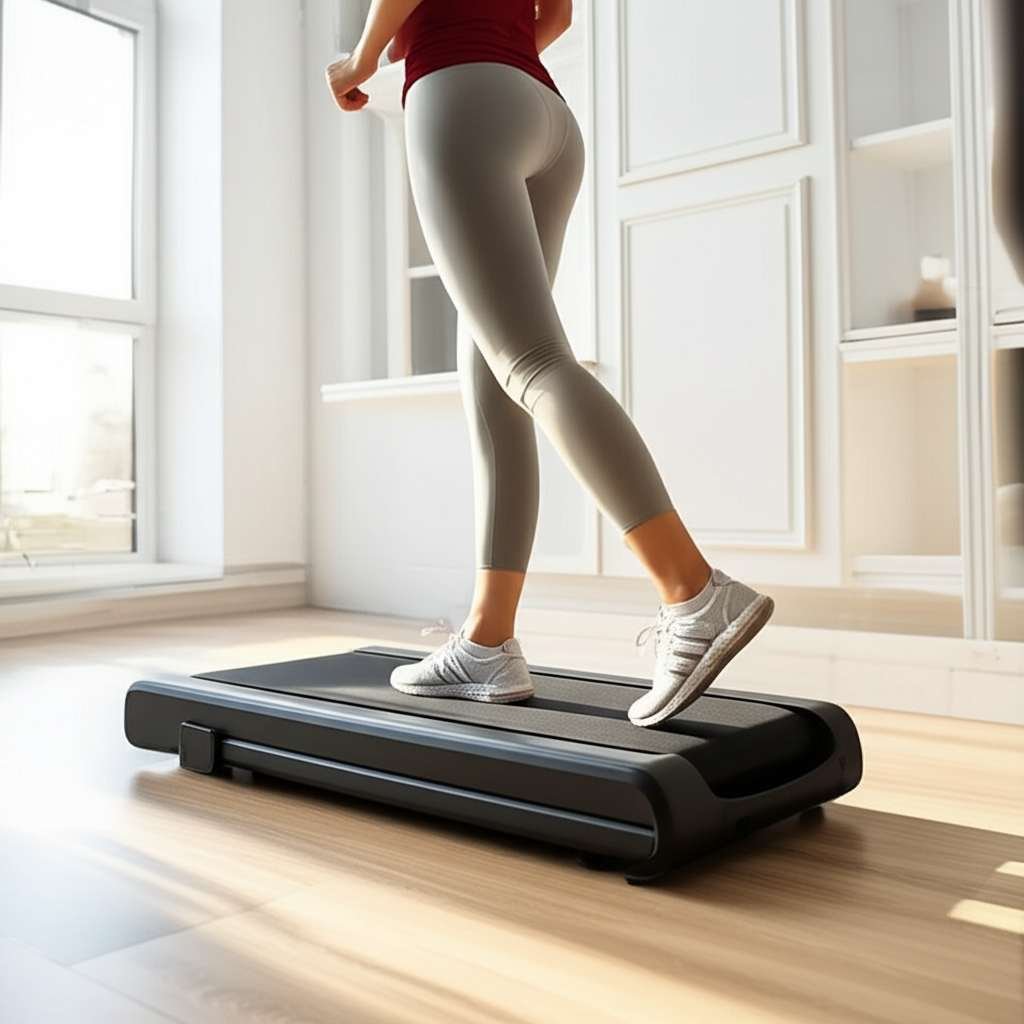
Yes, you absolutely can lose weight using a walking pad! It’s a surprisingly effective and convenient tool for effortless weight loss success when used consistently and with a mindful approach. Combine it with smart eating habits, and you’ll see real results.
Ever feel like losing weight is a huge puzzle? You’re not alone! Many of us find it confusing, overwhelming, or just plain hard to get started. It’s frustrating when you try your best, but the scale doesn’t budge.
But what if there was a simpler, more accessible way? What if you could sneak in effective exercise without a major life overhaul? This guide is here to show you exactly how a walking pad can be your secret weapon.
We’ll break down everything you need to know, step-by-step, so you can start your weight loss journey with confidence and ease. Get ready to discover how walking can transform your body and your health!
Can I Lose Weight Using a Walking Pad? The Simple Answer
The short answer is a resounding yes! A walking pad, often called a under-desk treadmill or a portable treadmill, is a fantastic tool for weight loss. It allows you to burn calories by simply walking, often while you’re already engaged in another activity like working or watching TV.
Weight loss fundamentally comes down to burning more calories than you consume. A walking pad helps you increase your daily calorie expenditure without requiring you to go to the gym or dedicate large blocks of time to intense workouts. This makes it a highly accessible and sustainable option for beginners.
By consistently incorporating walking into your routine, you create a calorie deficit that, when paired with a balanced diet, leads to effective and lasting weight loss. It’s about making movement a natural part of your day.
Why Walking Pads Are Great for Weight Loss
Walking pads offer a unique set of advantages that make them particularly well-suited for weight loss, especially for those new to fitness or struggling with busy schedules. They remove many common barriers to exercise.
Convenience and Accessibility
One of the biggest hurdles to weight loss is finding the time and motivation to exercise. Walking pads solve this by integrating seamlessly into your daily life. You can walk while you work, watch your favorite shows, or listen to podcasts. This means you’re not carving out extra time; you’re optimizing the time you already have.
This “exercise snacking” approach is incredibly effective for building consistency. It’s much easier to commit to a 30-minute walk spread throughout your day than to find a solid hour for a gym session.
Low Impact and Beginner-Friendly
Unlike high-impact exercises, walking is gentle on your joints. This is crucial for beginners, individuals with joint issues, or those who are carrying extra weight. A walking pad provides a controlled environment where you can walk at your own pace without the risk of falls or strenuous impact.
This low-impact nature means you can walk for longer periods without experiencing excessive fatigue or pain, further increasing your calorie burn and building endurance safely.
Calorie Burning Potential
While it might seem simple, walking is a powerful calorie burner. The number of calories you burn depends on your speed, duration, and body weight. Even at a leisurely pace, consistently walking for an hour can burn a significant number of calories. For example, a person weighing 150 pounds can burn around 200-300 calories in an hour of brisk walking.
Using a walking pad allows you to accumulate this walking time throughout the day, easily boosting your total daily calorie expenditure and contributing to a calorie deficit for weight loss. To understand calorie expenditure more deeply, resources like the CDC’s page on calories can be very informative.
Improved Metabolism
Regular physical activity, even low-intensity like walking, helps to boost your metabolism. A higher metabolism means your body burns more calories at rest. By using a walking pad regularly, you’re not just burning calories during your walk, but also potentially increasing your resting metabolic rate over time.
This is a key component of sustainable weight loss, as it makes it easier to maintain your weight once you’ve reached your goals.
How to Use a Walking Pad for Maximum Weight Loss Results
Simply owning a walking pad isn’t enough; you need a strategy. Here’s a step-by-step guide to make sure you’re getting the most out of your walking pad for weight loss.
Step 1: Set Realistic Goals
Before you even step on the pad, know why you’re doing it. Is it to lose a certain amount of weight? To feel more energetic? Having clear, achievable goals will keep you motivated. For weight loss, aim for a sustainable rate of 1-2 pounds per week. This means creating a deficit of 500-1000 calories per day through diet and exercise.
Your walking pad will be a significant contributor to this deficit. Start small and gradually increase your walking time and intensity. For example, begin with 20-30 minutes a day and work your way up.
Step 2: Determine Your Walking Pace
Walking pads typically have adjustable speeds. For weight loss, you’ll want to aim for a pace that elevates your heart rate slightly and makes you breathe a bit heavier, but still allows you to hold a conversation. This is often referred to as a moderate-intensity pace.
Here’s a general guide:
| Intensity Level | Speed (mph) | Perceived Effort (RPE) | Calorie Burn (approx. per hour for 150 lb person) |
|---|---|---|---|
| Light | 1.5 – 2.5 | Easy, can sing | 100-200 calories |
| Moderate | 2.5 – 4.0 | Breathing harder, can talk but not sing | 200-350 calories |
| Brisk/Vigorous | 4.0+ | Short phrases, difficult to talk | 350+ calories |
For effective weight loss, aiming for the moderate to brisk range is ideal. You can also incorporate intervals of faster walking to further boost calorie burn and improve cardiovascular fitness.
Step 3: Schedule Your Walking Sessions
Consistency is key. Treat your walking pad sessions like important appointments. You can choose to walk for longer, continuous periods or break it up throughout the day.
- Morning Warm-up: Start your day with 20-30 minutes to get your metabolism going.
- Workday Walks: If you have a sedentary job, use your walking pad under your desk for 15-20 minutes every hour or two.
- Evening Wind-down: A 30-minute walk after dinner can aid digestion and burn extra calories.
The goal is to accumulate at least 30-60 minutes of walking per day. A study published in the American Journal of Health Promotion highlighted the benefits of increasing daily walking for weight management.
Step 4: Track Your Progress
Monitoring your progress is vital for staying motivated and making adjustments. This includes tracking:
- Time and Distance: Most walking pads have built-in displays. Log your daily sessions.
- Calories Burned: While not always perfectly accurate, this gives you a good estimate.
- Weight: Weigh yourself once a week, at the same time of day.
- How You Feel: Notice changes in energy levels, sleep, and overall well-being.
Using a fitness tracker or a simple journal can be very helpful. Seeing your consistent effort reflected in your stats can be incredibly motivating.
Step 5: Combine with a Healthy Diet
This is perhaps the most crucial step. You cannot out-walk a bad diet. While your walking pad will help you burn calories, creating a calorie deficit through nutrition is essential for significant weight loss. Focus on whole, unprocessed foods.
- Lean Proteins: Chicken, fish, beans, lentils.
- Plenty of Vegetables: Aim for a variety of colors.
- Fruits: In moderation, for vitamins and fiber.
- Whole Grains: Brown rice, oats, quinoa.
- Healthy Fats: Avocados, nuts, seeds, olive oil.
Limit sugary drinks, processed snacks, and excessive saturated/trans fats. Hydration is also key; drink plenty of water throughout the day. Understanding nutrition basics is as important as understanding exercise, and resources like the MyPlate initiative from the USDA offer excellent guidance.
Step 6: Increase Intensity and Duration Gradually
As you get fitter, your body will adapt. To continue seeing results, you’ll need to challenge yourself. Gradually increase the speed of your walks, the duration of your sessions, or the incline (if your walking pad has one).
For example, if you started walking at 2.5 mph for 30 minutes, try increasing to 3.0 mph for 30 minutes, or 2.5 mph for 40 minutes. Listen to your body; don’t push too hard too soon.
Choosing the Right Walking Pad for You
With so many options available, selecting the right walking pad can seem daunting. Here are some factors to consider:
Types of Walking Pads
- Under-Desk Walking Pads: These are typically slim, compact, and designed to fit under a standing desk. They often have lower top speeds, focusing on walking rather than running.
- Folding Walking Pads: Similar to under-desk models but may have a slightly larger footprint and are designed to be easily stored away.
- Mini-Treadmills: These are smaller, more basic treadmills that can sometimes be used for light jogging but are primarily designed for walking.
Key Features to Look For
- Motor Power (HP): For walking, a motor of 2.0 HP or higher is generally recommended for durability and smooth operation.
- Speed Range: Ensure it goes up to a comfortable brisk walking pace (e.g., 4.0 mph or higher).
- Weight Capacity: Check that it can safely support your body weight.
- Belt Size: A longer and wider belt provides more comfort and safety.
- Portability and Storage: If space is an issue, look for lightweight, foldable models.
- Noise Level: Some walking pads can be quite noisy; check reviews if this is a concern.
- Remote Control/App Connectivity: Many come with remotes for easy speed adjustments, and some integrate with fitness apps.
Investing in a quality walking pad that suits your needs will ensure you use it more consistently, leading to better weight loss results.
Potential Challenges and How to Overcome Them
Even with a simple tool like a walking pad, challenges can arise. Here’s how to tackle them:
Challenge: Lack of Motivation
Solution: Vary your routine. Listen to different podcasts, watch new shows, or even walk while you’re on the phone. Set small, achievable daily goals and celebrate your successes. Consider walking with a friend virtually or sharing your progress with an online community.
Challenge: Boredom
Solution: Make it more engaging! Use it for active recovery between tasks, listen to audiobooks, or even try some simple upper body exercises while walking (like arm circles or light weights) to add variety. Change your environment by placing it in a room with a view.
Challenge: Physical Discomfort
Solution: Ensure proper footwear. Wear supportive athletic shoes. If you experience joint pain, reduce the speed or duration, and ensure you’re not overdoing it. Check the walking pad’s ergonomics; ensure your posture is good.
Challenge: Not Seeing Results Quickly Enough
Solution: Be patient and consistent. Weight loss is a journey, not a race. Remember that progress isn’t always linear. Re-evaluate your diet; are you truly in a calorie deficit? Sometimes small dietary adjustments can make a big difference.
Walking Pad vs. Other Exercise for Weight Loss
It’s helpful to see how a walking pad fits into the broader picture of weight loss activities.
| Method | Pros for Weight Loss | Cons for Weight Loss | Best For |
|---|---|---|---|
| Walking Pad | Highly convenient, low impact, builds consistency, burns calories throughout the day, integrates with work/leisure. | May have lower top speeds, can become less challenging over time without progression, requires discipline to use consistently. | Beginners, busy professionals, those with joint issues, people wanting to increase daily activity. |
| Gym Workouts (Weights/Cardio) | Can build muscle (increasing metabolism), variety of exercises, structured environment. | Requires travel time, can be intimidating, potential for injury if form is incorrect, may require gym membership fees. | Those seeking muscle gain, varied training, dedicated workout time. |
| Running Outdoors | High calorie burn, improves cardiovascular health, accessible anywhere. | High impact (risk of injury), weather dependent, requires dedicated time and motivation. | Experienced runners, those who enjoy outdoor exercise, people looking for intense cardio. |
| Home Workouts (Bodyweight/Dumbbells) | Convenient, can be done anytime, builds strength and endurance. | Requires space and equipment, can be challenging to progress without guidance, requires motivation. | Those who prefer home-based fitness, have limited equipment, enjoy structured routines. |
The walking pad excels in its ability to integrate into your life, making consistent calorie burning more achievable for many. It’s not necessarily better than other forms of exercise, but it is often easier to stick with, which is the most critical factor for long-term weight loss.
Frequently Asked Questions About Walking Pads and Weight Loss
Q1: How many calories can I burn on a walking pad daily?
A1: This varies greatly based on your weight, speed, and duration. A 150-pound person walking at a moderate pace (3 mph) for one hour could burn approximately 250-300 calories. If you walk for 2-3 hours spread throughout the day, you can significantly increase this number.
Q2: What’s the best speed to use on a walking pad for weight loss?
A2: Aim for a speed that is challenging but sustainable, typically in the moderate-intensity range (around 2.5 to 4.0 mph). You should feel your heart rate increase and be breathing harder, but still able to hold a conversation. This ensures you’re burning a good amount of calories.
Q3: How long do I need to walk on a walking pad to see results?
A3: Consistency is more important than duration. Aim for at least 30-60 minutes of walking per day. You’ll likely start noticing changes in how you feel within a couple of weeks, and visible weight loss can occur within 4-8 weeks, provided you are also managing your diet.
Q4: Can I use a walking pad if I have knee pain?
A4: Yes, walking is generally a low-impact exercise that is easier on the joints than running. However, always listen to your body. If you experience pain, reduce the speed and duration, or consult with a healthcare professional before starting.
Q5: Do I need to change my diet if I use a walking pad?
A5: Absolutely. Weight loss is primarily driven by diet. While the walking pad burns calories, you need to consume fewer calories than you burn. Combining your walking routine with a healthy, balanced diet will yield the best and fastest results. For nutrition guidance, consider resources like EatRight.org.
Q6: How can I make walking on a walking pad more effective?
A6: Increase your speed, walk for longer durations, incorporate incline (if available), and try interval training (alternating between faster and slower paces). Also, ensure you’re not standing still for too long between walking sessions.
Q7: Is a walking pad a good investment for weight loss?
A7: For many people, yes! If you struggle to find time for traditional workouts, have a sedentary job, or prefer exercising at home, a walking pad can be an excellent investment. Its convenience makes consistent activity more achievable, which is key for weight loss.
Conclusion: Your Effortless Path to Weight Loss Success
Embarking on a weight loss journey can feel overwhelming, but it doesn’t have to be complicated. The walking pad offers a refreshingly simple and accessible way to boost your activity levels and burn calories, making weight loss feel more effortless.
By integrating walking into your daily routine, focusing on consistency, and combining it with mindful eating habits, you are setting yourself up for sustainable success. Remember, every step counts, and the convenience of a walking pad means you can take many steps without a major disruption to your life.
Start today, be patient with yourself, and celebrate every milestone. You have the power to achieve your weight loss goals, and your walking pad is a fantastic tool to help you get there, one step at a time. Keep moving, keep eating well, and enjoy the journey to a healthier, happier you!
As an Amazon Associate, We earn from qualifying purchases. When you purchase a product through Amazon links on pulsefitguide.com, we may earn a small commission at no extra cost to you. This helps support the site and keep our content free.
