



Quick Summary: While fruits are healthy, some are high in sugar and calories, potentially hindering weight loss. Focusing on lower-sugar options like berries and citrus, and practicing portion control with higher-sugar fruits like mangoes and grapes, is key to a successful weight loss journey.
5 Fruits to Avoid (or Eat Mindfully) for Weight Loss: An Essential Guide
Embarking on a weight loss journey can feel like navigating a maze. You’re told to eat healthy, and fruits are often highlighted as superfoods. But sometimes, even the healthiest choices can be confusing when you’re trying to shed pounds.
You might be wondering why your efforts aren’t showing the results you expect, especially if you’re enjoying plenty of fruit. It’s a common frustration, and you’re not alone in feeling this way. The good news is that understanding a few simple principles can make a big difference.
This guide is here to help you make informed choices. We’ll break down which fruits might be slowing down your progress and how to enjoy them as part of a balanced, weight-loss-friendly diet. Let’s get started on making your weight loss journey smoother and more successful!
Why Some Fruits Can Be Tricky for Weight Loss
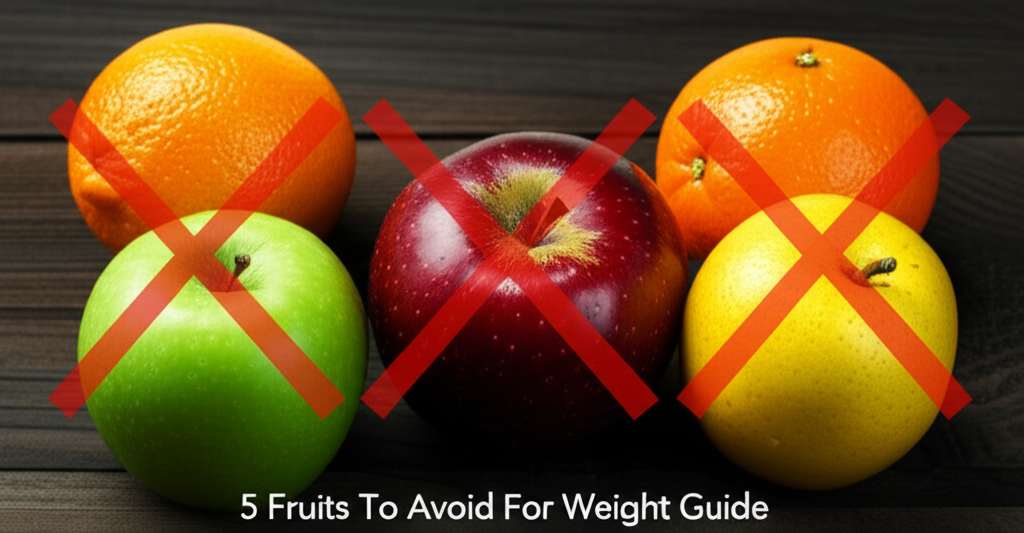
Fruits are packed with essential vitamins, minerals, and fiber, which are fantastic for your overall health. Fiber, in particular, helps you feel full and aids digestion. However, fruits also contain natural sugars, primarily in the form of fructose.
When you consume large amounts of sugar, even from natural sources, it can lead to a spike in your blood sugar levels. This can trigger insulin release, which helps your body store energy. If you’re consuming more calories than you burn, this stored energy can contribute to weight gain.
Portion size is also a huge factor. While a single serving of fruit is usually fine, overindulging in even healthy options can lead to an excess of calories and sugar. Understanding the sugar and calorie content of different fruits can empower you to make better choices.
The Top 5 Fruits to Approach with Caution for Weight Loss
It’s important to remember that no fruit is inherently “bad.” These fruits are listed because they tend to be higher in natural sugars and calories compared to other fruits. The key is mindful consumption and portion control. Here are five fruits to consider eating in moderation when weight loss is your primary goal:
1. Mangoes
Oh, mangoes! Their sweet, tropical flavor is irresistible. A cup of diced mango (about 165 grams) contains roughly 28 grams of carbohydrates, with about 27 grams coming from sugar. This makes them one of the higher-sugar fruits.
While mangoes are rich in vitamins A and C, their high sugar content means that enjoying a large portion can quickly add up in terms of calories and sugar intake. If you’re craving mango, try enjoying a smaller portion, perhaps paired with some protein or healthy fat to help slow down sugar absorption.
Nutritional Snapshot (per cup, diced):
| Nutrient | Amount |
|---|---|
| Calories | 99 |
| Sugar | 27.7g |
| Fiber | 2.6g |
| Vitamin C | 60% DV |
2. Grapes
Grapes are small, sweet, and easy to eat by the handful, which is precisely why they can be problematic for weight loss. A single cup of grapes (about 92 grams) contains approximately 23 grams of sugar.
Because they are so small and sweet, it’s easy to consume a large number of grapes without realizing how much sugar you’ve eaten. While they offer some antioxidants, their calorie and sugar density means they should be enjoyed sparingly. Consider enjoying a smaller, measured portion, or perhaps freezing them for a refreshing, slow-to-eat treat.
Nutritional Snapshot (per cup):
| Nutrient | Amount |
|---|---|
| Calories | 104 |
| Sugar | 23.4g |
| Fiber | 1.4g |
| Vitamin K | 18% DV |
3. Dried Fruits (Raisins, Dates, Prunes, etc.)
Dried fruits are essentially fresh fruits with the water removed. This process concentrates their sugars and calories significantly. For example, a quarter cup of raisins (about 34 grams) has around 27 grams of sugar, similar to a whole cup of fresh grapes!
Dates, prunes, and dried apricots are also very high in sugar and calories. While they are a good source of fiber and can be useful for occasional sweet cravings, they are easy to overeat. A small handful of dried fruit can pack as many calories and sugar as a much larger portion of fresh fruit. If you choose to eat dried fruit, be very mindful of your portion sizes and consider them more of a treat.
Nutritional Snapshot (per quarter cup of raisins):
| Nutrient | Amount |
|---|---|
| Calories | 108 |
| Sugar | 26.7g |
| Fiber | 1.5g |
| Iron | 5% DV |
4. Cherries
Sweet cherries are another fruit that can be deceptively high in sugar. A cup of pitted sweet cherries (about 155 grams) contains around 25 grams of sugar and 125 calories. While they are loaded with antioxidants and can be beneficial for reducing inflammation, their sugar content warrants attention during weight loss.
If you enjoy cherries, opt for tart cherries, which generally have a lower sugar content. Or, enjoy sweet cherries in smaller, controlled portions. Freezing them can also help you savor them more slowly.
Nutritional Snapshot (per cup, pitted):
| Nutrient | Amount |
|---|---|
| Calories | 125 |
| Sugar | 24.6g |
| Fiber | 3.2g |
| Vitamin C | 11% DV |
5. Pineapple
Pineapple is a delicious tropical fruit known for its sweet and tangy taste. A cup of pineapple chunks (about 165 grams) contains approximately 22 grams of sugar. While it’s a good source of vitamin C and manganese, and contains bromelain (an enzyme that may aid digestion), its sugar content means it should be consumed in moderation.
Like other high-sugar fruits, enjoying large servings of pineapple can contribute to excess calorie and sugar intake. Consider enjoying a smaller portion, or incorporating it into a balanced meal rather than as a standalone snack in large quantities.
Nutritional Snapshot (per cup, chunks):
| Nutrient | Amount |
|---|---|
| Calories | 83 |
| Sugar | 21.7g |
| Fiber | 2.3g |
| Vitamin C | 131% DV |
Fruits That Are Great for Weight Loss
Now, let’s flip the script! While some fruits require caution, many are excellent allies for weight loss due to their lower sugar content and high fiber. These fruits can help you feel full and satisfied without a sugar overload.
Prioritizing these fruits can make your weight loss journey more enjoyable and sustainable. They provide essential nutrients and fiber to keep you healthy and energized.
- Berries (Strawberries, Blueberries, Raspberries, Blackberries): These are low in sugar and calories, and incredibly high in fiber and antioxidants. A cup of raspberries has about 6.5 grams of fiber and only 5.3 grams of sugar.
- Apples: A medium apple contains about 4 grams of fiber and 19 grams of sugar, making it a good choice for satiety.
- Pears: Similar to apples, pears are rich in fiber and provide a good amount of natural sweetness. A medium pear has about 5.5 grams of fiber and 17 grams of sugar.
- Citrus Fruits (Oranges, Grapefruits, Lemons, Limes): These are generally lower in sugar and high in vitamin C. Grapefruit, in particular, is often recommended for weight loss due to its low calorie and sugar count.
- Avocado: While technically a fruit, avocado is unique because it’s high in healthy fats and low in sugar. The fat helps with satiety, and it contains beneficial fiber.
How to Incorporate Fruits Wisely into Your Weight Loss Diet
Knowing which fruits to be mindful of is the first step. The next is learning how to enjoy them as part of a balanced diet without derailing your progress. It’s all about strategy and moderation!
1. Practice Portion Control
This is perhaps the most crucial tip. Even low-sugar fruits can contribute to excess calories if eaten in huge quantities. For higher-sugar fruits, stick to a serving size that is roughly the size of a tennis ball or one cup.
For example, instead of eating a whole large mango, enjoy half of it. If you love grapes, measure out one cup instead of eating straight from the bag.
2. Pair Fruits with Protein or Healthy Fats
Eating fruit on its own can cause a quicker rise in blood sugar. Pairing it with a source of protein or healthy fat helps to slow down the absorption of sugar into your bloodstream. This leads to more stable energy levels and prolonged feelings of fullness.
Try these combinations:
- Apple slices with a tablespoon of almond butter.
- Berries with a handful of almonds or walnuts.
- A small portion of melon with a small Greek yogurt.
- Avocado slices with a sprinkle of salt and pepper (avocado is a fruit, remember!).
3. Choose Whole Fruits Over Juices and Smoothies
Fruit juice, even 100% juice, often has the fiber removed and the sugar concentrated. A glass of orange juice can contain the sugar of several oranges, but without the filling fiber. Similarly, smoothies can quickly become calorie and sugar bombs if you’re not careful with ingredients.
Whole fruits provide fiber, which is essential for feeling full and managing blood sugar. If you do make smoothies, focus on a base of leafy greens, add a small portion of lower-sugar fruit, and include a protein source like protein powder or Greek yogurt.
For more information on the benefits of whole foods and fiber, the Harvard T.H. Chan School of Public Health offers excellent insights into the importance of fiber.
4. Be Mindful of Dried Fruit Portions
As discussed, dried fruits are calorie and sugar-dense. They can be a convenient snack, but it’s easy to overconsume them. Always measure out your portion. A small box of raisins or a few dried apricots are typically single servings.
Consider using them as a flavor enhancer rather than a main snack. For instance, a few chopped dates can add sweetness to oatmeal, or a sprinkle of dried cranberries can add texture to a salad.
5. Listen to Your Body
Everyone’s body responds differently. Pay attention to how certain fruits make you feel. Do you experience an energy crash after eating a lot of mango? Do you feel satisfied for a long time after eating berries? Your body’s signals are valuable feedback.
Keep a simple food journal if it helps. Note what you eat, when you eat it, and how you feel afterward. This can help you identify patterns and make adjustments.
The Role of Sugar in Weight Management
Understanding sugar’s role is key to effective weight management. When we consume sugar, our bodies release insulin, a hormone that helps move sugar from the bloodstream into our cells for energy or storage. If we consume more sugar (and thus calories) than our bodies need for immediate energy, the excess is often stored as fat.
This is why managing sugar intake, including natural sugars from fruits, is important. While the fiber in whole fruits helps to mitigate sharp blood sugar spikes compared to processed sugars, consuming excessive amounts can still contribute to a calorie surplus.
The American Heart Association provides guidelines on added sugar intake, which can be a useful reference for understanding sugar’s impact. While these guidelines focus on added sugars, the principles of moderation and awareness apply to all sugar sources. You can find their recommendations here: AHA Dietary Recommendations.
Frequently Asked Questions (FAQs)
Q1: Are all fruits bad for weight loss?
No, not at all! Many fruits are excellent for weight loss because they are low in calories and sugar but high in fiber and nutrients, helping you feel full. Berries, apples, pears, and citrus fruits are great examples.
Q2: How much fruit is too much when trying to lose weight?
This depends on the fruit and your individual dietary needs. A general guideline is to aim for 2-3 servings of fruit per day, with a serving being about one cup or the size of a tennis ball. Prioritize lower-sugar fruits and be mindful of portions with higher-sugar ones.
Q3: Can I eat fruit if I have diabetes and am trying to lose weight?
Yes, but with extra care. People with diabetes should focus on fruits lower in sugar and higher in fiber, like berries, and always monitor their blood sugar response. Consulting with a doctor or a registered dietitian is highly recommended for personalized advice.
Q4: Is fruit juice as good as eating whole fruit for weight loss?
No. Fruit juice typically lacks the fiber found in whole fruits and concentrates the natural sugars. This can lead to faster sugar absorption and fewer feelings of fullness, making it less ideal for weight loss compared to whole fruit.
Q5: What are some good fruit snacks for weight loss?
Excellent choices include a handful of berries, an apple with a tablespoon of nut butter, a small pear, or grapefruit. These options offer fiber and nutrients to keep you satisfied.
Q6: Should I avoid fruit completely if I want to lose weight?
Absolutely not! Fruits are a vital part of a healthy diet. The goal is not avoidance, but rather informed choices and mindful consumption, focusing on nutrient-dense, lower-sugar options and appropriate portion sizes.
Conclusion
Embarking on a weight loss journey is a fantastic step towards a healthier you, and understanding your food choices is a big part of that. Fruits are nutritional powerhouses, offering essential vitamins, minerals, and fiber. However, like many foods, their sugar and calorie content means some require a bit more attention when your goal is weight loss.
By being mindful of fruits like mangoes, grapes, dried fruits, cherries, and pineapple, and focusing on portion control and smart pairings, you can enjoy them without hindering your progress. Prioritizing lower-sugar fruits such as berries, apples, and citrus will serve as excellent allies in keeping you full and satisfied.
Remember, weight loss is about balance, consistency, and making sustainable choices. It’s not about strict elimination but about informed decisions. Keep experimenting with these tips, listen to your body, and celebrate every healthy step you take. You’ve got this!
As an Amazon Associate, We earn from qualifying purchases. When you purchase a product through Amazon links on pulsefitguide.com, we may earn a small commission at no extra cost to you. This helps support the site and keep our content free.
