


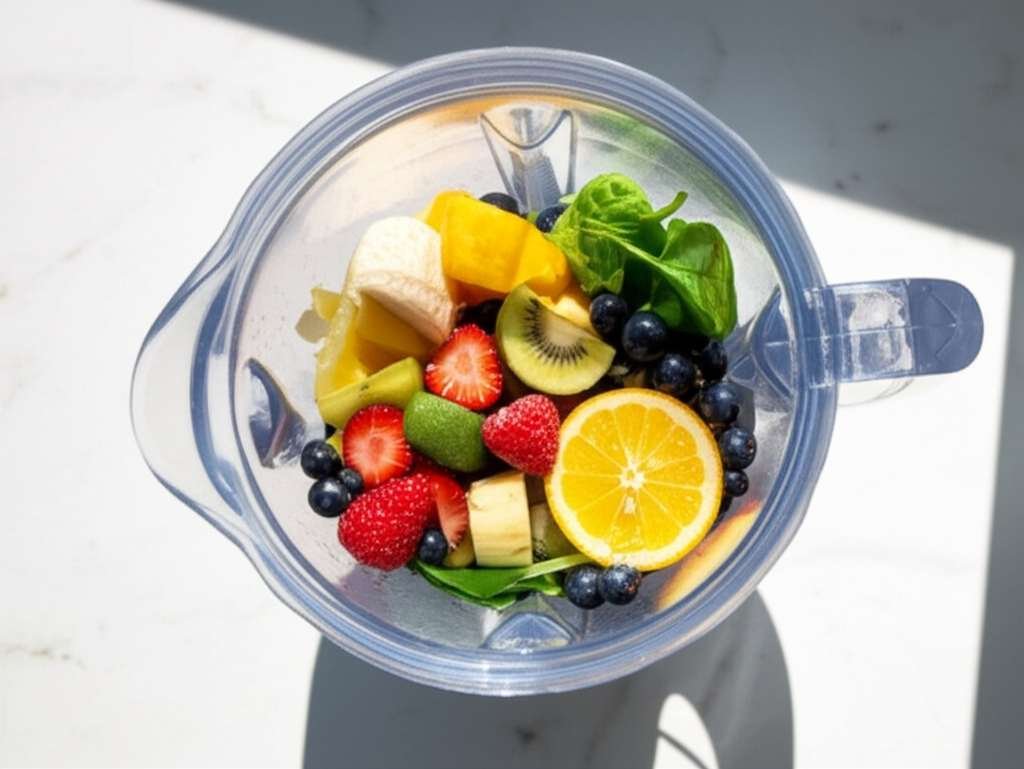
The best fruits for weight loss smoothies are low in calories and sugar but high in fiber and water content. Think berries, apples, pears, and grapefruit. These fruits help you feel full longer, boost metabolism, and provide essential nutrients without excess calories.
Feeling a bit confused about weight loss? You’re not alone! Many people find it tricky to navigate all the advice out there.
Smoothies can be a fantastic tool for weight loss, but choosing the right ingredients is key. Don’t worry, I’m here to help you make smart choices.
We’ll break down exactly which fruits are your best buddies on this journey. Get ready to blend your way to a healthier you!
Why Smoothies Are Great for Weight Loss

Smoothies can be a secret weapon for weight loss, but it’s important to understand why. They offer a convenient way to pack a lot of nutrients into a quick meal or snack.
When made correctly, smoothies can help you feel full and satisfied, which means you’re less likely to overeat later. This is because they often contain fiber and water, both of which are super important for keeping hunger at bay.
Plus, blending fruits and veggies means you’re getting vitamins, minerals, and antioxidants easily. This supports your overall health as you work towards your weight loss goals.
The Science Behind Fruits and Weight Loss
Fruits are nature’s candy, but for weight loss, we need to be smart about which ones we pick. It all comes down to a few key factors: calories, sugar content, fiber, and water.
Fruits that are lower in calories and natural sugars, but high in fiber and water, are your best bet. Fiber helps you feel full longer, which can reduce overall calorie intake. Water also contributes to fullness and aids in digestion.
Some fruits have a lower glycemic index (GI), meaning they cause a slower rise in blood sugar. This can help prevent energy crashes and cravings. The U.S. Department of Agriculture (USDA) provides extensive data on the nutritional content of fruits, helping you make informed choices.
Key Factors to Consider When Choosing Fruits for Smoothies
When you’re aiming for weight loss, not all fruits are created equal. We want to focus on those that give us the most “bang for our buck” in terms of nutrients and satiety, without adding too many extra calories.
Here are the main things to look for:
- Fiber Content: Fiber is your best friend for feeling full. Fruits high in fiber keep your digestive system happy and reduce the urge to snack between meals.
- Water Content: Hydration is crucial for weight loss, and fruits with high water content contribute to this. They also add volume to your smoothie without adding many calories.
- Calorie Density: Some fruits pack more calories than others. For weight loss, opt for fruits that offer plenty of nutrients for fewer calories.
- Sugar Content: While fruits contain natural sugars, some are much higher than others. Moderation is key, and choosing lower-sugar fruits can help manage overall sugar intake.
- Nutrient Profile: Look for fruits rich in vitamins, minerals, and antioxidants. These support your body’s overall health and metabolism.
The Best Fruits for Weight Loss Smoothies
Ready to dive into the world of delicious and effective weight loss smoothies? Here are the top fruit picks that will help you on your journey. They are packed with nutrients and flavor, making healthy eating a joy!
1. Berries (Strawberries, Blueberries, Raspberries, Blackberries)
Berries are tiny powerhouses when it comes to weight loss. They are relatively low in calories and sugar but incredibly high in fiber and antioxidants.
A cup of mixed berries can provide several grams of fiber, helping you feel satisfied for longer. Their vibrant colors also indicate a rich antioxidant content, which is great for overall health.
- Pros: High fiber, low sugar, packed with antioxidants, great flavor.
- Cons: Can be more expensive than some other fruits, especially out of season.
2. Apples
Don’t underestimate the humble apple! Apples are a fantastic source of fiber, particularly pectin, which is known to help you feel full and can even support healthy blood sugar levels.
They have a good water content and a satisfying crunch that can be replicated in a smoothie. Opt for whole apples rather than apple juice to get the full fiber benefit.
- Pros: High in fiber, good water content, widely available, affordable.
- Cons: Can make smoothies a bit thicker, might need a powerful blender.
3. Pears
Similar to apples, pears are another excellent source of dietary fiber. They are also hydrating and provide essential vitamins and minerals.
Pears can add a lovely sweetness and smooth texture to your smoothies. Their fiber content helps slow digestion, which can prevent blood sugar spikes and subsequent cravings.
- Pros: High fiber, good for digestion, naturally sweet, hydrating.
- Cons: Can be mushy if overripe, which might affect smoothie texture.
4. Grapefruit
Grapefruit is often hailed as a weight-loss superfood, and for good reason. It’s low in calories and high in water and fiber. Some studies suggest it may help with insulin resistance.
Its slightly tart and refreshing taste can be a great addition to a smoothie, especially when balanced with other sweeter fruits. Just be mindful if you are on certain medications, as grapefruit can interact with them.
- Pros: Very low in calories, high water content, refreshing taste, may aid metabolism.
- Cons: Can be tart, potential medication interactions.
5. Avocado
While often thought of as a vegetable, avocado is botanically a fruit! It’s a fantastic source of healthy monounsaturated fats, fiber, and potassium. These fats help you feel full and satisfied, which is crucial for managing hunger during weight loss.
Avocado adds a wonderfully creamy texture to smoothies without needing dairy or ice cream. A little goes a long way, as it is calorie-dense.
- Pros: Healthy fats for satiety, creamy texture, good source of fiber and potassium.
- Cons: Higher in calories and fat, so portion control is important.
6. Melon (Cantaloupe, Honeydew)
Melons like cantaloupe and honeydew are incredibly hydrating due to their high water content. They are also relatively low in calories and offer a good dose of vitamins A and C.
Their natural sweetness makes them a great base for smoothies, especially during warmer months. They blend into a light and refreshing drink. The USDA FoodData Central provides detailed nutritional information for these fruits.
- Pros: Very high water content, low in calories, refreshing, good source of vitamins.
- Cons: Lower in fiber compared to berries or apples.
7. Oranges
Oranges are well-known for their high vitamin C content, but they also provide fiber and water. While they are sweeter than some other options, they can be a good addition in moderation.
Using a whole peeled orange (rather than just juice) ensures you get the beneficial fiber. The citrus flavor can add a nice zing to your smoothie.
- Pros: High in Vitamin C, good source of fiber and water, refreshing flavor.
- Cons: Higher in sugar and calories compared to berries.
Fruits to Use in Moderation or Avoid
While all fruits offer health benefits, some are higher in sugar and calories, making them less ideal for frequent weight loss smoothies. It’s not about completely avoiding them, but about using them mindfully.
These fruits can still be enjoyed, but perhaps in smaller quantities or less often when your primary goal is weight loss.
High-Sugar Fruits to Be Mindful Of:
- Bananas: While delicious and creamy, bananas are higher in sugar and calories. They can be great for post-workout recovery, but for general weight loss smoothies, consider using half a banana or opting for berries.
- Mangoes: Mangoes are packed with vitamins and taste amazing, but they are also quite high in natural sugars and calories.
- Pineapple: Another tropical favorite, pineapple is high in sugar. While it contains bromelain, which may aid digestion, it’s best used in moderation for weight loss smoothies.
- Grapes: Grapes can add sweetness, but their sugar content is concentrated. It’s easy to consume a lot of calories from grapes quickly.
Remember, balance is key. These fruits aren’t “bad,” but their sugar and calorie profiles mean they should be used more sparingly when focusing on weight loss. The American Heart Association recommends limiting added sugars, and while fruit sugars are natural, managing overall intake is still important.
Creating Your Perfect Weight Loss Smoothie: A Step-by-Step Guide
Now that you know which fruits are best, let’s put it all together! Making a weight loss smoothie is simple and can be customized to your taste.
Step 1: Choose Your Base Liquid
Start with a liquid base. Unsweetened almond milk, coconut water, or plain water are excellent low-calorie choices.
- Unsweetened Almond Milk: Low in calories, creamy texture.
- Coconut Water: Hydrating, contains electrolytes, naturally slightly sweet.
- Plain Water: Zero calories, the simplest option.
- Green Tea (cooled): Adds antioxidants and a metabolism boost.
Step 2: Add Your Power Fruits
Pick 1-2 servings of your chosen weight-loss-friendly fruits. Berries, apples, and pears are fantastic choices here.
For example, you might use 1 cup of mixed berries or half an apple and half a pear.
Step 3: Boost with Protein and Healthy Fats (Optional but Recommended)
Adding protein and healthy fats will make your smoothie more filling and balanced.
- Protein: A scoop of unflavored or vanilla protein powder (whey, plant-based), Greek yogurt (plain, unsweetened), or a tablespoon of chia seeds.
- Healthy Fats: A quarter of an avocado, a tablespoon of almond butter, or a tablespoon of flaxseeds.
Step 4: Sneak in Some Veggies (Optional)
Don’t be afraid to add greens! Spinach and kale are mild in flavor and packed with nutrients. You won’t even taste them!
- Spinach: Very mild flavor, packed with iron and vitamins.
- Kale: A bit stronger flavor, nutrient-dense.
- Cucumber: Adds hydration and a refreshing taste.
Step 5: Add Flavor Enhancers (Optional)
If you need a little extra flavor, consider these:
- A sprinkle of cinnamon: May help with blood sugar control.
- A squeeze of lemon or lime: Adds brightness.
- Fresh ginger: Adds a zesty kick and aids digestion.
- A few mint leaves: For a refreshing twist.
Step 6: Blend and Enjoy!
Combine all your ingredients in a blender and blend until smooth. Add a few ice cubes if you prefer a colder, thicker smoothie.
Sample Weight Loss Smoothie Recipes
Here are a few simple recipes to get you started. Feel free to experiment and adjust them to your liking!
1. Berry Blast Fiber Boost
This smoothie is packed with fiber and antioxidants.
- 1 cup unsweetened almond milk
- 1 cup mixed berries (fresh or frozen)
- 1 tablespoon chia seeds
- Handful of spinach
2. Green Apple & Pear Refresher
A crisp and refreshing smoothie that’s great for any time of day.
- 1 cup water or coconut water
- 1/2 green apple, cored
- 1/2 pear, cored
- 1/4 cucumber
- Squeeze of lemon juice
3. Creamy Avocado & Berry Delight
For a smoothie that’s both filling and satisfying, thanks to healthy fats.
- 1 cup unsweetened coconut milk
- 1/2 cup mixed berries
- 1/4 avocado
- 1 scoop unflavored protein powder (optional)
4. Grapefruit & Ginger Energizer
A zesty and invigorating smoothie to kickstart your metabolism.
- 1/2 grapefruit, peeled
- 1/2 cup water
- 1/2 inch fresh ginger, peeled
- Few mint leaves
- Optional: 1/4 cup plain Greek yogurt for creaminess and protein
Nutritional Comparison Table: Popular Smoothie Fruits
To help you visualize the differences, here’s a quick comparison of some popular smoothie fruits per 100 grams (about 3.5 ounces).
| Fruit | Calories | Sugar (g) | Fiber (g) | Water (%) |
|---|---|---|---|---|
| Strawberries | 33 | 4.9 | 2.0 | 90.95 |
| Blueberries | 57 | 9.96 | 2.4 | 84.19 |
| Raspberries | 53 | 4.42 | 6.5 | 85.77 |
| Apple (with skin) | 52 | 10.39 | 2.4 | 85.56 |
| Pear (with skin) | 57 | 9.75 | 3.1 | 81.79 |
| Grapefruit | 32 | 6.85 | 1.0 | 88.34 |
| Avocado | 160 | 0.66 | 6.7 | 73.23 |
| Banana | 89 | 12.23 | 2.6 | 75.05 |
| Mango | 60 | 13.66 | 1.6 | 83.34 |
As you can see, berries, apples, pears, grapefruit, and avocado stand out for their fiber and lower sugar content relative to their calories, making them excellent choices for weight loss smoothies. The information is sourced from the USDA FoodData Central database, a reliable source for nutritional facts.
Tips for Making Weight Loss Smoothies Sustainable
The best weight loss plan is one you can stick with. Smoothies can be a part of that, but here are some tips to keep them working for you long-term:
- Don’t Overdo It: Smoothies are great, but variety is important. Don’t have them for every meal, every day.
- Watch Portion Sizes: Even healthy ingredients add up. Be mindful of how much fruit, nut butter, or seeds you’re adding.
- Listen to Your Body: Pay attention to how different smoothies make you feel. Do they keep you full? Do they give you energy?
- Prep Ahead: Wash and chop fruits and veggies, then freeze them in portioned bags. This makes morning smoothies a breeze!
- Balance Your Diet: Smoothies should complement a balanced diet, not replace whole foods entirely.
Frequently Asked Questions (FAQ)
Q1: Can I use frozen fruits in my weight loss smoothies?
Absolutely! Frozen fruits are just as nutritious as fresh ones, and they make your smoothie colder and thicker without needing ice. They are often more affordable too.
Q2: How much fruit is too much for a weight loss smoothie?
For a weight loss smoothie, aim for about 1 to 1.5 cups of fruit per serving. Prioritize lower-sugar, high-fiber options like berries. If you add higher-sugar fruits like bananas or mangoes, use smaller portions.
Q3: Should I add sweeteners to my smoothies?
Try to avoid added sweeteners like sugar, honey, or syrup. The natural sweetness from fruits should be enough. If you need more sweetness, a tiny bit of stevia or a few drops of monk fruit extract are calorie-free options.
Q4: Can I drink weight loss smoothies every day?
Yes, you can, provided they are well-balanced and part of an overall healthy diet. However, for optimal nutrition and to avoid nutrient imbalances, it’s good to have variety and not rely on smoothies for all your meals.
Q5: What’s the best time of day to drink a weight loss smoothie?
You can enjoy a weight loss smoothie at any time! It makes a great breakfast, a satisfying lunch, or a healthy snack. For weight loss, consider when you tend to feel hungriest and use the smoothie to manage those cravings.
Q6: Are smoothies good for losing belly fat?
Smoothies can contribute to overall weight loss, which includes belly fat, by helping you create a calorie deficit and providing nutrient-dense foods. However, you can’t target fat loss in one specific area. A balanced diet and regular exercise are key for reducing body fat.
Conclusion
Incorporating the best fruits for weight loss smoothies into your diet can be a simple, delicious, and effective strategy. By focusing on fruits that are rich in fiber and water, and mindful of their sugar and calorie content, you can create satisfying drinks that support your health goals.
Remember that consistency and balance are crucial for long-term success. Experiment with the fruits and recipes we’ve shared, listen to your body, and enjoy the journey towards a healthier you. You’ve got this!
As an Amazon Associate, We earn from qualifying purchases. When you purchase a product through Amazon links on pulsefitguide.com, we may earn a small commission at no extra cost to you. This helps support the site and keep our content free.
