


Quick Summary:
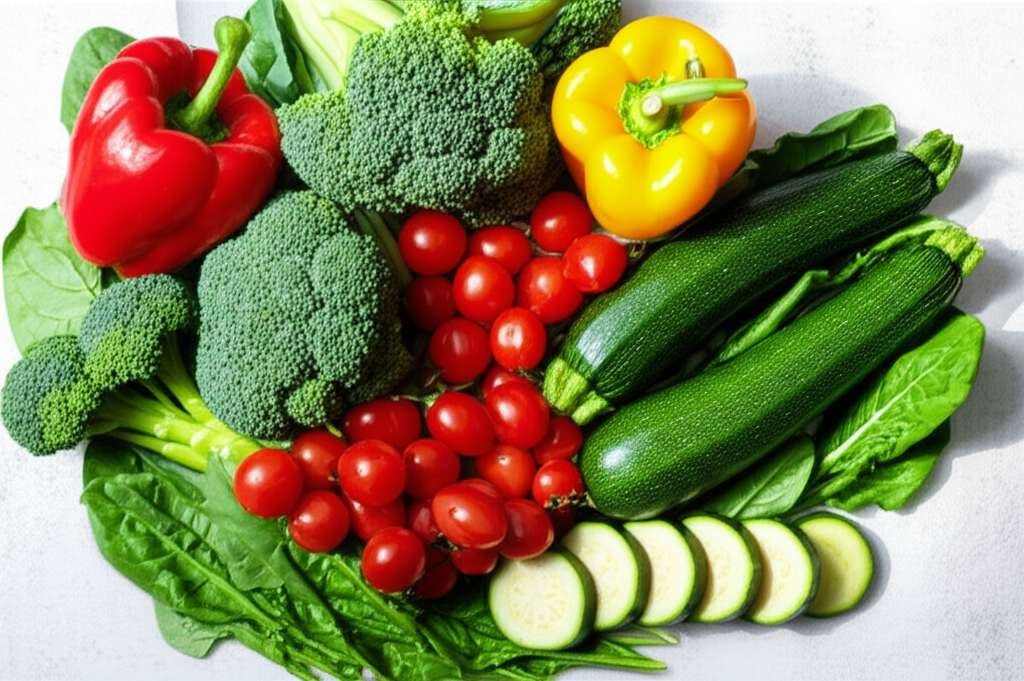
The best vegetables for weight loss are nutrient-dense, low in calories, and high in fiber. Incorporating them into your diet boosts fullness, aids digestion, and provides essential vitamins and minerals, making weight loss feel more effortless and sustainable.
Are you finding weight loss a bit confusing or tough to get started with? It’s totally normal to feel that way! Many of us get overwhelmed by complicated diets and endless rules.
But what if I told you that some of the simplest foods could be your biggest allies? Nature has given us incredible, delicious options that can make a real difference.
This guide is here to make things clear and easy. We’ll explore the amazing world of vegetables and how they can help you reach your goals without feeling deprived.
Why Vegetables Are Your Weight Loss Superheroes
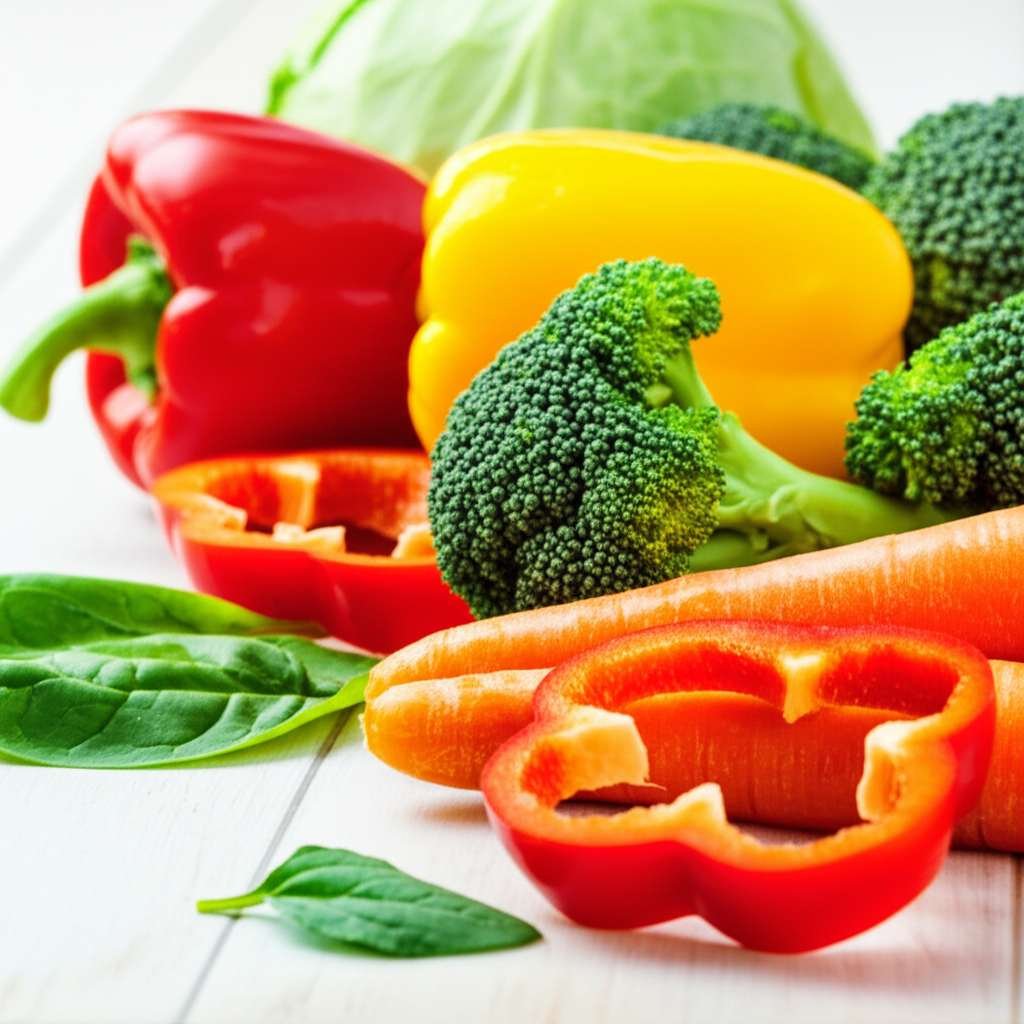
Think of vegetables as your body’s best friends when you’re aiming to lose weight. They pack a serious punch of nutrients without weighing you down with extra calories. This is key for feeling satisfied and energized.
The magic lies in their high fiber and water content. Fiber helps you feel full for longer, reducing those tempting snack cravings. Water adds volume to your meals, again contributing to that feeling of fullness.
Plus, vegetables are loaded with vitamins, minerals, and antioxidants. These are crucial for keeping your body running smoothly, supporting your metabolism, and ensuring you get all the good stuff you need, even when cutting calories.
Understanding Calories and Fullness
Weight loss, at its core, is about creating a calorie deficit – burning more calories than you consume. But this doesn’t mean you have to starve yourself! The goal is to eat fewer calories in a way that still makes you feel satisfied.
This is where vegetables shine. They have a low calorie density, meaning you can eat a large volume of them for very few calories. Compare a plate piled high with broccoli to a small serving of chips – the broccoli fills you up much more for far fewer calories.
This “volume eating” strategy is a game-changer for beginners. It allows you to enjoy your meals, feel genuinely full, and still be on track with your weight loss goals. It’s about making smart choices that work with your body, not against it.
The Top Vegetables for Effortless Weight Loss
Let’s dive into the stars of the show! These vegetables are not only packed with nutrients but are also incredibly versatile and can be incorporated into almost any meal. They’re your go-to for delicious, healthy eating.
Leafy Greens: The Undisputed Champions
When we talk about low-calorie, high-nutrient powerhouses, leafy greens are at the top. Think spinach, kale, lettuce, arugula, and Swiss chard. They are incredibly low in calories but bursting with vitamins A, C, K, folate, and iron.
Their high fiber content is fantastic for digestion and keeps you feeling full. They can be eaten raw in salads, wilted into stir-fries, blended into smoothies, or even baked into chips.
Why they are great:
- Extremely low in calories.
- Rich in vitamins, minerals, and antioxidants.
- High in fiber for satiety and digestion.
- Versatile in cooking.
Cruciferous Vegetables: Fiber-Rich and Filling
Broccoli, cauliflower, Brussels sprouts, and cabbage belong to the cruciferous family. These vegetables are renowned for their impressive fiber content and unique compounds that may offer health benefits.
They take longer to digest, which helps you stay fuller for longer. Plus, they are wonderfully adaptable. Roast them for a delicious side, steam them, or add them to soups and stews.
Nutritional Highlights:
- Excellent source of fiber.
- Contain vitamins C and K.
- May support detoxification pathways.
- Low in calories.
Bell Peppers: Sweetness with Few Calories
Bell peppers, in all their vibrant colors (red, yellow, orange, green), offer a sweet crunch that can satisfy cravings without a sugar rush. They are hydrating and provide a good dose of Vitamin C.
Their crisp texture makes them a great addition to salads, stir-fries, fajitas, or simply eaten raw with a healthy dip. They add both flavor and volume to your meals.
Benefits:
- High water content.
- Good source of Vitamin C.
- Low in calories and carbohydrates.
- Adds color and flavor to dishes.
Zucchini and Squash: Water-Rich and Versatile
Zucchini and other summer squashes are incredibly high in water content, making them super filling. They are also very low in calories and carbohydrates, making them a staple for many weight loss diets.
Their mild flavor means they can absorb the tastes of other ingredients beautifully. “Zoodles” (zucchini noodles) are a popular low-carb pasta alternative, and they can be grilled, roasted, or added to soups.
Key Advantages:
- Very high in water.
- Low calorie and carb count.
- Absorbs flavors well.
- Great for making low-carb dishes.
Asparagus: Nutrient-Dense and Satisfying
Asparagus is a fantastic source of folate, vitamins A, C, E, and K, along with being a good source of fiber. It’s relatively low in calories and has a satisfying texture.
Whether steamed, roasted, or grilled, asparagus makes an elegant and healthy side dish. Its unique flavor pairs well with lean proteins and other vegetables.
Why it’s a winner:
- Packed with vitamins and folate.
- Good fiber content.
- Low in calories.
- Distinctive, enjoyable flavor.
Tomatoes: Hydrating and Antioxidant-Rich
Often mistaken for a vegetable in culinary use, tomatoes are botanically fruits but nutritionally behave like vegetables in a diet. They are primarily water and low in calories, making them excellent for weight management.
Tomatoes are also a great source of Vitamin C and the antioxidant lycopene, which is linked to numerous health benefits. They are incredibly versatile, from salads and sandwiches to sauces and soups.
Great for weight loss because:
- Mostly water, leading to fullness.
- Low calorie and carbohydrate count.
- Rich in Vitamin C and lycopene.
- Used in countless delicious ways.
Cucumbers: The Ultimate Hydrator
If you’re looking for pure hydration and a super low-calorie crunch, cucumbers are your answer. They are made up of about 95% water, making them incredibly filling with almost no calories.
They are perfect for adding to salads, water, or simply enjoying as a refreshing snack. Their mild flavor makes them a universally accepted addition to any meal.
Top reasons to love them:
- Extremely high water content.
- Virtually calorie-free.
- Refreshing and hydrating.
- Easy to add to meals and drinks.
Mushrooms: Savory and Filling
Mushrooms are unique because they offer a savory, “umami” flavor that can make meals more satisfying. They are low in calories and carbohydrates and provide B vitamins and selenium.
Their meaty texture makes them a great substitute for meat in some dishes, helping to reduce calorie intake. Sautéed, grilled, or added to sauces, they add depth and flavor.
Why they are beneficial:
- Savory flavor enhances satisfaction.
- Low calorie and carb count.
- Good source of B vitamins.
- Meaty texture can replace meat.
How to Easily Incorporate These Vegetables
Adding these powerhouses to your diet doesn’t need to be complicated. The key is consistency and finding simple ways to make them a regular part of your meals. Here are some practical tips:
Start Your Day with Greens
Boost your breakfast by adding a handful of spinach or kale to your scrambled eggs or smoothie. It’s an easy way to get a serving of vegetables before you even start your day.
Bulk Up Your Salads
Make salads your go-to lunch or side dish. Load them up with a variety of leafy greens, bell peppers, cucumbers, and tomatoes. A big, colorful salad is incredibly filling and nutritious.
Snack Smart
Instead of reaching for chips or cookies, try raw veggies like bell pepper strips, cucumber slices, or cherry tomatoes. Pair them with a healthy dip like hummus or Greek yogurt for added flavor and protein.
Add Veggies to Every Meal
Think about how you can add a vegetable to each meal. For lunch, add extra lettuce and tomato to your sandwich. For dinner, serve a generous portion of roasted broccoli or steamed asparagus alongside your protein.
Experiment with Cooking Methods
Don’t be afraid to try different ways of preparing vegetables. Roasting brings out their natural sweetness, steaming is quick and healthy, and stir-frying is a great way to combine multiple veggies with lean protein.
Make Them the Star
Try making a meal where vegetables are the main event. Think vegetable stir-fries, hearty lentil and vegetable stews, or a big veggie-packed frittata. This shifts the focus to nutrient-dense, lower-calorie foods.
Quick Recipe Ideas for Beginners
Getting started is easier with simple, delicious ideas. These recipes are beginner-friendly and highlight the amazing taste and versatility of these weight-loss friendly vegetables.
Simple Spinach and Egg Scramble
Ingredients:
- 2 large eggs
- 1 cup fresh spinach
- 1/4 cup chopped bell pepper (any color)
- Salt and pepper to taste
- 1 teaspoon olive oil or cooking spray
Instructions:
- Heat oil in a non-stick skillet over medium heat.
- Add chopped bell pepper and sauté for 2-3 minutes until slightly softened.
- Add spinach and cook until wilted, about 1 minute.
- Whisk eggs with salt and pepper in a small bowl.
- Pour eggs over the vegetables in the skillet.
- Cook, stirring gently, until eggs are set to your liking.
Crunchy Cucumber and Tomato Salad
Ingredients:
- 1 large cucumber, sliced
- 1 cup cherry tomatoes, halved
- 1/4 red onion, thinly sliced (optional)
- 2 tablespoons chopped fresh parsley or dill
- Dressing: 1 tablespoon olive oil, 1 tablespoon lemon juice, salt, and pepper
Instructions:
- In a medium bowl, combine cucumber, tomatoes, and red onion (if using).
- In a small bowl, whisk together olive oil, lemon juice, salt, and pepper.
- Pour dressing over the vegetables and toss gently to combine.
- Stir in fresh herbs before serving.
Sheet Pan Roasted Broccoli and Bell Peppers
Ingredients:
- 2 cups broccoli florets
- 1 red bell pepper, chopped
- 1 yellow bell pepper, chopped
- 1 tablespoon olive oil
- 1/2 teaspoon garlic powder
- Salt and pepper to taste
Instructions:
- Preheat oven to 400°F (200°C).
- On a large baking sheet, toss broccoli florets and chopped bell peppers with olive oil, garlic powder, salt, and pepper.
- Spread vegetables in a single layer.
- Roast for 20-25 minutes, or until tender and slightly caramelized, flipping halfway through.
The Role of Fiber and Water in Weight Management
We’ve touched on fiber and water, but let’s reinforce why they are so crucial for successful weight loss. They are fundamental to making the process feel “effortless.”
Fiber: The Fullness Factor
Dietary fiber is a type of carbohydrate that your body can’t digest. It passes through your digestive system relatively intact, and this is where its magic happens. Fiber absorbs water, creating a gel-like substance in your stomach that slows down digestion.
This slower digestion means food stays in your stomach longer, signaling to your brain that you are full and satisfied. This significantly reduces the likelihood of overeating or snacking between meals. According to the American Heart Association, fiber is essential for heart health and can help manage blood sugar levels, which are also important for weight management.
Benefits of Fiber:
- Increases feelings of fullness.
- Helps regulate blood sugar levels.
- Promotes healthy digestion and prevents constipation.
- Can help lower cholesterol.
Water: The Calorie-Free Volume Booster
Water is essential for life, and it plays a significant role in weight loss. It has zero calories, yet it can fill up your stomach and contribute to satiety.
Drinking water before meals can help you eat less by giving you an immediate sense of fullness. It also helps your metabolism function efficiently. When you’re well-hydrated, your body can better break down food and burn calories.
Why Water is Key:
- Zero calories.
- Increases satiety and reduces hunger.
- Supports metabolic function.
- Aids in nutrient transport and waste removal.
Aim to drink plenty of water throughout the day. Carrying a reusable water bottle is a great habit to build. The U.S. National Academies of Sciences, Engineering, and Medicine suggest an adequate daily fluid intake of about 15.5 cups (3.7 liters) of fluids for men and about 11.5 cups (2.7 liters) of fluids daily for women, which includes water from all foods and beverages.
Vegetables and Nutrient Density: More Bang for Your Calorie Buck
Nutrient density is a concept that’s super important for weight loss. It refers to how many nutrients (vitamins, minerals, antioxidants) a food provides relative to its calorie content.
Vegetables are among the most nutrient-dense foods available. This means you can eat a large portion of them, feel full and satisfied, and get a massive dose of essential nutrients, all while consuming very few calories. This is the opposite of calorie-dense, nutrient-poor foods like chips, sugary drinks, and processed snacks.
Prioritizing nutrient-dense vegetables ensures your body is getting what it needs to function optimally, even when you’re reducing your overall calorie intake. This prevents nutrient deficiencies and supports your body’s natural processes, including metabolism and energy levels.
Here’s a quick comparison of calorie and nutrient density:
| Vegetable | Approximate Calories (per cup, cooked) | Key Nutrients | Notes on Density |
|---|---|---|---|
| Spinach | 41 | Vitamins A, C, K, Iron, Folate | Extremely high nutrient density. |
| Broccoli | 55 | Vitamins C, K, Fiber | High nutrient density, good fiber. |
| Bell Peppers (Red) | 46 | Vitamins C, A, Antioxidants | Good nutrient density, high water content. |
| Sweet Potato | 115 | Vitamin A, C, Fiber, Potassium | Moderately nutrient-dense, good for energy. |
| Carrots | 52 | Vitamin A, Fiber | Good nutrient density, naturally sweet. |
| Zucchini | 33 | Vitamins C, Potassium, Fiber | Very low calorie, high water content. |
Note: Nutritional values can vary based on preparation methods and specific varieties.
Common Questions About Vegetables and Weight Loss
Q1: Can I lose weight just by eating vegetables?
While vegetables are fantastic for weight loss, a balanced diet that includes lean protein, healthy fats, and whole grains is generally recommended for overall health and sustained weight management. Vegetables should be a major component, but not necessarily the only* component.
Q2: Are there any vegetables I should avoid for weight loss?
Generally, no! All vegetables are beneficial. Some, like potatoes and corn, are higher in carbohydrates and calories than leafy greens, but they are still nutritious and can be enjoyed in moderation as part of a balanced diet. The key is portion control and preparation method (e.g., avoid frying).
Q3: How many vegetables should I eat per day for weight loss?
Aim for at least 5 servings of a variety of vegetables daily. Many experts recommend even more! Filling half your plate with non-starchy vegetables at most meals is a great target.
Q4: What’s the best way to prepare vegetables for weight loss?
Steaming, boiling, roasting, grilling, and eating them raw are the best methods. These preserve nutrients and don’t add significant calories. Avoid deep-frying or drowning them in creamy, high-fat sauces.
Q5: Can eating too many vegetables hinder weight loss?
It’s very difficult to eat “too many” vegetables in a way that hinders weight loss, especially if they are non-starchy ones. Their low calorie and high fiber content make them very filling. You’d have to eat an enormous quantity to exceed your calorie needs. However, if you are consuming large amounts of starchy vegetables like potatoes or sweet potatoes, or adding high-calorie toppings, it could impact your calorie intake.
Q6: What about frozen or canned vegetables? Are they as good?
Frozen vegetables are often picked at peak ripeness and flash-frozen, preserving most of their nutrients. They are an excellent, convenient, and often affordable option. Canned vegetables can also be good, but opt for low-sodium versions and rinse them before use to reduce sodium content. Check ingredient lists for added sugars or sauces.
Making it Sustainable: Beyond Just Eating Veggies
Weight loss is a journey, and making it sustainable is just as important as starting it. Focusing on vegetables is a brilliant strategy, but building healthy habits around them will ensure long-term success.
Think about creating a healthy relationship with food. This means enjoying your meals, not feeling deprived, and understanding that occasional treats are perfectly fine. Consistency over perfection is the mantra here.
Incorporate gentle movement you enjoy. It doesn’t have to be intense gym sessions every day. A brisk walk, a bike ride, or dancing can all contribute to your overall well-being and calorie expenditure.
Listen to your body. Pay attention to hunger and fullness cues. Eating mindfully, without distractions, can help you recognize when you’re truly satisfied, preventing overeating.
Celebrate small victories. Did you add a salad to your lunch? Great! Did you choose steamed veggies over fries? Fantastic! Acknowledge these positive steps to stay motivated.
Conclusion
You’ve discovered that incorporating the best vegetables for weight loss isn’t about deprivation; it’s about abundance! These nutrient-packed, low-calorie heroes can transform your eating habits, making you feel fuller, more energized, and genuinely satisfied.
From the leafy greens that start your day right to the crunchy cucumbers that keep you hydrated, each vegetable offers unique benefits that support your weight loss journey. By understanding their power and finding simple, delicious ways to include them in your meals, you’re setting yourself up for effortless results.
Remember, this is about building a healthier lifestyle, one delicious bite at a time. You’ve got this!
As an Amazon Associate, We earn from qualifying purchases. When you purchase a product through Amazon links on pulsefitguide.com, we may earn a small commission at no extra cost to you. This helps support the site and keep our content free.
