


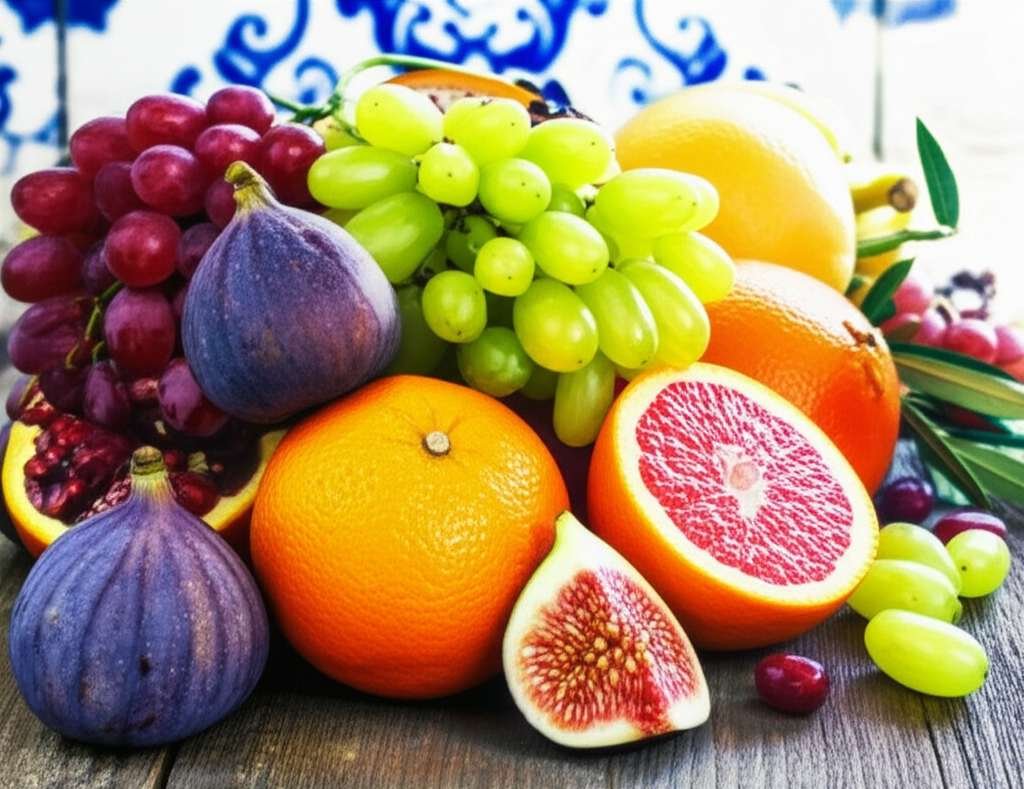
The best fruits on the Mediterranean diet are those that are in season, whole, and packed with fiber and antioxidants. Think berries, apples, pears, citrus fruits, and figs. These delicious options support heart health, weight management, and overall well-being, fitting perfectly into this healthy eating pattern.
Feeling a bit lost when it comes to choosing fruits for your Mediterranean diet? You’re not alone! It can feel overwhelming with so many choices, and you want to make sure you’re picking the best ones to help you feel great and reach your health goals.
The good news is that the Mediterranean way of eating is all about enjoying delicious, wholesome foods. It’s a journey, not a race, and we’re here to make it simple and enjoyable for you.
This guide will break down exactly which fruits shine on the Mediterranean diet and why they’re so essential. Let’s dive in and discover your new favorite healthy snacks!
Why Fruits Are a Star on the Mediterranean Diet
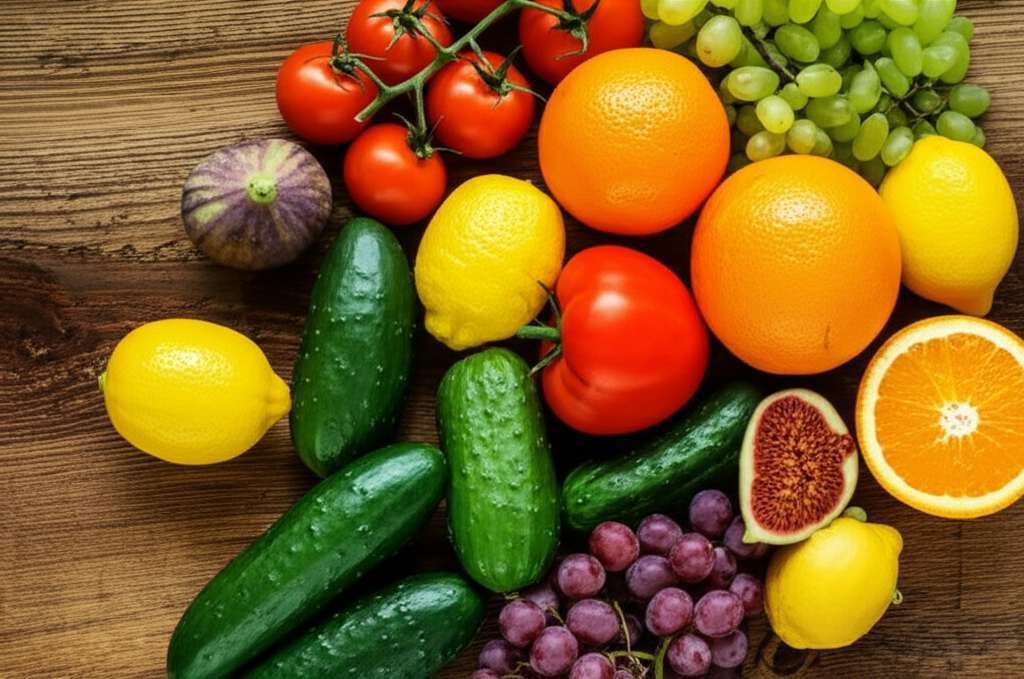
The Mediterranean diet is celebrated worldwide for its incredible health benefits, and fruits play a starring role. They aren’t just sweet treats; they’re nutritional powerhouses that contribute to everything from a healthy heart to better digestion.
Think of fruits as nature’s candy, but with a secret ingredient: amazing health perks! They are naturally low in calories and fat, yet bursting with vitamins, minerals, and fiber. This makes them perfect for anyone looking to manage their weight or simply boost their overall health.
The emphasis is on whole, unprocessed foods, and fruits fit this perfectly. They provide essential nutrients that work together to keep your body functioning at its best. We’ll explore which ones are particularly fantastic.
The Mediterranean Diet: A Quick Refresher
Before we zoom in on fruits, let’s quickly remember what the Mediterranean diet is all about. It’s inspired by the traditional eating habits of people from countries bordering the Mediterranean Sea, like Greece, Italy, and Spain.
This diet is rich in vegetables, fruits, whole grains, legumes, nuts, and seeds. Olive oil is the primary source of added fat, and fish is eaten regularly. Dairy and poultry are consumed in moderation, while red meat and sweets are enjoyed less often.
The focus is on fresh, seasonal ingredients and enjoying meals with others. It’s less about strict rules and more about a lifestyle that promotes longevity and well-being. Now, let’s see how fruits fit into this delicious picture.
What Makes a Fruit “Mediterranean Diet Friendly”?
When we talk about the “best” fruits for the Mediterranean diet, we’re looking for a few key qualities. These aren’t complicated rules, just simple guidelines to help you make the most nutritious choices.
The core idea is to choose fruits that are:
- Whole and Unprocessed: This means eating the fruit as nature intended, not in juices, sugary syrups, or processed snacks.
- In Season: Fruits that are in season are typically more flavorful, nutrient-dense, and affordable.
- Rich in Fiber: Fiber is crucial for digestion, helps you feel full, and can aid in weight management.
- Packed with Antioxidants: Antioxidants protect your cells from damage and are linked to many health benefits.
- Versatile: Fruits that can be enjoyed in many ways – fresh, in salads, or as simple snacks.
By keeping these points in mind, you can confidently pick out the fruits that will best support your Mediterranean eating journey. Let’s explore some top contenders!
The Top Fruits for Your Mediterranean Diet
Now for the fun part! Here are some of the absolute best fruits to include in your Mediterranean diet, celebrated for their taste, health benefits, and versatility.
1. Berries (Strawberries, Blueberries, Raspberries, Blackberries)
Berries are tiny powerhouses of nutrition and antioxidants, making them a top choice for the Mediterranean diet. They are incredibly versatile and add a burst of flavor and color to any meal.
These fruits are loaded with vitamins, especially Vitamin C, and are particularly rich in anthocyanins, which give them their vibrant colors and potent antioxidant properties. Studies suggest that regular berry consumption can support brain health and reduce inflammation.
Why they’re great:
- High in antioxidants (like anthocyanins).
- Excellent source of fiber.
- Low in calories and natural sugars.
- Versatile: perfect in yogurt, oatmeal, smoothies, or on their own.
2. Citrus Fruits (Oranges, Grapefruits, Lemons, Limes)
Hailing from the Mediterranean region, citrus fruits are a staple. They are famous for their high Vitamin C content, which is vital for immune function and skin health.
Beyond Vitamin C, citrus fruits offer flavonoids, another type of antioxidant that may help protect against chronic diseases. The fiber in whole citrus fruits is also beneficial for digestion and blood sugar control.
Why they’re great:
- Extremely high in Vitamin C.
- Contain beneficial flavonoids and antioxidants.
- Good source of fiber when eaten whole.
- Refreshing and hydrating.
- Lemons and limes are great for flavoring water and dishes.
3. Apples
An apple a day might just keep the doctor away, especially on the Mediterranean diet! Apples are readily available, affordable, and incredibly good for you. They are a fantastic source of soluble fiber, particularly pectin.
Pectin acts as a prebiotic, feeding the beneficial bacteria in your gut, which is crucial for overall health. Apples also contain antioxidants like quercetin, which has anti-inflammatory properties.
Why they’re great:
- Rich in pectin, a type of soluble fiber.
- Contain antioxidants like quercetin.
- Support digestive health.
- Convenient and portable snack.
- Delicious baked or added to salads.
4. Pears
Similar to apples, pears are another wonderful choice. They are packed with fiber, vitamins, and minerals, offering a slightly different texture and sweetness.
Pears are particularly rich in dietary fiber, which aids in digestion and helps you feel satisfied longer. They also provide Vitamin C and Vitamin K, along with beneficial antioxidants.
Why they’re great:
- High in dietary fiber, supporting satiety and digestion.
- Good source of Vitamin C and K.
- Contain beneficial antioxidants.
- Sweet and satisfying, great as a snack or dessert.
5. Figs
Figs are a true taste of the Mediterranean! Both fresh and dried figs are used extensively in Mediterranean cuisine and offer a unique sweet flavor and chewy texture.
They are a good source of fiber, potassium, and calcium. Figs also contain antioxidants and can help with digestion due to their natural laxative properties. Just be mindful of the sugar content, especially with dried figs.
Why they’re great:
- Rich in fiber and minerals like potassium and calcium.
- Contain antioxidants.
- Sweet flavor makes them a healthy dessert alternative.
- Versatile in salads, with cheese, or on their own.
6. Grapes
Grapes are small but mighty! They are a good source of vitamins K and C, and they contain powerful antioxidants, including resveratrol, which is often highlighted for its potential heart health benefits.
Enjoying grapes in moderation is a delicious way to boost your intake of these beneficial compounds. They are refreshing and naturally sweet, making them a great snack option.
Why they’re great:
- Contain antioxidants like resveratrol.
- Good source of vitamins K and C.
- Naturally sweet and refreshing.
- Easy to eat on the go.
7. Pomegranates
Pomegranates are visually stunning and packed with health benefits. Their jewel-like seeds, called arils, are rich in antioxidants, particularly punicalagins and anthocyanins, which are known for their anti-inflammatory effects.
Studies have explored the potential of pomegranate extract in supporting heart health and reducing oxidative stress. The arils add a delightful crunch and tartness to salads, yogurt, and grain bowls.
Why they’re great:
- Extremely high in potent antioxidants.
- May offer anti-inflammatory benefits.
- Adds a unique texture and flavor to dishes.
- Rich in Vitamin C and Vitamin K.
Fruits to Enjoy in Moderation
While most fruits are fantastic, some are best enjoyed in moderation due to their higher sugar content or lower fiber density when processed.
The Mediterranean diet encourages balance, so even fruits with higher natural sugars can be part of a healthy eating pattern when consumed thoughtfully.
1. Dried Fruits (Raisins, Dates, Prunes)
Dried fruits are essentially fresh fruits with the water removed, concentrating their natural sugars and calories. While they still offer fiber and nutrients, it’s easy to overeat them.
For example, a small handful of raisins contains the sugar of several grapes. Dates are a natural sweetener but are calorie-dense. Prunes are excellent for digestion but should also be consumed in smaller portions.
Tips for moderation:
- Stick to a small portion (about 1/4 cup).
- Use them as a natural sweetener in oatmeal or baked goods.
- Pair them with a source of protein or healthy fat (like nuts) to slow sugar absorption.
2. Fruit Juices
While 100% fruit juice contains some vitamins, it lacks the fiber found in whole fruit. This means the sugars in juice are absorbed much more quickly, which can lead to blood sugar spikes.
The Mediterranean diet emphasizes whole foods, so it’s generally recommended to opt for the whole fruit over juice whenever possible. If you do choose juice, select 100% fruit juice with no added sugars and drink it in small quantities.
Why whole fruit is better:
- Contains fiber, which aids digestion and satiety.
- Slows sugar absorption, leading to more stable blood sugar levels.
- You feel fuller after eating whole fruit, reducing the risk of overconsumption.
How to Incorporate More Fruit Into Your Mediterranean Diet
Adding more delicious fruits to your daily meals is easier than you think! The key is to make them accessible and enjoyable.
Here are some simple, practical ways to boost your fruit intake:
Breakfast Boost
Start your day with a fruity punch. Add fresh berries to your morning oatmeal or Greek yogurt. Slice a banana or apple on top of whole-wheat toast with a smear of almond butter.
Smart Snacking
Swap processed snacks for a piece of whole fruit. An apple, pear, or a small bunch of grapes makes a perfect portable snack. Keep a bowl of fruit visible on your counter to remind you to grab one.
Lunchtime Additions
Toss some berries or sliced peaches into your salad for a touch of sweetness. A small orange or grapefruit can be a refreshing side to your midday meal.
Dessert Delights
Instead of sugary treats, opt for a bowl of fresh fruit. Berries with a dollop of Greek yogurt or a small portion of figs can satisfy your sweet cravings healthily.
Smoothie Power
Blend your favorite fruits (like berries, banana, or orange segments) with unsweetened almond milk or water for a quick and nutritious smoothie. You can also add a handful of spinach – you won’t even taste it!
Seasonal Eating: The Mediterranean Way
The Mediterranean diet naturally encourages eating seasonally. This means enjoying fruits when they are at their peak ripeness, flavor, and nutritional value.
When fruits are in season, they are typically more abundant and less expensive. Plus, they often taste much better! This approach also connects you more closely with nature’s rhythms.
Benefits of Seasonal Fruit Consumption:
- Peak Nutrition: Fruits harvested and eaten at their natural ripeness tend to have higher levels of vitamins, minerals, and antioxidants.
- Better Flavor: Seasonal produce simply tastes better!
- Cost-Effective: When produce is in season, it’s usually more plentiful and therefore cheaper.
- Environmental Friendliness: Eating seasonally often means less transportation and storage, reducing your carbon footprint.
To find out what’s in season in your area, you can often check with local farmers’ markets or search online resources. For example, the Seasonal Food Guide provides excellent information for various regions.
Nutritional Comparison: A Quick Look
Understanding the nutritional differences can help you make informed choices. Here’s a simple comparison of some popular Mediterranean diet fruits:
| Fruit | Serving Size (approx.) | Calories | Fiber (g) | Vitamin C (mg) | Key Antioxidants |
|---|---|---|---|---|---|
| Blueberries | 1 cup | 85 | 3.6 | 14.4 | Anthocyanins |
| Oranges | 1 medium | 62 | 3.1 | 70 | Flavonoids, Vitamin C |
| Apple (with skin) | 1 medium | 95 | 4.4 | 8.4 | Quercetin, Fiber (Pectin) |
| Pear (with skin) | 1 medium | 101 | 5.5 | 7.1 | Antioxidants, Fiber |
| Fresh Figs | 2 medium | 60 | 2.5 | 1.7 | Minerals, Fiber |
| Grapes | 1 cup | 104 | 1.4 | 4.8 | Resveratrol, Vitamin C |
| Pomegranate Arils | 1/2 cup | 71 | 3.5 | 8.9 | Punicalagins, Anthocyanins |
| Dates (Medjool) | 2 medium | 134 | 1.6 | 0.4 | Minerals, Fiber |
Note: Nutritional values can vary based on size, variety, and preparation. This table provides general estimates. Data sourced from the USDA FoodData Central.
As you can see, berries, apples, and pears often lead in fiber content, while citrus fruits are Vitamin C champions. Pomegranates and berries stand out for their potent antioxidant profiles. Dates offer a good energy boost but are higher in calories and sugar.
Frequently Asked Questions (FAQ)
Q1: Can I eat any fruit on the Mediterranean diet?
Yes! The Mediterranean diet encourages a wide variety of fruits. The focus is on whole, fresh, and ideally seasonal fruits. While all fruits can fit, some are particularly beneficial due to their nutrient density and fiber content.
Q2: What about dried fruit? Is it okay?
Dried fruit can be part of the Mediterranean diet, but it should be enjoyed in moderation. Because the water is removed, the natural sugars and calories are concentrated. A small handful is usually sufficient. It’s best to choose unsweetened varieties.
Q3: Is fruit juice allowed on the Mediterranean diet?
Whole fruit is always preferred over fruit juice. Juice lacks the fiber found in whole fruit, meaning sugars are absorbed more quickly. If you drink juice, opt for 100% fruit juice with no added sugars and consume it in small quantities.
Q4: Which fruits are highest in fiber for better digestion?
Berries (raspberries, blackberries, blueberries), apples, and pears are excellent sources of fiber. These fruits help with digestion, keep you feeling full, and contribute to a healthy gut microbiome.
Q5: Are there any fruits I should avoid entirely?
No, the Mediterranean diet generally doesn’t require avoiding any specific fruits entirely. It’s more about moderation and choosing whole fruits over processed forms like sugary fruit snacks or canned fruits in syrup.
Q6: How many servings of fruit should I aim for daily?
A common recommendation is to aim for at least 2-3 servings of fruit per day. This can be adjusted based on your individual needs and activity level. A serving is typically about one medium-sized fruit, half a cup of berries, or a quarter cup of dried fruit.
Q7: Can I eat tropical fruits like mangoes or pineapples on the Mediterranean diet?
Absolutely! While they might not be traditional to the Mediterranean region, tropical fruits can certainly fit into a Mediterranean eating pattern. They offer a great range of vitamins, minerals, and antioxidants. Enjoy them as part of your balanced intake of various fruits.
Conclusion: Embrace the Sweetness of Healthy Choices
You’ve learned that the Mediterranean diet truly celebrates the natural goodness of fruits. The “best” fruits are those that are whole, in season, and packed with fiber and beneficial antioxidants.
From the vibrant berries and refreshing citrus to the humble apple and pear, each fruit offers unique benefits that support your health and well-being. Don’t forget the sweet figs and juicy grapes that add a touch of Mediterranean charm.
Remember to enjoy these fruits as part of a balanced diet, focusing on whole foods and mindful eating. Incorporating them into your breakfast, snacks, lunches, and even desserts is simple and incredibly rewarding.
By embracing seasonal eating and making thoughtful choices, you’ll not only nourish your body but also savor the delicious, wholesome flavors that the Mediterranean way of eating has to offer. Keep exploring, keep enjoying, and feel great every step of the way!
As an Amazon Associate, We earn from qualifying purchases. When you purchase a product through Amazon links on pulsefitguide.com, we may earn a small commission at no extra cost to you. This helps support the site and keep our content free.
