



Mediterranean diet meals are simple, delicious, and packed with nutrients to support your health goals. Focus on fresh produce, healthy fats, and lean proteins for satisfying and easy-to-prepare dishes. This guide breaks down how to build effortless meals that are essential for a balanced lifestyle.
Starting a new diet can feel overwhelming, especially when you’re trying to figure out what to eat. You might wonder if healthy eating has to be complicated or expensive. Many people find it hard to stick to diets because the food feels restrictive or the preparation takes too much time.

But what if I told you that eating well could be both easy and incredibly tasty? The Mediterranean diet is a fantastic way to enjoy delicious food while boosting your health. It’s not about strict rules, but rather a way of eating that’s rich in flavor and good for you.
We’ll explore how to create Mediterranean diet meals that fit into your busy life. Get ready to discover simple strategies and mouthwatering ideas that make healthy eating effortless and essential.
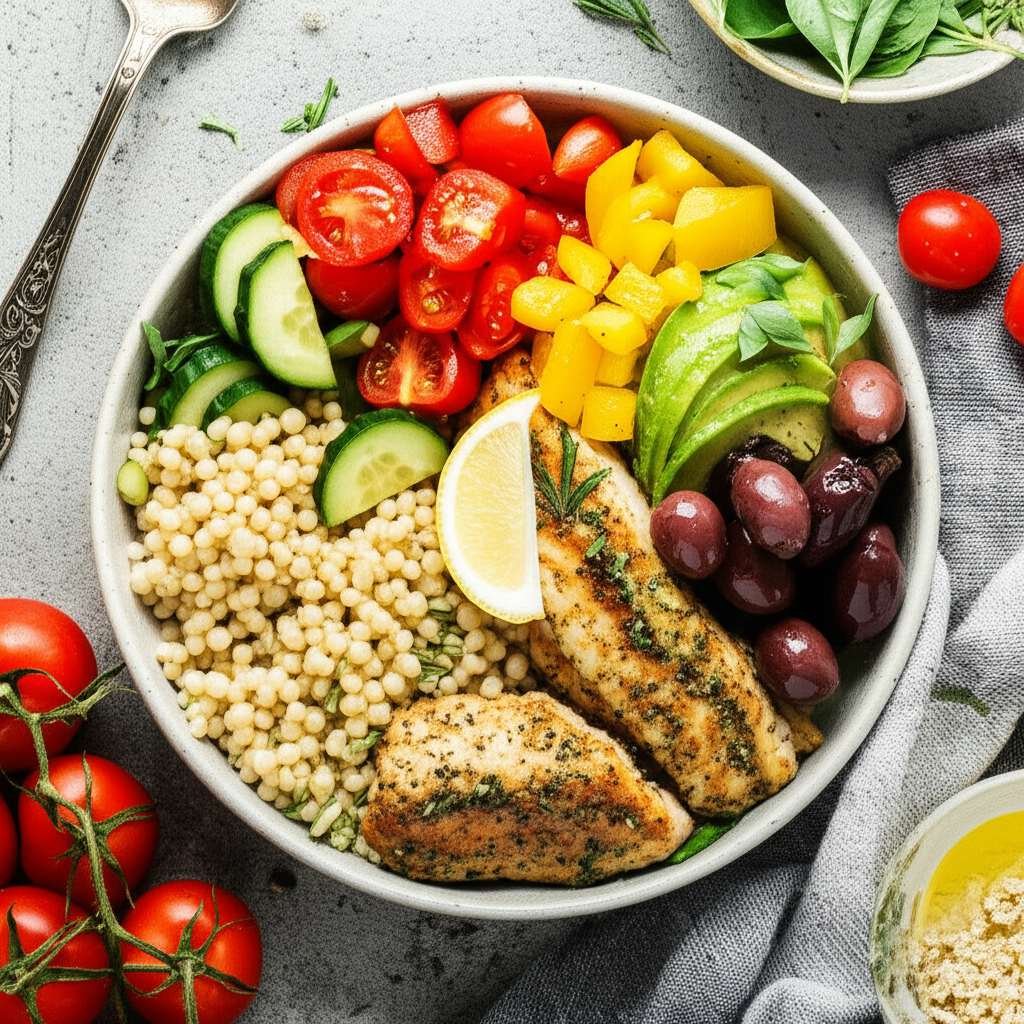
What is the Mediterranean Diet?
The Mediterranean diet is inspired by the traditional eating patterns of people from countries bordering the Mediterranean Sea, like Greece, Italy, and Spain. It’s not a rigid diet plan but more of a lifestyle that emphasizes whole, minimally processed foods.
Think of it as a celebration of fresh, seasonal ingredients. This way of eating has been linked to numerous health benefits, including a lower risk of heart disease, stroke, and type 2 diabetes. It’s also associated with better brain health and longevity.
Why Mediterranean Diet Meals Are Effortless and Essential
The beauty of Mediterranean diet meals lies in their simplicity and reliance on readily available, fresh ingredients. They are effortless because they often involve simple cooking methods like grilling, baking, and sautéing, rather than complex techniques.
These meals are essential because they provide a wide range of nutrients that are vital for overall well-being. The focus on healthy fats, fiber, and antioxidants helps your body function optimally and can support weight management efforts.
Key Components of Mediterranean Diet Meals
- Abundant Fruits and Vegetables: These are the stars of the show, providing vitamins, minerals, fiber, and antioxidants. Aim for a variety of colors to get a broad spectrum of nutrients.
- Whole Grains: Choose sources like whole wheat bread, pasta, brown rice, oats, and barley. They offer sustained energy and fiber, which aids digestion and keeps you feeling full.
- Healthy Fats: Extra virgin olive oil is the primary fat source. You’ll also find healthy fats in nuts, seeds, and fatty fish. These fats are crucial for heart health and nutrient absorption.
- Lean Proteins: Fish and seafood are encouraged at least twice a week. Poultry, eggs, beans, and lentils are also great protein sources. Red meat is eaten sparingly.
- Dairy in Moderation: Yogurt and cheese are typically consumed in moderate amounts, often as part of meals or snacks.
- Herbs and Spices: These are used generously to flavor food instead of salt, adding both taste and health benefits.
- Legumes: Beans, lentils, and chickpeas are staples, providing protein and fiber.
Building Your Effortless Mediterranean Diet Meal Plan
Creating a Mediterranean diet meal plan doesn’t have to be complicated. The focus is on incorporating the key components into your daily eating habits. We’ll break down how to do this for breakfast, lunch, and dinner.
Breakfast: Starting Your Day the Mediterranean Way
Mediterranean breakfasts are often light yet satisfying. They focus on whole foods that provide energy without a heavy feeling.
- Greek Yogurt with Berries and Nuts: A simple and quick option. Plain Greek yogurt is rich in protein. Top with fresh berries for antioxidants and a handful of almonds or walnuts for healthy fats and crunch.
- Whole-Wheat Toast with Avocado and Egg: Mash half an avocado onto a slice of whole-wheat toast. Top with a poached or boiled egg for protein. A sprinkle of red pepper flakes adds a nice kick.
- Oatmeal with Fruit and Seeds: Cook plain oats with water or unsweetened plant-based milk. Stir in some chopped apple or pear, and top with chia seeds or flaxseeds for added fiber and omega-3s.
- Smoothie with Spinach, Fruit, and Yogurt: Blend spinach, your favorite fruit (like banana or mango), plain Greek yogurt, and a splash of unsweetened almond milk. This is a nutrient-dense and portable option.
Lunch: Quick, Fresh, and Filling Options
Lunchtime is often when we’re on the go, so effortless meals are key. The Mediterranean diet offers plenty of delicious and easy-to-prepare lunch ideas.
- Lentil Salad: Cooked lentils mixed with chopped cucumber, tomatoes, red onion, parsley, and a lemon-olive oil dressing. This is a hearty, protein-packed salad that can be made ahead.
- Tuna Salad (Mediterranean Style): Mix canned tuna (in water or olive oil) with chopped celery, red onion, capers, a little Greek yogurt or olive oil, and lemon juice. Serve on whole-wheat crackers or in lettuce cups.
- Chickpea and Veggie Wrap: Mash chickpeas with a fork, mix with chopped bell peppers, cucumber, and a tahini-based dressing. Spoon into a whole-wheat tortilla and wrap it up.
- Leftovers from Dinner: One of the easiest ways to have an effortless lunch is to simply enjoy the delicious Mediterranean meal you prepared the night before.
Dinner: Flavorful Feasts Made Simple
Dinner is a great opportunity to enjoy more substantial, yet still simple, Mediterranean-inspired dishes. These meals focus on fresh ingredients and straightforward preparation.
- Baked Salmon with Roasted Vegetables: Place salmon fillets on a baking sheet with chopped broccoli, bell peppers, and zucchini. Drizzle with olive oil, lemon juice, and herbs (like dill or oregano). Bake until salmon is cooked through and vegetables are tender. This is a complete meal in one pan!
- Chicken Breast with Quinoa and Steamed Greens: Grill or bake a seasoned chicken breast. Serve with a side of fluffy quinoa and steamed spinach or kale, drizzled with a little olive oil and lemon.
- Shrimp Scampi with Whole Wheat Pasta: Sauté shrimp with garlic, olive oil, white wine, and lemon juice. Toss with whole wheat pasta and fresh parsley. This is a quick and elegant meal.
- Vegetarian Stuffed Bell Peppers: Halve bell peppers and remove seeds. Fill with a mixture of cooked brown rice, black beans, corn, diced tomatoes, and spices. Bake until peppers are tender.
Essential Mediterranean Diet Staples to Keep on Hand
Having a well-stocked pantry and fridge makes preparing Mediterranean diet meals much easier. These are the go-to ingredients that will form the foundation of your meals.
Pantry Essentials:
- Extra Virgin Olive Oil
- Canned Beans (chickpeas, cannellini, black beans)
- Canned Lentils
- Whole Wheat Pasta
- Brown Rice, Quinoa, Barley
- Oats
- Nuts (almonds, walnuts) and Seeds (chia, flax, sunflower)
- Herbs and Spices (oregano, basil, rosemary, thyme, paprika, cumin)
- Garlic and Onions
- Lemons
- Canned Tomatoes (diced, crushed)
- Whole-wheat crackers or bread
Refrigerator/Freezer Essentials:
- Fresh Fruits (berries, apples, citrus)
- Fresh Vegetables (leafy greens, tomatoes, cucumbers, bell peppers, broccoli, zucchini)
- Plain Greek Yogurt
- Eggs
- Cheese (feta, mozzarella, parmesan – in moderation)
- Fresh Herbs (parsley, cilantro, basil)
- Frozen Fish (salmon, cod) and Shrimp
- Frozen Vegetables (peas, corn, spinach)
Simple Cooking Techniques for Mediterranean Meals
The Mediterranean approach to cooking is all about highlighting the natural flavors of fresh ingredients. This means using simple techniques that are quick and don’t require advanced culinary skills.
- Roasting: Toss vegetables like broccoli, bell peppers, zucchini, and sweet potatoes with olive oil, herbs, and spices. Spread on a baking sheet and roast at around 400°F (200°C) until tender and slightly caramelized. This intensifies their flavor.
- Grilling: Perfect for lean proteins like chicken, fish, and vegetables. A little olive oil, lemon juice, and herbs are all you need for a flavorful result.
- Sautéing: Quickly cook ingredients in a pan with a bit of olive oil. This is great for garlic, onions, leafy greens, and shrimp.
- Steaming: A healthy way to cook vegetables like broccoli, asparagus, and green beans, preserving their nutrients and crisp texture.
- One-Pan Meals: As seen with the baked salmon and roasted vegetables, combining everything on one pan simplifies cooking and cleanup.
Mediterranean Diet Meal Examples: A Visual Guide
To make it even clearer, let’s look at a few more meal ideas and how they fit the Mediterranean pattern.
| Meal Type | Example Dish | Key Mediterranean Components | Effort Level |
|---|---|---|---|
| Breakfast | Scrambled eggs with spinach and feta, whole-wheat toast | Eggs (protein), Spinach (vegetable), Feta (dairy/fat), Whole-wheat toast (whole grain), Olive oil (healthy fat) | Easy |
| Lunch | Greek salad with grilled chicken or chickpeas | Tomatoes, cucumbers, olives, bell peppers (vegetables), Chickpeas or chicken (protein), Feta (dairy/fat), Olive oil vinaigrette (healthy fat) | Easy (if chicken is pre-cooked or using chickpeas) |
| Dinner | Baked cod with lemon and herbs, roasted sweet potatoes, and green beans | Cod (lean protein), Lemon and herbs (flavor), Sweet potatoes (vegetable/complex carb), Green beans (vegetable), Olive oil (healthy fat) | Medium (mostly hands-off cooking time) |
| Snack | Apple slices with almond butter | Apple (fruit), Almond butter (healthy fat/protein) | Very Easy |
Understanding Portions and Balance
While the Mediterranean diet is flexible, understanding portion sizes and balance is still important, especially if you have specific health or weight management goals. The focus is on nutrient density.
Think of your plate: half should be filled with non-starchy vegetables. A quarter can be lean protein, and the remaining quarter can be whole grains or starchy vegetables. Healthy fats, like olive oil, should be used in moderation as a flavorful addition.
For instance, a serving of fish might be about the size of your palm. A serving of whole grains like quinoa or brown rice is typically about half a cup cooked. Vegetables can be more generous.
The American Heart Association provides excellent guidance on incorporating heart-healthy eating patterns, which aligns well with Mediterranean principles.
Mediterranean Diet and Weight Management
Many people turn to the Mediterranean diet for weight management, and for good reason. It’s a sustainable approach because it doesn’t feel like a restrictive diet. Instead, it focuses on foods that are satisfying and nutritious.
The high fiber content from fruits, vegetables, and whole grains helps you feel fuller for longer, reducing the urge to overeat. Healthy fats also contribute to satiety and help regulate appetite.
By prioritizing whole, unprocessed foods and limiting refined sugars and unhealthy fats, you naturally consume fewer calories while getting more nutrients. This makes it easier to create a calorie deficit for weight loss without feeling deprived.
Remember, consistent healthy eating, combined with regular physical activity, is the key to successful and lasting weight management. The Mediterranean diet provides a delicious framework for this.
Tips for Making Mediterranean Meals Even More Effortless
Here are some extra tips to streamline your Mediterranean meal preparation:
- Meal Prep: Dedicate a couple of hours on the weekend to wash and chop vegetables, cook a batch of grains (quinoa, brown rice), or bake some chicken breasts. This makes weeknight cooking a breeze.
- Keep it Simple: Don’t aim for gourmet every night. A simple grilled fish with a large salad is a perfectly balanced Mediterranean meal.
- Embrace Frozen: Frozen fruits and vegetables are just as nutritious as fresh ones and are often pre-chopped, saving you time.
- Utilize Canned Goods: Canned beans and lentils are pre-cooked and a fantastic source of plant-based protein and fiber. Just rinse them well.
- Invest in Quality Olive Oil: A good extra virgin olive oil elevates simple dishes with great flavor and health benefits.
- Don’t Forget Flavor: Stock up on fresh herbs, garlic, onions, and spices. They are your secret weapons for making healthy food taste amazing without relying on salt or unhealthy sauces.
Frequently Asked Questions About Mediterranean Diet Meals
Q1: Is the Mediterranean diet expensive?
Not necessarily. While some ingredients like fresh fish can be pricey, the diet emphasizes affordable staples like beans, lentils, whole grains, and seasonal vegetables. Buying in bulk and cooking at home can significantly reduce costs.
Q2: Do I have to eat fish on the Mediterranean diet?
Fish and seafood are encouraged at least twice a week for their omega-3 fatty acids. However, if you don’t eat fish, you can get omega-3s from sources like flaxseeds, chia seeds, walnuts, and fortified foods. You can also focus more on plant-based protein sources like beans and lentils.
Q3: Can I eat red meat on the Mediterranean diet?
Red meat is eaten only occasionally, perhaps a few times a month, and in smaller portions. The focus is on lean proteins like fish, poultry, and legumes.
Q4: What are the main differences between the Mediterranean diet and other diets?
Unlike many fad diets, the Mediterranean diet is not restrictive. It emphasizes a variety of nutrient-dense foods and a lifestyle that includes physical activity and social meals. It’s more of a sustainable eating pattern than a temporary diet.
Q5: How quickly can I see results on the Mediterranean diet?
Results vary depending on individual factors and adherence. Many people feel more energized and experience better digestion within a few weeks. For weight management, consistent adherence over months will yield more noticeable results, alongside other healthy lifestyle choices.
Q6: Are desserts allowed on the Mediterranean diet?
Desserts are typically fruit-based, like fresh fruit platters or baked apples with cinnamon. Sweets and pastries are consumed sparingly, perhaps for special occasions, rather than as a daily indulgence.
Conclusion
Embracing Mediterranean diet meals is an achievable and enjoyable path to better health. By focusing on fresh, whole foods like abundant vegetables, fruits, whole grains, legumes, and healthy fats from sources like olive oil and nuts, you can create delicious and satisfying meals without the fuss.
The simplicity of Mediterranean cooking techniques, such as roasting, grilling, and sautéing, makes it easy to integrate into even the busiest schedules. Stocking your pantry with essential staples and utilizing smart strategies like meal prepping will further streamline your journey.
Remember, the Mediterranean diet is more than just food; it’s a lifestyle that promotes well-being. It’s a sustainable, science-backed approach that supports everything from heart health to weight management, making it an essential choice for anyone looking to nourish their body with vibrant, flavorful food. Start small, enjoy the process, and savor the delicious benefits!
As an Amazon Associate, We earn from qualifying purchases. When you purchase a product through Amazon links on pulsefitguide.com, we may earn a small commission at no extra cost to you. This helps support the site and keep our content free.
