


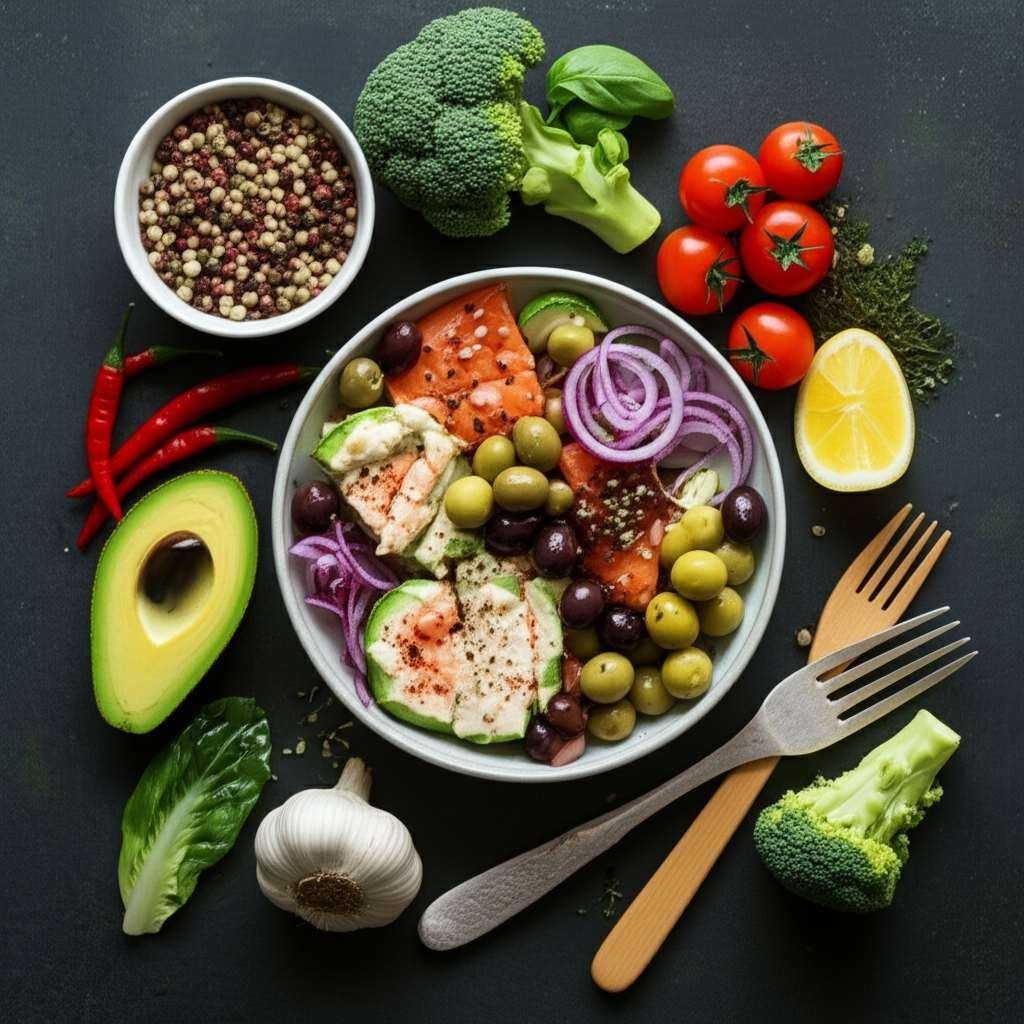
A Mediterranean diet cookbook is your practical roadmap to delicious, healthy eating. It simplifies the principles of this science-backed eating pattern, offering easy recipes and guidance for beginners to enjoy vibrant flavors while boosting well-being and supporting weight management.
Feeling a bit lost when it comes to healthy eating? You’re not alone! Many of us want to eat better and maybe shed a few pounds, but the sheer amount of information out there can be overwhelming. It’s easy to get confused about what’s truly good for you.

That’s where a good Mediterranean diet cookbook comes in. Think of it as your friendly guide, showing you exactly how to enjoy tasty meals that are also incredibly good for your body. It breaks down the “why” and the “how” into simple steps.
We’ll explore what makes this way of eating so special, how to get started without feeling stressed, and how a cookbook can be your secret weapon. Get ready to discover a delicious path to feeling your best!
What is the Mediterranean Diet, Anyway?
The Mediterranean diet isn’t a strict “diet” in the way many people think of it. Instead, it’s a pattern of eating inspired by the traditional foods and lifestyle of people living in countries bordering the Mediterranean Sea, like Greece, Italy, Spain, and parts of North Africa.
It focuses on whole, unprocessed foods. Think lots of fruits, vegetables, whole grains, legumes, nuts, and seeds. Olive oil is the primary source of healthy fats, and fish is enjoyed regularly. It’s less about counting calories and more about the quality of your food and enjoying meals with others.
Key Components of the Mediterranean Way of Eating:
Abundant Fruits and Vegetables: Aim for a colorful variety at every meal.
Whole Grains: Choose bread, pasta, and rice that are minimally processed.
Legumes: Beans, lentils, and peas are fantastic sources of protein and fiber.
Nuts and Seeds: Great for snacks or adding to meals for healthy fats and crunch.
Olive Oil: Extra virgin olive oil is the star for cooking and dressings.
Fish and Seafood: Enjoy these at least twice a week for omega-3 fatty acids.
Moderate Dairy: Yogurt and cheese are included, often in moderation.
Poultry and Eggs: Eaten in smaller amounts compared to fish.
Red Meat: Consumed sparingly, perhaps a few times a month.
Herbs and Spices: Used generously to flavor food instead of salt.
Why a Mediterranean Diet Cookbook is Your Best Friend for Beginners
Starting a new way of eating can feel like learning a new language. A cookbook acts as your translator and guide. It takes the general principles of the Mediterranean diet and turns them into actionable, easy-to-follow recipes and tips.
For beginners, it removes the guesswork. You don’t have to wonder “what’s for dinner?” or “how do I make this healthy?” The cookbook provides the answers, often with simple ingredient lists and clear instructions. This makes it much less intimidating to dive in.
Benefits of Using a Cookbook:
Simplified Recipes: Designed for ease of preparation, even if you’re new to cooking.
Meal Planning Made Easy: Often includes sample meal plans and shopping lists.
Ingredient Guidance: Helps you identify and source the right foods.
Flavor Exploration: Introduces you to new tastes and combinations.
Building Confidence: Successful cooking experiences lead to greater self-assurance in the kitchen.
Choosing the Right Mediterranean Diet Cookbook
Not all cookbooks are created equal, especially when you’re just starting out. You want one that speaks your language and fits your lifestyle. Look for a cookbook that prioritizes simplicity and accessibility.
Consider cookbooks that offer a good variety of recipes, from quick weeknight dinners to satisfying breakfasts and healthy snacks. Pictures can also be a huge help! Seeing what the finished dish should look like can be very motivating.
What to Look for in a Beginner-Friendly Cookbook:
Clear, Concise Instructions: Easy-to-follow steps with minimal jargon.
Commonly Available Ingredients: Recipes that don’t require obscure or expensive items.
Nutritional Information (Optional but helpful): Some cookbooks provide calorie counts or macronutrient breakdowns.
Tips for Success: Advice on shopping, meal prep, and common cooking techniques.
Variety: A good mix of breakfast, lunch, dinner, and snack options.
Beginner-Focused Chapters: Some books have dedicated sections on pantry stocking or basic cooking skills.
A great example of a resource that emphasizes healthy eating principles, which align well with the Mediterranean diet, is the NHS Inform guide to healthy eating. While not a cookbook itself, it outlines the foundational elements of a balanced diet that are central to the Mediterranean approach.
Getting Started: Your First Steps with a Cookbook
Once you have your chosen cookbook, it’s time to put it to use! Don’t feel like you need to change everything overnight. Start small and build momentum.
Your first step might be to simply read through the cookbook and highlight a few recipes that catch your eye. Then, plan one or two meals for the upcoming week using those recipes. This makes the transition feel manageable and less daunting.
A Simple 3-Step Kickstart Plan:
1.
Explore and Select: Flip through your cookbook. Pick 2-3 recipes that sound delicious and seem easy to make. Look for recipes that use ingredients you recognize or are excited to try.
2.
Grocery List Power: Based on your selected recipes, create a simple grocery list. Focus on getting the fresh produce, lean proteins, and whole grains needed. This helps you avoid impulse buys and stay on track.
3.
Cook and Enjoy: Choose a day to prepare your first meal. Follow the recipe closely, and don’t be afraid to ask for help if you need it. The most important part is to enjoy the process and the delicious food you create!
Essential Mediterranean Diet Pantry Staples
Stocking your pantry with the right ingredients is like setting yourself up for success. When you have healthy staples on hand, making a Mediterranean-inspired meal becomes quick and easy. You’ll find yourself reaching for these items again and again.
Think of these as your building blocks for countless delicious and healthy meals. They are versatile and can be used in many different dishes, making your cooking more efficient.
Your Mediterranean Pantry Checklist:
Olive Oil: Extra virgin is best for flavor and health benefits.
Whole Grains: Quinoa, brown rice, whole wheat pasta, oats, barley.
Legumes: Canned or dried chickpeas, lentils, cannellini beans, kidney beans.
Nuts and Seeds: Almonds, walnuts, sunflower seeds, chia seeds, flaxseeds.
Herbs and Spices: Oregano, basil, rosemary, thyme, garlic powder, onion powder, paprika, cumin.
Canned Goods: Diced tomatoes, tuna in olive oil, anchovies (optional, but great flavor).
Vinegars: Red wine vinegar, balsamic vinegar.
Other: Olives, capers, honey, Dijon mustard.
Sample Mediterranean Meal Ideas from Your Cookbook
Cookbooks are fantastic for inspiration! They provide concrete examples of how to put the Mediterranean diet principles into practice. Here are some simple meal ideas that you might find in a good cookbook, illustrating the variety and deliciousness of this eating pattern.
These are just starting points, and your cookbook will offer many more variations and details. The goal is to show you how balanced and satisfying Mediterranean meals can be.
Breakfast Inspiration:
Greek Yogurt Parfait: Plain Greek yogurt layered with fresh berries, a drizzle of honey, and a sprinkle of chopped walnuts or almonds.
Oatmeal with Fruit and Nuts: Rolled oats cooked with water or milk, topped with sliced banana, a handful of berries, and a spoonful of chia seeds.
Scrambled Eggs with Spinach and Feta: A quick and protein-rich start, seasoned with herbs and served with a slice of whole-wheat toast.
Lunch Ideas:
Lentil Soup: A hearty and filling soup made with lentils, vegetables (carrots, celery, onions), and seasoned with herbs like oregano and thyme.
Tuna Salad (Mediterranean Style): Tuna packed in olive oil, mixed with chopped red onion, celery, capers, and dressed with lemon juice and olive oil, served on whole-grain bread or with a salad.
Quinoa Salad with Chickpeas and Veggies: Cooked quinoa tossed with chickpeas, cucumber, tomatoes, bell peppers, parsley, and a lemon-olive oil dressing.
Dinner Delights:
Baked Salmon with Lemon and Herbs: Salmon fillets baked with lemon slices, fresh dill or parsley, and a drizzle of olive oil, served with roasted vegetables like broccoli or asparagus.
Chicken Breast with Mediterranean Vegetables: Grilled or baked chicken breast served with a medley of sautéed zucchini, bell peppers, onions, and cherry tomatoes, seasoned with garlic and herbs.
Whole Wheat Pasta with Marinara and White Beans: Whole wheat pasta tossed with a simple marinara sauce, cannellini beans for extra protein, and a sprinkle of fresh basil.
Understanding the Science: Why the Mediterranean Diet Works
The Mediterranean diet isn’t just popular because it tastes good; it’s backed by solid science. Research has consistently shown its benefits for heart health, brain function, and even weight management. It’s a holistic approach that nourishes your body from the inside out.
The magic lies in the synergy of its components. The emphasis on healthy fats, fiber, and antioxidants works together to create a powerful positive impact on your overall health.
Key Health Benefits Supported by Research:
Heart Health: Studies suggest it can help lower the risk of heart disease and stroke. The healthy fats from olive oil and fish, along with fiber, play a big role.
Weight Management: While not a low-calorie diet, its focus on whole, filling foods can help you feel satisfied, naturally leading to better portion control and sustainable weight loss.
Blood Sugar Control: The high fiber content from fruits, vegetables, and whole grains helps to stabilize blood sugar levels, which is beneficial for preventing and managing type 2 diabetes.
Brain Health: Some research indicates that adherence to a Mediterranean diet may be associated with a lower risk of cognitive decline and dementia.
Reduced Inflammation: The abundance of antioxidants and healthy fats in the diet can help combat chronic inflammation in the body.
You can find more in-depth information on the health benefits of dietary patterns from reputable sources like the National Institutes of Health (NIH), which often publishes research summaries and findings related to diet and health.
Making it Work for Your Budget
A common concern, especially for students and young adults, is that healthy eating is expensive. While some specialty ingredients can add up, the Mediterranean diet can absolutely be budget-friendly. The key is to focus on its core, affordable components.
Prioritizing dried or canned legumes, seasonal produce, whole grains like oats and rice, and frozen vegetables are fantastic ways to keep costs down. Shopping smart and planning ahead makes a big difference.
Budget-Friendly Mediterranean Diet Shopping Tips:
Embrace Legumes: Dried beans and lentils are incredibly cheap and versatile sources of protein and fiber. Canned versions are also affordable and convenient.
Buy Seasonal Produce: Fruits and vegetables are often less expensive when they are in season.
Frozen is Your Friend: Frozen fruits and vegetables are just as nutritious as fresh ones and are often cheaper, especially out of season.
Whole Grains in Bulk: Buying items like rice, oats, and barley in larger quantities can save money over time.
Smart Protein Choices: Opt for more fish like sardines or mackerel, which are less expensive than salmon, and include chicken or eggs more often than red meat.
Limit Processed Foods: These often cost more and offer less nutritional value.
Cook from Scratch: Making your own sauces, dressings, and meals is usually much cheaper than buying pre-made versions.
Tips for Success with Your Mediterranean Diet Cookbook
Having a cookbook is a great start, but making the Mediterranean diet a sustainable part of your life takes a little more. Think of these tips as your coach’s advice to help you stay on track and enjoy the journey.
Small habits and a positive mindset can make all the difference. Don’t aim for perfection; aim for progress and consistency.
Your Success Toolkit:
Start Simple: Don’t try to overhaul your entire diet in one day. Begin with one meal or a few recipes per week.
Meal Prep is Key: Dedicate some time each week to chop veggies, cook grains, or prepare a batch of soup. This makes healthy eating much faster during busy weekdays.
Be Flexible: If a recipe calls for an ingredient you don’t have, see if you can substitute it with something similar. The Mediterranean diet is about flexibility!
Hydration Matters: Drink plenty of water throughout the day. Herbal teas are also a great option.
Listen to Your Body: Pay attention to how different foods make you feel. This helps you learn what works best for you.
Don’t Forget the Lifestyle: The Mediterranean way of life also includes regular physical activity and enjoying meals with loved ones. Try to incorporate these aspects too!
Frequently Asked Questions (FAQ)
What are the main food groups in the Mediterranean diet?
The main food groups include plenty of fruits, vegetables, whole grains, legumes (beans, lentils), nuts, and seeds. Olive oil is the primary source of fat. Fish and poultry are eaten regularly, while red meat and sweets are consumed less often.
Is the Mediterranean diet good for weight loss?
Yes, it can be very effective for sustainable weight loss. It focuses on nutrient-dense, filling foods that help you feel satisfied, reducing the likelihood of overeating. It’s less about strict calorie counting and more about healthy habits.
Do I need to avoid all dairy and meat on the Mediterranean diet?
No, you don’t have to avoid them completely. The diet includes moderate amounts of dairy (like yogurt and cheese) and poultry. Red meat is eaten sparingly, perhaps a few times a month. It’s about balance and proportion.
What kind of oil should I use for cooking?
Extra virgin olive oil is the cornerstone of the Mediterranean diet for its flavor and health benefits. It’s great for dressings and low to medium-heat cooking. For higher heat, a regular or light olive oil can be used.
Are snacks allowed on the Mediterranean diet?
Absolutely! Healthy snacks are encouraged. Think a handful of nuts, a piece of fruit, some Greek yogurt, or vegetable sticks with hummus. These provide sustained energy and nutrients between meals.
How can I make the Mediterranean diet affordable?
Focus on budget-friendly staples like dried beans, lentils, whole grains (oats, rice), seasonal produce, and frozen vegetables. Buy fish like sardines or mackerel. Cooking from scratch and planning meals are also great cost-saving strategies.
What if I don’t like certain Mediterranean foods?
The beauty of the Mediterranean diet is its flexibility! If you dislike olives or certain herbs, simply omit them or substitute with other healthy foods you enjoy. The core principles of eating whole, unprocessed foods remain the same.
Conclusion: Your Delicious Journey Awaits
Embarking on the Mediterranean diet is a journey towards better health and more enjoyable meals, and a good cookbook is your perfect travel companion. It demystifies the process, offering clear guidance and delicious recipes that are easy to make.
Remember, this is about adopting a sustainable, enjoyable way of eating that nourishes your body and soul. Start with small steps, celebrate your successes, and don’t be afraid to experiment in the kitchen.
By using your Mediterranean diet cookbook as a resource, you’re not just learning to cook; you’re learning to build healthier habits, discover vibrant flavors, and support your well-being for the long term. Your delicious and healthy adventure begins now!
As an Amazon Associate, We earn from qualifying purchases. When you purchase a product through Amazon links on pulsefitguide.com, we may earn a small commission at no extra cost to you. This helps support the site and keep our content free.
