


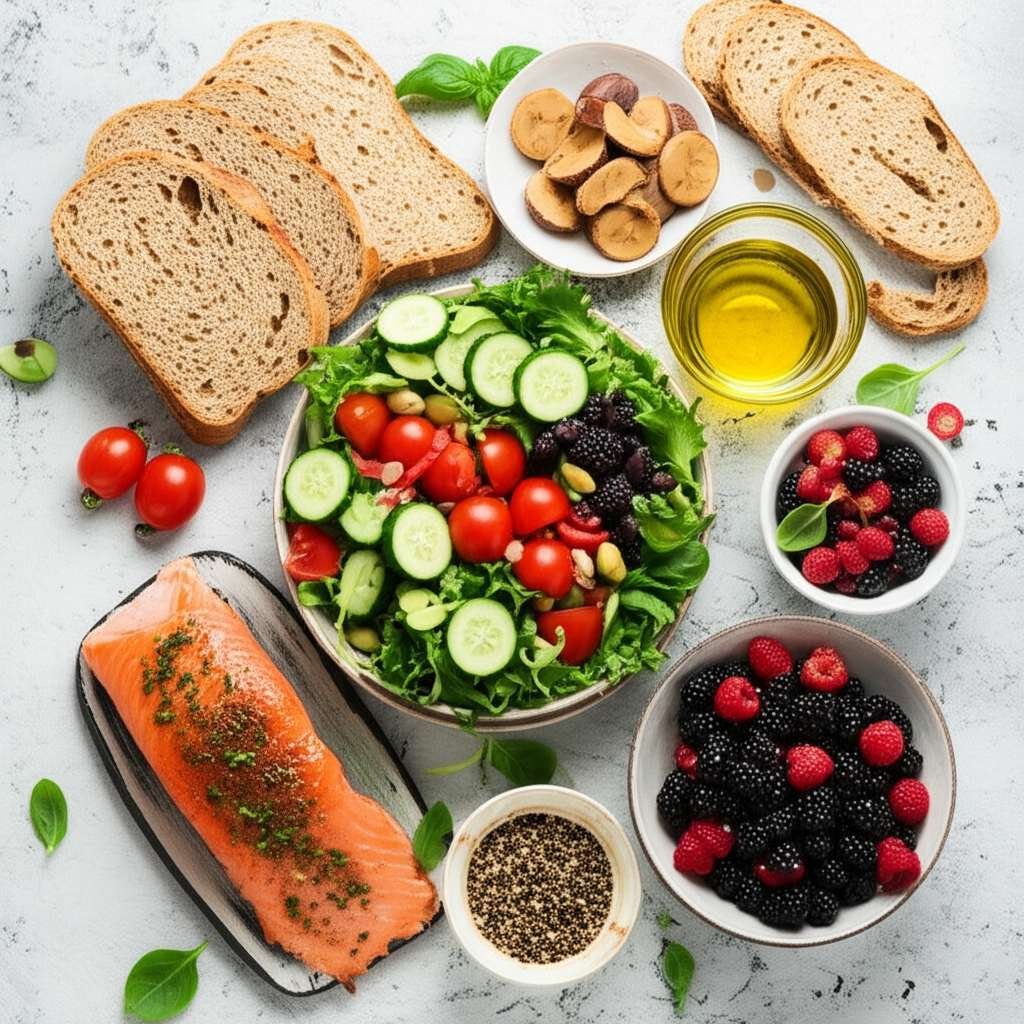
The Mediterranean diet for weight loss is a delicious, sustainable way to shed pounds by focusing on whole foods like fruits, vegetables, lean proteins, and healthy fats. It’s not about restriction, but about embracing flavorful, nutrient-rich meals that naturally support a healthy weight and overall well-being. This guide provides a simple, step-by-step approach for beginners to get started.
Feeling a bit lost when it comes to weight loss? You’re definitely not alone. It can feel like there’s so much conflicting advice out there, making it hard to know where to start. Some diets feel too strict, others too confusing, and it’s easy to get discouraged when you don’t see results quickly.
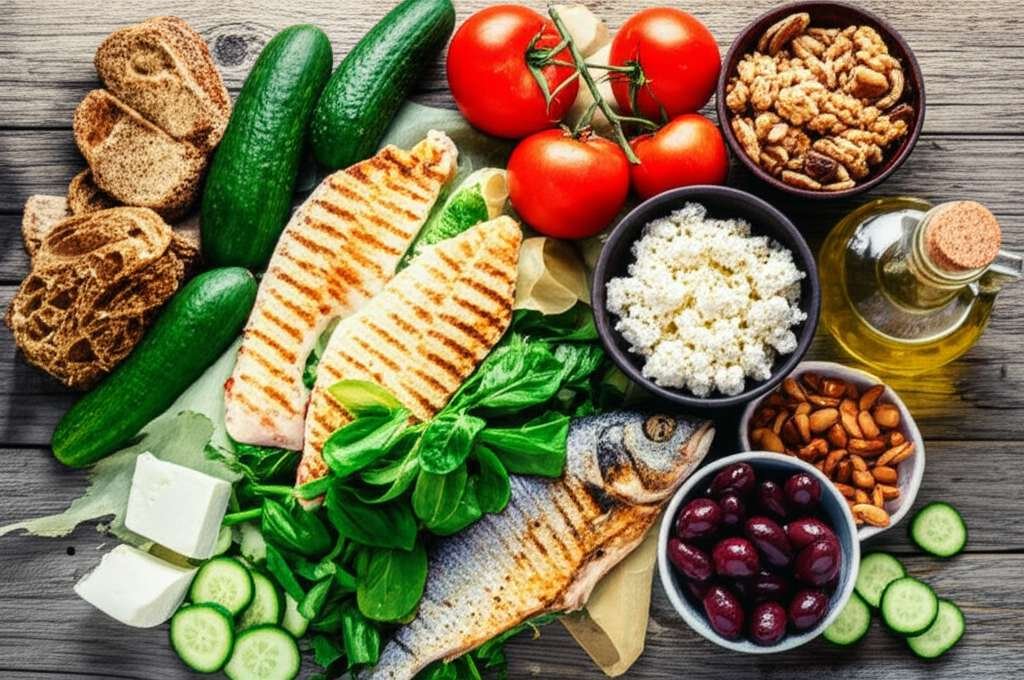
But what if weight loss could be simpler, more enjoyable, and incredibly good for you? The Mediterranean diet offers just that – a way of eating inspired by the traditional habits of people in countries bordering the Mediterranean Sea. It’s celebrated for its health benefits and its ability to help you reach and maintain a healthy weight without feeling deprived.
This guide is designed to break down the Mediterranean diet for weight loss into easy-to-understand steps. We’ll explore what makes it work, what to eat, and how to start incorporating it into your life, even on a budget. Get ready to discover a delicious path to a healthier you!
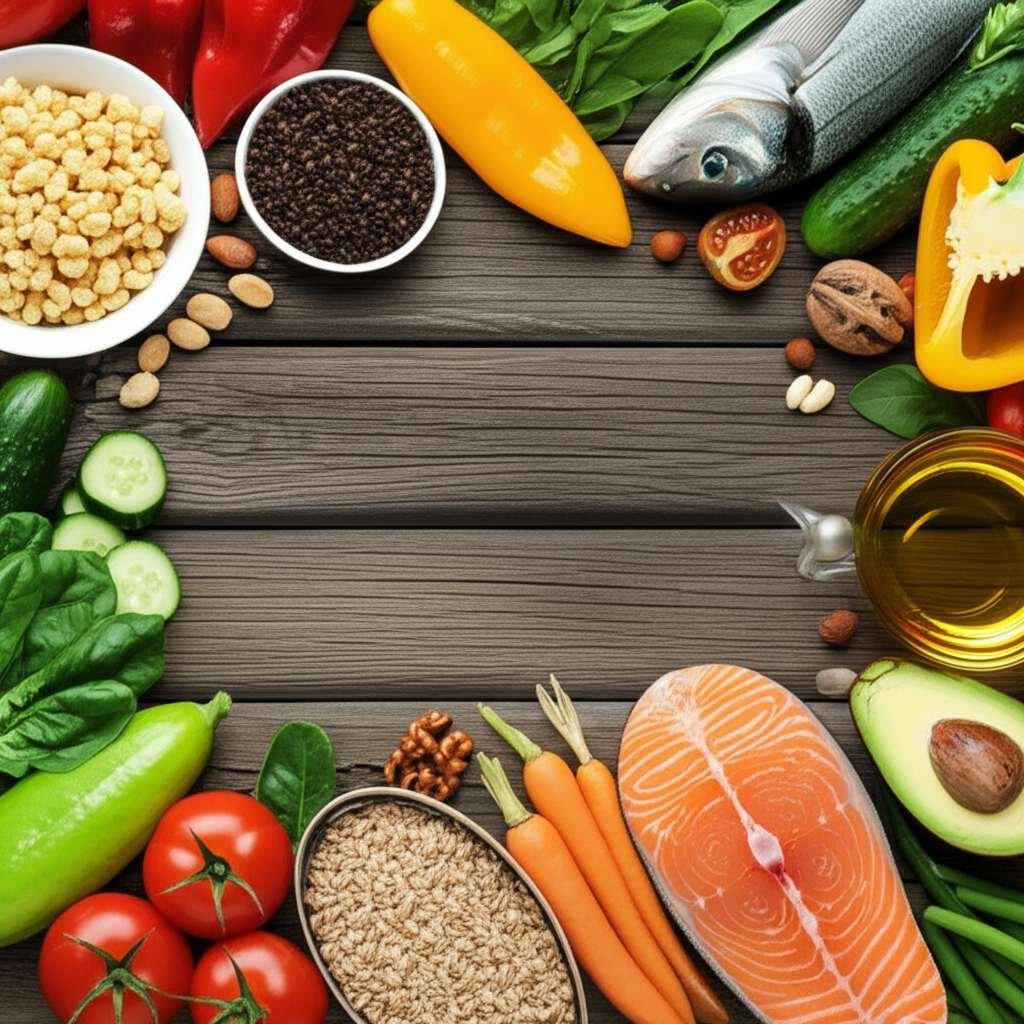
What is the Mediterranean Diet and Why Does it Work for Weight Loss?
The Mediterranean diet isn’t a rigid diet plan with strict calorie counting or forbidden foods. Instead, it’s a lifestyle pattern that emphasizes eating delicious, nutrient-dense foods that are naturally satisfying. Think of it as a flavorful journey towards better health and a more comfortable weight.
This way of eating is rooted in the traditional diets of countries like Greece, Italy, Spain, and Morocco. These regions have long been associated with lower rates of chronic diseases and longer life expectancies. The key to its success for weight loss lies in its focus on whole, unprocessed foods that are rich in fiber, healthy fats, and lean proteins.
These components work together to keep you feeling full and satisfied, which naturally helps reduce overall calorie intake without the feeling of hunger that plagues many other diets. It’s about nourishing your body with what it truly needs, making sustainable weight loss a much more achievable goal.
The Science Behind the Mediterranean Diet and Weight Management
The effectiveness of the Mediterranean diet for weight loss is backed by science. The emphasis on fiber-rich foods like fruits, vegetables, and whole grains helps slow digestion and promotes satiety, meaning you feel fuller for longer. This reduces the urge to snack on less healthy options between meals.
Healthy fats, primarily from olive oil, nuts, and seeds, are also crucial. They are more satisfying than refined carbohydrates and play a vital role in hormone production and nutrient absorption. The diet also prioritizes lean protein sources, such as fish and legumes, which are essential for building muscle and boosting metabolism.
Furthermore, the Mediterranean diet is rich in antioxidants and anti-inflammatory compounds found in fruits, vegetables, and herbs. These can help reduce chronic inflammation, a factor often linked to weight gain and metabolic issues. By addressing these underlying factors, the diet supports a healthier body composition and weight management.
Key Principles of the Mediterranean Diet for Weight Loss
At its core, the Mediterranean diet for weight loss is about making smart, delicious food choices. It’s less about strict rules and more about embracing a lifestyle that prioritizes whole, minimally processed foods. Here are the fundamental principles:
- Emphasize Plant-Based Foods: Make fruits, vegetables, whole grains, legumes (beans, lentils), nuts, and seeds the foundation of your meals. They are packed with fiber, vitamins, and minerals.
- Choose Healthy Fats: Prioritize extra virgin olive oil as your primary source of fat. Include avocados, nuts, and seeds in moderation.
- Incorporate Lean Protein: Enjoy fish and seafood at least twice a week. Opt for poultry, eggs, and dairy in moderation.
- Limit Red Meat and Sweets: Red meat should be consumed infrequently. Desserts and sugary drinks are typically reserved for special occasions.
- Enjoy Herbs and Spices: Use fresh and dried herbs and spices to add flavor to your meals instead of relying on salt or heavy sauces.
- Stay Hydrated: Drink plenty of water throughout the day. Unsweetened tea and coffee are also fine in moderation.
- Moderate Wine Intake (Optional): If you drink alcohol, moderate consumption of red wine with meals is traditional, but not required for health benefits.
What to Eat on the Mediterranean Diet for Weight Loss
Think of your plate as a colorful canvas filled with fresh, vibrant ingredients. The Mediterranean diet is all about abundance and flavor, making it easy to enjoy your meals while working towards your weight loss goals. Here’s a breakdown of the food groups to focus on:
Fruits and Vegetables: The Stars of the Show
These are the backbone of the Mediterranean diet, offering a wide array of vitamins, minerals, fiber, and antioxidants. Aim to fill at least half of your plate with a variety of colorful fruits and vegetables at every meal.
- Examples of Vegetables: Leafy greens (spinach, kale, arugula), tomatoes, cucumbers, bell peppers, broccoli, cauliflower, zucchini, eggplant, onions, garlic, carrots, sweet potatoes.
- Examples of Fruits: Berries (strawberries, blueberries, raspberries), apples, pears, oranges, grapes, peaches, figs, melons, pomegranates.
Incorporating them is simple! Add spinach to your morning eggs, snack on an apple, toss a side salad with lunch, and roast a medley of vegetables with dinner. The fiber content will help you feel full and satisfied, curbing cravings.
Whole Grains: Fueling Your Body
Unlike refined grains, whole grains retain all parts of the grain kernel, providing more fiber, nutrients, and a sustained release of energy. They are essential for keeping you full and supporting digestive health.
- Examples: Oats, barley, quinoa, brown rice, whole wheat bread and pasta, farro, bulgur.
Swap your white bread for whole wheat, choose brown rice over white rice, and try oatmeal or quinoa for breakfast. These complex carbohydrates provide lasting energy and contribute to your feeling of fullness.
Legumes, Nuts, and Seeds: Powerhouses of Protein and Healthy Fats
These foods are nutritional powerhouses, offering plant-based protein, healthy fats, fiber, and essential minerals. They are incredibly versatile and can be incorporated into many dishes.
- Legumes: Lentils, chickpeas, black beans, kidney beans, cannellini beans.
- Nuts: Almonds, walnuts, pistachios, cashews, pecans.
- Seeds: Chia seeds, flaxseeds, sunflower seeds, pumpkin seeds.
Add a handful of nuts to your yogurt or salad, sprinkle seeds on your oatmeal, or make a hearty lentil soup or chickpea salad. These are excellent for weight loss because they provide sustained energy and keep you feeling satisfied.
Healthy Fats: The Good Kind
Fats are not the enemy! The Mediterranean diet prioritizes unsaturated fats, which are beneficial for heart health and satiety. They help you absorb fat-soluble vitamins and keep you feeling full.
- Primary Source: Extra virgin olive oil (use for cooking, dressings, and drizzling).
- Other Sources: Avocados, nuts, seeds, and fatty fish.
Using olive oil in your cooking and dressings is a simple switch that makes a big difference. A quarter of an avocado added to a salad or sandwich can also boost satiety and provide beneficial fats.
Lean Proteins: Fish, Poultry, and More
Protein is vital for satiety, muscle building, and metabolism. The Mediterranean diet favors lean sources, with a special emphasis on fish.
- Fish and Seafood: Salmon, mackerel, sardines, tuna, shrimp, mussels (aim for at least twice a week).
- Poultry: Chicken and turkey (skinless).
- Eggs: A great source of protein.
- Dairy: Yogurt and cheese (in moderation, preferably full-fat plain yogurt).
Opt for grilled or baked fish instead of fried. Choose chicken breast over fattier cuts. Enjoy eggs for breakfast or as part of a light meal.
Herbs and Spices: Flavor Without Calories
This is where the magic happens! Herbs and spices add incredible flavor and aroma to your food, allowing you to reduce your reliance on salt and unhealthy sauces.
- Fresh Herbs: Basil, parsley, oregano, rosemary, thyme, mint, dill.
- Spices: Garlic powder, onion powder, paprika, cumin, turmeric, black pepper, cinnamon.
Experiment with different combinations to liven up your meals. A sprinkle of fresh parsley or a dash of paprika can transform a dish from bland to brilliant.
What to Limit or Avoid on the Mediterranean Diet
While the Mediterranean diet is about abundance, there are certain foods that are typically consumed less frequently to support weight loss and overall health. It’s not about complete elimination, but about making them occasional treats rather than daily staples.
Processed Foods and Added Sugars
These are often high in calories, unhealthy fats, and low in nutrients. They don’t provide the satiety needed for weight loss and can contribute to inflammation and other health issues.
- Examples: Packaged snacks (chips, cookies, crackers), sugary cereals, candy, pastries, sweetened beverages (soda, fruit juices with added sugar).
Limiting these foods is one of the most impactful steps you can take for weight loss. When you crave something sweet, reach for a piece of fruit instead.
Refined Grains
These have had the bran and germ removed, stripping away most of the fiber and nutrients. They can lead to blood sugar spikes and don’t keep you full for long.
- Examples: White bread, white rice, most breakfast cereals, white pasta.
Making the switch to whole grain versions is a simple yet powerful change.
Excessive Red Meat and Saturated Fats
While lean red meat can be part of a balanced diet, the traditional Mediterranean diet limits it to a few times a month. High consumption of red meat and saturated fats can be detrimental to heart health.
- Examples: Fatty cuts of beef, pork, lamb, processed meats (sausages, bacon).
Focus on fish, poultry, and plant-based proteins for the majority of your protein intake.
Highly Processed Oils and Margarine
These often contain unhealthy trans fats and lack the beneficial compounds found in extra virgin olive oil.
- Examples: Vegetable oil, soybean oil, canola oil, margarine, shortening.
Stick to extra virgin olive oil for all your cooking and dressing needs.
How to Get Started with the Mediterranean Diet for Weight Loss: A Step-by-Step Guide
Embarking on the Mediterranean diet for weight loss is easier than you might think. The key is to make gradual changes that you can sustain. Here’s a simple, step-by-step approach to get you started:
Step 1: Understand Your Plate
Visualize your meals with the Mediterranean diet in mind. Think of your plate divided into sections:
- Half Your Plate: Fruits and Non-starchy Vegetables.
- One Quarter: Whole Grains or Starchy Vegetables.
- One Quarter: Lean Protein (fish, poultry, legumes).
- Healthy Fats: Used in cooking or as a dressing (olive oil, nuts, seeds).
This visual guide helps ensure you’re getting a balanced intake of nutrients that promote satiety and support weight loss.
Step 2: Make Gradual Food Swaps
Don’t try to overhaul your entire diet overnight. Start by swapping out a few key items:
| Instead Of | Swap For |
|---|---|
| White bread | Whole wheat bread or sourdough |
| White rice | Brown rice, quinoa, or barley |
| Sugary cereal | Oatmeal with fruit and nuts |
| Butter or margarine | Extra virgin olive oil |
| Creamy salad dressings | Olive oil and vinegar or lemon juice dressing |
| Fried chicken or red meat | Grilled fish or chicken breast |
| Sodas or fruit juices | Water, unsweetened tea, or sparkling water |
These small changes add up significantly over time and make the transition much smoother.
Step 3: Incorporate More Plant-Based Meals
Aim to have at least one or two meals per week that are entirely plant-based. This doesn’t mean you can’t have meat or fish, but it encourages you to explore the deliciousness of legumes, vegetables, and whole grains.
- Ideas: Lentil soup with whole-grain bread, chickpea salad sandwiches, vegetable and bean chili, quinoa bowls packed with roasted vegetables.
Plant-based meals are often lower in calories and higher in fiber, which is a winning combination for weight loss.
Step 4: Cook More at Home
When you cook at home, you have complete control over the ingredients. This allows you to use healthy fats like olive oil, load up on vegetables, and avoid hidden sugars and sodium often found in restaurant meals or pre-packaged foods.
- Start Simple: Begin with easy recipes like baked salmon with roasted vegetables, grilled chicken salads, or hearty bean stews.
- Batch Cooking: Prepare larger batches of grains, roasted vegetables, or soups on the weekend to use in meals throughout the week.
Home cooking is a cornerstone of the Mediterranean lifestyle and a powerful tool for weight management.
Step 5: Hydrate Wisely
Water is your best friend when it comes to weight loss. It aids digestion, helps you feel full, and is essential for all bodily functions. The Mediterranean diet emphasizes water as the primary beverage.
- Aim for: At least 8 glasses of water per day.
- Flavor Boost: Add slices of lemon, cucumber, or mint to your water for a refreshing twist.
- Other Options: Unsweetened herbal teas and black coffee are also acceptable in moderation.
Staying hydrated can help curb unnecessary hunger and keep your metabolism running smoothly.
Step 6: Practice Mindful Eating
This involves paying attention to your food and your body’s hunger and fullness cues. It’s about savoring your meals and enjoying the experience of eating.
- Slow Down: Take your time eating, chew your food thoroughly, and put your fork down between bites.
- Minimize Distractions: Try to eat without watching TV, scrolling on your phone, or working.
- Listen to Your Body: Eat when you’re hungry and stop when you’re comfortably full, not stuffed.
Mindful eating helps you appreciate your food more and prevents overeating, which is crucial for weight loss.
Step 7: Be Patient and Consistent
Sustainable weight loss is a journey, not a race. The Mediterranean diet is designed for long-term health and well-being, so focus on consistency rather than perfection.
- Celebrate Small Wins: Acknowledge and appreciate every healthy choice you make.
- Don’t Get Discouraged: If you slip up, don’t beat yourself up. Just get back on track with your next meal.
- Focus on How You Feel: Notice improvements in your energy levels, sleep, and overall well-being, not just the number on the scale.
Consistency over time is what leads to lasting results and a healthier relationship with food.
Sample Mediterranean Meal Plan for Weight Loss (Beginner-Friendly)
Here’s a sample meal plan to give you a taste of what eating the Mediterranean way for weight loss can look like. Remember, this is a template, and you can adjust it based on your preferences and what’s in season or on sale!
Day 1
- Breakfast: Oatmeal cooked with water or unsweetened almond milk, topped with fresh berries and a small handful of walnuts.
- Lunch: Large Greek salad with mixed greens, tomatoes, cucumbers, bell peppers, Kalamata olives, feta cheese, and grilled chicken breast, dressed with olive oil and lemon juice.
- Dinner: Baked salmon with lemon and herbs, served with roasted broccoli and a side of quinoa.
- Snack: An apple with a tablespoon of almond butter.
Day 2
- Breakfast: Scrambled eggs with spinach and tomatoes, served with a slice of whole-grain toast.
- Lunch: Lentil soup with a side of whole-grain bread and a small green salad.
- Dinner: Chicken and vegetable skewers (bell peppers, onions, zucchini) marinated in olive oil, lemon, and herbs, served with a small portion of brown rice.
- Snack: A small bowl of plain Greek yogurt with a sprinkle of chia seeds.
Day 3
- Breakfast: Smoothie made with spinach, banana, unsweetened almond milk, and a tablespoon of flaxseeds.
- Lunch: Tuna salad (made with olive oil-based mayonnaise or mashed avocado instead of traditional mayo) served on whole-grain crackers with sliced cucumbers.
- Dinner: Whole wheat pasta with a marinara sauce loaded with vegetables (zucchini, mushrooms, onions) and lean ground turkey.
- Snack: A handful of almonds.
Day 4
- Breakfast: Whole-grain toast topped with mashed avocado and a sprinkle of red pepper flakes.
- Lunch: Leftover whole wheat pasta with marinara and turkey.
- Dinner: Baked cod with roasted asparagus and sweet potato wedges.
- Snack: A pear.
Day 5
- Breakfast: Plain Greek yogurt with chopped figs and a sprinkle of pumpkin seeds.
- Lunch: Large salad with chickpeas, mixed greens, cucumber, tomatoes, and a light olive oil vinaigrette.
- Dinner: Turkey meatballs in a tomato sauce, served with a side of sautéed kale.
- Snack: A small handful of pistachios.
This plan focuses on whole foods, healthy fats, and lean proteins to keep you satisfied and support your weight loss efforts. Remember to drink plenty of water throughout the day!
Affordability and Accessibility of the Mediterranean Diet
One of the best things about the Mediterranean diet is that it doesn’t have to be expensive or difficult to follow. In fact, focusing on whole, unprocessed foods can often be more budget-friendly than relying on pre-packaged meals or expensive specialty products.
Tips for Eating Mediterranean on a Budget
- Embrace Legumes: Dried beans and lentils are incredibly inexpensive and a fantastic source of protein and fiber.
- Buy Seasonal Produce: Fruits and vegetables are usually cheaper when they are in season. Visit local farmers’ markets for good deals.
- Choose Frozen or Canned: Frozen fruits and vegetables are just as nutritious as fresh and can be more affordable, especially out of season. Opt for canned fish like sardines and tuna packed in water or olive oil.
- Cook in Bulk: Prepare larger batches of grains, soups, and stews to last for multiple meals, saving both time and money.
- Reduce Meat Consumption: Meat is often one of the most expensive items on a grocery list. By incorporating more plant-based meals and focusing on fish twice a week, you can save money.
- Plan Your Meals: Creating a weekly meal plan and grocery list helps you avoid impulse purchases and reduces food waste.
The Mediterranean diet emphasizes simple, wholesome ingredients that are readily available in most supermarkets, making it an accessible choice for students and young adults.
The Mediterranean Diet for Weight Loss: A Sustainable Approach
The Mediterranean diet stands out because it’s not a temporary fix; it’s a lifestyle that promotes long-term health and sustainable weight management. By focusing on delicious, nutrient-rich foods and a balanced eating pattern, you can achieve your weight loss goals without feeling deprived.
This approach is all about nourishment and enjoyment. It encourages you to savor your meals, connect with your food, and build healthy habits that will serve you well for years to come. The emphasis on whole foods, healthy fats, and plant-based proteins naturally supports a healthy metabolism and keeps you feeling satisfied, making it easier to manage your weight over time.
It’s a journey that’s as rewarding for your taste buds as it is for your body. By making gradual, consistent changes and embracing the principles of this time-tested eating pattern, you can unlock a healthier, happier you. Remember, the goal is progress, not perfection. Enjoy the process, and celebrate your successes along the way!
Frequently Asked Questions (FAQ)
What is the main principle of the Mediterranean diet for weight loss?
The main principle is to focus on whole, unprocessed foods like fruits, vegetables, whole grains, legumes, nuts, seeds, and healthy fats (especially olive oil), while limiting processed foods, added sugars, and excessive red meat. This nutrient-dense approach promotes satiety, naturally leading to a reduced calorie intake without feeling deprived.
Can I lose weight quickly on the Mediterranean diet?
The Mediterranean diet promotes sustainable, gradual weight loss rather than rapid, short-term results. This approach is healthier and more effective for long-term weight management. Focus on consistency and the overall health benefits rather than aiming for quick fixes.
Do I have to give up all my favorite foods?
Not at all! The Mediterranean diet is flexible. While it emphasizes certain food groups, it doesn’t require complete elimination of all “less healthy” foods. Treats and less nutrient-dense foods can be enjoyed in moderation on special occasions. It’s about balance and enjoying your food.
Is olive oil really that important?
Yes, extra virgin olive oil is a cornerstone of the Mediterranean diet. It’s a rich source of monounsaturated fats, which are heart-healthy and help you feel full. It also contains antioxidants and anti-inflammatory compounds. Use it as your primary cooking fat and for dressings.
What if I don’t like fish?
While fish is recommended twice a week for its omega-3 fatty acids, it’s not the only protein source. You can still follow the Mediterranean diet effectively by focusing on other lean proteins like poultry, eggs, and a variety of legumes (beans, lentils, chickpeas). Plant-based protein sources are abundant and vital to this diet.
How can I make the Mediterranean diet affordable?
Focus on budget-friendly staples like dried beans and lentils, seasonal produce, frozen vegetables, and canned fish. Cooking meals at home, planning your groceries, and reducing meat consumption can significantly lower costs. The diet emphasizes simple, wholesome ingredients.
Is this diet suitable for vegetarians or vegans?
Yes, the Mediterranean diet can easily be adapted for vegetarians and vegans. The diet already has a strong emphasis on plant-based foods. Vegetarians can follow it closely, and vegans can replace fish and dairy with plant-based alternatives like tofu, tempeh, and fortified plant milks, while ensuring adequate intake of vitamin B12 and other nutrients.
As an Amazon Associate, We earn from qualifying purchases. When you purchase a product through Amazon links on pulsefitguide.com, we may earn a small commission at no extra cost to you. This helps support the site and keep our content free.
