


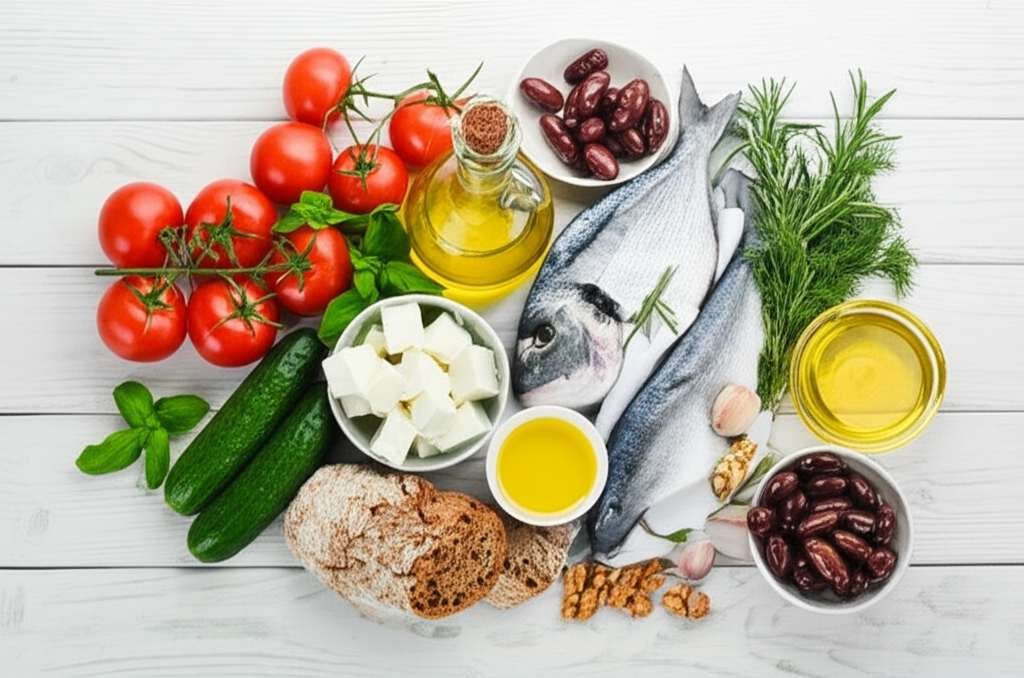
The Mediterranean diet food list is a simple guide to enjoying delicious, healthy foods like fruits, vegetables, whole grains, healthy fats, and lean proteins. It’s a lifestyle focused on fresh, whole ingredients, perfect for anyone looking for a sustainable and enjoyable way to eat well and support their health goals.
Feeling overwhelmed by diet advice? You’re not alone! Many of us find it tricky to figure out what to eat for weight loss or just to feel better. It can feel like a puzzle with too many confusing pieces.
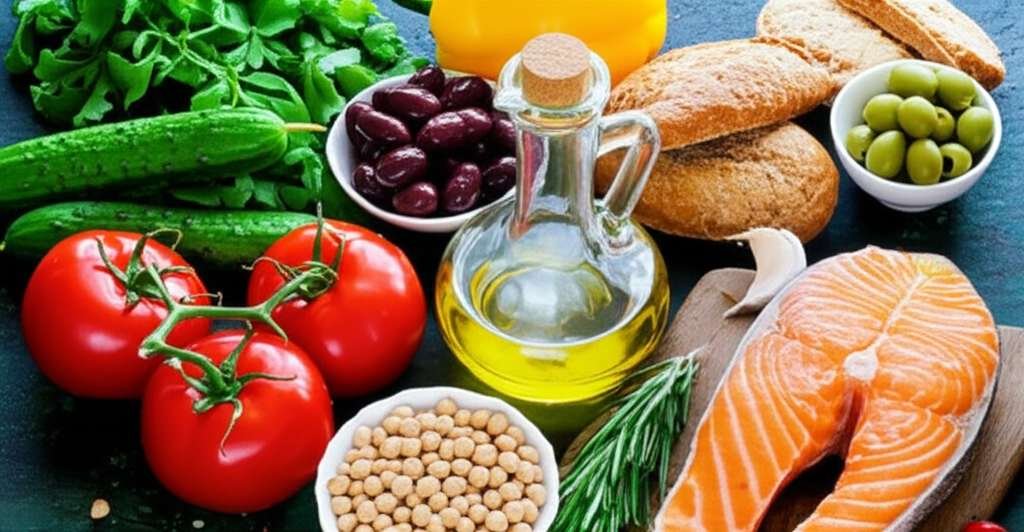
But what if eating healthy could be delicious, easy, and something you actually look forward to? The Mediterranean diet offers just that – a way of eating inspired by the healthy habits of people in countries like Greece and Italy.
This guide is your friendly roadmap to understanding the Mediterranean diet food list. We’ll break down exactly what to stock your pantry with, making healthy eating feel totally doable, even if you’re just starting out.
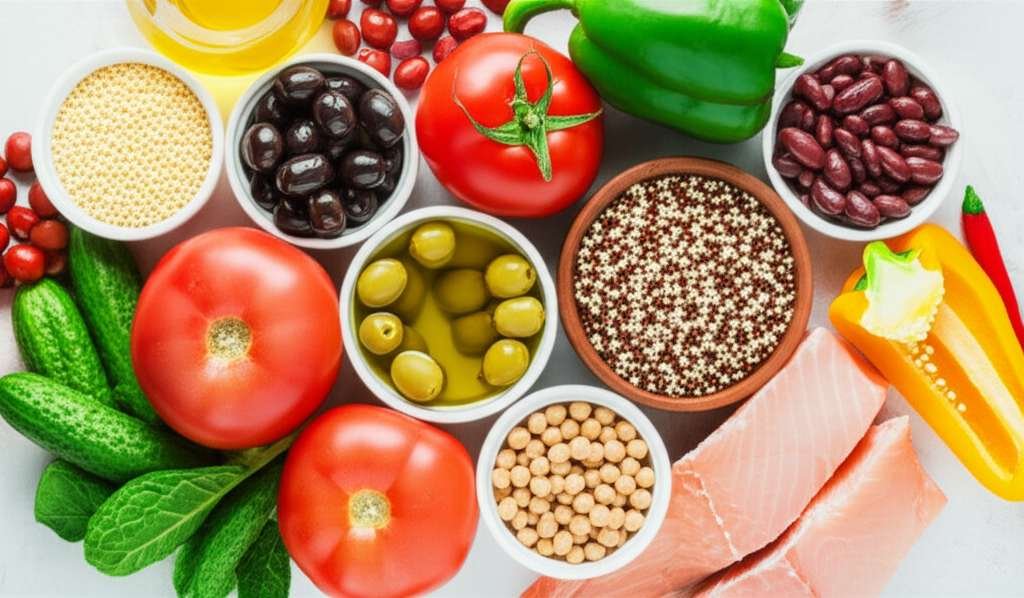
Get ready to discover a world of flavorful, nourishing foods that will make you feel great from the inside out!
What is the Mediterranean Diet?
Think of the Mediterranean diet less as a strict “diet” and more as a vibrant, delicious lifestyle. It’s inspired by the traditional eating patterns of people living in countries bordering the Mediterranean Sea, like Greece, Italy, Spain, and Morocco.
This way of eating emphasizes fresh, whole foods and has been linked to numerous health benefits, including a healthier heart and easier weight management. It’s not about deprivation; it’s about enjoying a wide variety of tasty and nutrient-rich foods.
Why is the Mediterranean Diet So Popular (and Effective)?
The Mediterranean diet has earned its reputation for good reason. It’s not a fad; it’s a time-tested approach to eating that’s backed by science and loved by people worldwide. Its popularity stems from its deliciousness, flexibility, and proven health advantages.
Unlike restrictive diets that can leave you feeling hungry and unsatisfied, the Mediterranean way of eating is rich in flavor and variety. This makes it easier to stick to long-term, which is key for sustainable healthy eating and weight management. It focuses on building healthy habits that feel natural and enjoyable.
The Core Components: What to Fill Your Plate With
The heart of the Mediterranean diet is its focus on plant-based foods, healthy fats, and lean proteins. It’s a colorful and diverse way to eat that fuels your body with everything it needs.
Let’s dive into the essential food groups you’ll find on this wonderful eating plan.
1. Abundant Fruits and Vegetables
This is where the Mediterranean diet shines! Aim to fill at least half your plate with a rainbow of fruits and vegetables at every meal. They are packed with vitamins, minerals, fiber, and antioxidants, which are crucial for overall health and can help you feel full and satisfied.
- Leafy Greens: Spinach, kale, arugula, romaine lettuce, Swiss chard.
- Cruciferous Veggies: Broccoli, cauliflower, Brussels sprouts.
- Root Vegetables: Carrots, sweet potatoes, beets.
- Bell Peppers: Red, yellow, orange, and green varieties.
- Tomatoes: Fresh, canned (watch for added salt), and sun-dried.
- Onions and Garlic: Flavor powerhouses that are also healthy.
- Zucchini and Eggplant: Versatile for grilling, roasting, and sautéing.
- Berries: Strawberries, blueberries, raspberries, blackberries – great for snacks and desserts.
- Citrus Fruits: Oranges, grapefruits, lemons, limes.
- Stone Fruits: Peaches, plums, apricots.
- Melons: Watermelon, cantaloupe.
- Apples and Pears.
2. Whole Grains: Your Energy Source
Whole grains are complex carbohydrates that provide sustained energy and are rich in fiber. They are a staple in the Mediterranean diet and help keep you feeling full, which is great for managing appetite and supporting weight loss efforts.
- Whole Wheat Bread and Pasta: Look for “100% whole wheat” on the label.
- Brown Rice: A versatile side dish.
- Oats: Perfect for a hearty breakfast.
- Quinoa: A complete protein and a whole grain.
- Barley: Great in soups and stews.
- Farro: An ancient grain with a chewy texture.
- Couscous (whole wheat): A quick-cooking option.
3. Healthy Fats: The Cornerstone
Fat is not the enemy! In the Mediterranean diet, the focus is on unsaturated fats, which are heart-healthy and essential for absorbing certain vitamins. These fats help you feel satisfied and add wonderful flavor to your meals.
- Olive Oil: Extra virgin olive oil is the star. Use it for cooking, dressings, and drizzling. The American Heart Association highlights the benefits of monounsaturated fats found in olive oil.
- Avocados: Creamy and packed with healthy fats and fiber.
- Nuts: Almonds, walnuts, pistachios, cashews. Enjoy a small handful as a snack.
- Seeds: Sunflower seeds, pumpkin seeds, chia seeds, flaxseeds.
4. Lean Proteins: Building Blocks for Your Body
Protein is vital for building and repairing tissues and keeping you feeling full. The Mediterranean diet emphasizes lean sources of protein, with a particular focus on fish and poultry.
- Fish and Seafood: Aim for at least two servings per week. Fatty fish like salmon, mackerel, and sardines are excellent sources of omega-3 fatty acids.
- Poultry: Chicken and turkey (skinless).
- Legumes: Beans (kidney, black, chickpeas), lentils, and peas are fantastic plant-based protein sources.
- Eggs: A versatile and affordable protein.
- Dairy (in moderation): Plain yogurt (especially Greek yogurt), and cheese (like feta or mozzarella) are enjoyed in smaller amounts.
5. Herbs and Spices: Flavor Without the Salt
Forget relying on salt for flavor! The Mediterranean diet is renowned for its use of fresh and dried herbs and spices. They not only enhance taste but also offer additional health benefits and antioxidants.
- Fresh Herbs: Basil, oregano, rosemary, thyme, parsley, mint, dill.
- Dried Spices: Garlic powder, onion powder, paprika, cumin, coriander, turmeric, black pepper.
6. Moderate Consumption of Other Foods
While the focus is on whole, unprocessed foods, certain items are enjoyed in moderation:
- Red Wine: Traditionally consumed in moderation with meals. (Optional and not recommended for everyone.)
- Sweets and Red Meat: These are typically reserved for special occasions rather than daily consumption.
Foods to Limit or Avoid
While the Mediterranean diet is very flexible, it does suggest limiting certain processed foods that can hinder your health and weight loss goals. These foods are often high in added sugars, unhealthy fats, and sodium.
- Added Sugars: Sugary drinks (soda, sweetened juices), candy, pastries, desserts.
- Refined Grains: White bread, white pasta, white rice, most breakfast cereals.
- Processed Meats: Sausage, bacon, hot dogs, deli meats.
- Highly Processed Foods: Packaged snacks, frozen meals, fast food.
- Trans Fats: Found in some margarines, fried foods, and baked goods.
- Excessive Sodium: Canned soups, processed sauces, salty snacks.
Putting It All Together: Your Mediterranean Meal Plan Basics
Now that you know what foods to focus on, let’s look at how to build delicious and balanced meals. The key is to combine these food groups in a way that’s satisfying and provides all the nutrients you need.
Think of your plate as a canvas. The more colors you add from fruits and vegetables, the better!
Breakfast Ideas
Start your day with energy from whole grains, healthy fats, and protein.
- Greek Yogurt Parfait: Plain Greek yogurt topped with fresh berries, a sprinkle of nuts or seeds, and a drizzle of honey.
- Oatmeal with Fruit and Nuts: Cooked oats with water or unsweetened almond milk, topped with sliced apple or banana and chopped walnuts.
- Whole Wheat Toast with Avocado: A slice of whole wheat toast topped with mashed avocado, a sprinkle of red pepper flakes, and a squeeze of lemon. Add an egg for extra protein.
Lunch Ideas
Lunches can be light yet filling, focusing on vegetables, lean protein, and whole grains.
- Large Salad with Grilled Chicken or Chickpeas: Mixed greens, cucumber, tomatoes, bell peppers, olives, and a light olive oil and lemon dressing. Top with grilled chicken breast or a generous portion of chickpeas.
- Lentil Soup with Whole Wheat Bread: A hearty bowl of homemade lentil soup, served with a slice of whole wheat bread.
- Tuna Salad (Mediterranean Style): Tuna mixed with olive oil, lemon juice, chopped celery, red onion, and parsley, served on a bed of lettuce or with whole wheat crackers.
Dinner Ideas
Dinners are a great opportunity to enjoy a variety of flavors and nutrients.
- Baked Salmon with Roasted Vegetables: Salmon fillet seasoned with herbs and lemon, baked alongside broccoli, zucchini, and bell peppers tossed in olive oil.
- Chicken Souvlaki with Greek Salad: Skewered and grilled chicken breast served with a fresh Greek salad (tomatoes, cucumber, red onion, feta, olives) and a side of whole wheat pita.
- Vegetarian Chili with Beans and Veggies: A flavorful chili made with kidney beans, black beans, diced tomatoes, onions, bell peppers, and spices.
Snack Ideas
When hunger strikes between meals, reach for these nutrient-dense options.
- A handful of almonds or walnuts.
- An apple or pear with a tablespoon of almond butter.
- Carrot sticks or cucumber slices with hummus.
- A small bowl of plain Greek yogurt with a few berries.
- A hard-boiled egg.
Mediterranean Diet Food List: A Quick Reference Table
To make shopping and meal planning even easier, here’s a handy table summarizing the key foods to include.
| Food Group | Key Foods to Include | Frequency/Portion |
|---|---|---|
| Vegetables | Leafy greens, broccoli, tomatoes, peppers, carrots, onions, garlic, etc. | Abundant, at every meal |
| Fruits | Berries, apples, oranges, grapes, melons, etc. | Abundant, at every meal |
| Whole Grains | Whole wheat bread/pasta, brown rice, oats, quinoa, barley | Every meal |
| Healthy Fats | Extra virgin olive oil, avocados, nuts, seeds | Generous amounts (olive oil), moderate amounts (nuts/seeds) |
| Lean Proteins | Fish, seafood, poultry, legumes (beans, lentils), eggs | Fish: 2+ times/week; Poultry/Eggs: Moderate; Legumes: Frequent |
| Dairy | Plain yogurt (Greek), cheese (feta, mozzarella) | Moderate amounts, a few times per week |
| Herbs & Spices | Basil, oregano, garlic, onion powder, pepper, etc. | Generous amounts, for flavor |
| Red Wine (Optional) | Red wine | Moderate, with meals (optional) |
| Sweets & Red Meat | Desserts, cakes, red meat, processed meats | Rarely, for special occasions |
Tips for Beginners
Starting any new way of eating can feel like a big step, but the Mediterranean diet is designed to be approachable and enjoyable. Here are some tips to help you get started smoothly:
- Start Small: You don’t have to change everything overnight! Begin by adding one or two Mediterranean-style meals to your week. For example, try a big salad for lunch or a fish dinner.
- Focus on Addition, Not Subtraction: Instead of thinking about what you “can’t” have, focus on all the delicious new foods you can add – like more colorful vegetables, flavorful herbs, and healthy fats.
- Stock Your Kitchen: Make a grocery list based on the Mediterranean diet food list and fill your pantry and fridge with the essentials. Having healthy options readily available makes healthy choices easier.
- Learn a Few Go-To Recipes: Find 3-5 simple Mediterranean-inspired recipes that you enjoy and can make easily. This will give you a solid foundation for meals.
- Embrace Olive Oil: Make extra virgin olive oil your primary cooking fat. Use it to sauté vegetables, make salad dressings, and even drizzle over finished dishes.
- Hydrate with Water: Water is the best beverage. Enjoy it throughout the day.
- Be Patient with Yourself: Building new habits takes time. Don’t get discouraged by occasional slip-ups. Just get back on track with your next meal.
Benefits of the Mediterranean Diet
Adopting a Mediterranean way of eating can bring a wealth of health benefits. It’s a holistic approach that nourishes your body and mind, contributing to a longer, healthier, and happier life. The focus on whole, unprocessed foods naturally supports various aspects of well-being.
The benefits are wide-ranging and well-documented by numerous health organizations. For instance, the National Institutes of Health (NIH) has shared research highlighting its positive impact on longevity and cardiovascular health.
- Heart Health: The emphasis on healthy fats like olive oil and omega-3s from fish can help lower bad cholesterol (LDL) and reduce the risk of heart disease and stroke.
- Weight Management: Rich in fiber and healthy fats, the diet promotes satiety, helping you feel fuller for longer and potentially reducing overall calorie intake without feeling deprived.
- Blood Sugar Control: The focus on whole grains and fiber can help stabilize blood sugar levels, which is beneficial for preventing and managing type 2 diabetes.
- Brain Health: Antioxidants and healthy fats found in this diet are thought to protect against cognitive decline and may reduce the risk of conditions like Alzheimer’s disease.
- Reduced Inflammation: The abundance of fruits, vegetables, and healthy fats provides anti-inflammatory compounds that can help combat chronic inflammation in the body.
- Improved Gut Health: The high fiber content from fruits, vegetables, and whole grains supports a healthy gut microbiome, which is linked to numerous health benefits.
- Longevity: Studies consistently show that people who follow a Mediterranean-style diet tend to live longer and have a lower risk of chronic diseases.
Frequently Asked Questions (FAQs)
Q1: Is the Mediterranean diet good for weight loss?
Yes, the Mediterranean diet can be very effective for weight loss. It focuses on whole, nutrient-dense foods that are naturally filling, such as fruits, vegetables, whole grains, and healthy fats. This helps you feel satisfied with fewer calories, making it easier to manage your intake without feeling deprived.
Q2: Do I have to give up pasta and bread?
Not at all! The Mediterranean diet encourages whole grains. This means you can enjoy pasta and bread, but opt for whole wheat or whole grain versions. These provide more fiber and nutrients than their refined white counterparts, helping you stay full longer.
Q3: Can I follow the Mediterranean diet if I don’t eat fish?
Absolutely! While fish is a cornerstone for omega-3 fatty acids, you can still benefit from the Mediterranean diet. Focus on other sources of healthy fats like olive oil, nuts, and seeds. You can also get omega-3s from plant sources like flaxseeds and walnuts. If you choose to eat animal products, eggs and dairy are still included in moderation.
Q4: Is the Mediterranean diet expensive?
It doesn’t have to be! While some ingredients like fresh fish or certain nuts can be pricier, the core of the diet – fruits, vegetables, legumes, whole grains, and olive oil – can be very affordable, especially when bought in season or in bulk. Dried beans and lentils are incredibly budget-friendly protein sources.
Q5: How much olive oil should I use?
Olive oil is a primary source of healthy fats on the Mediterranean diet. It’s recommended to use it generously for cooking, dressings, and finishing dishes. A common guideline is to aim for about 2-4 tablespoons per day, but this can vary based on your individual needs and activity level.
Q6: What are the main differences between the Mediterranean diet and other diets?
Unlike many restrictive diets that focus on calorie counting or eliminating entire food groups, the Mediterranean diet is a sustainable lifestyle. It emphasizes enjoying a wide variety of delicious, whole foods, and doesn’t strictly forbid any food groups, but rather guides moderation for less healthy options.
Conclusion
Embarking on the Mediterranean diet is like opening the door to a world of delicious, vibrant, and nourishing food. It’s a flexible and enjoyable way to eat that prioritizes whole ingredients, healthy fats, and plenty of plant-based goodness. By focusing on the Mediterranean diet food list – rich in fruits, vegetables, whole grains, legumes, nuts, seeds, and olive oil – you’re not just choosing a diet; you’re choosing a lifestyle that supports your health and well-being.
Remember, consistency is key. Start by making small, manageable changes, like adding more colorful vegetables to your meals or swapping refined grains for whole grains. Celebrate your progress, and don’t be afraid to experiment with the amazing flavors this diet has to offer. With this guide as your starting point, you’re well-equipped to build a healthier, happier relationship with food, one delicious meal at a time.
As an Amazon Associate, We earn from qualifying purchases. When you purchase a product through Amazon links on pulsefitguide.com, we may earn a small commission at no extra cost to you. This helps support the site and keep our content free.
