



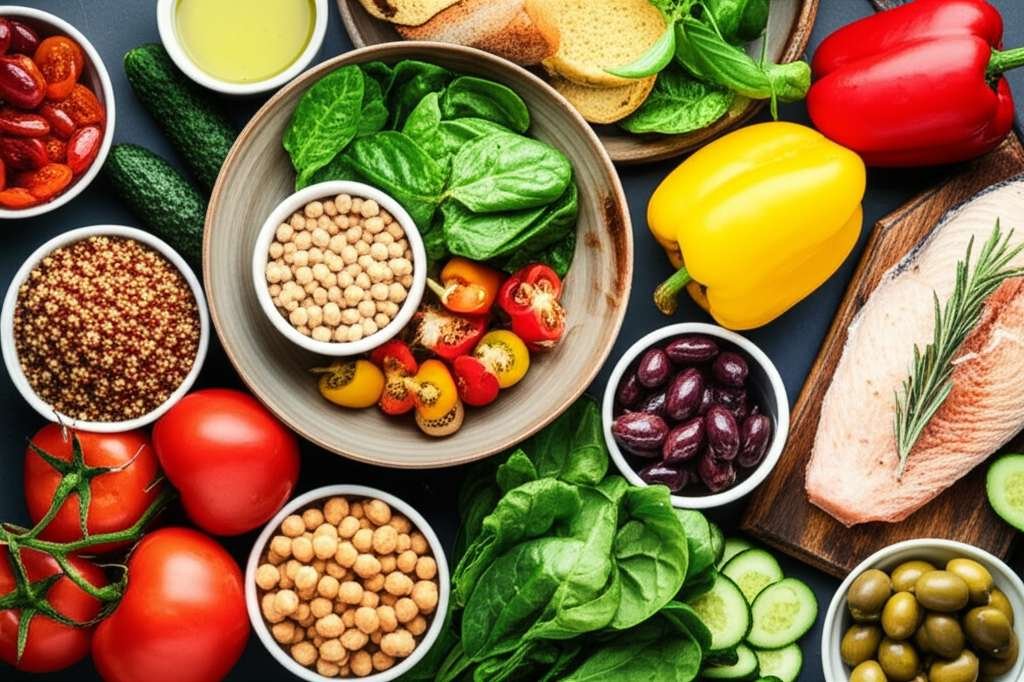
The Mediterranean diet is a delicious, healthy eating pattern focused on fruits, vegetables, whole grains, lean proteins, and healthy fats. It’s a sustainable lifestyle that supports weight management and overall well-being, making healthy eating enjoyable and achievable for everyone.
Feeling overwhelmed by diet advice and unsure where to start with healthy eating? You’re not alone!
Many of us find it tough to figure out what actually works for our bodies, especially when trying to manage weight. It can feel like a confusing puzzle with too many pieces.
But what if I told you there’s a way to eat that’s not only good for you but also incredibly tasty and easy to follow? This guide will break down the Mediterranean diet step-by-step, making healthy eating feel simple and exciting.
Get ready to discover a way of eating that nourishes your body and your taste buds, setting you up for lasting success.
What Exactly Is the Mediterranean Diet?
The Mediterranean diet isn’t a strict diet with rigid rules; it’s more of a lifestyle inspired by the traditional eating habits of people in countries bordering the Mediterranean Sea, like Greece, Italy, Spain, and Morocco.
These regions have historically enjoyed long, healthy lives, and their eating patterns are a big part of that. Think fresh, vibrant foods enjoyed in a relaxed, social way.
It emphasizes eating mostly plant-based foods, healthy fats, and lean proteins, while limiting processed foods, sugary drinks, and unhealthy fats. It’s about balance, flavor, and enjoyment.
Why is the Mediterranean Diet So Popular and Effective?
This eating style has gained so much attention because it’s backed by science and offers incredible benefits beyond just weight management. It’s a holistic approach to health.
Research, like studies published in journals such as The New England Journal of Medicine, has shown its effectiveness in promoting heart health, reducing the risk of chronic diseases, and supporting a healthy weight.
It’s also highly adaptable, making it easy to fit into busy lives and diverse budgets. Plus, the food is genuinely delicious!
Key Principles of the Mediterranean Diet
At its heart, the Mediterranean diet is about embracing whole, unprocessed foods and building meals around them.
It’s less about restriction and more about abundance of good-for-you options. Let’s look at the main components:
- Abundant Fruits and Vegetables: Aim for a colorful variety every day. They are packed with vitamins, minerals, fiber, and antioxidants.
- Whole Grains: Choose intact grains like oats, barley, quinoa, brown rice, and whole-wheat bread and pasta. They provide sustained energy and fiber.
- Legumes: Beans, lentils, peas, and chickpeas are excellent sources of plant-based protein and fiber.
- Nuts and Seeds: A small handful daily provides healthy fats, protein, and fiber. Think almonds, walnuts, sunflower seeds, and flaxseeds.
- Healthy Fats: Extra virgin olive oil is the star! Use it for cooking, dressings, and drizzling. Avocados and fatty fish also contribute healthy fats.
- Fish and Seafood: Aim for at least two servings per week, especially fatty fish like salmon, mackerel, and sardines, which are rich in omega-3 fatty acids.
- Poultry: Moderate consumption of chicken, turkey, and other fowl.
- Dairy: Moderate amounts of yogurt and cheese, preferably from sources like sheep or goats.
- Herbs and Spices: Use these generously to flavor food instead of relying on salt.
- Red Wine (Optional & Moderate): Traditionally consumed in moderation with meals. If you don’t drink, there’s no need to start.
- Limited Red Meat and Sweets: These are enjoyed only occasionally.
Building Your Mediterranean Plate: A Step-by-Step Guide
Ready to put this into practice? It’s simpler than you might think. We’ll focus on making gradual, sustainable changes.
Step 1: Fill Your Cart with Mediterranean Staples
Your grocery shopping trip is the first major step. Focus on the perimeter of the store where fresh produce, lean proteins, and dairy are usually located.
Build your shopping list around these categories:
- Produce Aisle: Load up on leafy greens (spinach, kale, romaine), colorful vegetables (tomatoes, bell peppers, broccoli, zucchini, onions), and seasonal fruits (berries, apples, oranges, grapes). Don’t forget garlic and herbs like basil, oregano, and parsley!
- Grains and Legumes: Look for whole-wheat bread, whole-wheat pasta, brown rice, quinoa, oats, barley, and dried or canned lentils, chickpeas, and beans (rinse canned ones well).
- Healthy Fats: Stock up on extra virgin olive oil, avocados, and a variety of nuts and seeds (almonds, walnuts, pumpkin seeds, chia seeds).
- Protein Sources: Choose fresh or frozen fish (salmon, tuna, cod), lean poultry (chicken breast, turkey), and Greek yogurt or other plain yogurts.
Step 2: Rethink Your Meals and Snacks
Start by looking at your current eating habits and identifying areas where you can swap in Mediterranean-friendly options.
Think about making small, manageable changes rather than a complete overhaul. This approach is key to long-term success.
Breakfast Ideas:
- Greek yogurt with berries, a drizzle of honey, and a sprinkle of nuts.
- Oatmeal made with water or milk, topped with fruit and seeds.
- Whole-wheat toast with avocado and a sprinkle of red pepper flakes.
Lunch Ideas:
- Large salad with mixed greens, various vegetables, chickpeas, grilled chicken or fish, and an olive oil-based dressing.
- Lentil soup with a side of whole-wheat bread.
- Whole-wheat pita stuffed with hummus, cucumber, tomatoes, and grilled chicken.
Dinner Ideas:
- Baked salmon with roasted vegetables (broccoli, zucchini, bell peppers) and quinoa.
- Chicken breast grilled with herbs and lemon, served with a large Greek salad.
- Whole-wheat pasta with a vegetable-rich tomato sauce and a side of white beans.
Snack Ideas:
- A handful of almonds or walnuts.
- An apple with a tablespoon of almond butter.
- A small bowl of olives.
- Carrot sticks and hummus.
Step 3: Master the Art of Olive Oil
Extra virgin olive oil (EVOO) is a cornerstone of the Mediterranean diet. It’s not just for cooking; it’s a flavorful ingredient that adds healthy monounsaturated fats.
Use EVOO for:
- Dressing salads: Whisk with lemon juice or vinegar, herbs, and a pinch of salt and pepper.
- Sautéing vegetables and lean proteins.
- Drizzling over finished dishes like soups, roasted vegetables, or grilled fish for added flavor and richness.
- As a dip for whole-wheat bread.
Look for “extra virgin” on the label, as this indicates the highest quality and least processed form of olive oil. The Mayo Clinic also highlights olive oil as a key component for heart health.
Step 4: Embrace Flavor with Herbs and Spices
One of the most enjoyable aspects of the Mediterranean diet is its vibrant flavors, achieved naturally through herbs and spices.
This approach significantly reduces the need for added salt, which is beneficial for blood pressure and overall health. Experimenting with different flavor combinations can make meals exciting and satisfying.
Try these:
- For Chicken and Fish: Rosemary, thyme, oregano, lemon zest, garlic powder, paprika.
- For Vegetables: Basil, parsley, mint, dill, cumin, coriander.
- For Soups and Stews: Bay leaves, marjoram, sage, chili flakes.
Don’t be afraid to mix and match! A simple chicken breast can be transformed with a rub of garlic, lemon, and oregano. Roasted vegetables come alive with rosemary and thyme.
Step 5: Hydrate Wisely
Water is your primary beverage. It’s essential for all bodily functions and helps you feel full, which can aid in weight management.
Aim to drink plenty of water throughout the day. You can also enjoy herbal teas and, in moderation, coffee or tea without added sugar.
While moderate red wine is traditionally part of the diet, it’s entirely optional. If you don’t drink alcohol, there’s absolutely no need to start. The health benefits of the diet are achievable without it.
Foods to Enjoy and Foods to Limit
Understanding what to prioritize and what to reduce makes adopting the Mediterranean diet much easier. It’s all about balance and making conscious choices.
Here’s a simple breakdown:
| Foods to Enjoy Abundantly | Foods to Enjoy in Moderation | Foods to Limit |
|---|---|---|
| Vegetables (all kinds) | Poultry (chicken, turkey) | Red Meat (beef, lamb, pork) |
| Fruits (all kinds) | Dairy (yogurt, cheese – preferably Greek/sheep) | Sweets and Added Sugars (cakes, cookies, candy, sugary drinks) |
| Whole Grains (oats, quinoa, brown rice, whole-wheat bread/pasta) | Eggs | Processed Meats (sausages, bacon) |
| Legumes (beans, lentils, chickpeas) | Fish (at least 2 servings per week) | Refined Grains (white bread, white pasta, white rice) |
| Nuts and Seeds | Olive Oil (as primary fat) | Butter and Margarine |
| Herbs and Spices | Red Wine (optional, moderate) | Highly Processed Foods |
This table gives you a clear visual of where to focus your energy when planning meals. By making the “enjoy abundantly” foods the foundation of your diet, you naturally crowd out the less healthy options.
The Mediterranean Diet for Weight Management
The Mediterranean diet is a fantastic tool for weight loss and maintenance, not because it restricts calories drastically, but because it promotes satiety and nutrient density.
The high fiber content from fruits, vegetables, and whole grains helps you feel fuller for longer, reducing the urge to overeat. Healthy fats from olive oil, nuts, and fish also contribute to feeling satisfied.
Because it’s rich in nutrients and naturally lower in processed ingredients and added sugars, you’re fueling your body with what it needs, which can improve metabolism and energy levels.
It’s about creating a sustainable eating pattern that you can maintain long-term, leading to gradual, steady weight loss rather than yo-yo dieting.
Practical Tips for Beginners
Starting any new eating pattern can feel like a big step. Here are some simple, actionable tips to make your transition to the Mediterranean diet smooth and enjoyable:
- Start Small: Don’t try to change everything at once. Pick one meal or one habit to focus on for a week, like adding a vegetable to breakfast or switching to whole-wheat bread.
- Plan Your Meals: Even a simple weekly meal plan can make a huge difference. It helps you shop smarter and avoid last-minute unhealthy choices.
- Cook More at Home: This gives you complete control over ingredients. Start with simple recipes you enjoy.
- Make Healthy Swaps: Instead of butter on toast, use avocado. Instead of sugary cereal, try oatmeal with fruit.
- Batch Cook: Prepare larger portions of grains, legumes, or roasted vegetables at the beginning of the week to easily add to meals.
- Focus on Flavor: Experiment with herbs, spices, lemon juice, and garlic to make your food delicious.
- Hydrate: Keep a water bottle handy and sip throughout the day.
- Be Patient with Yourself: There will be days when you don’t eat perfectly. That’s okay! Just get back on track with your next meal.
Mediterranean Diet vs. Other Diets
It’s easy to get lost in the sea of diets, but the Mediterranean approach stands out for several reasons. Unlike restrictive fad diets that cut out entire food groups or require calorie counting, the Mediterranean diet is about abundance and balance.
For instance, low-carb diets drastically cut out grains and fruits, which are staples in the Mediterranean diet and provide essential nutrients. Low-fat diets often replace healthy fats with processed, low-fat alternatives that can be less satisfying and nutrient-poor.
The Mediterranean diet’s emphasis on whole, unprocessed foods, healthy fats, and lean proteins is recognized by organizations like the American Heart Association as a heart-healthy eating pattern. It’s a sustainable, enjoyable way of eating that promotes long-term health and well-being, rather than a quick fix.
Frequently Asked Questions (FAQ)
Is the Mediterranean diet suitable for vegetarians or vegans?
Yes! The Mediterranean diet is very plant-forward, making it easy to adapt. Vegetarians can focus on legumes, whole grains, nuts, seeds, and dairy/eggs in moderation. Vegans can replace fish with plant-based omega-3 sources like flaxseeds and walnuts, and skip dairy and eggs entirely, relying on plant-based protein sources like tofu, tempeh, and plenty of legumes.
Do I have to drink wine on the Mediterranean diet?
Absolutely not. While moderate wine consumption is traditionally associated with the diet, it’s entirely optional. The core health benefits come from the emphasis on whole foods, fruits, vegetables, and healthy fats. If you don’t drink alcohol, there’s no need to start, and you can still reap all the rewards of this eating pattern.
How much weight can I expect to lose on the Mediterranean diet?
Weight loss varies from person to person based on individual factors like starting weight, activity level, and adherence to the diet. The Mediterranean diet is designed for sustainable, healthy weight loss, meaning gradual and steady progress rather than rapid drops. It focuses on creating a calorie deficit through nutrient-dense foods that promote fullness, which naturally supports weight management over time.
Is it expensive to follow the Mediterranean diet?
It doesn’t have to be! While ingredients like fresh fish and certain nuts can sometimes be pricier, the diet heavily relies on affordable staples like legumes (beans, lentils), whole grains (oats, rice), seasonal vegetables, and fruits. Buying in bulk, choosing frozen produce, and incorporating more plant-based meals can make it very budget-friendly. Planning meals and cooking at home also saves money compared to eating out.
What are the main benefits of the Mediterranean diet besides weight loss?
The benefits are extensive! It’s strongly linked to improved heart health, reduced risk of type 2 diabetes, better brain function and cognitive health, and a lower risk of certain cancers. It also helps manage inflammation and promotes overall longevity and well-being.
Can I eat pasta and bread on the Mediterranean diet?
Yes, but the key is to choose whole grains. Opt for whole-wheat pasta, whole-grain bread, brown rice, quinoa, and barley. These provide more fiber and nutrients than their refined white counterparts, keeping you fuller for longer and offering sustained energy. Portion control is also important, as with any carbohydrate source.
What are some easy Mediterranean-inspired recipes for beginners?
Simple recipes include: Greek salad with grilled chicken or chickpeas, baked salmon with lemon and herbs served with roasted vegetables, lentil soup with whole-grain bread, and whole-wheat pasta with a marinara sauce packed with vegetables. Hummus with vegetable sticks is a great snack. Focus on fresh ingredients and simple preparation methods.
Conclusion
Embarking on the Mediterranean diet is an exciting journey towards a healthier, more vibrant life. It’s not about deprivation; it’s about embracing a delicious way of eating that nourishes your body from the inside out.
By focusing on fresh produce, whole grains, lean proteins, and healthy fats, you’ll naturally create meals that are satisfying, flavorful, and beneficial for your overall well-being and weight management goals.
Remember, consistency is more important than perfection. Start with small, manageable changes, plan your meals, and don’t be afraid to experiment with new flavors. This lifestyle is a marathon, not a sprint, and every healthy choice you make is a step towards a stronger, healthier you.
You’ve got this! Enjoy the process, savor the food, and celebrate your progress along the way. Your body and mind will thank you.
As an Amazon Associate, We earn from qualifying purchases. When you purchase a product through Amazon links on pulsefitguide.com, we may earn a small commission at no extra cost to you. This helps support the site and keep our content free.
