


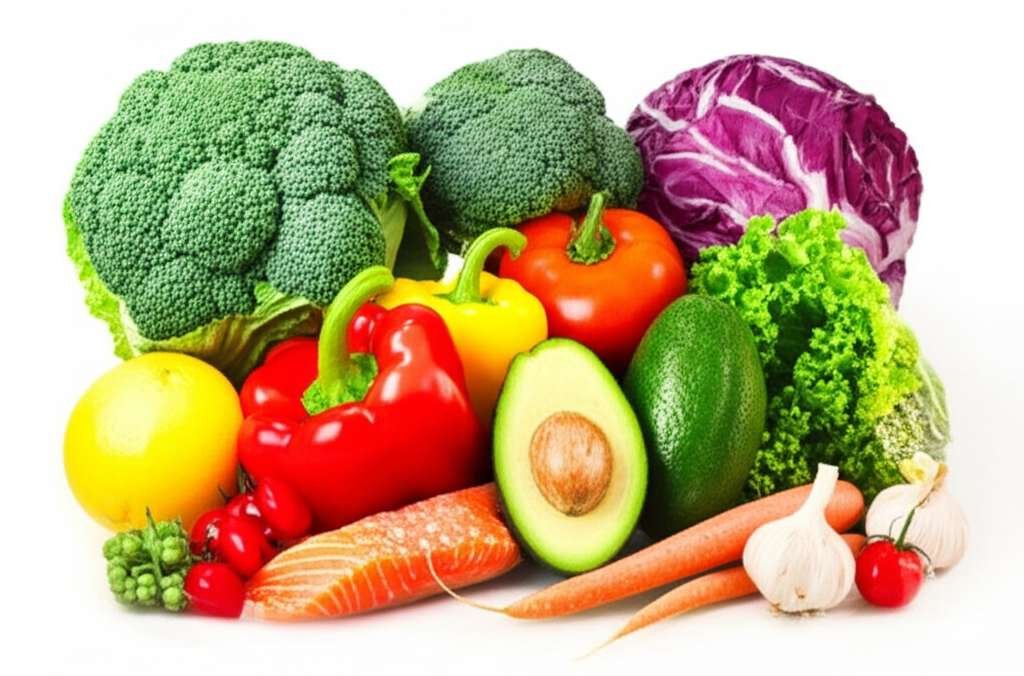
Struggling with PCOS weight loss? A 7-day PCOS diet plan PDF can be your simple, science-backed guide. Focus on whole foods, managing blood sugar, and reducing inflammation with easy-to-follow meal ideas. This plan helps you build sustainable habits without feeling overwhelmed.
Dealing with Polycystic Ovary Syndrome (PCOS) can feel like a puzzle, especially when it comes to weight management. It’s totally normal to feel confused about what to eat when you’re trying to lose weight and manage PCOS symptoms. You’re not alone in this journey!
But what if there was a clear, simple way to approach your diet that actually works? This guide is designed to be your friendly, step-by-step roadmap. We’ll break down exactly what a PCOS-friendly diet looks like, making it easy to understand and put into practice.
Get ready to discover a practical 7-day PCOS diet plan that’s not about restriction, but about nourishing your body. We’ll cover the essentials, offer meal ideas, and explain why certain foods make a difference. Let’s dive in and make managing PCOS feel much more achievable!
Understanding PCOS and Diet: Your Coach’s Take
Think of PCOS as a bit like your body’s internal communication system having a few crossed wires. This can affect your hormones, leading to things like irregular periods, acne, and yes, making weight loss a bit trickier. It’s not your fault; your body is just working a little differently.
The good news? Diet is a super powerful tool to help manage these symptoms. It’s not about drastic diets; it’s about making smart, consistent food choices that support your body’s natural balance. We’ll focus on foods that help manage blood sugar levels and reduce inflammation, which are key players in PCOS.
My goal is to make this easy to grasp. We’ll cover the “why” behind the food choices in a way that makes sense, so you feel confident about what you’re putting on your plate. Ready to learn how to eat for PCOS relief?
Why a 7-Day PCOS Diet Plan PDF is Your Secret Weapon
A 7-day PCOS diet plan PDF is like having a cheat sheet for your week. It takes the guesswork out of meal planning, which is a huge win when you’re busy or just starting out. Having a clear plan means fewer decisions when you’re hungry and less chance of reaching for less healthy options.
It provides a structured yet flexible approach. You can see exactly what to eat for breakfast, lunch, and dinner, plus snacks. This helps you understand portion sizes, nutrient balance, and how different foods affect your body. Plus, having it as a PDF means you can easily access it on your phone or print it out!
This isn’t about perfection; it’s about progress. A 7-day plan is a great starting point to build healthy habits that you can adapt and continue beyond that week. Let’s explore what goes into making this plan effective.
The Core Principles of a PCOS-Friendly Diet
Before we jump into the 7-day plan, let’s talk about the foundations. These are the simple rules that make a big difference for managing PCOS through food.
1. Focus on Low Glycemic Index (GI) Foods
This sounds technical, but it’s simple! Foods with a low GI release sugar into your bloodstream slowly. This helps keep your blood sugar stable, which is crucial for managing insulin resistance, a common issue with PCOS. Think whole grains, non-starchy vegetables, and most fruits.
High-GI foods, like white bread, sugary cereals, and sweets, cause your blood sugar to spike and then crash. This can lead to cravings, fatigue, and more insulin resistance. We want to avoid those rollercoasters!
Examples of low-GI foods include:
- Oats
- Quinoa
- Brown rice
- Berries
- Apples
- Leafy greens
- Broccoli
- Nuts and seeds
2. Embrace Lean Protein and Healthy Fats
Protein and healthy fats help you feel full and satisfied, which is great for managing cravings and supporting weight loss. They also play a role in hormone production and reducing inflammation.
Good sources of lean protein include chicken, turkey, fish, eggs, tofu, and legumes. For healthy fats, think avocados, nuts, seeds, and olive oil. These foods help slow down digestion and prevent sharp blood sugar spikes.
3. Prioritize Fiber-Rich Foods
Fiber is your best friend with PCOS! It helps with digestion, keeps you feeling full, and is fantastic for blood sugar control. It basically acts like a sponge, slowing down sugar absorption.
Aim for plenty of vegetables, fruits, whole grains, and legumes. These foods are packed with fiber and essential nutrients that support overall health and PCOS symptom management. The more colorful your plate, the better!
4. Reduce Inflammatory Foods
PCOS is often linked to inflammation in the body. Certain foods can make this worse. While everyone is a bit different, common culprits include processed foods, sugary drinks, excessive saturated and trans fats, and refined carbohydrates.
By reducing these, you’re helping to calm your body’s inflammatory response. This can lead to feeling better overall and can support symptom relief. Focusing on whole, unprocessed foods is the best way to achieve this.
5. Stay Hydrated
Drinking enough water is fundamental for everything your body does, including metabolism and toxin removal. Sometimes, thirst can be mistaken for hunger, so staying hydrated can help manage appetite too.
Aim for at least 8 glasses of water a day. Herbal teas also count! Avoid sugary drinks like soda and fruit juices, which can negatively impact blood sugar levels.
Your 7-Day PCOS Diet Plan: A Sample Menu
Here’s a sample 7-day PCOS diet plan designed to be simple, delicious, and effective. Remember, this is a template; feel free to swap meals around or adjust portion sizes based on your hunger and energy needs. The key is to stick to the principles we just discussed!
Day 1: Getting Started
- Breakfast: Oatmeal with berries and a sprinkle of almonds.
- Lunch: Large salad with grilled chicken or chickpeas, mixed greens, cucumber, tomatoes, and an olive oil-based dressing.
- Dinner: Baked salmon with roasted broccoli and a small serving of quinoa.
- Snack: Apple slices with a tablespoon of almond butter.
Day 2: Plant-Powered
- Breakfast: Scrambled eggs with spinach and a side of avocado.
- Lunch: Lentil soup with a side of whole-grain crackers.
- Dinner: Stir-fry with tofu or lean beef, loaded with colorful vegetables (peppers, snap peas, carrots) and a light soy-ginger sauce, served with brown rice.
- Snack: A handful of walnuts.
Day 3: Mediterranean Flavors
- Breakfast: Greek yogurt with chia seeds and a few raspberries.
- Lunch: Tuna salad (made with Greek yogurt or avocado instead of mayo) served in lettuce cups with cherry tomatoes.
- Dinner: Grilled chicken skewers with a Greek salad (cucumber, tomatoes, olives, feta cheese) and a small side of whole-wheat couscous.
- Snack: A pear.
Day 4: Comforting & Nourishing
- Breakfast: Smoothie made with unsweetened almond milk, spinach, half a banana, protein powder, and flax seeds.
- Lunch: Leftover chicken skewers and Greek salad from Day 3.
- Dinner: Turkey meatballs in a sugar-free tomato sauce with zucchini noodles (zoodles).
- Snack: A small bowl of mixed berries.
Day 5: Fish Friday
- Breakfast: Whole-grain toast with mashed avocado and a sprinkle of red pepper flakes.
- Lunch: Salmon salad (using leftover salmon from Day 1 or canned salmon) with mixed greens and lemon-tahini dressing.
- Dinner: Baked cod with asparagus and a small sweet potato.
- Snack: A small handful of almonds and a few dried apricots (watch portion size on dried fruit).
Day 6: Weekend Vibes
- Breakfast: Veggie omelet with mushrooms, onions, and bell peppers.
- Lunch: Chicken or turkey lettuce wraps with shredded carrots and a light peanut sauce.
- Dinner: Lean ground beef or turkey chili packed with beans and vegetables, topped with a dollop of Greek yogurt.
- Snack: Edamame (steamed).
Day 7: Prep & Reset
- Breakfast: Overnight oats made with rolled oats, almond milk, chia seeds, and a touch of cinnamon.
- Lunch: Leftover chili from Day 6.
- Dinner: Roasted chicken breast with a large serving of steamed green beans and a side of cauliflower rice.
- Snack: A hard-boiled egg.
Understanding the “Why” Behind the Meals
Let’s break down why these food choices are so beneficial for PCOS. It’s not magic; it’s science made simple!
Blood Sugar Balance
Notice how most meals include a source of protein, healthy fat, and fiber? This combination is key to slowing down sugar absorption. For example, pairing your berries (carbs) with Greek yogurt (protein/fat) or nuts (fat/fiber) stabilizes your blood sugar response. This helps manage insulin resistance and reduces those energy crashes that can lead to cravings.
Inflammation Control
We’ve focused on whole, unprocessed foods. Foods like salmon (rich in omega-3s), colorful vegetables (packed with antioxidants), and olive oil are known for their anti-inflammatory properties. By minimizing processed items, refined sugars, and unhealthy fats, you’re actively helping to reduce inflammation in your body.
Satiety and Cravings
Protein and healthy fats are very filling. When you feel satisfied after a meal, you’re less likely to overeat or crave unhealthy snacks shortly after. This is why meals are built around these macronutrients, helping you feel sustained throughout the day.
Nutrient Density
PCOS can sometimes be associated with certain nutrient deficiencies. This plan emphasizes nutrient-dense foods, meaning they pack a lot of vitamins, minerals, and antioxidants into a relatively small number of calories. Think of it as giving your body the best building blocks.
Tips for Making Your 7-Day PCOS Diet Plan PDF Work
Having a plan is one thing; making it work for you is another! Here are some practical tips to ensure your 7-day journey is a success.
Meal Prep is Your Friend
Dedicate a few hours on the weekend to wash and chop veggies, cook grains like quinoa or brown rice, and prepare proteins like grilled chicken or hard-boiled eggs. Having these prepped makes assembling meals during the week a breeze. It saves time and reduces the temptation to grab quick, less healthy options.
Hydration Station
Keep a reusable water bottle with you throughout the day. Set reminders on your phone if you tend to forget. Herbal teas are also a great way to stay hydrated and can be soothing. Aim for at least 2-3 liters of water daily.
Listen to Your Body
This plan is a guide, not a rigid rulebook. If you’re feeling unusually hungry, add an extra healthy snack like a handful of nuts or some cucumber slices. If a meal doesn’t sit well, note it and adjust for next time. Your body will tell you what it needs.
Smart Snacking
Snacks are included to prevent extreme hunger between meals, which can lead to overeating. Choose snacks that combine protein, healthy fat, or fiber. This keeps your blood sugar stable and your energy levels consistent.
Mindful Eating
Try to eat without distractions whenever possible. Pay attention to the taste, texture, and smell of your food. This helps you recognize your body’s fullness cues better and can increase satisfaction with your meals.
Flexibility is Key
Life happens! If you miss a meal or need to eat out, don’t stress. Just get back on track with your next meal. It’s about consistency over time, not perfection every single day. Don’t let one “off” meal derail your entire effort.
Beyond the 7 Days: Sustainable PCOS Eating
This 7-day plan is a fantastic launchpad, but the real goal is to build sustainable habits. Think of this week as a learning experience to discover what works best for your body and lifestyle.
Continue focusing on the core principles: low GI, lean protein, healthy fats, and fiber. Gradually incorporate more variety and explore new recipes that fit these guidelines. The key is making gradual, manageable changes rather than trying to overhaul everything at once.
Consider tracking your progress not just by weight, but by how you feel. Are your energy levels improving? Is your digestion better? Are PCOS symptoms becoming more manageable? These are all important indicators of success.
For more in-depth guidance on managing PCOS through diet and lifestyle, resources like the American Endocrine Society’s patient information on PCOS can offer further insights from medical professionals.
Frequently Asked Questions (FAQs)
Is a 7-day PCOS diet plan PDF suitable for beginners?
Absolutely! This type of plan is designed to be beginner-friendly. It simplifies meal choices and provides a clear structure, taking the confusion out of what to eat. It’s a great way to start building healthy habits without feeling overwhelmed.
Can this diet plan help with weight loss for PCOS?
Yes, it can significantly support weight loss. By focusing on blood sugar balance, reducing inflammation, and promoting satiety with lean proteins and healthy fats, this approach helps your body become more efficient at managing weight. Remember, consistency is key!
What if I have dietary restrictions or allergies?
This plan is a template. If you have restrictions (like gluten-free, dairy-free, vegetarian, or vegan), you can easily adapt it. For example, swap dairy yogurt for unsweetened almond or soy yogurt, or replace chicken with tofu or lentils. Always ensure you’re meeting your nutritional needs with safe alternatives.
How much water should I drink on this plan?
Aim for at least 8 glasses (about 2 liters or 0.5 gallons) of water per day. Staying hydrated is crucial for metabolism, energy levels, and overall health, especially when managing PCOS. You can also include herbal teas.
What are some good snack options if I get hungry between meals?
Great snack options include a handful of almonds or walnuts, an apple with a tablespoon of almond butter, Greek yogurt with a few berries, a hard-boiled egg, or some raw veggies like carrot sticks or cucumber slices with hummus. These snacks offer protein, healthy fats, or fiber to keep you full.
Is it okay to eat out while following this PCOS diet plan?
Yes, it’s possible to eat out while sticking to PCOS-friendly principles. Look for grilled or baked lean proteins, plenty of vegetables, and ask for sauces or dressings on the side. Opt for whole grains when available and avoid fried foods and sugary drinks. It’s about making the best choice available.
How do I get a PCOS diet plan PDF?
Many health and wellness websites offer free downloadable PCOS diet plans in PDF format. You can search online for “free 7-day PCOS diet plan PDF” or “PCOS meal plan PDF.” Always ensure the source is reputable and provides science-backed information. Some nutritionists or dietitians also offer these as part of their services.
Conclusion
Navigating PCOS can feel overwhelming, but managing your diet doesn’t have to be complicated. This 7-day PCOS diet plan is designed to be your easy-to-follow guide, focusing on whole, nourishing foods that support blood sugar balance and reduce inflammation. By incorporating lean proteins, healthy fats, and plenty of fiber, you’re giving your body the tools it needs to feel its best.
Remember, this plan is a starting point. Listen to your body, make adjustments as needed, and celebrate the small victories along the way. Consistency and a positive approach are your greatest allies. You’ve got this!
As an Amazon Associate, We earn from qualifying purchases. When you purchase a product through Amazon links on pulsefitguide.com, we may earn a small commission at no extra cost to you. This helps support the site and keep our content free.
