


Lose weight with PCOS without exercise by focusing on targeted nutrition, stress management, and sleep optimization. These “effortless secrets” address the hormonal imbalances that make weight loss challenging for those with PCOS, leading to sustainable results without the need for strenuous workouts.
Dealing with Polycystic Ovary Syndrome (PCOS) can make weight loss feel like an uphill battle. You might be wondering if it’s even possible to shed those extra pounds without hitting the gym every single day. It’s completely understandable to feel frustrated when the scale doesn’t budge, even when you’re trying your best.
But here’s some great news: you absolutely can make progress with your weight goals, even if exercise isn’t your favorite thing or simply isn’t an option right now. This guide is here to show you how, with simple, science-backed strategies that focus on what truly matters for PCOS.
We’ll dive into easy-to-follow tips that tackle the root causes of weight challenges with PCOS, making your journey feel more manageable and less daunting. Get ready to discover how to lose weight with PCOS without exercise, using secrets that feel effortless and deliver real results.
Understanding Weight Loss Challenges with PCOS
PCOS is a hormonal disorder that affects many women, and one of its most common symptoms is difficulty with weight management. This isn’t about willpower; it’s about how your body works differently when you have PCOS.
Key hormonal imbalances, like insulin resistance, play a big role. Insulin is a hormone that helps sugar from your food get into your cells for energy. When you have insulin resistance, your body needs more insulin to do this job. This extra insulin can signal your body to store more fat, especially around your abdomen, and make it harder to burn stored fat.
Other hormones, like androgens (often called “male hormones” though women have them too), can also be higher in women with PCOS. These can affect metabolism and contribute to weight gain. Plus, inflammation is often a factor, making your body less efficient at regulating weight.
This complex hormonal environment can slow down your metabolism and increase your appetite, making it feel like you’re fighting against your own body. Understanding these underlying factors is the first step to finding effective, non-exercise-based solutions.
Effortless Secret #1: Smart Nutrition for PCOS
When you have PCOS, what you eat is incredibly powerful. Focusing on the right foods can help manage your hormones, reduce inflammation, and improve insulin sensitivity – all crucial for weight loss, even without exercise.
The goal isn’t deprivation; it’s about making smart, delicious choices that support your body. Think of it as fueling yourself for success!
Embrace Low Glycemic Index (GI) Foods
The Glycemic Index (GI) measures how quickly a food raises your blood sugar levels. Foods with a low GI release sugar slowly, preventing those sharp spikes and crashes that can lead to cravings and fat storage. This is especially helpful for managing insulin resistance.
Low GI Foods to Focus On:
- Non-starchy vegetables: Broccoli, spinach, kale, bell peppers, zucchini, asparagus.
- Legumes: Lentils, chickpeas, black beans, kidney beans.
- Whole grains: Oats, quinoa, barley, farro (in moderation).
- Fruits: Berries, apples, pears, cherries, peaches.
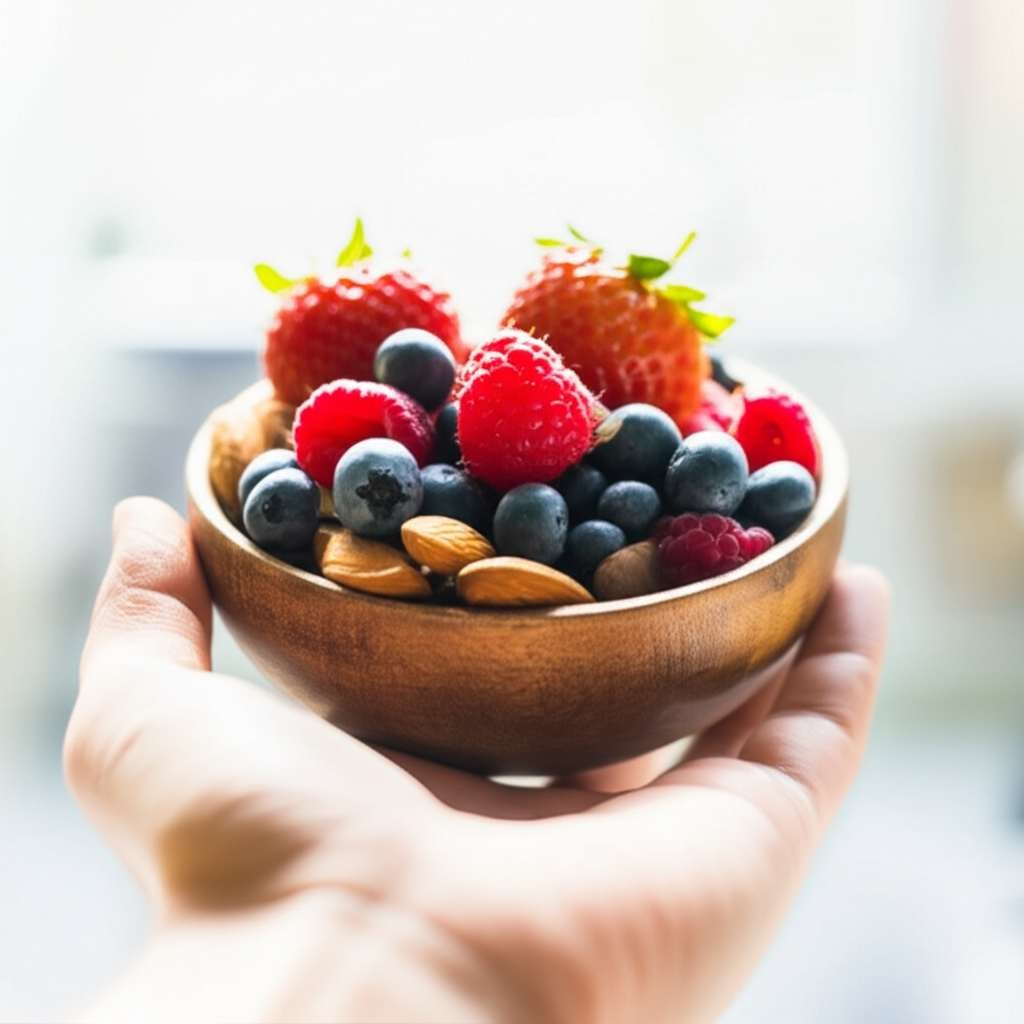
- Healthy fats: Avocado, nuts, seeds, olive oil.
These foods help keep your blood sugar stable, which can reduce cravings and support your body’s fat-burning processes. You can find extensive lists of GI values from reputable sources like the University of Sydney’s GI database: Glycemic Index website.
Prioritize Protein and Healthy Fats
Protein and healthy fats are your best friends when managing PCOS and weight. They help you feel full and satisfied for longer, reducing the urge to snack on less healthy options. They also play a vital role in hormone balance and reducing inflammation.
Protein Sources:
- Lean meats: Chicken, turkey, lean beef.
- Fish: Salmon, mackerel, sardines (rich in omega-3s).
- Eggs.
- Plant-based proteins: Tofu, tempeh, beans, lentils.
- Greek yogurt (plain).
Healthy Fat Sources:
- Avocado.
- Nuts and seeds: Almonds, walnuts, chia seeds, flaxseeds.
- Olive oil.
- Fatty fish.
Including a source of protein and healthy fat with every meal and snack can make a significant difference in managing hunger and stabilizing blood sugar. This simple strategy can help you eat less overall without feeling deprived.
Limit Processed Foods and Added Sugars
These are often the biggest culprits when it comes to inflammation and blood sugar spikes. Processed foods, sugary drinks, white bread, pastries, and sweets can quickly derail your efforts.
They are often low in nutrients and fiber, leading to quick energy boosts followed by crashes, and they don’t keep you full. For PCOS, cutting back here is essential for hormonal balance and weight management.
What to Watch Out For:
- Sugary drinks: Soda, fruit juices, sweetened teas and coffees.
- Baked goods: Cakes, cookies, pastries, donuts.
- Processed snacks: Chips, crackers, candy bars.
- White bread, white pasta, white rice.
- Fast food and pre-packaged meals high in sodium and unhealthy fats.
Making gradual swaps, like choosing water over soda or opting for whole fruit over juice, can lead to big wins over time. Your body will thank you for it!
Hydration is Key
Drinking enough water is often overlooked but is crucial for overall health and can aid in weight management. Water helps with digestion, metabolism, and can even help you feel fuller, reducing your calorie intake.
Aim for at least 8 glasses (about 2 liters) of water per day. You can increase this if you’re active or in a hot climate. Herbal teas also count towards your fluid intake and can offer additional benefits, like chamomile for relaxation or peppermint for digestion.
Effortless Secret #2: Stress Management for Hormonal Harmony
Stress is a major disruptor for anyone, but for those with PCOS, it can significantly impact hormones and hinder weight loss. When you’re stressed, your body releases cortisol, a hormone that can increase appetite, promote fat storage (especially in the belly), and worsen insulin resistance.
Learning to manage stress is not just about feeling better; it’s a powerful tool for weight loss with PCOS, and it doesn’t have to involve intense workouts.
Mindfulness and Deep Breathing
These practices are incredibly effective for calming the nervous system and reducing cortisol levels. They require no special equipment and can be done anywhere, anytime.
Simple Techniques:
- Deep Belly Breathing: Sit or lie comfortably. Place one hand on your chest and the other on your belly. Inhale slowly through your nose, feeling your belly rise (your chest should move very little). Exhale slowly through your mouth. Repeat for 5-10 minutes.
- Mindful Observation: When you feel stressed, take a moment to notice your surroundings. What do you see, hear, smell, taste, and feel? This brings you into the present moment and away from stressful thoughts.
Even just a few minutes of deep breathing each day can make a difference in how your body responds to stress.
Gentle Movement and Relaxation
While we’re focusing on losing weight without exercise, gentle movement is different. It’s about promoting relaxation and reducing tension, not burning calories intensely. Think of it as active recovery for your mind and body.
Examples:
- Stretching: Gentle, full-body stretches can release muscle tension built up from stress.
- Walking: A leisurely walk in nature can be incredibly calming and reduce stress hormones.
- Yoga or Tai Chi: These practices often combine mindful movement with breathwork and are excellent for stress reduction. Many beginner-friendly, low-impact classes are available online.
The key is to choose activities that feel enjoyable and relaxing, not like a chore. The goal is to de-stress, not to exhaust yourself.
Prioritize Quality Sleep
Sleep is when your body repairs itself and regulates hormones. Poor sleep can lead to increased cortisol, disrupted appetite hormones (ghrelin and leptin), and worsened insulin resistance, all of which make weight loss harder.
Tips for Better Sleep:
- Consistent Schedule: Go to bed and wake up around the same time every day, even on weekends.
- Create a Relaxing Bedtime Routine: This could include reading, taking a warm bath, or gentle stretching.
- Optimize Your Sleep Environment: Make your bedroom dark, quiet, and cool.
- Limit Screen Time Before Bed: The blue light from phones and computers can interfere with melatonin production.
- Avoid Caffeine and Heavy Meals Late: Especially in the hours before sleep.
Getting 7-9 hours of quality sleep per night is a powerful, effortless way to support your weight loss efforts with PCOS.
Effortless Secret #3: Lifestyle Tweaks for Sustainable Results
Beyond nutrition and stress, a few other lifestyle adjustments can significantly support your weight loss journey with PCOS, making it feel more effortless and sustainable.
Consider Supplements (With Professional Guidance)
Some supplements have shown promise in helping manage PCOS symptoms and support weight loss. However, it’s crucial to talk to your doctor or a registered dietitian before starting any new supplement, as they can interact with medications or have contraindications.
Commonly Discussed Supplements for PCOS:
- Inositol (Myo-inositol and D-chiro-inositol): These are often recommended for improving insulin sensitivity and hormone balance.
- Omega-3 Fatty Acids: Found in fish oil, these can help reduce inflammation.
- Vitamin D: Many women with PCOS are deficient, and it plays a role in hormone regulation and mood.
- Magnesium: Can help with insulin sensitivity and stress reduction.
Remember, supplements are meant to supplement a healthy diet and lifestyle, not replace them. They are a helpful tool for some, but not a magic bullet.
Manage Your Environment
Sometimes, small changes to your surroundings can make a big difference. If you’re trying to eat healthier, make your kitchen a healthy-food-friendly zone.
Tips:
- Stock Up on Healthy Foods: Keep your fridge and pantry filled with fruits, vegetables, lean proteins, and whole grains.
- Pre-portion Snacks: If you tend to overeat nuts or seeds, put them into small bags or containers.
- Keep Unhealthy Foods Out of Sight: If you have treats, store them in a place that requires more effort to access, or better yet, don’t buy them in the first place.
Making healthy choices the easiest choices is a powerful, effortless strategy.
Track Your Progress (Beyond the Scale)
The scale can be frustrating, especially with PCOS. Instead of relying solely on it, track other indicators of progress. This can be incredibly motivating and help you stay on track.
What to Track:
- Energy Levels: Do you feel more energetic throughout the day?
- Mood: Has your mood improved? Are you experiencing fewer mood swings?
- Skin and Hair: Have symptoms like acne or hair thinning improved?
- Menstrual Cycle Regularity: Has your cycle become more predictable?
- How Your Clothes Fit: Are they feeling looser?
- Sleep Quality: Are you sleeping better?
Focusing on these non-scale victories can provide a more holistic view of your health improvements and keep you motivated even when the scale isn’t moving as quickly as you’d like.
Putting It All Together: A Sample Day
To illustrate how these effortless secrets can work, here’s a sample day that prioritizes PCOS-friendly nutrition and stress management without intense exercise.
Morning:
- Wake up and drink a large glass of water.
- Engage in 5 minutes of deep breathing exercises.
- Breakfast: A smoothie made with unsweetened almond milk, a scoop of protein powder, spinach, half a banana, and chia seeds. This provides protein, fiber, and healthy fats to keep you full.
Mid-morning Snack (if needed):
- A small handful of almonds or a hard-boiled egg.
Lunch:
- Large salad with mixed greens, grilled chicken or chickpeas, cucumber, bell peppers, avocado, and an olive oil-based dressing.
- A small portion of quinoa.
Afternoon:
- Take a short, leisurely walk (15-20 minutes) if you feel up to it, focusing on relaxation.
- Mindful breathing break if you feel stressed.
Dinner:
- Baked salmon with roasted broccoli and asparagus, seasoned with herbs and lemon.
- A small serving of lentils.
Evening:
- Herbal tea (like chamomile) to wind down.
- Read a book or listen to calming music.
- Aim for a consistent bedtime.
This sample day shows how you can build meals around nutrient-dense, low-GI foods, incorporate stress-reducing activities, and prioritize sleep, all contributing to your weight loss goals with PCOS.
Frequently Asked Questions (FAQs)
Can I really lose weight with PCOS without exercising at all?
Yes, it’s possible to achieve significant weight loss with PCOS by focusing on diet and lifestyle changes. While exercise is beneficial for overall health and can aid weight loss, it’s not the only path. By addressing hormonal imbalances through nutrition, stress management, and sleep, you can create an environment conducive to weight loss even without a formal exercise routine.
What foods should I absolutely avoid if I have PCOS and want to lose weight?
You should aim to minimize processed foods, added sugars, refined carbohydrates (like white bread, pasta, and sugary cereals), and sugary drinks. These foods can exacerbate insulin resistance and inflammation, which are common in PCOS and make weight loss more challenging.
How long does it typically take to see results with these non-exercise methods?
Patience is key! Results vary greatly from person to person. Some individuals may notice improvements in energy levels or reduced cravings within a few weeks. More significant weight loss might take several months. Consistent application of these strategies is more important than speed.
Are there any specific diets recommended for PCOS weight loss?
Diets that focus on whole, unprocessed foods, are low in refined carbohydrates and added sugars, and are rich in fiber, lean protein, and healthy fats are generally recommended. The Mediterranean diet, or a low-glycemic diet, often aligns well with these principles and can be very effective for managing PCOS and supporting weight loss.
What if I feel hungry all the time?
Persistent hunger can be a sign of blood sugar fluctuations or inadequate intake of protein and fiber. Ensure you’re eating balanced meals that include plenty of non-starchy vegetables, lean protein, and healthy fats. Staying well-hydrated also helps. If hunger persists, it’s a good idea to consult with a healthcare provider or a registered dietitian.
Can stress management alone lead to weight loss with PCOS?
While stress management is a powerful tool for reducing cortisol and improving hormonal balance, it’s most effective when combined with smart nutrition. Stress management can make it easier for your body to respond to dietary changes and can help reduce stress-related cravings, but it’s rarely sufficient on its own for substantial weight loss.
Conclusion
Losing weight with PCOS without exercise is not only possible but can be an empowering journey when you focus on the right strategies. By understanding how PCOS affects your body and implementing targeted nutrition, effective stress management techniques, and healthy lifestyle habits, you can create sustainable change.
Remember, this is about nurturing your body and supporting its natural processes. The focus on low-GI foods, ample protein and healthy fats, and limiting processed items helps stabilize your blood sugar and hormones. Gentle stress reduction practices and prioritizing quality sleep calm your body’s stress response and aid in hormonal balance. Small lifestyle tweaks, like managing your environment and tracking non-scale victories, further support your progress.
You have the power to make these changes. Start small, be consistent, and celebrate every step forward. By embracing these effortless secrets, you’re not just aiming for weight loss; you’re investing in your overall health and well-being, paving the way for a more balanced and vibrant life with PCOS.
As an Amazon Associate, We earn from qualifying purchases. When you purchase a product through Amazon links on pulsefitguide.com, we may earn a small commission at no extra cost to you. This helps support the site and keep our content free.
