


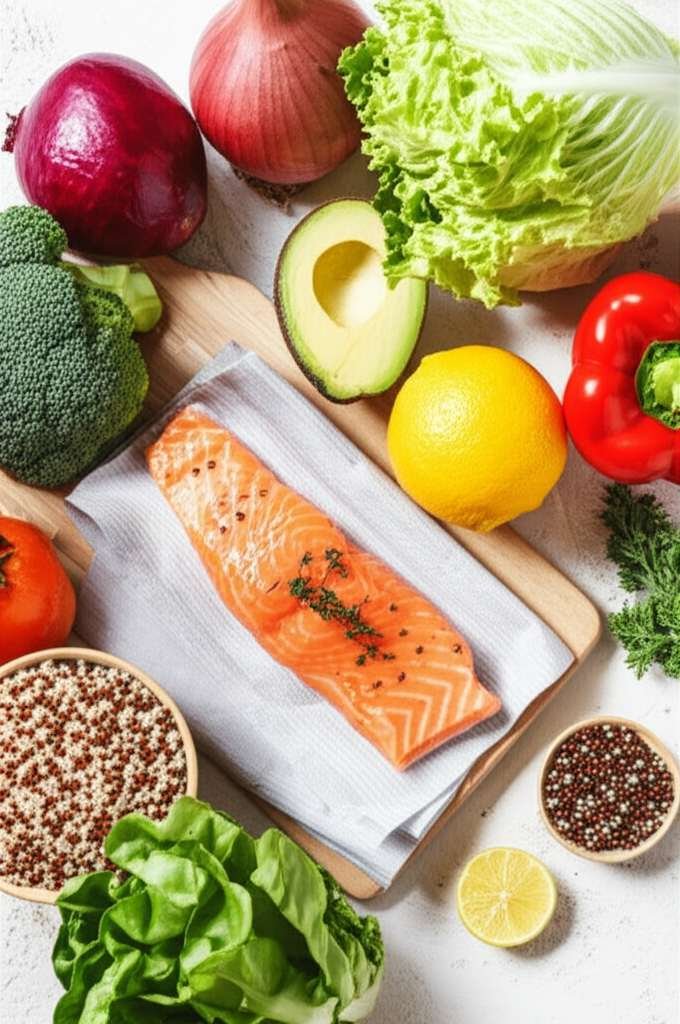
Losing weight with PCOS and hypothyroidism is achievable through a focused approach on diet, exercise, and stress management. This guide offers practical, science-backed strategies to help you navigate these conditions and reach your weight loss goals.
It can feel like you’re fighting an uphill battle when trying to lose weight, especially if you’re managing Polycystic Ovary Syndrome (PCOS) and hypothyroidism. These conditions can make weight loss feel slower or more challenging than for others.
But don’t get discouraged! It’s absolutely possible to achieve your weight loss goals with the right knowledge and a supportive plan. Think of me as your coach, here to break down exactly what you need to do, step by step.
We’ll explore simple, effective strategies tailored to your needs. Get ready to understand your body better and make real progress.
Understanding PCOS and Hypothyroidism: The Basics

Before we dive into the “how-to,” it’s helpful to know a little about what’s going on in your body. PCOS and hypothyroidism are common conditions that can affect your metabolism and how your body stores fat.
PCOS is a hormonal disorder common among women of reproductive age. It can cause irregular periods, excess androgen levels, and polycystic ovaries. One of its common side effects is insulin resistance, which makes it harder for your body to use glucose for energy, leading to weight gain.
Hypothyroidism, on the other hand, means your thyroid gland doesn’t produce enough thyroid hormones. These hormones are crucial for regulating your metabolism, which is how your body converts food into energy. When your thyroid is underactive, your metabolism can slow down, making weight loss more difficult.
The good news is that managing these conditions often involves similar lifestyle changes. By focusing on these key areas, you can positively impact both PCOS and hypothyroidism, making weight loss more attainable.
The Pillars of Weight Loss with PCOS and Hypothyroidism
Weight loss in these situations isn’t about quick fixes. It’s about building sustainable habits that support your hormonal balance and metabolism. We’ll focus on three main areas: nutrition, exercise, and stress management.
Each of these pillars plays a vital role in helping your body function optimally and shed unwanted weight. Let’s break them down.
1. Nutrition: Fueling Your Body Wisely
What you eat has a huge impact on your hormones and metabolism. The goal is to choose foods that help manage insulin levels, reduce inflammation, and provide sustained energy.
Forget restrictive diets that leave you feeling deprived. We’re aiming for balanced, nutrient-dense meals that make you feel good and support your body’s needs.
Managing Blood Sugar: The Key to PCOS and Weight Loss
Insulin resistance is a big player in PCOS, and it can also be a factor with hypothyroidism. When your body doesn’t use insulin effectively, it can lead to storing more fat, especially around your belly. Managing blood sugar is therefore super important.
This means focusing on foods that release sugar into your bloodstream slowly. Think complex carbohydrates and healthy fats, rather than simple sugars and refined grains.
Key Dietary Strategies:
- Focus on Whole Foods: Base your meals around vegetables, fruits, lean proteins, and healthy fats. These are packed with nutrients and fiber, which help keep you full and manage blood sugar.
- Choose Complex Carbohydrates: Opt for whole grains like oats, quinoa, brown rice, and whole wheat bread. These have more fiber and digest slower than white bread or sugary cereals. You can learn more about healthy carbohydrates from the Harvard T.H. Chan School of Public Health.
- Include Lean Proteins: Protein helps you feel full and supports muscle growth, which boosts metabolism. Good sources include chicken, fish, turkey, beans, lentils, tofu, and eggs.
- Embrace Healthy Fats: Fats are essential for hormone production and satiety. Include avocados, nuts, seeds, olive oil, and fatty fish like salmon.
- Increase Fiber Intake: Fiber, found in fruits, vegetables, and whole grains, slows digestion, stabilizes blood sugar, and promotes gut health. Aim for at least 25-30 grams per day.
- Limit Processed Foods and Added Sugars: These can spike blood sugar, increase inflammation, and contribute to weight gain. Read labels and try to avoid items with long ingredient lists and high sugar content.
- Stay Hydrated: Drinking plenty of water is crucial for metabolism and can help you feel full. Aim for at least 8 glasses a day.
Sample Meal Ideas:
Here are some simple meal ideas to get you started:
- Breakfast: Oatmeal with berries and a sprinkle of nuts, or scrambled eggs with spinach and avocado.
- Lunch: Large salad with grilled chicken or chickpeas, mixed greens, colorful vegetables, and an olive oil-based dressing, or lentil soup with a side of whole-grain bread.
- Dinner: Baked salmon with roasted broccoli and quinoa, or turkey stir-fry with plenty of mixed vegetables and a small portion of brown rice.
- Snacks: Apple slices with almond butter, a handful of almonds, Greek yogurt with berries, or hard-boiled eggs.
2. Exercise: Moving Your Body for Health and Metabolism
Exercise is a powerful tool for managing both PCOS and hypothyroidism. It helps improve insulin sensitivity, boosts your mood, and burns calories, all of which contribute to weight loss.
The best exercise plan is one you enjoy and can stick with. It’s about finding a balance between different types of movement.
Types of Exercise to Focus On:
- Cardiovascular Exercise (Cardio): This type of exercise gets your heart rate up and burns calories. Aim for at least 150 minutes of moderate-intensity cardio per week. Examples include brisk walking, jogging, cycling, swimming, or dancing.
- Strength Training: Building muscle is key! Muscle tissue burns more calories at rest than fat tissue, so increasing your muscle mass can help boost your metabolism. Aim for 2-3 sessions per week, working all major muscle groups. You can use weights, resistance bands, or even your own body weight.
- High-Intensity Interval Training (HIIT): Short bursts of intense exercise followed by brief recovery periods can be very effective for burning fat and improving cardiovascular health. However, it’s important to listen to your body and not overdo it, especially when starting out.
- Flexibility and Mind-Body Exercises: Activities like yoga and Pilates can help reduce stress, improve flexibility, and build core strength. They can be a great complement to other forms of exercise.
Getting Started with Exercise:
If you’re new to exercise, start slowly and gradually increase the intensity and duration. Consistency is more important than intensity when you’re beginning.
- Consult Your Doctor: Before starting any new exercise program, it’s always a good idea to check in with your healthcare provider, especially with existing health conditions.
- Start Small: Begin with 20-30 minutes of activity a few times a week. A daily walk is a fantastic starting point.
- Find Activities You Love: Whether it’s dancing, hiking, or playing a sport, you’re more likely to stick with it if it’s enjoyable.
- Incorporate Strength Training: Start with bodyweight exercises like squats, lunges, push-ups (even on your knees!), and planks.
- Listen to Your Body: Rest when you need to, and don’t push yourself too hard, especially when you’re first starting.
- Be Patient: It takes time to build fitness and see results. Celebrate small victories along the way!
3. Stress Management: The Often-Overlooked Factor
Stress can wreak havoc on your hormones, including cortisol. High cortisol levels can lead to increased appetite, fat storage (especially around the midsection), and can worsen symptoms of both PCOS and hypothyroidism.
Finding healthy ways to manage stress is not just good for your mental well-being; it’s crucial for your weight loss journey.
Effective Stress-Busting Techniques:
- Mindfulness and Meditation: Even just a few minutes a day can make a difference. Apps like Calm or Headspace can guide you.
- Deep Breathing Exercises: Simple, yet powerful. Inhale deeply through your nose, hold for a few seconds, and exhale slowly through your mouth.
- Adequate Sleep: Aim for 7-9 hours of quality sleep per night. Poor sleep can disrupt hormones and increase cravings. Establish a relaxing bedtime routine.
- Gentle Movement: As mentioned, activities like yoga or a gentle walk can help release tension.
- Spending Time in Nature: Being outdoors has been shown to reduce stress levels.
- Hobbies and Enjoyable Activities: Make time for things you love, whether it’s reading, listening to music, or spending time with loved ones.
- Setting Boundaries: Learning to say “no” to commitments that overextend you is a form of self-care.
Prioritizing stress management can significantly impact your body’s ability to lose weight and feel its best. It’s a foundational element for hormonal health.
Putting It All Together: A Step-by-Step Approach
Now that we’ve covered the key areas, let’s create a simple plan to help you implement these strategies.
Step 1: Consult Your Healthcare Team
This is the most important first step. Work with your doctor and potentially a registered dietitian or endocrinologist. They can help manage your medication for hypothyroidism and provide personalized advice for your PCOS.
They can also rule out any other underlying issues and ensure your plan is safe and effective for you. Understanding your specific hormone levels and thyroid function is crucial.
Step 2: Assess Your Current Habits
Before making big changes, take a honest look at your current diet, activity levels, and stress triggers. What’s working? What’s not?
You might find it helpful to keep a journal for a week, noting what you eat, when you exercise, how you feel, and your sleep patterns. This can reveal patterns you might not have noticed.
Step 3: Set Realistic Goals
Instead of aiming for drastic weight loss, focus on small, achievable goals. For example, “add one serving of vegetables to my dinner” or “go for a 20-minute walk three times this week.”
These smaller wins build confidence and momentum, making the journey feel less overwhelming. Remember, sustainable weight loss is typically 1-2 pounds per week.
Step 4: Gradually Implement Dietary Changes
Don’t try to overhaul your entire diet overnight. Start by making one or two changes at a time.
Perhaps you’ll focus on cutting out sugary drinks first, or adding more lean protein to your breakfast. Once that feels like a habit, introduce another change.
Step 5: Build a Consistent Exercise Routine
Start with activities you enjoy and can realistically fit into your schedule. If morning workouts feel impossible, try an evening walk or a lunchtime session.
Consistency is key. Even short, regular workouts are more beneficial than occasional intense sessions.
Step 6: Prioritize Sleep and Stress Reduction
Make sleep a non-negotiable. Create a relaxing bedtime routine and try to go to bed and wake up around the same time each day, even on weekends.
Actively incorporate stress-relief techniques into your day. Schedule them if you have to, just like you would an appointment.
Step 7: Track Your Progress and Adjust
Monitor your weight, measurements, how your clothes fit, and more importantly, how you feel. Are you more energetic? Is your mood improving?
Your body is unique. What works for one person might not work for another. Be prepared to adjust your plan based on your results and how you’re feeling. This is a marathon, not a sprint.
Common Pitfalls and How to Overcome Them
It’s normal to face challenges. Here are some common hurdles and how to navigate them:
1. Feeling Overwhelmed
Solution: Break everything down into the smallest possible steps. Focus on mastering one habit at a time before adding another. Celebrate every small success!
2. Cravings
Solution: Identify your triggers. Are you bored, stressed, or truly hungry? Have healthy snacks readily available. Sometimes a craving can be satisfied by a glass of water or a short walk.
3. Slow Weight Loss Progress
Solution: Be patient! Weight loss with PCOS and hypothyroidism can be slower. Focus on non-scale victories like increased energy, better sleep, or clothes fitting looser. Trust the process and your healthcare team’s guidance.
4. Plateaus
Solution: Plateaus are normal. Re-evaluate your diet and exercise. Are you still eating the same amount as when you started? Could you increase your exercise intensity slightly? Sometimes a small change can help break through.
5. Lack of Motivation
Solution: Reconnect with your “why.” Remind yourself why you started this journey. Find an accountability partner, join a supportive online community, or revisit your progress and celebrate how far you’ve come.
The Role of Medical Management
It’s essential to remember that lifestyle changes are most effective when complemented by appropriate medical management. For hypothyroidism, this typically involves thyroid hormone replacement medication prescribed by your doctor. It’s crucial to take this medication as directed for your metabolism to function optimally.
For PCOS, management might include medication to help with insulin resistance (like Metformin), hormonal birth control to regulate cycles, or other treatments depending on your specific symptoms. Always discuss these options with your healthcare provider.
A well-managed hormonal and metabolic state provides a stronger foundation for successful weight loss.
Nutritional Considerations: A Deeper Dive
Let’s look a bit closer at some specific nutritional aspects that are particularly helpful for PCOS and hypothyroidism.
Anti-Inflammatory Foods
Both PCOS and hypothyroidism can be associated with inflammation. Incorporating anti-inflammatory foods can help manage symptoms and support weight loss.
Foods to Emphasize:
- Fatty Fish: Salmon, mackerel, sardines (rich in Omega-3 fatty acids).
- Berries: Blueberries, strawberries, raspberries (packed with antioxidants).
- Leafy Greens: Spinach, kale, Swiss chard (vitamins, minerals, and antioxidants).
- Nuts and Seeds: Almonds, walnuts, chia seeds, flaxseeds (healthy fats and fiber).
- Turmeric and Ginger: Powerful anti-inflammatory spices.
- Olive Oil: A staple of the Mediterranean diet, known for its anti-inflammatory properties.
Gut Health
A healthy gut microbiome is linked to better hormone balance and improved metabolism. Fiber-rich foods feed beneficial gut bacteria.
Tips for Gut Health:
- Eat Plenty of Fiber: Aim for a variety of fruits, vegetables, and whole grains.
- Include Fermented Foods: Yogurt with live cultures, kefir, sauerkraut, and kimchi can introduce beneficial bacteria.
- Stay Hydrated: Water is essential for digestive function.
You can find more information on the gut microbiome’s role in health from resources like the National Institutes of Health (NIH).
Sample Weekly Meal Plan Structure
Here’s a template to help you visualize a balanced week. Remember to adjust portion sizes based on your individual needs and consult with a dietitian.
| Meal | Monday | Tuesday | Wednesday | Thursday | Friday | Saturday | Sunday |
|---|---|---|---|---|---|---|---|
| Breakfast | Oatmeal with berries & chia seeds | Scrambled eggs with spinach & whole-wheat toast | Greek yogurt with nuts & a drizzle of honey | Smoothie (spinach, protein powder, banana, almond milk) | Oatmeal with sliced apple & walnuts | Scrambled eggs with avocado & salsa | Whole-wheat pancakes with berries |
| Lunch | Large salad with grilled chicken, mixed greens, veggies, olive oil dressing | Lentil soup with a side of whole-grain crackers | Tuna salad (made with Greek yogurt) on lettuce wraps | Leftover salmon with roasted vegetables | Quinoa bowl with black beans, corn, avocado, and salsa | Chicken breast with a side of steamed broccoli | Large salad with chickpeas, mixed greens, veggies, olive oil dressing |
| Dinner | Baked salmon with roasted asparagus | Turkey meatballs with zucchini noodles | Chicken stir-fry with brown rice and mixed vegetables | Lean beef stew with root vegetables | Baked cod with sweet potato and green beans | Vegetarian chili with a dollop of Greek yogurt | Grilled chicken breast with a large mixed green salad |
| Snacks | Apple slices with almond butter | Handful of almonds | Carrot sticks with hummus | Hard-boiled egg | Pear | Greek yogurt | Edamame |
Frequently Asked Questions (FAQ)
Q1: Is it possible to lose weight with PCOS and hypothyroidism, or is it just a myth?
Yes, it is absolutely possible to lose weight with both PCOS and hypothyroidism. While these conditions can make weight loss more challenging due to hormonal imbalances and slower metabolism, they do not make it impossible. With the right approach focusing on diet, exercise, stress management, and medical support, significant progress can be made.
Q2: What is the most important dietary change I can make?
The most impactful dietary change is often focusing on stabilizing your blood sugar levels. This means prioritizing whole, unprocessed foods, choosing complex carbohydrates over simple sugars, and pairing carbs with protein and healthy fats at every meal. Limiting added sugars and refined grains is also crucial.
Q3: How much exercise is enough?
A balanced approach is best. Aim for at least 150 minutes of moderate-intensity cardiovascular exercise per week (like brisk walking or cycling) and incorporate strength training 2-3 times a week to build muscle mass. Listen to your body and find activities you enjoy to ensure consistency.
Q4: Can stress really impact my weight when I have PCOS and hypothyroidism?
Absolutely. Stress triggers the release of cortisol, a hormone that can promote fat storage, especially around the abdomen, and can interfere with thyroid function and insulin sensitivity. Effective stress management is a critical component of successful weight loss for individuals with these conditions.
Q5: How long will it take to see results?
Weight loss with PCOS and hypothyroidism can sometimes be slower than in individuals without these conditions. Be patient and focus on consistent, healthy habits rather than rapid results. Progress might be seen in energy levels, sleep quality, and how your clothes fit before the number on the scale changes significantly. Celebrate all forms of progress.
Q6: Should I avoid certain foods completely?
While drastically cutting out entire food groups isn’t usually necessary or sustainable, it’s wise to limit or avoid foods that negatively impact your conditions. This typically includes processed foods, sugary drinks, refined carbohydrates, and excessive saturated or trans fats. Focusing on nutrient-dense, whole foods is generally more beneficial than strict elimination.
Q7: How important is sleep for weight loss with these conditions?
Sleep is incredibly important! Lack of quality sleep can disrupt hormones that regulate appetite (ghrelin and leptin), increase cravings for unhealthy foods, and negatively affect insulin sensitivity. Aiming for 7-9 hours of quality sleep per night is a vital part of a successful weight loss plan.
Conclusion
Navigating weight loss with PCOS and hypothyroidism requires a dedicated and informed approach, but it is absolutely within your reach. By understanding how these conditions affect your body and implementing consistent strategies for nutrition, exercise, and stress management, you are building a powerful foundation for success.
Remember to work closely with your healthcare team, be patient with yourself, and celebrate every step forward. Your journey is unique, and focusing on sustainable, healthy habits will lead to long-term results and improved overall well-being. You’ve got this!
As an Amazon Associate, We earn from qualifying purchases. When you purchase a product through Amazon links on pulsefitguide.com, we may earn a small commission at no extra cost to you. This helps support the site and keep our content free.
