


How long to lose weight with a fatty liver diet? While individual results vary, focusing on a consistent, healthy diet can lead to noticeable improvements in liver fat and weight loss within 3-6 months. The key is sustainable lifestyle changes, not quick fixes.
Feeling a bit lost about tackling fatty liver and weight at the same time? You’re not alone! Many people find it confusing to figure out how diet impacts their liver and their waistline.
It can feel overwhelming, but I’m here to break it down for you. We’ll look at how long it typically takes to see results with a fatty liver diet and how to make it happen step-by-step.
Get ready to understand your body better and build habits that last. Let’s dive into what you can expect and how to get there!
Understanding Fatty Liver and Weight Loss
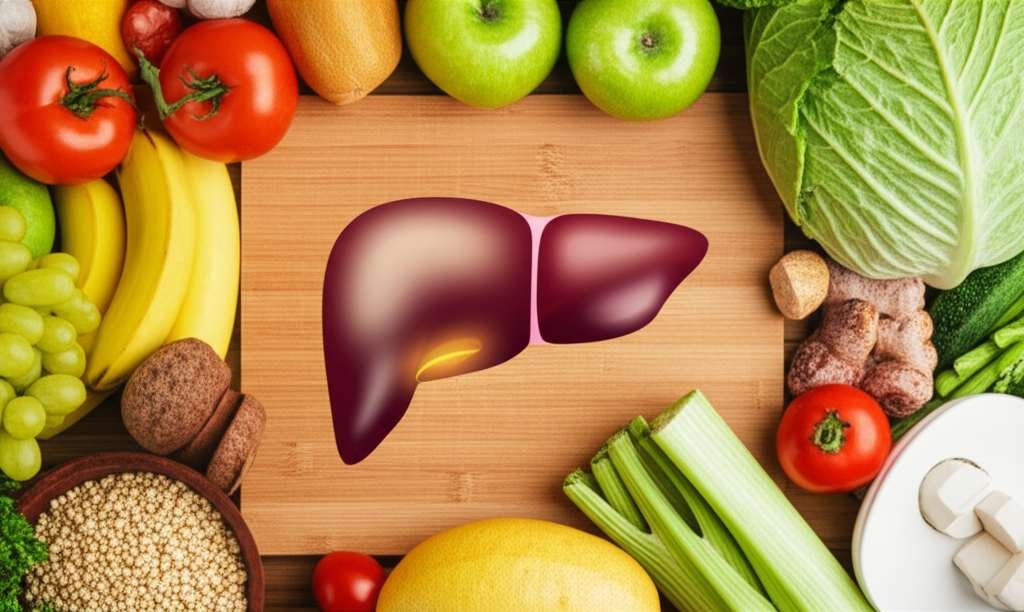
Fatty liver disease, especially non-alcoholic fatty liver disease (NAFLD), is often linked to excess weight. When your liver stores too much fat, it can’t function as well. Losing weight is one of the most effective ways to reduce this fat and improve your liver health.
Think of your liver as a busy factory. When it’s overloaded with fat, it slows down production and can even start to get damaged. Losing weight helps clear out the clutter, allowing your liver to work efficiently again.
The good news is that even a modest amount of weight loss—around 5-10% of your body weight—can significantly improve liver fat and inflammation. This means you don’t need to reach a super-low weight to make a big difference.
Why Diet is Your Best Friend for Fatty Liver
When we talk about a “fatty liver diet,” we’re not talking about a restrictive fad diet. Instead, it’s about adopting a balanced eating pattern that helps your liver heal and supports healthy weight loss. This typically involves reducing processed foods, sugars, and unhealthy fats, while increasing fruits, vegetables, lean proteins, and whole grains.
This way of eating is like giving your liver the clean, high-quality fuel it needs to repair itself. It also naturally helps you consume fewer calories, leading to gradual and sustainable weight loss.
By making smart food choices, you’re directly addressing the root cause of many fatty liver cases and setting yourself up for long-term health.
How Long Does it Take to Lose Weight with a Fatty Liver Diet?
This is the big question, and the honest answer is: it varies from person to person. Factors like your starting weight, how much weight you need to lose, your metabolism, and how strictly you follow the diet all play a role.
However, we can set some realistic expectations. With consistent effort and a well-structured diet, you can begin to see changes relatively quickly.
Timeline Expectations: What to Expect
Let’s break down what you might see over the first few months:
- First 1-2 Months: Building Habits & Initial Changes
- 3-6 Months: Noticeable Weight Loss & Liver Improvement
- 6-12 Months and Beyond: Sustainable Health & Long-Term Results
In the beginning, you’ll likely focus on learning new eating habits and making dietary changes. You might not see dramatic weight loss numbers on the scale, but you could start feeling more energetic and notice less bloating. Your body is adjusting to healthier foods.
This is often when the scale starts moving more consistently. Many people experience noticeable weight loss and improvements in their liver enzymes and overall liver fat. You’ll feel more in control of your eating and see the benefits of your consistent efforts.
By this point, the new eating habits should feel more natural. You’ll likely have achieved a significant portion of your weight loss goals, and your liver health should be much improved. The focus shifts to maintaining these healthy habits for long-term well-being.
Remember, this is a guide, not a strict timeline. Some people might see results faster, while others may take a bit longer. The most important thing is to stay committed to the process.
Factors Influencing Your Timeline
Several things can speed up or slow down your progress:
- Starting Weight and Body Composition: People with more weight to lose may see faster initial changes, but sustainable loss is key.
- Adherence to the Diet: The more consistently you stick to healthy eating, the quicker you’ll see results.
- Activity Level: Incorporating regular physical activity alongside your diet can accelerate weight loss and improve liver health.
- Metabolism: Everyone’s metabolism is different, influencing how quickly their body burns calories.
- Genetics: While not the primary driver, genetics can play a small role in how your body stores fat and responds to diet.
- Other Health Conditions: Conditions like diabetes or thyroid issues can affect weight loss.
The “Fatty Liver Diet”: What to Eat and What to Avoid
Creating a diet plan that supports your liver and weight loss goals doesn’t have to be complicated. It’s all about making smart, nutrient-dense choices.
Foods to Embrace
These are the building blocks of your healthy eating plan:
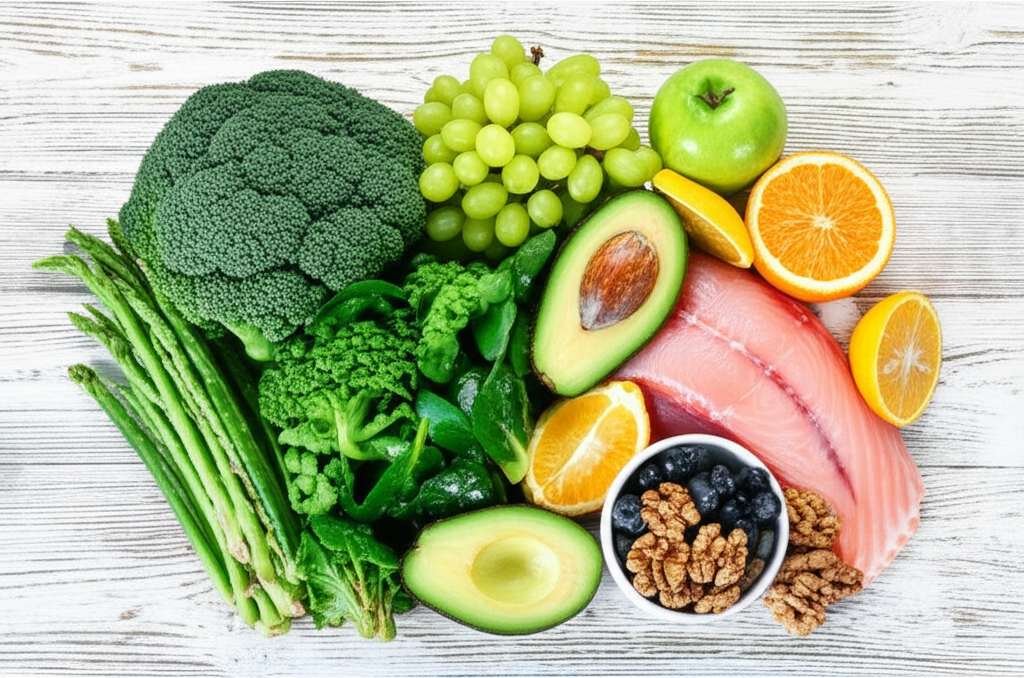
- Fruits and Vegetables: Load up on a variety of colorful fruits and vegetables. They are packed with vitamins, minerals, fiber, and antioxidants that help fight inflammation and keep you full. Think berries, leafy greens, broccoli, carrots, and apples.
- Lean Proteins: Protein helps you feel satisfied and preserves muscle mass during weight loss. Opt for fish (especially fatty fish rich in omega-3s like salmon and mackerel), chicken breast, turkey, beans, lentils, and tofu.
- Whole Grains: Choose complex carbohydrates that provide sustained energy and fiber. Examples include oats, quinoa, brown rice, barley, and whole-wheat bread.
- Healthy Fats: Don’t fear fats! Focus on unsaturated fats found in avocados, nuts, seeds, and olive oil. These are good for your heart and can help with satiety.
- Water: Staying hydrated is crucial for overall health and can help manage appetite.
Foods to Limit or Avoid
Cutting back on these items can make a huge difference for your liver and weight:
- Sugary Drinks: Sodas, fruit juices, and sweetened teas are major sources of added sugar and empty calories.
- Processed Foods: Packaged snacks, fast food, and ready-made meals are often high in unhealthy fats, sugar, and sodium.
- Refined Carbohydrates: White bread, white pasta, pastries, and sugary cereals offer little nutritional value and can spike blood sugar.
- Saturated and Trans Fats: Found in fatty meats, butter, fried foods, and many baked goods, these can worsen liver fat.
- Excessive Alcohol: Alcohol is a major culprit for liver damage and should be consumed in moderation, or avoided if advised by your doctor.
Sample Meal Plan Idea
Here’s a simple example of what a day of eating might look like:
| Meal | Breakfast | Lunch | Dinner | Snack (Optional) |
|---|---|---|---|---|
| Option 1 | Oatmeal with berries and a sprinkle of nuts | Large salad with grilled chicken breast, mixed greens, cucumber, tomatoes, and olive oil vinaigrette | Baked salmon with roasted broccoli and quinoa | Apple slices with a tablespoon of almond butter |
| Option 2 | Scrambled eggs with spinach and whole-wheat toast | Lentil soup with a side of whole-grain crackers | Turkey meatballs with zucchini noodles and a light tomato sauce | A small handful of almonds |
This is just an example. The best diet for you will depend on your preferences and needs. Consulting a registered dietitian can help you create a personalized plan.
Beyond Diet: Other Keys to Success
While diet is paramount, a few other lifestyle factors can significantly boost your progress and overall health.
The Role of Physical Activity
Regular exercise is a powerful partner to your diet. It helps burn calories, build muscle (which boosts metabolism), and can directly improve liver fat and insulin sensitivity, even without significant weight loss.
Aim for a mix of aerobic exercise (like brisk walking, jogging, swimming, or cycling) and strength training. The U.S. Department of Health and Human Services recommends at least 150 minutes of moderate-intensity aerobic activity or 75 minutes of vigorous-intensity aerobic activity per week, plus muscle-strengthening activities at least two days a week.
Managing Stress and Sleep
Chronic stress and poor sleep can negatively impact your hormones, cravings, and metabolism, making weight loss harder. Prioritizing stress management techniques (like meditation, yoga, or deep breathing) and ensuring you get 7-9 hours of quality sleep per night can make a big difference.
Consistency is King
The most crucial element for success is consistency. It’s better to make small, sustainable changes that you can stick with long-term than to try a drastic overhaul that you can’t maintain. Celebrate small wins and don’t get discouraged by occasional slip-ups.
When to See a Doctor or Dietitian
While this guide provides general advice, it’s essential to consult with healthcare professionals for personalized guidance.
- Your Doctor: Before starting any new diet or exercise program, especially if you have a diagnosed fatty liver condition or other health concerns, talk to your doctor. They can assess your overall health, provide specific recommendations, and monitor your progress.
- Registered Dietitian (RD): An RD can create a tailored meal plan that fits your lifestyle, preferences, and nutritional needs. They can also provide ongoing support and accountability, which is invaluable for long-term success. You can find a local RD through your doctor’s referral or online directories from organizations like the Academy of Nutrition and Dietetics.
Frequently Asked Questions (FAQ)
Q1: Will I definitely lose weight if I follow a fatty liver diet?
Following a healthy, balanced diet designed for fatty liver, which emphasizes whole foods and limits processed items, will very likely lead to weight loss. This is because these diets naturally reduce calorie intake and improve your body’s metabolism.
Q2: Can I reverse fatty liver disease with diet alone?
Yes, in many cases, fatty liver disease can be reversed or significantly improved with diet and lifestyle changes. Weight loss is a primary factor in reducing liver fat and inflammation.
Q3: How much weight do I need to lose for my fatty liver to improve?
Losing just 5-10% of your body weight can lead to significant improvements in liver fat and inflammation. Even a smaller amount of weight loss is beneficial.
Q4: Is it safe to lose weight quickly with fatty liver?
Rapid weight loss is generally not recommended, as it can sometimes put stress on the liver. A gradual and sustainable weight loss of 1-2 pounds per week is usually safer and more effective for long-term liver health and overall well-being.
Q5: Can I drink coffee or tea with fatty liver?
Yes, studies suggest that moderate consumption of black coffee and certain teas may actually be beneficial for liver health. However, avoid adding sugar or excessive creamers, and consult your doctor if you have any concerns.
Q6: What if I have cravings while on the diet?
Cravings are normal! Try to identify triggers, drink water, have a healthy snack (like fruit or a small handful of nuts), or engage in a distracting activity. Building awareness around your cravings is the first step to managing them.
Conclusion
Embarking on a journey to manage fatty liver through diet and weight loss is a powerful step towards better health. While there’s no single answer to “how long,” consistent application of a healthy eating pattern, combined with regular activity, can yield noticeable results within a few months.
Remember, the goal isn’t just to lose weight; it’s to nourish your body, support your liver’s recovery, and build sustainable habits. Focus on making smart food choices, staying active, managing stress, and getting enough sleep.
Be patient with yourself, celebrate your progress, and don’t hesitate to seek professional guidance. Your liver and your body will thank you for it!
As an Amazon Associate, We earn from qualifying purchases. When you purchase a product through Amazon links on pulsefitguide.com, we may earn a small commission at no extra cost to you. This helps support the site and keep our content free.
