


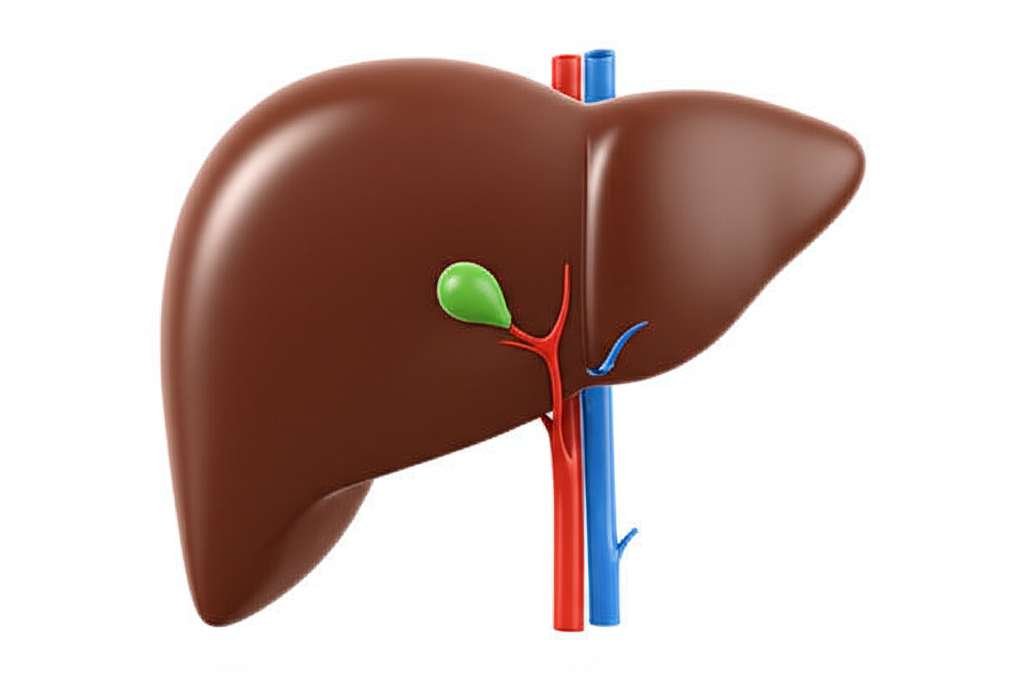
Quick Summary: Yes, intermittent fasting can be a powerful tool to help improve fatty liver. By giving your body planned breaks from eating, IF can help reduce liver fat, improve insulin sensitivity, and support weight loss, all key factors in managing this condition. It’s a practical, science-backed approach that can make a real difference.
Hey there! Dealing with fatty liver can feel confusing, right? You hear about diet changes, and maybe even weight loss, but where do you even start? It’s totally normal to feel a bit overwhelmed.
But what if there was a way to eat that could actually help your liver feel better? Many people are exploring intermittent fasting (IF) for all sorts of health reasons, and it’s showing promising results for fatty liver. It’s not a magic cure, but it’s a really practical strategy that can fit into your life.
This guide is all about breaking down how intermittent fasting works and how it might help with fatty liver, in a way that’s easy to understand. We’ll go step-by-step, so you can feel confident about what you’re doing.
What Exactly is Fatty Liver Disease?
Fatty liver disease, also known as hepatic steatosis, is a condition where too much fat builds up in your liver. It’s becoming increasingly common, and it’s not just linked to alcohol use. In fact, there are two main types: alcoholic fatty liver disease and non-alcoholic fatty liver disease (NAFLD).
NAFLD is the more common type and is often seen in people who are overweight or obese, have diabetes, high cholesterol, or high blood pressure. It can range from a simple fatty liver, where you might not have many symptoms, to non-alcoholic steatohepatitis (NASH), which is a more serious form that can lead to liver damage, scarring (fibrosis), and even liver cancer over time.
The scary part is that NAFLD often doesn’t have obvious symptoms in its early stages, so many people don’t know they have it until it’s more advanced. This is why focusing on lifestyle changes, like diet and exercise, is so important for prevention and management.
Why is Fat Building Up in the Liver?
Think of your liver as a busy processing plant for everything you eat and drink. When you consume more calories than your body needs, especially from processed foods, sugary drinks, and unhealthy fats, your body stores the extra energy. A significant portion of this stored energy can end up as fat in the liver.
Insulin resistance is a big player here. When your body doesn’t use insulin effectively, it can signal the liver to produce more fat and store it. This is why NAFLD is so closely linked to conditions like type 2 diabetes and metabolic syndrome. Over time, this excess fat can inflame the liver, leading to the more severe forms of the disease.
Your liver is designed to handle a certain amount of fat, but when it’s constantly overloaded, it struggles to keep up. This can disrupt its many vital functions, from detoxifying your blood to producing important proteins.
Understanding Intermittent Fasting (IF)
Intermittent fasting isn’t a diet in the traditional sense of “what” you eat. Instead, it’s an eating pattern that cycles between periods of voluntary fasting (not eating) and non-fasting (eating). It’s all about timing your meals.
The idea is to give your body regular breaks from digestion, allowing it to switch from burning glucose (sugar) for energy to burning stored fat. This “fat-burning” state is often referred to as being in ketosis or simply utilizing stored energy.
There are several popular ways to do IF:
- The 16/8 Method: This is probably the most common and beginner-friendly. You fast for 16 hours each day and have an 8-hour eating window. For example, you might eat between 12 PM and 8 PM, and fast from 8 PM until 12 PM the next day.
- The 5:2 Diet: With this method, you eat normally for five days of the week and restrict your calorie intake to about 500-600 calories on two non-consecutive days.
- Eat Stop Eat: This involves a 24-hour fast once or twice a week. For instance, you might finish dinner on Monday and not eat again until dinner on Tuesday.
- Alternate-Day Fasting: This involves alternating between days of normal eating and days of severe calorie restriction or complete fasting. This can be more challenging for beginners.
The key is to find a method that fits your lifestyle and that you can stick with consistently. It’s about creating a sustainable rhythm for your eating habits.
How Can Intermittent Fasting Help Fatty Liver?
This is where IF starts to shine for liver health. When you fast, your body changes how it uses energy. Instead of constantly breaking down food, it starts to tap into stored energy, including fat.
Here’s how IF can specifically benefit someone with fatty liver:
- Reduced Liver Fat: During fasting periods, your body lowers its insulin levels. Lower insulin levels signal your liver to release stored fat. Over time, this can lead to a significant reduction in the amount of fat stored in your liver. Research has shown that IF can effectively decrease liver fat content.
- Improved Insulin Sensitivity: Fatty liver is often linked to insulin resistance. IF can help improve how your body responds to insulin, which is crucial for managing blood sugar and reducing the signal for your liver to store more fat.
- Weight Loss: Intermittent fasting is a highly effective strategy for weight loss. Since fatty liver disease is strongly associated with excess weight, losing even a modest amount of weight can significantly improve liver health and reduce fat in the liver. IF helps create a calorie deficit by naturally reducing your eating window.
- Reduced Inflammation: Chronic inflammation plays a role in the progression of fatty liver disease to more serious conditions like NASH. Some studies suggest that IF may help reduce markers of inflammation in the body, potentially protecting the liver from further damage.
- Cellular Repair (Autophagy): While more research is needed specifically for fatty liver, fasting periods can trigger a cellular “clean-up” process called autophagy. This is where your cells remove damaged components, which could potentially help improve overall liver cell function.
It’s important to remember that IF works best when combined with a healthy diet during your eating windows. Focusing on whole, unprocessed foods will maximize these benefits.
Getting Started with Intermittent Fasting for Fatty Liver
Ready to give it a try? Starting IF for fatty liver doesn’t have to be complicated. The goal is to ease into it so it feels manageable and sustainable.
Step 1: Talk to Your Doctor
Before making any significant changes to your diet or eating patterns, it’s crucial to consult with your healthcare provider. They can assess your current health status, discuss any potential risks based on your medical history (especially if you have diabetes, are on medication, or have other health conditions), and ensure IF is a safe choice for you.
They can also help you set realistic goals and monitor your progress. This is especially important when managing a condition like fatty liver. Your doctor is your best partner in this health journey.
Step 2: Choose Your IF Method
For beginners, the 16/8 method is often the easiest to start with. It allows for a good balance between fasting and eating, and many people find it fits well into their daily routine.
Example of 16/8:
- Eating Window: 12:00 PM (Noon) to 8:00 PM
- Fasting Window: 8:00 PM to 12:00 PM (Noon) the next day
You can adjust the window to fit your schedule. Some people prefer an earlier eating window, like 10 AM to 6 PM, while others might prefer later, like 1 PM to 9 PM. The key is consistency within your chosen window.
Step 3: Plan Your Eating Window Meals
While IF is about “when” you eat, “what” you eat is critical, especially when managing fatty liver. During your eating window, focus on nutrient-dense, whole foods. This will help you feel satisfied and provide your body with the nutrients it needs without overloading your liver.
Focus on:
- Lean proteins: Chicken, turkey, fish, beans, lentils, tofu.
- Healthy fats: Avocados, nuts, seeds, olive oil.
- Fruits and vegetables: A wide variety of colorful produce.
- Whole grains: Oats, quinoa, brown rice, whole wheat bread (in moderation).
Limit or avoid:
- Sugary drinks: Soda, fruit juices, sweetened teas.
- Processed foods: Packaged snacks, fast food, pre-made meals high in sodium and unhealthy fats.
- Refined carbohydrates: White bread, white pasta, pastries.
- Excessive saturated and trans fats.
Aim for balanced meals that include protein, healthy fats, and fiber to keep you full and support your liver health. For more on dietary recommendations, the National Institute of Diabetes and Digestive and Kidney Diseases (NIDDK) provides excellent resources on managing liver health through diet.
Step 4: Stay Hydrated During Fasting
It’s essential to drink plenty of water, especially during your fasting periods. Staying hydrated is crucial for overall health and can help manage hunger pangs. You can also drink black coffee or plain tea (without sugar or milk) during your fast.
These calorie-free beverages can help keep you feeling full and focused. Avoid diet sodas or other artificially sweetened drinks, as they can sometimes trigger cravings or affect your metabolism in ways we’re still understanding.
Step 5: Listen to Your Body
This is super important! Intermittent fasting isn’t about pushing yourself to discomfort. If you feel dizzy, extremely fatigued, or unwell, it’s okay to break your fast and reassess. Some initial side effects like headaches or mild hunger are normal as your body adjusts, but persistent or severe symptoms warrant attention.
Pay attention to how your body feels. Are you sleeping better? Do you have more energy? Are your hunger cues becoming more manageable? These are all good signs. If you’re struggling, don’t be afraid to shorten your fasting window or take a break.
Step 6: Be Patient and Consistent
Results with IF, like any lifestyle change, take time. Don’t get discouraged if you don’t see drastic changes overnight. Consistency is key. Stick with your chosen eating and fasting schedule as much as possible, and focus on building sustainable habits.
It can take a few weeks for your body to fully adapt to IF. Celebrate small victories, like sticking to your fasting window for a week or noticing improvements in how you feel. This journey is a marathon, not a sprint!
Potential Benefits of IF for Fatty Liver (Beyond Fat Reduction)
While reducing liver fat is the primary goal, intermittent fasting offers a cascade of other positive effects that can contribute to overall well-being and support your liver:
- Metabolic Health Improvements: IF can lead to better blood sugar control and improved insulin sensitivity, which are critical for preventing and managing NAFLD.
- Reduced Inflammation: Studies suggest IF may help lower inflammatory markers in the body. Chronic inflammation is a key driver in the progression of fatty liver disease.
- Improved Cholesterol Levels: Some research indicates that IF can positively impact cholesterol profiles, helping to lower LDL (“bad”) cholesterol and triglycerides, which are often elevated in individuals with fatty liver.
- Gut Health: Emerging research is exploring the link between IF and the gut microbiome. A healthier gut can indirectly support liver health.
- Simplicity and Flexibility: For many, IF simplifies meal planning by reducing the number of meals and snacks they need to prepare or think about. This can be a significant mental relief.
These broader health benefits can create a more favorable internal environment for your liver to heal and function optimally.
Who Should Be Cautious with Intermittent Fasting?
While IF is beneficial for many, it’s not suitable for everyone. Certain groups should exercise extreme caution or avoid IF altogether, and always under strict medical supervision:
- Pregnant or Breastfeeding Women: Nutritional needs are very high during these periods, and fasting can be detrimental.
- Individuals with a History of Eating Disorders: IF can trigger or worsen disordered eating patterns.
- People with Type 1 Diabetes: Fasting can lead to dangerous fluctuations in blood sugar.
- Those Taking Certain Medications: Particularly medications for diabetes or blood pressure, as fasting can alter their effectiveness and require dosage adjustments.
- Children and Adolescents: Their bodies are still growing and require consistent nutrient intake.
- Individuals who are underweight or malnourished.
Always discuss your health history with your doctor before starting any fasting regimen. They can help you determine if it’s safe and appropriate for your specific situation.
Comparing IF with Other Fatty Liver Management Strategies
Intermittent fasting isn’t the only way to tackle fatty liver. Let’s see how it stacks up against other common approaches:
Here’s a quick comparison:
| Strategy | How it Works for Fatty Liver | Pros | Cons |
|---|---|---|---|
| Intermittent Fasting (IF) | Reduces overall calorie intake, improves insulin sensitivity, promotes fat burning, may reduce liver fat directly. | Effective for weight loss, can improve metabolic markers, simple structure for some, flexible. | Requires discipline, potential for initial side effects (headaches, fatigue), not suitable for everyone, requires careful food choices during eating windows. |
| Calorie Restriction Diet | Reduces overall calorie intake, leading to weight loss and reduced liver fat. | Well-researched, directly addresses calorie surplus, can be tailored to individual preferences. | Can be difficult to sustain long-term, requires constant calorie counting, can lead to nutrient deficiencies if not well-planned. |
| Low-Carbohydrate Diet (e.g., Keto) | Reduces carbohydrate intake, which can lower insulin levels and promote fat metabolism, leading to reduced liver fat. | Effective for weight loss and improving insulin sensitivity, can lead to rapid fat loss. | Can be restrictive, potential for “keto flu” side effects, requires careful planning, may not be sustainable for everyone. |
| Increased Physical Activity | Burns calories, improves insulin sensitivity, can help reduce liver fat and overall body weight. | Numerous general health benefits, improves cardiovascular health, mood, and muscle mass. | Requires consistent effort, may not be enough on its own without dietary changes, can be challenging for those with mobility issues. |
Many experts recommend a combination approach. For instance, combining intermittent fasting with a focus on a healthy diet during eating windows and regular exercise can be the most powerful strategy for managing fatty liver. The Mayo Clinic also highlights the importance of weight management and healthy lifestyle changes for fatty liver.
Frequently Asked Questions (FAQ)
Q1: How quickly can I expect to see results with intermittent fasting for fatty liver?
A1: Results vary from person to person. Some may notice improvements in energy levels or reduced cravings within a few weeks. Significant changes in liver fat or weight typically take a few months of consistent adherence to IF and a healthy diet.
Q2: Can I drink alcohol while doing intermittent fasting for fatty liver?
A2: It’s generally best to limit or avoid alcohol, especially if you have fatty liver disease. Alcohol can further burden the liver. While IF doesn’t directly prohibit alcohol, it’s not conducive to liver healing. Consult your doctor about alcohol consumption.
Q3: What should I do if I feel very hungry during my fasting period?
A3: Hunger is normal, especially when starting. Try drinking water, black coffee, or plain tea. Ensure you’re eating enough nutrient-dense foods during your eating window. If hunger is overwhelming, it might mean your fasting window is too long, and you may need to shorten it.
Q4: Is it okay to exercise during my fasting window?
A4: Yes, many people find exercising during their fasting window works well for them, especially lower-intensity activities like walking. For high-intensity workouts, some prefer to do them closer to their eating window to have fuel available. Listen to your body and see what feels best.
Q5: Will intermittent fasting help reverse fatty liver?
A5: Intermittent fasting can significantly help reduce liver fat and improve the condition, potentially leading to a reversal of simple fatty liver. However, if the liver has developed significant scarring (fibrosis) or cirrhosis, it may not be fully reversible. IF is a powerful tool for management and improvement.
Q6: What are the key foods to eat during my eating window for fatty liver?
A6: Focus on whole, unprocessed foods. This includes plenty of vegetables, fruits, lean proteins (fish, chicken, beans), healthy fats (avocado, nuts, olive oil), and whole grains. Limiting sugar, refined carbs, and unhealthy fats is crucial.
Q7: How does intermittent fasting differ from just eating less?
A7: While both can lead to calorie reduction, IF focuses on the timing of meals. This timing can trigger metabolic shifts, like improved insulin sensitivity and increased fat burning during fasting periods, that might be less pronounced with continuous calorie restriction without structured fasting.
Conclusion
Navigating the world of health and wellness can sometimes feel like a puzzle, but understanding how simple lifestyle changes like intermittent fasting can impact conditions like fatty liver can be incredibly empowering. We’ve explored how IF works by giving your body planned breaks from digestion, which can lead to reduced liver fat, better insulin sensitivity, and support for healthy weight loss – all key players in managing fatty liver disease.
Remember, the journey to better health is personal. Starting with a chat with your doctor is the most important first step to ensure IF is right for you. Then, choosing a simple method like 16/8, focusing on nutritious foods during your eating window, staying hydrated, and listening to your body are practical strategies that can make a real difference. Consistency and patience are your allies here; small, sustainable changes add up over time.
By incorporating intermittent fasting thoughtfully and as part of a balanced approach that includes a healthy diet and regular movement, you’re taking a proactive and science-backed step towards supporting your liver health and overall well-being. You’ve got this!
As an Amazon Associate, We earn from qualifying purchases. When you purchase a product through Amazon links on pulsefitguide.com, we may earn a small commission at no extra cost to you. This helps support the site and keep our content free.
