


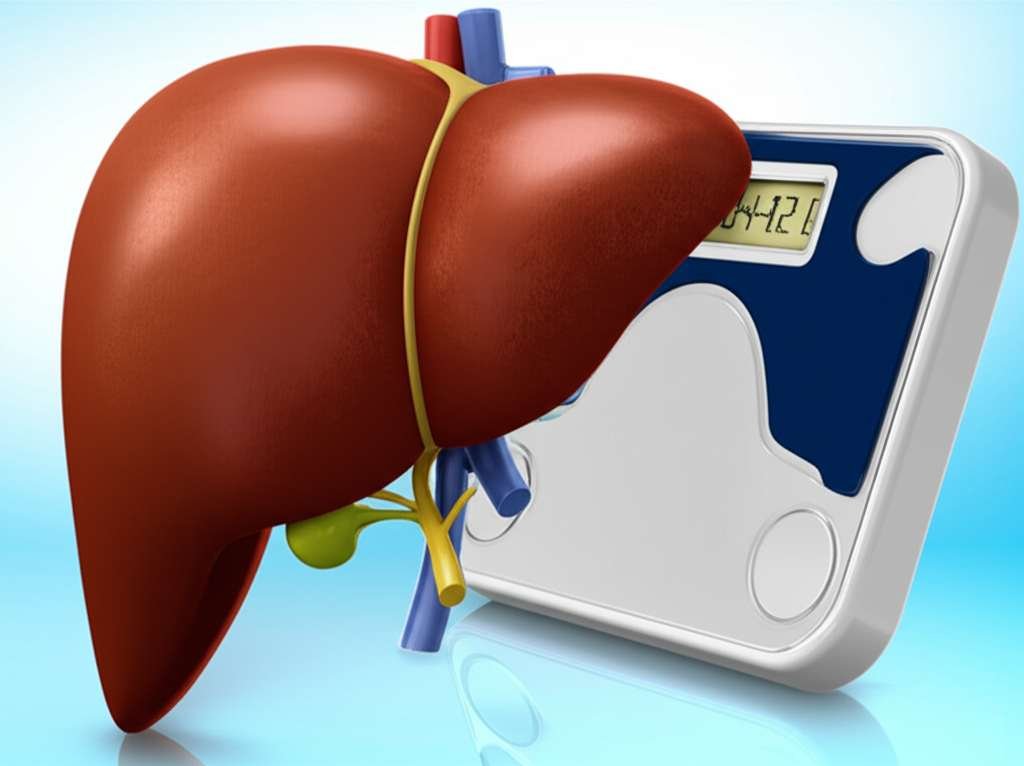
Yes, fatty liver disease can contribute to weight gain, and it’s often a two-way street where weight gain also worsens fatty liver. Understanding this connection is key to managing both. This guide breaks down how fatty liver impacts your weight and what simple steps you can take.
Ever feel like losing weight is an uphill battle, even when you’re trying your best? You’re not alone. Many people find themselves confused about why the numbers on the scale won’t budge, and sometimes, a hidden health condition could be playing a role.
One such condition is fatty liver disease. It sounds serious, but understanding it is the first step to taking control. We’ll explore the link between fatty liver and weight gain in a way that’s easy to grasp.
Think of this as your friendly guide to untangling this common health puzzle. We’ll cover what fatty liver is, how it affects your body, and most importantly, practical, simple steps you can start today to feel better and manage your weight.
What is Fatty Liver Disease?
Fatty liver disease, also known as hepatic steatosis, is a condition where there’s too much fat built up in your liver. Your liver is an amazing organ that helps your body process food, detoxify blood, and produce important proteins. It’s supposed to contain a small amount of fat, but when that fat makes up more than 5-10% of your liver’s weight, it becomes a problem.
There are two main types: alcoholic fatty liver disease (AFLD), caused by heavy alcohol use, and non-alcoholic fatty liver disease (NAFLD). NAFLD is much more common and occurs in people who drink little to no alcohol. It’s often linked to other health issues like obesity, diabetes, and high cholesterol.
For many, NAFLD doesn’t cause major problems. However, in some people, it can progress to more serious conditions like inflammation (NASH – non-alcoholic steatohepatitis), scarring (fibrosis), or even liver failure.
The Connection Between Fatty Liver and Weight Gain
The relationship between fatty liver and weight gain is a bit like a tricky dance – they often influence each other. It’s a cycle that can be tough to break without understanding the steps.
Here’s how it works:
How Fatty Liver Can Lead to Weight Gain
When your liver is overloaded with fat, its ability to function properly can be compromised. This can affect how your body handles energy and stores fat.
- Insulin Resistance: A common feature of NAFLD is insulin resistance. Insulin is a hormone that helps your cells take in glucose (sugar) from your bloodstream for energy. When you’re insulin resistant, your cells don’t respond well to insulin. This means your body needs to produce more insulin to get glucose into your cells. High insulin levels can encourage your body to store more fat, particularly around your belly, and make it harder to burn existing fat. This can contribute to weight gain. The National Institute of Diabetes and Digestive and Kidney Diseases (NIDDK) highlights insulin resistance as a key factor in NAFLD.
- Metabolic Changes: An unhealthy liver may not process fats and carbohydrates as efficiently. This can lead to changes in your metabolism, the process your body uses to convert food into energy. If your metabolism slows down or becomes less efficient, you might burn fewer calories, making it easier to gain weight.
- Inflammation: Fatty liver can cause inflammation in the liver. Chronic inflammation in the body is linked to various health issues, including weight gain and difficulty losing weight. It can disrupt hormone signals that regulate appetite and fat storage.
- Reduced Energy Levels: When your liver isn’t working optimally, you might feel more tired. This can lead to less physical activity, which in turn means burning fewer calories and potentially gaining weight.
How Weight Gain Worsens Fatty Liver
The flip side of the coin is that excess body weight, especially around the abdomen, is a major risk factor for developing and worsening NAFLD.
- Increased Fat Storage: When you gain weight, you store more fat throughout your body. This includes fat that can accumulate in the liver, directly contributing to the development or worsening of NAFLD.
- Exacerbated Insulin Resistance: Being overweight or obese often goes hand-in-hand with insulin resistance. This further fuels the cycle, making the liver more prone to fat buildup and making weight loss more challenging.
- Hormonal Imbalances: Excess body fat can disrupt the balance of hormones that control appetite and metabolism, potentially leading to further weight gain and increased fat in the liver.
It’s a classic case of “which came first, the chicken or the egg?” but the reality is, they feed into each other. The good news is that addressing one can positively impact the other.
Signs and Symptoms You Might Not Notice
One of the biggest challenges with fatty liver disease, especially NAFLD, is that it often doesn’t cause obvious symptoms in its early stages. Many people don’t realize they have it until it’s discovered during tests for other conditions or when it has progressed.
However, if you do experience symptoms, they might be vague and easily mistaken for other issues:
- Fatigue or tiredness
- A dull ache or pain in the upper right side of your abdomen (where your liver is located)
- Unexplained weight loss (less common in NAFLD, but can happen in later stages)
- Yellowing of the skin and eyes (jaundice) – this is a sign of more advanced liver damage.
- Swelling in the legs and abdomen
- Confusion or difficulty thinking clearly
Because symptoms are often absent or non-specific, regular health check-ups, especially if you have risk factors like obesity, diabetes, or high cholesterol, are very important for early detection.
Who Is at Risk for Fatty Liver Disease?
While anyone can develop fatty liver, certain factors significantly increase your risk. Understanding these can help you assess your personal risk and take proactive steps.
The primary risk factors for Non-Alcoholic Fatty Liver Disease (NAFLD) include:
- Overweight or Obesity: This is the most common risk factor. Carrying extra weight, particularly around the abdomen, greatly increases your chances.
- Insulin Resistance and Type 2 Diabetes: Conditions where your body struggles to manage blood sugar are closely linked to NAFLD.
- High Cholesterol and Triglycerides: Elevated levels of fats in your blood are often seen with NAFLD.
- Metabolic Syndrome: This is a cluster of conditions including high blood pressure, high blood sugar, unhealthy cholesterol levels, and excess abdominal fat.
- Rapid Weight Loss: Losing weight too quickly, especially through crash diets, can sometimes trigger NAFLD.
- Certain Medications: Some drugs, like corticosteroids or certain cancer medications, can increase liver fat.
- Polycystic Ovary Syndrome (PCOS): This hormonal disorder in women is associated with a higher risk of NAFLD.
- Underactive Thyroid (Hypothyroidism): This condition can also be a contributing factor.
For Alcoholic Fatty Liver Disease (AFLD), the main risk factor is:
- Heavy Alcohol Consumption: Drinking large amounts of alcohol regularly can damage the liver and lead to fat buildup.
Diagnosing Fatty Liver Disease
If you suspect you might have fatty liver disease or have risk factors, your doctor will likely use a combination of methods to diagnose it.
Here’s what you can expect:
- Medical History and Physical Exam: Your doctor will ask about your symptoms, diet, alcohol intake, medications, and family history. They might check for an enlarged liver or other signs during a physical exam.
- Blood Tests: Liver function tests (LFTs) can show if there’s inflammation or damage to your liver. However, LFTs can be normal even with fatty liver, so they are usually used alongside other tests. Blood tests can also check for cholesterol, triglycerides, and blood sugar levels.
- Imaging Tests:
- Ultrasound: This is a common, non-invasive test that uses sound waves to create images of your liver. It can often detect fatty infiltration.
- CT Scan or MRI: These more advanced imaging techniques can also show the amount of fat in the liver and help rule out other liver conditions.
- FibroScan: This is a special type of ultrasound that measures the stiffness of your liver, which can indicate the amount of scarring (fibrosis) present.
- Liver Biopsy: This is the most definitive way to diagnose NAFLD and assess its severity. It involves taking a small sample of liver tissue with a needle and examining it under a microscope. However, it’s an invasive procedure and not always necessary, especially if imaging and blood tests are suggestive.
Strategies to Manage Fatty Liver and Weight
The most effective way to manage fatty liver disease and address the weight gain cycle is through lifestyle changes. These strategies focus on improving liver health, promoting weight loss, and reducing overall metabolic risk. They are often the cornerstone of treatment for NAFLD.
Here’s a step-by-step approach:
Step 1: Focus on Nutrition for Liver Health
What you eat has a direct impact on your liver and your weight. The goal is to eat a balanced diet that helps reduce fat in the liver, improves insulin sensitivity, and supports healthy weight loss.
Key Nutritional Strategies:
- Embrace a Mediterranean-Style Diet: This diet is rich in fruits, vegetables, whole grains, lean proteins (like fish and poultry), and healthy fats (like olive oil and nuts). It’s been shown to be very effective for NAFLD. The American Liver Foundation often recommends this dietary pattern.
- Limit Sugars and Refined Carbohydrates: Sugary drinks, sweets, white bread, pasta, and processed snacks can quickly turn into fat in the liver and worsen insulin resistance. Choose whole grains instead.
- Reduce Saturated and Trans Fats: Found in fatty meats, butter, fried foods, and many processed snacks, these fats can contribute to liver fat and inflammation. Opt for lean protein and healthy fats.
- Increase Fiber Intake: Foods high in fiber, like fruits, vegetables, legumes, and whole grains, can help with weight management and improve blood sugar control.
- Choose Healthy Fats: Incorporate sources of monounsaturated and polyunsaturated fats, such as olive oil, avocados, nuts, and fatty fish (like salmon).
- Stay Hydrated: Drink plenty of water throughout the day.
- Portion Control: Even healthy foods can lead to weight gain if eaten in excess. Be mindful of serving sizes.
Foods to Emphasize:
| Food Group | Examples | Benefits for Liver & Weight |
|---|---|---|
| Vegetables | Leafy greens (spinach, kale), broccoli, carrots, bell peppers, Brussels sprouts | Rich in vitamins, minerals, antioxidants, and fiber. Help with satiety and blood sugar control. |
| Fruits | Berries, apples, pears, oranges, cherries | Provide fiber, vitamins, and antioxidants. Choose whole fruits over juices. |
| Whole Grains | Oats, quinoa, brown rice, whole wheat bread/pasta | High in fiber, help regulate blood sugar, and promote fullness. |
| Lean Proteins | Fish (salmon, tuna), chicken breast, turkey, beans, lentils, tofu | Essential for body repair and muscle building. Help with satiety. Fatty fish provide omega-3s. |
| Healthy Fats | Olive oil, avocados, nuts (almonds, walnuts), seeds (chia, flax) | Support heart health, reduce inflammation, and aid in nutrient absorption. |
Foods to Limit or Avoid:
| Food Category | Examples | Why Limit |
|---|---|---|
| Sugary Drinks | Sodas, fruit juices, sweetened teas/coffees | Major source of added sugar, directly contributes to liver fat and weight gain. |
| Processed Foods | Packaged snacks, fast food, processed meats, pastries | Often high in unhealthy fats, sugar, salt, and refined carbohydrates. Low in nutrients. |
| Refined Grains | White bread, white rice, white pasta, sugary cereals | Stripped of fiber and nutrients; can spike blood sugar and contribute to fat storage. |
| Saturated & Trans Fats | Red meat, butter, fried foods, baked goods made with shortening | Can increase liver fat, inflammation, and cholesterol levels. |
| Alcohol | Beer, wine, spirits | Directly toxic to liver cells, causes inflammation and fat buildup. |
Step 2: Incorporate Regular Physical Activity
Exercise is crucial for both weight management and improving liver health. It helps burn calories, build muscle, improve insulin sensitivity, and reduce liver fat.
Recommendations:
- Aim for Aerobic Exercise: Activities like brisk walking, jogging, cycling, swimming, or dancing are excellent for burning calories and improving cardiovascular health. Aim for at least 150 minutes of moderate-intensity aerobic activity or 75 minutes of vigorous-intensity activity per week.
- Include Strength Training: Building muscle mass through weightlifting or bodyweight exercises (like squats, push-ups, lunges) helps boost your metabolism, meaning you burn more calories even at rest. Aim for muscle-strengthening activities at least two days a week.
- Increase Non-Exercise Activity Thermogenesis (NEAT): This refers to the calories you burn from everyday activities outside of formal exercise. Things like taking the stairs, walking during breaks, standing more, or doing household chores all add up.
- Find Activities You Enjoy: The key to sticking with an exercise plan is to choose activities you genuinely like. This makes it more sustainable in the long run.
A study published in the Journal of the American Medical Association (JAMA) found that exercise alone, even without weight loss, can significantly reduce liver fat in people with NAFLD.
Step 3: Achieve and Maintain a Healthy Weight
Losing even a modest amount of weight (5-10% of your body weight) can make a significant difference in reducing liver fat and improving liver enzymes. Sustainable weight loss is the goal, not crash dieting.
Tips for Healthy Weight Loss:
- Gradual Changes: Focus on making small, consistent changes to your diet and exercise habits rather than drastic overhauls.
- Mindful Eating: Pay attention to your hunger and fullness cues. Eat slowly and savor your food.
- Track Your Progress: Keeping a food journal or using a calorie-tracking app can help you stay accountable and identify areas for improvement.
- Set Realistic Goals: Aim for a weight loss of 1-2 pounds per week. This is generally considered safe and sustainable.
- Seek Support: Talk to friends, family, or consider consulting a registered dietitian or a health coach for personalized guidance and motivation.
Step 4: Manage Other Health Conditions
If you have conditions like diabetes, high blood pressure, or high cholesterol, managing them effectively is crucial for liver health and overall well-being.
- Diabetes Management: Keep your blood sugar levels within your target range through diet, exercise, and medication as prescribed by your doctor. Good blood sugar control helps reduce insulin resistance.
- Blood Pressure Control: Follow your doctor’s advice for managing high blood pressure, as it’s a component of metabolic syndrome that often accompanies NAFLD.
- Cholesterol Management: Work with your doctor to keep your cholesterol and triglyceride levels in a healthy range, often through diet, exercise, and sometimes medication.
Step 5: Limit or Avoid Alcohol
For those with NAFLD, even moderate alcohol consumption can further damage the liver. If you have AFLD, complete abstinence from alcohol is essential for recovery. If you’re unsure about your alcohol intake, discuss it openly with your doctor.
Step 6: Consider Medications and Supplements (with Doctor Guidance)
Currently, there are no specific FDA-approved medications solely for treating NAFLD. However, treatments for underlying conditions like diabetes and high cholesterol can indirectly help manage liver fat.
Some supplements, like Vitamin E and pioglitazone, have shown promise in certain studies for treating NASH, but they should only be taken under the supervision of a healthcare professional, as they can have side effects and interactions.
Always discuss any supplements or medications with your doctor before starting them. Self-treating can be harmful.
Can Fatty Liver Cause Weight Gain? FAQ
Q1: If I have fatty liver, will I automatically gain weight?
Not necessarily. While fatty liver is strongly linked to weight gain and obesity, and can contribute to further weight gain due to metabolic changes, it doesn’t mean everyone with fatty liver is destined to gain weight. Some people may have a normal weight but still develop NAFLD due to other factors like diet or genetics. Conversely, some individuals with fatty liver can lose weight through lifestyle changes.
Q2: Is it possible to lose weight with fatty liver?
Absolutely! In fact, weight loss is one of the most effective treatments for NAFLD. Losing even 5-10% of your body weight can significantly reduce liver fat and inflammation. The strategies discussed in this guide—dietary changes, exercise, and managing other health conditions—are key to achieving sustainable weight loss.
Q3: Can losing weight reverse fatty liver?
Yes, weight loss can often reverse the effects of fatty liver disease, especially in the earlier stages. By reducing the amount of fat in your liver, you can decrease inflammation and prevent further scarring. For many, this can lead to a healthy liver once again. However, it’s important to maintain a healthy weight long-term to prevent it from returning.
Q4: What is the difference between alcoholic and non-alcoholic fatty liver disease?
The main difference lies in the cause. Alcoholic fatty liver disease (AFLD) is caused by excessive alcohol consumption. Non-alcoholic fatty liver disease (NAFLD) occurs in people who drink little to no alcohol and is often associated with obesity, insulin resistance, diabetes, and metabolic syndrome. While the causes differ, the impact on the liver and the importance of lifestyle changes for management can be similar.
Q5: Are there any specific foods I should avoid if I have fatty liver?
Yes, it’s highly recommended to limit or avoid foods high in added sugars, refined carbohydrates, saturated fats, and trans fats. This includes sugary drinks (sodas, juices), sweets, white bread, pastries, fried foods, and fatty cuts of meat. Reducing or eliminating alcohol is also critical, especially for AFLD.
Q6: How much exercise is recommended for fatty liver?
A combination of aerobic exercise and strength training is ideal. Aim for at least 150 minutes of moderate-intensity aerobic activity (like brisk walking) per week, spread throughout the week. Additionally, incorporate strength training exercises at least two days a week to build muscle mass and boost metabolism. Consistency is key!
Conclusion
Understanding the intricate link between fatty liver disease and weight gain is a powerful step toward taking control of your health. You’ve learned that while fatty liver can contribute to weight gain by affecting your metabolism and insulin sensitivity, excess weight is also a major driver of fatty liver. It’s a cycle, but one that can be positively influenced by your actions.
The good news is that the strategies for managing fatty liver and achieving a healthy weight are often one and the same: adopting a balanced, nutrient-rich diet, engaging in regular physical activity, and managing other health conditions. These aren’t drastic measures, but sustainable lifestyle changes that benefit your entire body.
Remember, you don’t have to tackle this alone. Your doctor is your most important ally in diagnosing and guiding your treatment. Consider seeking support from registered dietitians or health coaches who can provide personalized plans and encouragement. Every small, consistent step you take—choosing a healthier meal, going for a walk, staying hydrated—moves you closer to a healthier liver and a healthier you.
As an Amazon Associate, We earn from qualifying purchases. When you purchase a product through Amazon links on pulsefitguide.com, we may earn a small commission at no extra cost to you. This helps support the site and keep our content free.
