


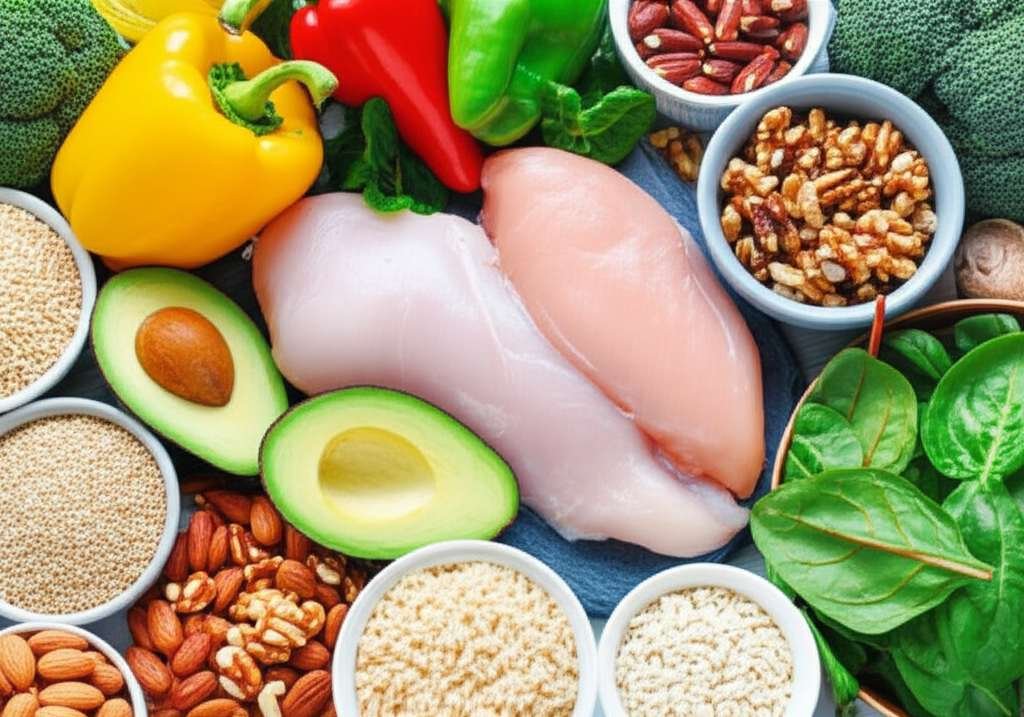
Quick Summary: Making a simple fatty liver meal plan involves focusing on whole foods, healthy fats, lean proteins, and complex carbohydrates while limiting sugar, processed foods, and unhealthy fats. This guide provides easy steps to create a balanced, beginner-friendly plan to support liver health and overall well-being.
Navigating dietary changes can feel overwhelming, especially when dealing with health concerns like fatty liver. It’s a common issue, and many people feel confused about what to eat and what to avoid.
You might be wondering, “Where do I even begin?” Don’t worry, you’re not alone! This guide is designed to make creating a simple, effective fatty liver meal plan feel easy and achievable.
We’ll break down the process into straightforward steps, focusing on delicious, everyday foods that are good for your liver and your body. Get ready to feel more confident about your food choices and take a positive step towards better health.
—
Understanding Fatty Liver Disease: The Basics
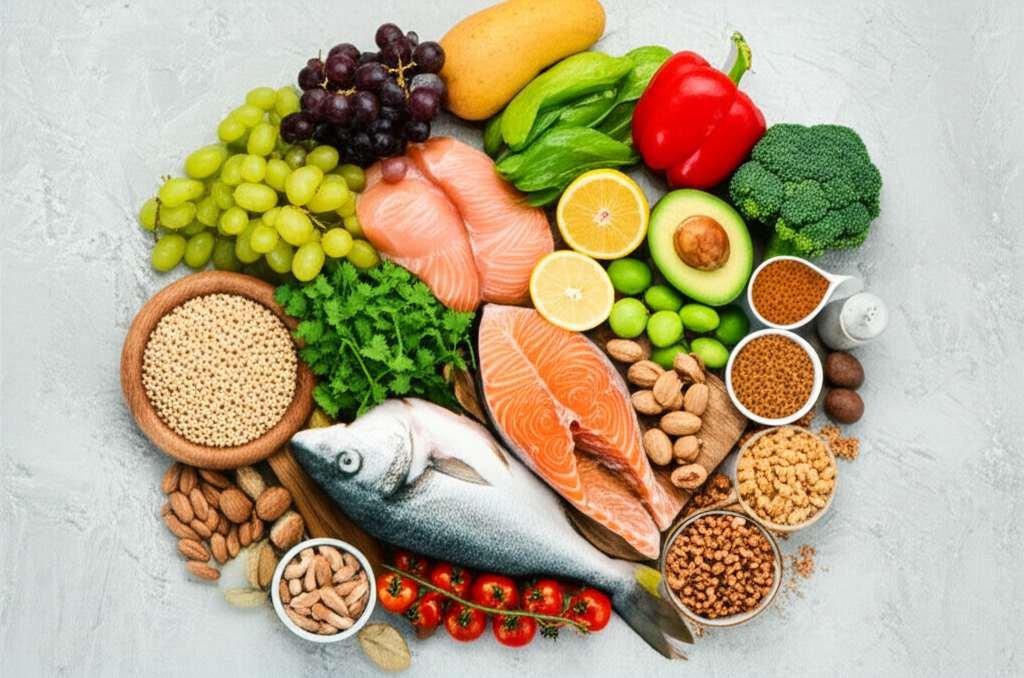
Fatty liver disease, also known as hepatic steatosis, is a condition where there’s too much fat in the liver. It’s more common than you might think and can affect anyone, though it’s often linked to lifestyle factors.
There are two main types: non-alcoholic fatty liver disease (NAFLD) and alcoholic fatty liver disease. NAFLD is the more common type and isn’t caused by heavy alcohol use. It can progress to more serious liver problems if not managed.
The good news is that diet plays a huge role in managing fatty liver disease. By making smart food choices, you can help reduce fat in your liver and improve its function.
Why Diet Matters for Your Liver
Your liver is a superstar organ, working hard to detoxify your body, process nutrients, and produce essential substances. When it’s overloaded with fat, its ability to perform these vital jobs can be compromised.
Think of your liver like a filter. If the filter gets clogged with too much of something (in this case, fat), it can’t work as efficiently. This is where a well-structured meal plan comes in.
A healthy diet helps your liver shed excess fat, reduces inflammation, and supports its natural repair processes. It’s about nourishing your body with the right things.
Key Principles of a Simple Fatty Liver Meal Plan
Creating a meal plan for fatty liver isn’t about strict deprivation; it’s about smart, balanced eating. The focus is on foods that are nutrient-dense and support liver health.
Here are the core ideas to keep in mind:
Focus on Whole, Unprocessed Foods: Think fruits, vegetables, lean proteins, and whole grains. These are packed with vitamins, minerals, and fiber.
Choose Healthy Fats: Not all fats are bad! Unsaturated fats are your friends.
Limit Sugars and Refined Carbs: These can contribute to fat buildup in the liver.
Control Portion Sizes: Even healthy foods can contribute to weight gain if eaten in excess.
Stay Hydrated: Water is crucial for all bodily functions, including your liver’s.
Let’s dive deeper into what this looks like in practice.
Foods to Embrace for a Healthy Liver
When building your fatty liver meal plan, filling your plate with these beneficial foods is key. They provide essential nutrients and actively support your liver.
Fruits: Berries, apples, pears, citrus fruits, and bananas are great choices. They are rich in antioxidants and fiber.
Vegetables: Load up on leafy greens (spinach, kale), broccoli, cauliflower, carrots, sweet potatoes, and bell peppers. They offer vitamins, minerals, and fiber.
Lean Proteins: Fish (especially fatty fish like salmon, mackerel, and sardines), chicken breast, turkey, beans, lentils, and tofu are excellent options. Protein helps with satiety and muscle building.
Whole Grains: Oats, quinoa, brown rice, barley, and whole-wheat bread provide fiber and sustained energy.
Healthy Fats: Avocados, nuts (walnuts, almonds), seeds (chia, flax, sunflower), and olive oil are rich in monounsaturated and polyunsaturated fats.
Dairy (Low-Fat): Low-fat yogurt and milk can be part of a balanced diet.
Herbs and Spices: Turmeric, ginger, garlic, and cinnamon have anti-inflammatory properties.
Foods to Limit or Avoid
To give your liver the best chance to heal, it’s important to reduce your intake of certain foods that can worsen fat buildup and inflammation.
Added Sugars: Sugary drinks (soda, juice), candy, pastries, and sweetened cereals. Fructose, in particular, can be hard on the liver.
Refined Carbohydrates: White bread, white rice, pasta made from white flour, and most processed snacks.
Unhealthy Fats: Saturated fats found in red meat, butter, and full-fat dairy, and trans fats found in fried foods and many processed baked goods.
Processed Foods: Packaged snacks, fast food, processed meats (sausages, bacon), and ready-made meals. These are often high in unhealthy fats, sugar, and sodium.
Alcohol: This is a major trigger for alcoholic fatty liver disease and can worsen NAFLD. It’s best to avoid or significantly limit alcohol consumption.
Excess Sodium: High salt intake can contribute to inflammation and other health issues.
How to Create Your Simple Fatty Liver Meal Plan: Step-by-Step
Now, let’s put it all together. Creating your meal plan doesn’t have to be complicated. Follow these simple steps to get started.
Step 1: Assess Your Current Habits
Before making changes, take a moment to understand what you’re currently eating. This isn’t about judgment, but about gaining awareness.
Food Diary: For a few days, jot down everything you eat and drink. Be honest! This will reveal patterns, like when you tend to reach for unhealthy snacks or sugary drinks.
Identify Triggers: Are there specific times of day, emotions, or situations that lead you to make less healthy choices? Understanding these triggers can help you plan around them.
Current Health Status: If you have other health conditions like diabetes or high blood pressure, your doctor may have specific dietary recommendations. Always consult with your healthcare provider.
Step 2: Set Realistic Goals
Don’t try to overhaul everything at once. Small, achievable goals lead to sustainable change.
Focus on One Meal: Instead of planning for the whole day, start by focusing on making one meal healthier, like breakfast.
Add One Healthy Food: Commit to adding one new healthy food to your diet each week, like incorporating berries into your yogurt or adding spinach to your omelet.
Reduce One Unhealthy Habit: Aim to cut out one unhealthy item, such as sugary drinks, for a week.
Step 3: Plan Your Meals and Snacks
This is where you start filling in the blanks. Think about variety and balance across your day.
Breakfast Ideas:
Oatmeal with berries and a sprinkle of nuts.
Scrambled eggs with spinach and whole-wheat toast.
Greek yogurt with fruit and chia seeds.
Lunch Ideas:
Large salad with grilled chicken or chickpeas, lots of veggies, and an olive oil-based dressing.
Lentil soup with a side of whole-grain bread.
Tuna salad (made with Greek yogurt instead of mayo) on whole-wheat crackers or lettuce wraps.
Dinner Ideas:
Baked salmon with roasted broccoli and quinoa.
Chicken stir-fry with plenty of colorful vegetables and brown rice.
Vegetable and bean chili.
Snack Ideas:
An apple with a small handful of almonds.
Carrot sticks with hummus.
A small bowl of berries.
A hard-boiled egg.
Step 4: Grocery Shopping Smart
Your pantry and fridge should be stocked with healthy options to make meal preparation easy.
Make a List: Based on your meal plan, create a detailed grocery list. This prevents impulse buys of unhealthy items.
Shop the Perimeter: Most grocery stores place fresh produce, lean meats, and dairy around the outer aisles. The inner aisles often contain more processed, less healthy options.
Read Labels: Pay attention to sugar content, saturated fat, and sodium levels in packaged foods.
Step 5: Prepare and Cook Wisely
How you prepare your food matters. Opt for healthier cooking methods.
Baking, Grilling, Steaming, Roasting: These methods use less added fat than frying.
Use Healthy Oils: Opt for olive oil or avocado oil for cooking.
Flavor with Herbs and Spices: Instead of salt or heavy sauces, use garlic, onion, herbs, and spices to add flavor.
Step 6: Stay Hydrated
Water is essential for your body’s detoxification processes and overall health.
Aim for 8 Glasses: Try to drink at least 8 glasses (about 2 liters) of water per day.
Flavor it Up: If plain water is boring, add slices of lemon, cucumber, or mint.
Limit Sugary Drinks: As mentioned, avoid sodas, sweetened juices, and energy drinks.
A Sample Simple Fatty Liver Meal Plan for a Week
Here’s a sample plan to give you a concrete idea of what a week of eating for fatty liver might look like. Remember, this is a template; adjust it based on your preferences and dietary needs.
Monday
Breakfast: Oatmeal with mixed berries and a tablespoon of walnuts.
Lunch: Large mixed green salad with grilled chicken breast, cucumber, tomatoes, and a lemon-olive oil vinaigrette.
Dinner: Baked salmon with steamed asparagus and a small serving of quinoa.
Snack: Apple slices with a small spoonful of almond butter.
Tuesday
Breakfast: Scrambled eggs (2) with spinach and one slice of whole-wheat toast.
Lunch: Lentil soup with a side of mixed greens.
Dinner: Turkey breast stir-fry with broccoli, bell peppers, snap peas, and a light soy-ginger sauce, served with brown rice.
Snack: A small handful of unsalted almonds.
Wednesday
Breakfast: Greek yogurt with sliced peaches and a sprinkle of chia seeds.
Lunch: Leftover turkey stir-fry.
Dinner: Baked cod with roasted sweet potatoes and green beans.
Snack: Carrot sticks with hummus.
Thursday
Breakfast: Smoothie made with spinach, banana, unsweetened almond milk, and a scoop of protein powder.
Lunch: Tuna salad (made with Greek yogurt) served in lettuce cups.
Dinner: Chicken breast baked with lemon and herbs, served with a large side of steamed kale.
Snack: Pear.
Friday
Breakfast: Oatmeal with sliced banana and a sprinkle of flax seeds.
Lunch: Leftover baked chicken and kale.
Dinner: Vegetarian chili made with kidney beans, black beans, tomatoes, and vegetables.
Snack: A small bowl of mixed berries.
Saturday
Breakfast: Whole-wheat pancakes (made with whole wheat flour) topped with fresh berries.
Lunch: Quinoa salad with chopped cucumber, tomatoes, parsley, and a lemon dressing.
Dinner: Grilled lean steak with a large side salad.
Snack: A hard-boiled egg.
Sunday
Breakfast: Omelet with mushrooms, onions, and bell peppers.
Lunch: Leftover vegetarian chili.
Dinner: Roasted chicken breast with a medley of roasted root vegetables (carrots, parsnips).
Snack:** A small handful of unsalted walnuts.
Important Considerations and Tips for Success
Making dietary changes is a journey, and it’s helpful to have a few extra tips in your pocket.
Listen to Your Body
Pay attention to how different foods make you feel. Some foods might agree with you more than others. Adjust your plan as needed.
Portion Control is Key
Even healthy foods can lead to weight gain if eaten in very large quantities. Be mindful of serving sizes, especially with calorie-dense foods like nuts and avocados.
Stay Active
Regular physical activity is crucial for managing fatty liver disease. Aim for at least 150 minutes of moderate-intensity aerobic exercise per week, plus muscle-strengthening activities. Exercise helps improve insulin sensitivity and can reduce liver fat. For more on exercise, the NHS website offers great advice on exercise for NAFLD.
Manage Stress
Chronic stress can negatively impact your health, including your liver. Find healthy ways to manage stress, such as meditation, yoga, deep breathing exercises, or spending time in nature.
Prioritize Sleep
Getting enough quality sleep (7-9 hours per night) is vital for hormone balance, metabolism, and overall liver function. Poor sleep can disrupt these processes.
Consult a Professional
This guide provides general information. It’s always best to talk to your doctor or a registered dietitian before making significant changes to your diet, especially if you have underlying health conditions. They can help you create a personalized plan. The Academy of Nutrition and Dietetics is a great resource for finding a registered dietitian.
Frequently Asked Questions About Fatty Liver Meal Plans
Q1: How quickly can I expect to see results with a fatty liver meal plan?
Results vary from person to person and depend on factors like the severity of your condition, adherence to the plan, and other lifestyle changes. Some people may start feeling better within a few weeks, while it might take a few months to see significant changes in liver fat levels. Consistency is key!
Q2: Can I still eat out with a fatty liver meal plan?
Yes, you can! When dining out, focus on healthier choices: opt for grilled, baked, or steamed dishes over fried. Load up on vegetables, choose lean proteins, and ask for dressings and sauces on the side. Be mindful of portion sizes and sugary drinks.
Q3: Is coffee good or bad for fatty liver?
Research suggests that moderate coffee consumption (black coffee, without added sugar or cream) may be beneficial for liver health and could help protect against liver disease progression. However, it’s always best to discuss your individual coffee intake with your doctor.
Q4: What are the best snacks for fatty liver?
Healthy snacks include fresh fruits (like apples, berries, pears), raw vegetables (carrots, celery, bell peppers) with hummus, a small handful of unsalted nuts (almonds, walnuts), seeds (chia, flax), or a small container of plain Greek yogurt. These options provide nutrients and fiber without excessive sugar or unhealthy fats.
Q5: Do I need to completely cut out all fats?
No, you don’t need to cut out all fats. The goal is to choose healthy fats, like those found in olive oil, avocados, nuts, and fatty fish, and limit unhealthy saturated and trans fats. Healthy fats are essential for your body and can even help improve cholesterol levels.
Q6: Can I follow this plan if I also have diabetes?
This meal plan focuses on whole foods and limits sugar and refined carbohydrates, which is generally beneficial for managing diabetes. However, if you have diabetes, it’s crucial to work with your doctor or a registered dietitian to ensure your meal plan meets your specific blood sugar management needs.
Conclusion: Your Journey to a Healthier Liver Starts Now
Creating a simple fatty liver meal plan is an empowering step toward better health. By focusing on whole, nutritious foods and limiting those that can harm your liver, you’re making a positive investment in your well-being.
Remember, this isn’t about perfection; it’s about progress. Start with small, manageable changes, be consistent, and don’t be afraid to seek support from healthcare professionals.
You have the power to influence your liver’s health through your daily food choices. Embrace this guide, experiment with the delicious recipes, and celebrate every healthy step you take. Your liver will thank you for it!
As an Amazon Associate, We earn from qualifying purchases. When you purchase a product through Amazon links on pulsefitguide.com, we may earn a small commission at no extra cost to you. This helps support the site and keep our content free.
