


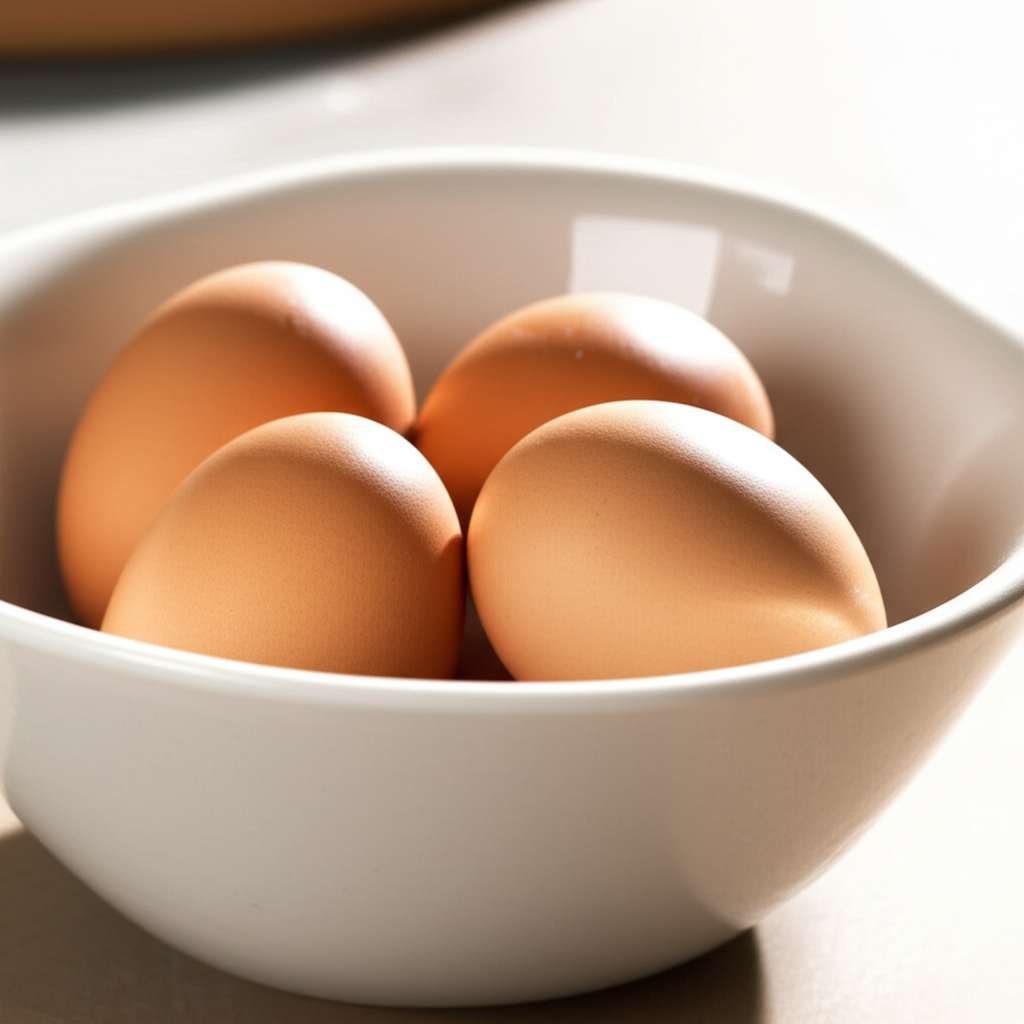
Yes, you can generally eat eggs with fatty liver. Eggs are a good source of protein and nutrients, and moderate consumption is usually safe and can even be beneficial as part of a balanced diet for managing fatty liver disease. The key is in preparation and overall dietary patterns.
Navigating diet changes when you have fatty liver can feel like a puzzle, right? You might be wondering about common foods and if they fit into your new healthy eating plan. It’s totally understandable to have questions about what you can and can’t enjoy.
Don’t worry, we’re here to break it down. We’ll explore the role of eggs in a fatty liver diet, making it simple and clear so you can feel confident about your food choices. Let’s get you the straightforward answers you need!
Can I Eat Eggs With Fatty Liver? An Essential Guide for Beginners
Fatty liver disease, also known as non-alcoholic fatty liver disease (NAFLD), is a condition where excess fat builds up in your liver. It’s becoming more common, and often, people are unsure about how their diet affects it. One food that frequently comes up in discussions is eggs. Are they a friend or foe when you have fatty liver?
The good news is that for most people with fatty liver, eggs are perfectly fine and can even be a valuable part of a healthy diet. This guide will help you understand why, how to prepare them, and what to keep in mind. We’ll make it super easy to follow, no confusing jargon, just clear advice.
Understanding Fatty Liver and Diet
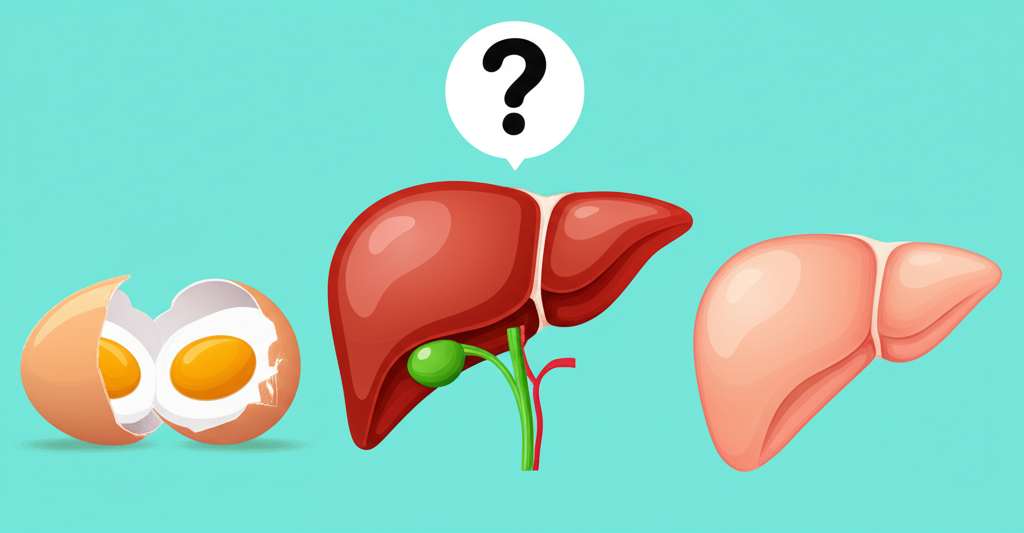
Fatty liver disease occurs when fat makes up more than 5-10% of your liver’s weight. While it might sound alarming, it’s often a silent condition that’s reversible with lifestyle changes, especially diet and exercise. The main goal of dietary management is to reduce fat buildup in the liver and improve overall health.
This involves focusing on a balanced diet that’s rich in nutrients, fiber, and lean protein, while limiting unhealthy fats, added sugars, and refined carbohydrates. It’s about making smart choices that support your liver’s health and help manage your weight, which is a key factor in fatty liver.
Are Eggs Good for Fatty Liver?
Let’s dive into the nitty-gritty of eggs. For a long time, people were concerned about the cholesterol content in eggs and its potential impact on heart health and conditions like fatty liver. However, research has evolved significantly.
Eggs are a nutritional powerhouse. They are packed with high-quality protein, which is essential for building and repairing tissues. They also contain important vitamins and minerals like Vitamin D, Vitamin B12, selenium, and choline. Choline, in particular, is vital for liver function and helps move fat out of the liver, which is directly beneficial for managing fatty liver disease.
A study published in the Journal of Nutrition highlighted that dietary cholesterol from eggs may not have as significant an impact on blood cholesterol levels for most people as previously thought. Instead, saturated and trans fats tend to have a larger effect.
The Cholesterol Connection: What You Need to Know
It’s true that egg yolks contain cholesterol. A large egg has about 186 mg of cholesterol. For many years, this led to recommendations to limit egg intake, especially for those with heart disease or at risk. However, your body also produces cholesterol, and for many people, dietary cholesterol has a modest effect on blood cholesterol levels.
The liver plays a key role in cholesterol regulation. When you eat more cholesterol, your liver typically produces less, and vice versa. For individuals with fatty liver, the focus shifts more towards reducing inflammation and improving insulin sensitivity, which are often linked to unhealthy fats and sugars, rather than solely on dietary cholesterol from eggs.
Nutrient Benefits of Eggs for Liver Health
Beyond protein and cholesterol, eggs offer other benefits:
- Choline: As mentioned, choline is crucial. It’s a key component of cell membranes and is involved in transporting fats. Adequate choline intake can help prevent fat accumulation in the liver.
- Antioxidants: Eggs contain antioxidants like lutein and zeaxanthin, which can help combat oxidative stress and inflammation in the body, including in the liver.
- Vitamins and Minerals: They provide essential nutrients like Vitamin D, which has anti-inflammatory properties, and B vitamins, which support metabolism.
How to Eat Eggs Safely With Fatty Liver
The way you prepare your eggs matters a lot. While eating a plain boiled egg is generally very healthy, the cooking method can add unhealthy fats that you’ll want to avoid.
Healthy Preparation Methods
Opt for cooking methods that don’t require a lot of added fat:
- Boiled: This is one of the simplest and healthiest ways to prepare eggs.
- Poached: Similar to boiled, poaching uses water and no added fat.
- Scrambled (with minimal oil/butter): If you scramble eggs, use a non-stick pan and a very small amount of healthy oil like olive oil or avocado oil. You can also add water or milk to make them fluffier without much fat.
- Omelets (with minimal oil): Similar to scrambled, keep the added fat to a minimum. Load them up with vegetables for extra nutrients and fiber!
What to Avoid
You’ll want to steer clear of preparation methods that add significant amounts of unhealthy fats:
- Deep-fried eggs: These absorb a lot of oil, making them less healthy.
- Eggs cooked with excessive butter or unhealthy oils: Be mindful of the amount of fat used in the pan.
- Eggs served with fatty meats: Pairing your eggs with bacon or sausage can add a lot of saturated fat to your meal.
Portion Sizes and Frequency
Moderation is key with any food, including eggs. While eggs are beneficial, consuming them in excess might not be ideal, especially if you have other health conditions or if your overall diet is high in fat.
For individuals managing fatty liver, a general guideline is to aim for around 3-4 whole eggs per week as part of a balanced diet. Some studies suggest that up to one egg per day might be acceptable for many healthy individuals, but it’s always best to consult with your doctor or a registered dietitian.
Your healthcare provider can give you personalized recommendations based on your specific health status, cholesterol levels, and other dietary needs. They can help you integrate eggs into a meal plan that supports your liver health effectively.
Eggs in a Balanced Fatty Liver Diet
Eggs are just one piece of the puzzle when it comes to managing fatty liver. A truly effective diet plan focuses on a variety of nutrient-dense foods. Think of eggs as a great protein source to include alongside other liver-friendly foods.
What Else to Include
A diet that supports fatty liver often includes:
- Fruits and Vegetables: Rich in fiber, vitamins, minerals, and antioxidants. Aim for a wide variety of colors.
- Whole Grains: Such as oats, brown rice, quinoa, and whole wheat bread, which provide fiber and help regulate blood sugar.
- Lean Proteins: Fish (especially fatty fish like salmon for omega-3s), poultry without skin, beans, and lentils.
- Healthy Fats: Found in avocados, nuts, seeds, and olive oil.
What to Limit
To help your liver heal and function optimally, it’s important to reduce intake of:
- Added Sugars: Found in sugary drinks, desserts, candies, and many processed foods.
- Refined Carbohydrates: Like white bread, white pasta, and sugary cereals.
- Unhealthy Fats: Saturated fats (found in red meat, butter, full-fat dairy) and trans fats (often in fried foods and baked goods).
- Alcohol: This is crucial, as alcohol can significantly worsen liver damage.
Comparing Egg Preparation Methods for Fatty Liver
To give you a clearer picture, let’s compare how different cooking methods stack up. This table shows the approximate nutritional values for a large egg (around 50g), focusing on fat content and preparation.
| Preparation Method | Approximate Total Fat (g) | Approximate Saturated Fat (g) | Notes |
|---|---|---|---|
| Boiled/Poached (1 Large Egg) | 4.8 | 1.6 | No added fat. Excellent choice. |
| Scrambled (1 Large Egg, minimal olive oil) | 5.5 – 6.0 | 1.8 – 2.0 | Slight increase due to a teaspoon of healthy oil. Still a good option. |
| Fried (1 Large Egg, 1 tsp butter) | 7.0 – 8.0 | 3.0 – 3.5 | Butter adds saturated fat. Use sparingly if choosing this. |
| Omelet (1 Large Egg, vegetables, minimal oil) | 5.5 – 6.5 | 1.8 – 2.2 | Fat content depends on oil and added ingredients. Focus on veggies! |
As you can see, the biggest difference comes from what you add to the pan. Keeping added fats low is the most important factor when preparing eggs for a fatty liver diet.
Beyond Diet: Lifestyle Factors for Fatty Liver
While diet is a cornerstone of managing fatty liver, other lifestyle changes are equally important. Consistency across the board will yield the best results for your liver health and overall well-being.
Regular Physical Activity
Exercise is incredibly beneficial for fatty liver disease. It helps improve insulin sensitivity, reduce inflammation, and can lead to weight loss, which is often a primary goal for those with NAFLD. Aim for at least 150 minutes of moderate-intensity aerobic activity per week, like brisk walking, cycling, or swimming.
Strength training is also important. Incorporating exercises that build muscle mass can boost your metabolism. Even small amounts of regular movement can make a significant difference. Check out resources from the National Institute of Diabetes and Digestive and Kidney Diseases (NIDDK) for more on managing fatty liver through lifestyle.
Weight Management
If you are overweight or obese, losing even a small percentage of your body weight (5-10%) can significantly reduce fat in your liver and improve liver enzymes. This doesn’t mean drastic diets; it’s about sustainable changes to your eating habits and activity levels.
Focus on creating a calorie deficit through a combination of a healthy diet and regular exercise. Sustainable weight loss is more effective for long-term liver health than rapid, unsustainable methods.
Managing Other Health Conditions
Fatty liver disease is often linked to other conditions like diabetes, high cholesterol, and high blood pressure. Effectively managing these conditions is crucial for your liver health.
Work with your doctor to keep your blood sugar, blood pressure, and cholesterol levels within a healthy range. This might involve medication, in addition to diet and exercise, and it’s all part of a comprehensive approach to managing your health.
Frequently Asked Questions (FAQ)
Here are some common questions beginners have about eating eggs with fatty liver:
Q1: How many eggs can I eat per week with fatty liver?
A: For most people managing fatty liver, consuming around 3-4 whole eggs per week is generally considered safe and can be beneficial as part of a balanced diet. However, it’s best to get personalized advice from your doctor or a registered dietitian.
Q2: Is it okay to eat the egg yolk with fatty liver?
A: Yes, the egg yolk contains valuable nutrients like choline and antioxidants. While yolks contain cholesterol, for many people, moderate consumption as part of a healthy diet doesn’t negatively impact liver health. The focus is more on overall dietary patterns and limiting unhealthy fats.
Q3: What is the healthiest way to cook eggs for fatty liver?
A: The healthiest ways to cook eggs are boiling, poaching, or scrambling/making omelets with minimal healthy oil (like olive or avocado oil). These methods avoid adding significant amounts of unhealthy fats.
Q4: Should I avoid eggs completely if I have fatty liver?
A: No, you generally do not need to avoid eggs completely. In fact, their nutritional profile, especially the choline content, can be beneficial. The key is moderation and healthy preparation methods.
Q5: What if my doctor told me to watch my cholesterol?
A: If you have been advised to limit dietary cholesterol due to specific health concerns, discuss this with your doctor. They can help you determine an appropriate egg intake that fits your overall health plan, considering that saturated and trans fats often have a greater impact on blood cholesterol than dietary cholesterol from eggs for many people.
Q6: Can eating eggs cause fatty liver disease?
A: Eating eggs themselves does not directly cause fatty liver disease. Fatty liver is typically caused by a combination of factors, including obesity, insulin resistance, high blood sugar, high triglycerides, and genetics, often related to an overall unhealthy diet high in processed foods, sugars, and unhealthy fats.
Conclusion
So, to wrap it all up: can you eat eggs with fatty liver? Absolutely! Eggs are a nutrient-dense food that can be a healthy and beneficial part of your diet when you have fatty liver disease. They provide essential protein and crucial nutrients like choline, which supports liver function.
The most important thing is to focus on how you prepare them – opt for boiling, poaching, or using minimal healthy oils for scrambling and omelets. Be mindful of portion sizes and integrate eggs into a broader healthy eating pattern that emphasizes fruits, vegetables, whole grains, and lean proteins, while limiting added sugars and unhealthy fats.
Remember, managing fatty liver is a journey that involves more than just diet. Regular exercise, maintaining a healthy weight, and managing other health conditions are all vital pieces of the puzzle. By making informed, consistent choices, you can support your liver’s health and work towards a healthier you. Keep up the great work on your health journey!
As an Amazon Associate, We earn from qualifying purchases. When you purchase a product through Amazon links on pulsefitguide.com, we may earn a small commission at no extra cost to you. This helps support the site and keep our content free.
