


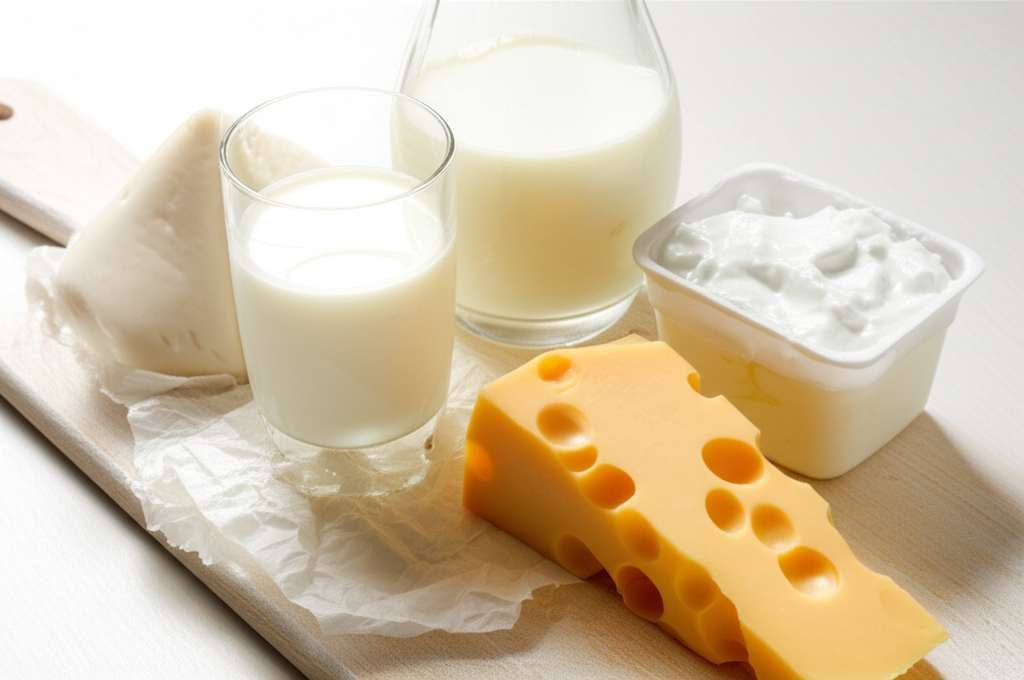
Quick Summary: For most people with fatty liver, dairy isn’t inherently “bad.” The key is choosing low-fat, unsweetened options and considering individual tolerance. Full-fat dairy or excessive amounts might be less ideal due to saturated fat and calories. Focus on a balanced diet for the best results.
Ever heard that dairy might be a no-go when you’re dealing with a fatty liver? It’s a super common question, and the confusion is totally understandable! Navigating dietary advice can feel like trying to solve a puzzle with missing pieces.
But don’t worry, we’re going to break it down simply. Think of me as your guide, helping you understand the science without the confusing jargon.
We’ll look at what the research says and how dairy might fit into a healthy eating plan for fatty liver. You’ll leave here feeling confident about your food choices!
Understanding Fatty Liver Disease
First off, what exactly is fatty liver disease? Simply put, it’s when there’s too much fat built up in your liver. It’s a condition that’s becoming more common, and while it doesn’t always cause problems, it’s good to manage it.
There are two main types: alcoholic fatty liver disease (caused by drinking too much alcohol) and non-alcoholic fatty liver disease (NAFLD), which is linked to other factors like diet, weight, and genetics. NAFLD is the one we’ll focus on most when discussing diet.
The good news is that lifestyle changes, especially diet and exercise, can make a big difference in managing NAFLD. It’s all about making smart, informed choices for your health.
Dairy: A Quick Overview
Dairy products, like milk, yogurt, cheese, and butter, have been a part of human diets for thousands of years. They are often a good source of calcium, vitamin D, and protein.
However, dairy also contains fats, and for some people, it can cause digestive issues. When we talk about dairy and health, it’s important to look at the specific types of dairy and how they’re made.
The type of fat in dairy is mostly saturated fat, which has been a topic of discussion in heart health and weight management. This is where the confusion with fatty liver often comes in.
Is Dairy Bad for Fatty Liver? The Science
So, let’s get to the big question: is dairy bad for fatty liver? The short answer is: it’s complicated, but often not a direct “yes” or “no.” It really depends on the type of dairy, the amount consumed, and your overall diet.
Some older advice suggested cutting out all dairy because of its saturated fat content. The thinking was that saturated fat could worsen liver fat. However, newer research is a bit more nuanced.
Studies suggest that the type of saturated fat in dairy might not have the same negative impact as saturated fats from other sources, like red meat or processed foods. In fact, some dairy components might even have protective effects.
Saturated Fat and Liver Health
Saturated fat has been a long-standing concern in diets related to liver health and weight management. High intake of saturated fats can contribute to inflammation and increased fat storage in the liver.
However, not all saturated fats are created equal. Dairy fat is a mix of different fatty acids. Some research points to certain dairy fatty acids potentially having neutral or even beneficial effects on metabolic health.
The overall dietary pattern is much more important than focusing on a single nutrient like saturated fat. A diet high in processed foods, sugar, and unhealthy fats is far more detrimental than moderate intake of certain dairy products.
The Role of Dairy in a Balanced Diet
Dairy can be a valuable part of a balanced diet for many people, including those managing fatty liver. It provides essential nutrients that are important for overall health and can help with satiety, which is key for weight management.
For instance, yogurt, especially Greek yogurt, is a great source of protein and probiotics, which can support gut health. A healthy gut is increasingly being linked to better liver health.
The key is moderation and making smart choices. Opting for lower-fat, unsweetened varieties can help manage calorie and saturated fat intake while still reaping the nutritional benefits.
Which Dairy Options Are Best (or Worst) for Fatty Liver?
When considering dairy and fatty liver, it’s helpful to know which options are generally more recommended and which might be best to limit.
Think of it like this: some dairy choices are like a gentle breeze, while others might be a bit more of a gust. We want to lean towards the gentle breeze!
Recommended Dairy Choices
These options are generally considered better choices because they tend to be lower in fat and calories, or offer additional benefits like probiotics.
- Low-fat or Skim Milk: These provide calcium and vitamin D with significantly less fat and fewer calories than whole milk.
- Unsweetened Yogurt (especially Greek yogurt): High in protein, which helps you feel full, and often contains beneficial probiotics. Look for plain versions to avoid added sugars.
- Low-fat Cheese: Options like cottage cheese (low-fat), mozzarella (part-skim), or Swiss cheese can be enjoyed in moderation.
- Kefir: A fermented milk drink that’s rich in probiotics, which can support gut health.
Dairy Options to Limit
These options tend to be higher in saturated fat and calories, which can be less ideal for fatty liver management. They’re not necessarily “forbidden,” but should be consumed sparingly.
- Whole Milk: Contains more saturated fat and calories.
- Full-fat Cheese: While delicious, these are typically high in saturated fat and calories.
- Butter and Cream: Very high in saturated fat and calories.
- Sweetened Yogurts and Ice Cream: These often pack a lot of added sugar, which is a major concern for fatty liver.
Understanding Your Own Body: Lactose Intolerance and Dairy Sensitivity
It’s not just about the liver; your digestive system plays a role too! Some people have trouble digesting dairy, a condition known as lactose intolerance. Others might have a broader dairy sensitivity.
If dairy causes you bloating, gas, or stomach discomfort, it’s probably not the best choice for you, regardless of your liver health. Listen to your body!
Even if you don’t have full-blown intolerance, some people feel better when they reduce their dairy intake. There are plenty of delicious dairy-free alternatives available these days.
Dairy-Free Alternatives
The world of dairy-free options is vast and tasty! You can find great substitutes for milk, yogurt, and cheese.
- Almond Milk: Lower in calories and fat, often fortified with calcium and vitamin D.
- Soy Milk: A good source of protein, similar to cow’s milk.
- Oat Milk: Creamy texture, can be a good source of fiber.
- Coconut Milk (beverage type): Creamy, but check labels for added sugars and fat content.
- Cashew Milk: Another creamy option.
When choosing alternatives, always check the nutrition label. Look for unsweetened versions and those fortified with calcium and vitamin D to match the nutritional profile of dairy.
Dietary Recommendations for Fatty Liver
Managing fatty liver disease is largely about adopting a healthy lifestyle, with diet being a cornerstone. The goal is to reduce inflammation, improve insulin sensitivity, and promote weight loss if needed.
A diet rich in fruits, vegetables, whole grains, and lean proteins is generally recommended. Limiting processed foods, sugary drinks, and unhealthy fats is crucial.
Here’s a look at key dietary strategies:
The Mediterranean Diet Approach
Many experts recommend a Mediterranean-style eating pattern for fatty liver. This diet emphasizes:
- Plenty of fruits and vegetables
- Whole grains
- Legumes (beans, lentils)
- Nuts and seeds
- Olive oil as the primary fat source
- Fish and poultry in moderation
- Limited red meat and sweets
This pattern is rich in antioxidants and healthy fats, which can help reduce inflammation and improve liver function. You can find more information on the benefits of the Mediterranean diet for liver health from sources like the National Institute of Diabetes and Digestive and Kidney Diseases (NIDDK).
What to Focus On
- Fiber: Found in fruits, vegetables, and whole grains, fiber helps with digestion and can improve cholesterol levels.
- Lean Protein: Fish, chicken breast, beans, and tofu are excellent choices.
- Healthy Fats: Found in olive oil, avocados, nuts, and seeds.
- Antioxidants: Abundant in colorful fruits and vegetables, they help fight inflammation.
What to Limit
- Added Sugars: Especially from sugary drinks, sweets, and processed snacks. Sugar is a major contributor to fat buildup in the liver.
- Refined Carbohydrates: White bread, white pasta, and pastries.
- Unhealthy Fats: Saturated fats (found in fatty meats, butter) and trans fats (often in fried and processed foods).
- Alcohol: For alcoholic fatty liver disease, complete abstinence is necessary. For NAFLD, limiting alcohol is also advised.
Putting It All Together: A Sample Day’s Eating Plan
Let’s imagine what a day of eating might look like if you’re focusing on a liver-friendly diet that includes dairy in moderation.
Breakfast
Option 1 (with dairy): A bowl of plain, low-fat Greek yogurt topped with berries and a sprinkle of nuts or seeds. A small glass of water or unsweetened herbal tea.
Option 2 (dairy-free): Oatmeal made with unsweetened almond milk, topped with sliced banana and a tablespoon of chia seeds. Water or herbal tea.
Lunch
Option 1 (with dairy): A large salad with mixed greens, grilled chicken breast or chickpeas, a variety of colorful vegetables (like bell peppers, cucumbers, tomatoes), and a light vinaigrette dressing made with olive oil and lemon juice. A small side of whole-grain crackers.
Option 2 (dairy-free): Lentil soup with a side of whole-wheat bread. A piece of fruit like an apple or pear.
Dinner
Option 1 (with dairy): Baked salmon seasoned with herbs, served with roasted vegetables (like broccoli and sweet potatoes) drizzled with olive oil. A small serving of quinoa.
Option 2 (dairy-free): Stir-fried tofu with mixed vegetables (broccoli, carrots, snap peas) in a light soy-ginger sauce, served over brown rice.
Snacks (if needed)
- A handful of almonds or walnuts
- An apple with a tablespoon of natural peanut butter
- A small portion of low-fat cottage cheese (if tolerated)
- Carrot sticks with hummus
This is just an example, and the key is to find meals you enjoy and that fit your lifestyle. The focus is on whole, unprocessed foods.
When to Talk to a Doctor or Dietitian
While this guide provides general information, it’s super important to remember that everyone is different. Your specific health needs might require personalized advice.
If you’ve been diagnosed with fatty liver disease, or if you have concerns about your diet, it’s always best to consult with your doctor or a registered dietitian.
They can help you create a dietary plan that’s safe, effective, and tailored to your individual health status, preferences, and any other conditions you might have. They can also help you understand if dairy is a good fit for you.
Frequently Asked Questions (FAQ)
Q1: Can I still eat cheese if I have fatty liver?
Yes, you can, but choose wisely! Opt for lower-fat cheeses like part-skim mozzarella or low-fat cottage cheese in moderation. Full-fat cheeses are higher in saturated fat and calories, so they should be eaten less often.
Q2: Is full-fat yogurt bad for fatty liver?
Full-fat yogurt is higher in saturated fat and calories. While not necessarily “bad” in small amounts for everyone, it’s generally better to choose low-fat or non-fat, unsweetened yogurt for fatty liver management. This helps control fat intake and calories.
Q3: Does drinking milk cause fatty liver?
Drinking milk itself doesn’t directly cause fatty liver. However, consuming excessive calories from any source, including whole milk, can contribute to weight gain, which is a major risk factor for non-alcoholic fatty liver disease (NAFLD). Choosing low-fat or skim milk is a better option.
Q4: Are probiotics in yogurt good for fatty liver?
Yes, probiotics found in some yogurts and fermented foods can be beneficial for gut health. A healthy gut microbiome is increasingly linked to reduced inflammation and improved liver health. Look for yogurts with “live and active cultures” or specifically mention probiotics.
Q5: Should I avoid all dairy if I have fatty liver?
Not necessarily. Many people with fatty liver can include low-fat, unsweetened dairy products in their diet without issue. The focus should be on overall dietary patterns, calorie intake, and limiting added sugars and unhealthy fats. If dairy causes digestive upset or you have specific concerns, discuss alternatives with your doctor.
Q6: What are the main dietary changes for fatty liver?
The main changes involve reducing intake of added sugars (especially from sugary drinks), refined carbohydrates, and unhealthy fats (saturated and trans fats). Instead, focus on a diet rich in fiber, lean proteins, healthy fats, fruits, vegetables, and whole grains. Weight loss, if overweight or obese, is also a critical component.
Conclusion
Navigating dietary advice for fatty liver can seem like a challenge, but it doesn’t have to be overwhelming. When it comes to dairy, the message isn’t a strict “avoid at all costs.” Instead, it’s about making informed, mindful choices.
Opting for low-fat, unsweetened dairy products can allow you to benefit from their nutrients like calcium and protein without adding excessive saturated fat or calories to your diet. Paying attention to how your body feels after consuming dairy is also key. If certain dairy items cause discomfort, explore delicious dairy-free alternatives.
Ultimately, the most effective approach to managing fatty liver disease involves a comprehensive healthy lifestyle. This includes a balanced diet rich in whole foods, regular physical activity, and maintaining a healthy weight. By focusing on these fundamentals and making smart choices about dairy, you can take significant steps towards improving your liver health and overall well-being.
As an Amazon Associate, We earn from qualifying purchases. When you purchase a product through Amazon links on pulsefitguide.com, we may earn a small commission at no extra cost to you. This helps support the site and keep our content free.
