


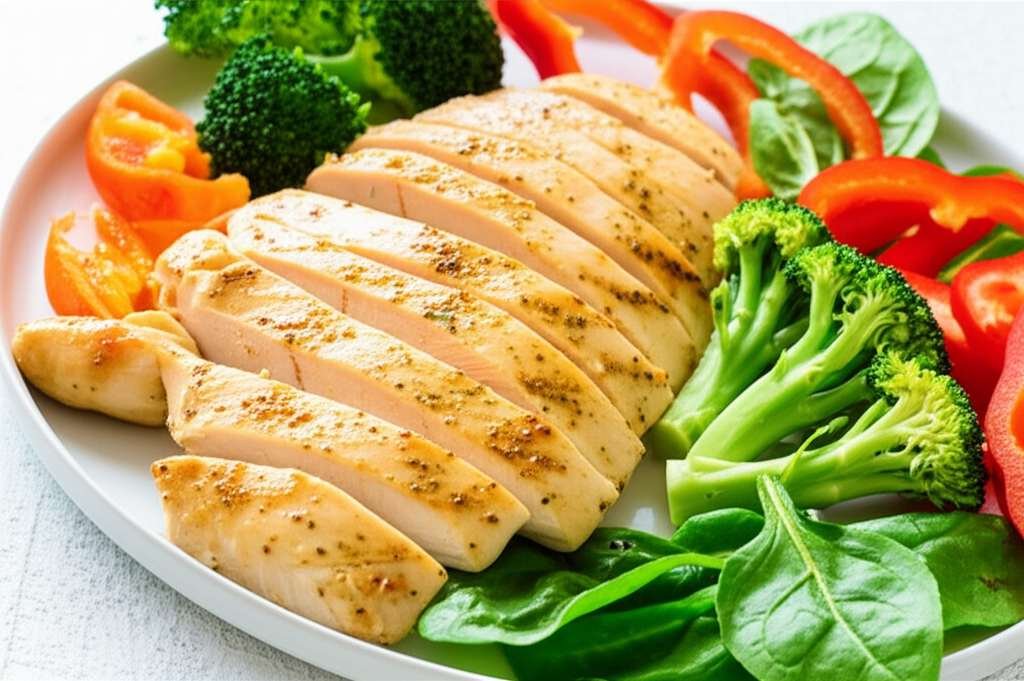
Yes, lean chicken can be an excellent choice for fatty liver weight loss. It’s a protein-rich, lower-fat option that supports satiety and muscle mass, crucial for shedding pounds and improving liver health. This guide will show you how to incorporate it wisely.
Dealing with fatty liver can feel overwhelming, especially when you’re trying to lose weight. You might be wondering what foods are safe and helpful, and which ones to avoid. It’s totally normal to feel a bit confused!
The good news is that making smart food choices can make a big difference. We’re here to break down the science in a simple way, focusing on practical steps you can take right now.
Let’s dive into how chicken can fit into your weight loss plan for a healthier liver. We’ll cover everything you need to know, from choosing the best cuts to preparing delicious, liver-friendly meals.
Why Weight Loss Matters for Fatty Liver
Fatty liver disease, also known as non-alcoholic fatty liver disease (NAFLD), is a common condition where excess fat builds up in your liver. This can sometimes lead to more serious liver problems if not managed.
One of the most effective ways to manage and even reverse fatty liver is through weight loss. Losing even a small amount of weight, like 5-10% of your body weight, can significantly reduce fat in your liver and improve its function.
When you lose weight, you’re not just shrinking your waistline; you’re helping your liver shed that extra fat. This can prevent further damage and improve your overall health. It’s a win-win situation!
The Role of Protein in Weight Loss and Liver Health
Protein is a superstar nutrient when it comes to weight loss and keeping your body healthy, especially when you have fatty liver. Think of it as your ally in this journey.
Protein helps you feel fuller for longer. This means you’re less likely to overeat or snack on unhealthy foods between meals. It’s a great way to manage your appetite naturally.
It also plays a vital role in maintaining your muscle mass. As you lose weight, it’s important to keep your muscles strong. Protein provides the building blocks for your muscles, helping your body stay toned and functional.
For your liver, protein is essential for repair and regeneration. A healthy liver needs adequate protein to function properly and to recover from any damage caused by fat buildup.
Is Chicken a Good Choice for Fatty Liver Weight Loss?
So, is chicken good for fatty liver weight loss? The short answer is a resounding yes, especially when you choose the right cuts and prepare them healthily!
Chicken, particularly lean cuts like chicken breast, is a fantastic source of high-quality protein. It’s relatively low in saturated fat compared to other protein sources, which is a big plus for liver health.
When you’re aiming to lose weight and improve your liver, focusing on lean protein helps you stay full while keeping your calorie intake in check. This makes it easier to create the calorie deficit needed for weight loss.
Choosing chicken over fattier meats can directly contribute to reducing overall fat intake, which is key for managing fatty liver disease.
Why Lean Chicken is Your Friend
Let’s break down why lean chicken is such a great option for your weight loss and liver health goals:
- High-Quality Protein: Chicken breast is packed with complete protein, meaning it contains all the essential amino acids your body needs. This is crucial for muscle building and repair.
- Lower in Saturated Fat: Compared to red meats or poultry with skin, lean chicken breast has significantly less saturated fat. Lowering saturated fat intake is beneficial for heart health and can help reduce liver fat.
- Versatile: Chicken can be prepared in countless healthy ways, making it easy to incorporate into a varied and enjoyable diet.
- Satiating: The protein content helps you feel satisfied after meals, which can curb cravings and prevent overeating.
As recommended by the National Institute of Diabetes and Digestive and Kidney Diseases (NIDDK), focusing on a healthy diet that includes lean protein is a cornerstone of managing fatty liver disease.
What About Dark Meat and Skin?
While chicken breast is the leanest option, what about other parts of the chicken? Dark meat, like thighs and legs, does contain more fat and calories than breast meat. The skin is also quite fatty.
For fatty liver weight loss, it’s best to limit or avoid chicken skin. The skin contains a significant amount of fat, including saturated fat, which isn’t ideal for your liver health goals.
Dark meat can be consumed in moderation, especially if you remove the skin. However, prioritizing chicken breast will give you the most benefit for weight loss and managing fat intake.
How to Prepare Chicken for Fatty Liver Weight Loss
The way you cook your chicken is just as important as the cut you choose. Greasy, fried chicken is definitely not on the menu for fatty liver weight loss!
We want to focus on cooking methods that add minimal extra fat and calories. This keeps the focus on the lean protein and its benefits.
Here are some of the best ways to prepare chicken to support your weight loss and liver health:
Healthy Cooking Methods
- Baking/Roasting: This is a simple and effective method. Season your chicken breast with herbs, spices, and a drizzle of olive oil, then bake until cooked through. This method allows the fat to drip away.
- Grilling: Grilling is another excellent choice. It uses dry heat and often requires little to no added fat. Marinate your chicken in healthy ingredients like lemon juice, herbs, and garlic for extra flavor.
- Poaching: Poaching involves simmering chicken gently in liquid, such as water, broth, or white wine. This results in incredibly tender and moist chicken without any added fat.
- Stir-frying: When stir-frying, use a minimal amount of healthy oil like olive or avocado oil. Load up your stir-fry with plenty of colorful vegetables for added nutrients and fiber.
- Steaming: Steaming is one of the healthiest cooking methods. It uses moist heat to cook food and requires no added fat at all.
What to Avoid
Just as important as knowing what to do is knowing what to avoid. These cooking methods can add unnecessary fat and calories, working against your weight loss and liver health goals:
- Deep-frying: This method soaks the chicken in oil, adding a huge amount of fat and calories.
- Pan-frying with lots of oil: While some pan-frying is okay with minimal oil, excessive amounts of oil will make the chicken less healthy.
- Breaded and fried chicken: The breading adds carbohydrates and often means the chicken will be fried, increasing fat content.
Nutritional Breakdown: Chicken vs. Other Proteins
To really understand why chicken is a good choice, let’s compare its nutritional profile to other common protein sources. This helps you make informed decisions about your meals.
We’ll focus on a standard 3.5-ounce (100-gram) serving of cooked protein. Remember that these are approximate values and can vary based on preparation.
Lean Chicken Breast vs. Other Options
Here’s a look at the approximate nutritional content:
| Food Item (100g cooked) | Calories | Protein (g) | Fat (g) | Saturated Fat (g) |
|---|---|---|---|---|
| Chicken Breast (skinless) | 165 | 31 | 3.6 | 1.0 |
| Chicken Thigh (skinless) | 200 | 26 | 10 | 3.0 |
| Beef (lean sirloin) | 180 | 36 | 3.5 | 1.5 |
| Pork (lean tenderloin) | 145 | 27 | 3.0 | 1.0 |
| Salmon | 208 | 20 | 13 | 3.0 |
| Tofu (firm) | 70 | 8 | 4 | 0.5 |
As you can see, skinless chicken breast offers a great balance of high protein and low fat, especially when compared to some other options. While salmon is healthy and provides beneficial omega-3 fatty acids, it is higher in fat than chicken breast. Lean beef and pork can also be good choices, but chicken breast often edges them out for lowest fat content.
This comparison highlights why lean chicken is a top pick for those focused on reducing fat intake while maximizing protein for weight loss and liver health.
Incorporating Chicken into a Fatty Liver Weight Loss Meal Plan
Now that we know chicken is a good choice, let’s talk about how to make it a regular part of your meals without getting bored. Variety is key to sticking with any diet!
The goal is to create balanced meals that are satisfying and nutrient-dense. This means pairing your lean chicken with plenty of vegetables, whole grains, and healthy fats.
Here’s a look at how you can structure your meals:
Sample Meal Ideas
These are just ideas to get you started. Feel free to adjust them based on your preferences and what’s available!
- Breakfast (if you’re a chicken-for-breakfast person!): A small portion of shredded, unseasoned chicken breast mixed into an omelet with spinach and mushrooms.
- Lunch: A large salad with grilled chicken breast, mixed greens, cucumber, tomatoes, bell peppers, and a light vinaigrette dressing. Add a small serving of quinoa for extra fiber.
- Dinner: Baked chicken breast seasoned with herbs, served with steamed broccoli and a small portion of brown rice or sweet potato.
- Snack: A small handful of almonds or a piece of fruit if you need something between meals. If you’re hungry for something savory, a few slices of plain, cooked chicken breast can work.
Portion Control is Key
Even healthy foods need to be eaten in appropriate amounts. For weight loss, portion control is essential. A typical serving of lean protein like chicken breast is about 3-4 ounces (about the size of a deck of cards).
Paying attention to portion sizes helps you manage your calorie intake without feeling deprived. Using smaller plates can also be a helpful visual trick!
Beyond Chicken: Other Essential Foods for Fatty Liver Weight Loss
While chicken is great, a truly effective weight loss plan for fatty liver needs to be well-rounded. It’s about creating a healthy eating pattern, not just focusing on one food.
Let’s look at other food groups that are crucial for supporting your liver and aiding weight loss.
What to Emphasize
- Vegetables: Load up on non-starchy vegetables like leafy greens, broccoli, cauliflower, bell peppers, and zucchini. They are low in calories and packed with vitamins, minerals, and fiber.
- Fruits: Berries, apples, and pears are great choices. They provide fiber and antioxidants. Be mindful of portion sizes due to their natural sugar content.
- Whole Grains: Opt for whole grains like oats, quinoa, brown rice, and barley in moderation. They provide fiber and help you feel full.
- Healthy Fats: Include sources of monounsaturated and polyunsaturated fats like avocados, nuts, seeds, and olive oil. These are good for heart health and can help reduce inflammation.
- Legumes: Beans, lentils, and chickpeas are excellent sources of fiber and plant-based protein.
According to the Mayo Clinic, a balanced diet rich in fruits, vegetables, and whole grains is recommended for managing fatty liver disease.
Foods to Limit or Avoid
Some foods can be detrimental to liver health and hinder weight loss efforts. It’s wise to reduce your intake of:
- Sugary drinks: Soda, fruit juices, and sweetened teas can contribute significantly to calorie intake and fat buildup.
- Processed foods: Packaged snacks, fast food, and processed meats are often high in unhealthy fats, sugar, and sodium.
- Refined carbohydrates: White bread, white rice, and pastries offer little nutritional value and can spike blood sugar levels.
- Excessive saturated and trans fats: Found in fried foods, fatty cuts of meat, butter, and many baked goods.
- Alcohol: Alcohol is a major contributor to liver damage and should be avoided or severely limited.
The Importance of a Holistic Approach
Weight loss for fatty liver isn’t just about what you eat; it’s about your overall lifestyle. While chicken can be a great part of your diet, other factors are equally important.
Think of it as a team effort for your health. Your diet, exercise, sleep, and stress levels all play a role.
Exercise for Liver Health and Weight Loss
Regular physical activity is crucial. It helps burn calories, build muscle, and improve insulin sensitivity, all of which are beneficial for fatty liver disease and weight loss.
Aim for a mix of aerobic exercises (like brisk walking, jogging, swimming) and strength training (using weights or bodyweight exercises). Even moderate activity can make a significant difference.
For beginners, start slowly and gradually increase the intensity and duration of your workouts. Consistency is more important than intensity when you’re starting out.
Hydration and Sleep
Don’t underestimate the power of water! Staying well-hydrated is essential for all bodily functions, including digestion and metabolism. Aim for at least 8 glasses of water a day.
Good sleep is also vital. Lack of sleep can disrupt hormones that regulate appetite, leading to increased cravings for unhealthy foods. Aim for 7-9 hours of quality sleep per night.
Frequently Asked Questions (FAQ)
Q1: Can I eat chicken every day for fatty liver weight loss?
While lean chicken is a good choice, variety is important. Eating it daily is generally fine if it’s prepared healthily and you’re balancing it with other nutrient-rich foods like vegetables and whole grains. However, diversifying your protein sources (fish, legumes, tofu) is recommended for a well-rounded diet.
Q2: Is fried chicken okay for fatty liver?
No, fried chicken is generally not recommended for fatty liver weight loss. The deep-frying process adds a significant amount of unhealthy fats and calories, which can worsen liver fat accumulation and hinder weight loss efforts.
Q3: What is the best way to cook chicken for weight loss?
The best ways to cook chicken for weight loss are baking, grilling, poaching, or steaming. These methods require little to no added fat and help preserve the lean protein content of the chicken.
Q4: How much chicken should I eat per day for weight loss?
A standard serving of lean protein like chicken breast is typically 3-4 ounces (about the size of a deck of cards). The exact amount you need depends on your individual calorie needs, activity level, and overall diet plan. It’s best to consult with a doctor or a registered dietitian for personalized advice.
Q5: Are chicken wings and drumsticks good for fatty liver weight loss?
Chicken wings and drumsticks generally contain more fat than chicken breast, especially if they have the skin on. While they can be part of a healthy diet in moderation, it’s better to choose skinless chicken breast for optimal fatty liver weight loss due to its lower fat content.
Q6: What are some healthy chicken marinades for fatty liver diet?
Healthy marinades can be made with ingredients like lemon juice, lime juice, vinegar, herbs (rosemary, thyme, oregano), spices (garlic powder, onion powder, paprika), soy sauce or tamari (low sodium), and a small amount of olive oil. Avoid marinades high in sugar or unhealthy oils.
Conclusion
You’ve learned that lean chicken is indeed a powerful ally in your journey toward fatty liver weight loss. By choosing skinless cuts like chicken breast and opting for healthy cooking methods such as baking, grilling, or steaming, you can enjoy this versatile protein without sabotaging your health goals.
Remember, it’s not just about adding chicken to your diet, but about creating a balanced eating pattern. Focus on filling your plate with plenty of vegetables, fruits, and whole grains, while limiting processed foods, sugary drinks, and unhealthy fats. Combine this with regular exercise, adequate hydration, and good sleep, and you’ll be well on your way to improving your liver health and achieving sustainable weight loss.
This journey is about making smart, consistent choices. You’ve got this! Keep learning, keep experimenting with healthy recipes, and celebrate the progress you make. Your liver and your body will thank you for it.
As an Amazon Associate, We earn from qualifying purchases. When you purchase a product through Amazon links on pulsefitguide.com, we may earn a small commission at no extra cost to you. This helps support the site and keep our content free.
