


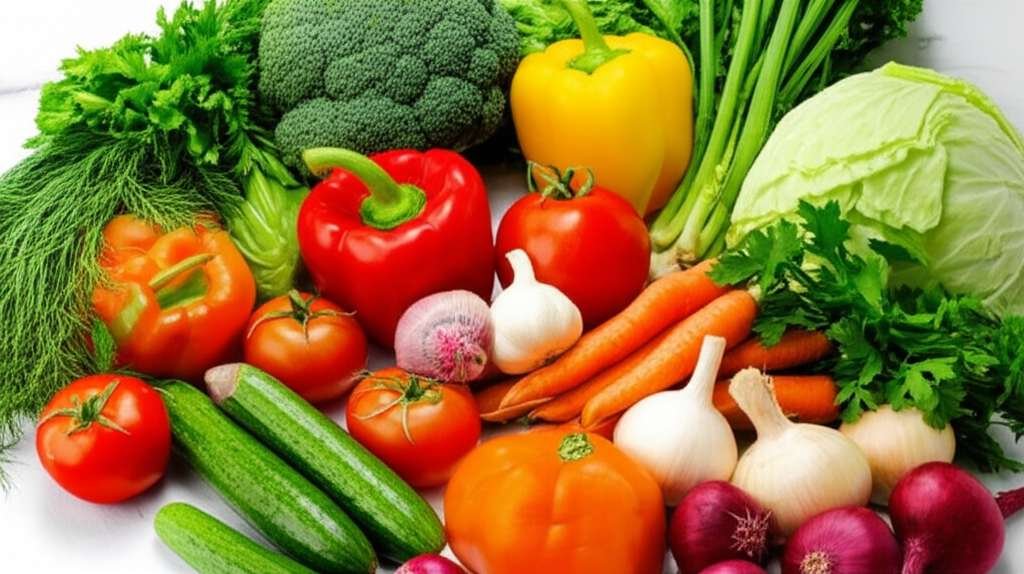
Quick Summary: The best vegetables for fatty liver are nutrient-rich, high in fiber, and low in calories. Think leafy greens, cruciferous veggies, and colorful produce like broccoli, spinach, kale, Brussels sprouts, carrots, and bell peppers. These powerhouses help reduce inflammation, improve insulin sensitivity, and support liver health.
Dealing with fatty liver can feel overwhelming, especially when you’re trying to figure out what to eat. It’s common to feel confused about nutrition, but the good news is that making smart food choices can make a big difference.
You don’t need complicated diets or extreme measures. Simple, everyday foods, especially vegetables, can be powerful allies in managing fatty liver. We’ll break down exactly which ones to focus on and why.
Let’s dive into the amazing world of vegetables and discover how they can help you on your journey to a healthier liver!
Understanding Fatty Liver and Diet
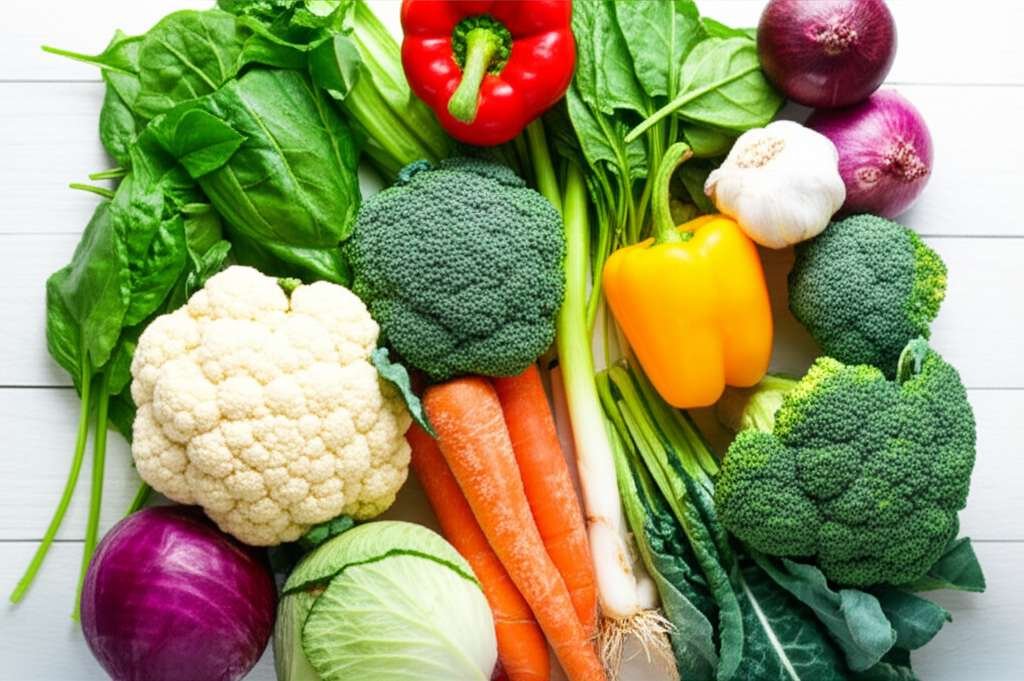
Fatty liver disease, also known as non-alcoholic fatty liver disease (NAFLD), happens when too much fat builds up in your liver. It’s a condition that affects millions worldwide and can sometimes lead to more serious liver problems if not managed.
The good news is that lifestyle changes, particularly diet, play a huge role in managing and even reversing fatty liver. Your liver is an incredible organ that can heal itself with the right support. Focusing on nutrient-dense foods is key.
Vegetables are superstars when it comes to liver health. They are packed with vitamins, minerals, fiber, and antioxidants that help your body function better and reduce the build-up of fat.
Why Vegetables Are Crucial for Fatty Liver
Vegetables offer a powerful combination of benefits that directly combat fatty liver disease. Their natural compounds work in several ways to support your liver and overall health.
- Rich in Fiber: Fiber helps slow down digestion, which can stabilize blood sugar levels. This is important because high blood sugar can contribute to fat buildup in the liver. Fiber also helps you feel fuller for longer, aiding in weight management, which is often a key factor in fatty liver.
- Packed with Antioxidants: Antioxidants are like tiny protectors for your cells. They fight against inflammation and oxidative stress, which are often present in fatty liver disease. This helps to reduce damage to liver cells and promote healing.
- Low in Calories and Fat: Most vegetables are naturally low in calories and unhealthy fats. This makes them excellent choices for building a healthy meal plan that supports weight loss or maintenance, both crucial for managing fatty liver.
- Contain Essential Vitamins and Minerals: Vegetables provide vital nutrients like vitamins A, C, K, folate, and minerals such as potassium and magnesium. These nutrients support various bodily functions, including liver detoxification and repair processes.
Top Vegetables to Boost Your Liver Health
When you have fatty liver, focusing on a variety of colorful and nutrient-dense vegetables is your best strategy. These foods are not only delicious but also packed with compounds that actively help your liver.
Leafy Greens: The Unsung Heroes
Leafy greens are at the top of the list for a reason. They are incredibly low in calories but bursting with nutrients. Their high antioxidant content helps fight inflammation, a common issue in fatty liver disease.
- Spinach: This versatile green is loaded with antioxidants like lutein and zeaxanthin, which can help protect your liver from damage. It’s also a good source of folate and vitamin K.
- Kale: Kale is a nutritional powerhouse, rich in vitamins A, C, and K, as well as antioxidants like beta-carotene and quercetin. These compounds can help detoxify your liver and reduce inflammation.
- Arugula: With its peppery bite, arugula is a fantastic source of antioxidants and nitrates. Nitrates can help improve blood flow and may play a role in reducing liver fat.
- Swiss Chard: This vibrant vegetable offers a good dose of magnesium, potassium, and vitamins A, C, and K. Its antioxidants contribute to protecting liver cells.
Cruciferous Vegetables: Powerful Detoxifiers
Cruciferous vegetables are known for their unique sulfur compounds, which are incredibly beneficial for the liver’s natural detoxification processes. They help your liver process toxins more efficiently.
- Broccoli: Broccoli is a champion cruciferous vegetable. It contains sulforaphane, a compound that has been shown to support liver health and reduce inflammation. It’s also high in fiber and vitamins C and K.
- Brussels Sprouts: Similar to broccoli, Brussels sprouts are rich in glucosinolates, which help activate detoxifying enzymes in the liver. They are also a great source of fiber.
- Cauliflower: Cauliflower is another excellent source of glucosinolates and antioxidants. It’s a versatile vegetable that can be prepared in many healthy ways.
- Cabbage: Whether red or green, cabbage is a good source of fiber and beneficial compounds that support liver function. It’s also very budget-friendly!
Colorful Root Vegetables: Sweet and Beneficial
Don’t shy away from root vegetables! Many of them are packed with vitamins, minerals, and antioxidants that are excellent for liver health. Their natural sweetness can also help satisfy cravings.
- Carrots: Carrots are famous for their beta-carotene, which your body converts into vitamin A. Vitamin A is essential for liver function and repair. They also provide fiber and other antioxidants.
- Sweet Potatoes: These are a fantastic source of beta-carotene, fiber, and other vitamins and minerals. Their complex carbohydrates provide sustained energy without spiking blood sugar too much, especially when eaten in moderation.
- Beets: Beets contain betalains, powerful antioxidants that can help protect the liver from damage and support its detoxification pathways. They can also improve blood flow.
Other Liver-Loving Veggies
Beyond the main categories, many other vegetables offer significant benefits for managing fatty liver.
- Bell Peppers: Especially red and yellow ones, bell peppers are incredibly rich in vitamin C, a potent antioxidant that helps protect liver cells from damage.
- Asparagus: This spring favorite is a good source of folate and vitamins A, C, and K. It also contains antioxidants that can help protect the liver.
- Onions and Garlic: These aromatic vegetables contain sulfur compounds and flavonoids that can help reduce inflammation and support the liver’s detoxification processes.
- Tomatoes: Rich in lycopene, a powerful antioxidant, tomatoes can help protect against liver damage.
- Artichokes: Artichokes contain cynarin and silymarin, compounds known to stimulate bile production and protect the liver.
How to Incorporate More Vegetables Into Your Diet
Adding more vegetables to your meals doesn’t have to be complicated. Here are some simple, practical tips to make it easy and enjoyable.
- Start Your Day with Greens: Add a handful of spinach or kale to your morning smoothie. You won’t even taste it, but your liver will thank you!
- Sneak Them Into Meals: Grate zucchini or carrots into pasta sauces, meatloaf, or baked goods. Finely chop mushrooms or bell peppers to add to chili or stir-fries.
- Make Veggies the Star: Instead of meat being the main event, try making a hearty vegetable-based soup, a large salad, or a vegetable stir-fry with a small amount of lean protein.
- Healthy Snacks: Keep pre-cut veggies like carrots, celery, bell peppers, and cucumbers on hand for easy snacking. Pair them with hummus or a healthy yogurt dip.
- Roast for Flavor: Roasting vegetables like broccoli, Brussels sprouts, and sweet potatoes brings out their natural sweetness and creates a delicious, satisfying texture. Toss with a little olive oil, salt, and pepper.
- Soups and Stews: Load up your soups and stews with a variety of vegetables. They add flavor, nutrients, and fiber.
- Experiment with New Recipes: Look for simple recipes that highlight vegetables. Many cooking websites and blogs offer fantastic ideas for preparing vegetables in new and exciting ways.
Vegetables to Limit or Avoid for Fatty Liver
While focusing on beneficial vegetables is key, it’s also important to be mindful of certain foods that can exacerbate fatty liver. This doesn’t mean you can never have them, but moderation is crucial.
- Starchy Vegetables in Excess: While healthy in moderation, large portions of very starchy vegetables like potatoes, corn, and peas can contribute to higher calorie intake and blood sugar spikes if not balanced. Focus on non-starchy vegetables more often.
- Vegetables Cooked with Unhealthy Fats: Fried vegetables or those swimming in creamy, high-fat sauces can negate their health benefits. Opt for steaming, roasting, grilling, or sautéing with minimal healthy oils like olive oil.
It’s also important to remember that fatty liver is often linked to overall dietary patterns. Limiting processed foods, sugary drinks, refined carbohydrates, and unhealthy fats is just as important as choosing the right vegetables.
Nutrient Comparison: Key Vegetables for Fatty Liver
To help you visualize the benefits, here’s a look at some key vegetables and their impressive nutrient profiles relevant to liver health. Remember, these are approximate values and can vary.
| Vegetable | Key Nutrients for Fatty Liver | Approximate Calories (per 1 cup, cooked) | Approximate Fiber (per 1 cup, cooked) |
|---|---|---|---|
| Broccoli | Fiber, Sulforaphane, Vitamin C, Vitamin K | 55 kcal | 5g |
| Spinach | Antioxidants (Lutein, Zeaxanthin), Folate, Vitamin K | 41 kcal | 4g |
| Kale | Vitamins A, C, K, Antioxidants | 36 kcal | 2.4g |
| Carrots | Beta-Carotene (Vitamin A), Fiber | 52 kcal | 3.6g |
| Sweet Potato | Beta-Carotene, Fiber, Vitamin C | 180 kcal | 6.6g |
| Brussels Sprouts | Fiber, Glucosinolates, Vitamin C, Vitamin K | 56 kcal | 4g |
| Beets | Antioxidants (Betalains), Nitrates, Fiber | 58 kcal | 2.8g |
| Bell Peppers (Red) | Vitamin C, Antioxidants | 30 kcal | 1.2g |
This table highlights how you can get a significant amount of nutrients and fiber with relatively low calories, making these vegetables excellent choices for a fatty liver diet.
The Role of Fiber in Fatty Liver Management
Fiber is an absolute game-changer when it comes to managing fatty liver disease. It’s a type of carbohydrate that your body can’t digest, and that’s exactly why it’s so beneficial.
There are two main types of fiber: soluble and insoluble. Both are important for overall health and specifically for liver health.
- Soluble Fiber: This type of fiber dissolves in water to form a gel-like substance. It’s particularly good at binding to cholesterol and sugars in your digestive tract, helping to lower blood cholesterol levels and slow down the absorption of sugar into your bloodstream. This helps improve insulin sensitivity, which is often impaired in fatty liver disease. Foods like oats, beans, apples, and citrus fruits are good sources, but many vegetables also contribute.
- Insoluble Fiber: This fiber adds bulk to your stool and helps move waste through your digestive system more quickly. This regularity is important for overall health and can help prevent constipation. Insoluble fiber is found in the skins of fruits and vegetables, whole grains, and nuts.
Consuming enough fiber from vegetables can help you feel fuller, manage your weight, regulate blood sugar, and improve cholesterol levels – all critical factors in combating fatty liver. The American Heart Association emphasizes the importance of fiber for heart health, which is closely linked to liver health.
Hydration and Vegetables
While not a vegetable itself, staying well-hydrated is crucial for liver function, and many vegetables contribute to your daily fluid intake. The liver plays a vital role in processing fluids and removing waste, so keeping your body hydrated supports this process.
Many vegetables have a high water content, which can help you stay hydrated throughout the day. Think of cucumbers, celery, lettuce, and zucchini – they are practically made of water!
Drinking plenty of water throughout the day is essential. It helps your kidneys flush out toxins, supports digestion, and keeps your liver working efficiently. Aim for at least 8 glasses of water a day, and more if you’re active or in a hot climate. Sometimes, people mistake thirst for hunger, so proper hydration can also help with appetite control.
Frequently Asked Questions (FAQ)
Q1: Can eating vegetables alone reverse fatty liver?
While a diet rich in vegetables is a cornerstone of managing fatty liver, it’s usually part of a broader lifestyle change. Combining a vegetable-rich diet with regular exercise, weight management, and limiting unhealthy foods offers the best chance for reversal.
Q2: How many servings of vegetables should I eat daily for fatty liver?
Aim for at least 5-7 servings of vegetables per day, focusing on variety and including plenty of leafy greens and cruciferous vegetables. The more, the better, as long as they are prepared healthily!
Q3: Are frozen vegetables as good as fresh for fatty liver?
Yes! Frozen vegetables are picked at their peak ripeness and flash-frozen, preserving most of their nutrients. They are a convenient and equally healthy option compared to fresh vegetables for fatty liver management.
Q4: Can I eat starchy vegetables like potatoes if I have fatty liver?
Yes, in moderation. Potatoes, corn, and peas are nutritious but also higher in carbohydrates. Enjoy them in smaller portions and focus on non-starchy vegetables for the bulk of your intake. Preparation methods matter too; opt for baking or steaming over frying.
Q5: What’s the best way to cook vegetables for fatty liver?
Steaming, roasting, grilling, and sautéing with minimal healthy oils (like olive oil) are the best methods. Avoid deep-frying or smothering vegetables in heavy, creamy sauces, which can add unhealthy fats and calories.
Q6: Are vegetable juices good for fatty liver?
While vegetable juice can offer some vitamins and minerals, it often lacks the beneficial fiber found in whole vegetables. It’s generally better to eat whole vegetables. If you drink juice, choose 100% vegetable juice without added sugars and consume it in moderation.
Conclusion
Taking charge of your fatty liver health is entirely achievable, and the power of vegetables is a fantastic place to start. By filling your plate with a rainbow of nutrient-dense options – from leafy greens and cruciferous powerhouses to colorful root vegetables – you’re actively supporting your liver’s healing process.
Remember, consistency is key. Small, sustainable changes, like adding a serving of broccoli to your dinner or swapping a processed snack for a handful of carrots, can lead to significant improvements over time. Embrace these delicious, natural allies, and you’ll be well on your way to a healthier liver and a healthier you!
As an Amazon Associate, We earn from qualifying purchases. When you purchase a product through Amazon links on pulsefitguide.com, we may earn a small commission at no extra cost to you. This helps support the site and keep our content free.
