


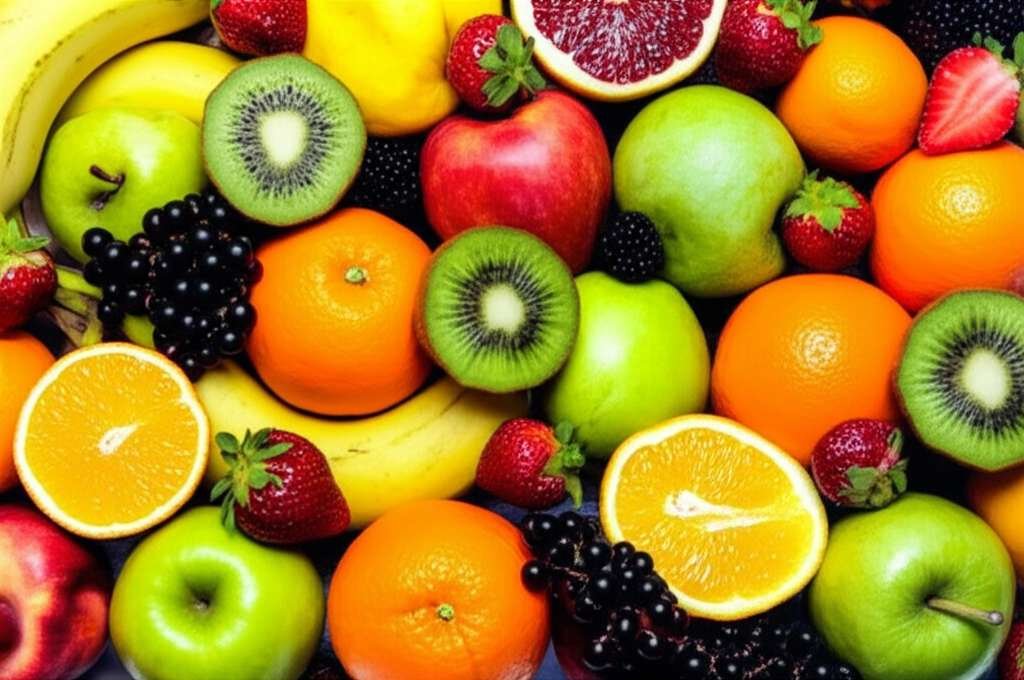
Best fruits for fatty liver are those rich in antioxidants, fiber, and natural sweetness that can help reduce inflammation and improve liver health. Think berries, apples, citrus fruits, and avocados. Incorporating them into a balanced diet supports liver function and overall well-being without drastic changes.
Feeling confused about fatty liver and what foods can actually help? You’re not alone! Many people struggle to navigate dietary advice, especially when it comes to managing health conditions like fatty liver. It can feel overwhelming, but the good news is that making positive changes doesn’t have to be complicated.
This guide is here to break it all down for you. We’ll focus on one delicious and accessible food group: fruits! Discover which fruits can be your allies in supporting a healthy liver, explained in a way that’s easy to understand and put into practice.
Ready to learn how simple fruits can make a big difference? Let’s dive in and explore the best choices for your liver’s well-being.
Understanding Fatty Liver and Why Fruit Matters
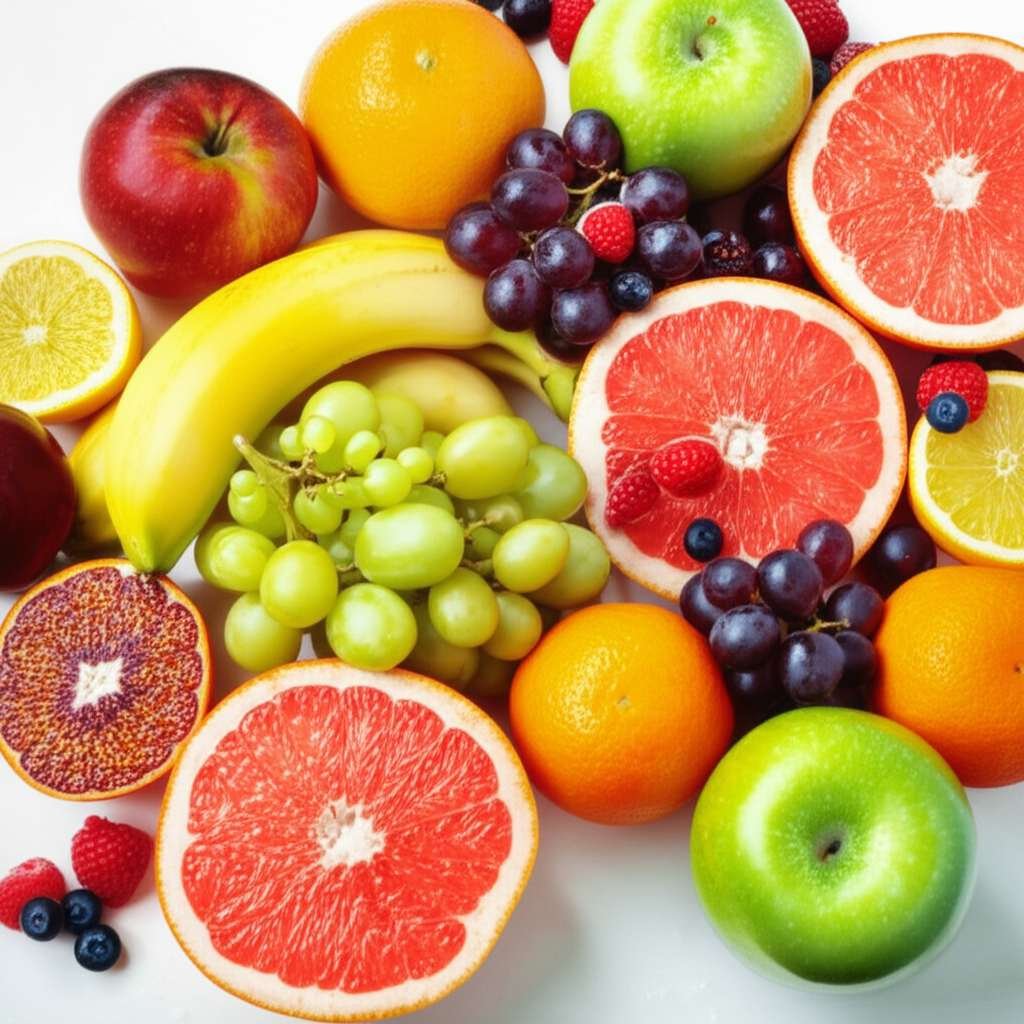
Fatty liver disease, often referred to as Non-Alcoholic Fatty Liver Disease (NAFLD), is a condition where excess fat builds up in your liver. Think of your liver as a busy factory that processes everything you eat and drink. When too much fat accumulates, it can start to slow down its operations and even cause inflammation.
The tricky part is that fatty liver often doesn’t have obvious symptoms in its early stages. This is why it can go unnoticed. However, it’s a common condition, and managing it through diet and lifestyle is key to preventing more serious liver problems down the road. The good news is that simple dietary adjustments can have a significant impact.
Fruits play a fantastic role in this. They are packed with vitamins, minerals, fiber, and powerful plant compounds called antioxidants. These components work together to help your body fight inflammation, support healthy cell function, and manage blood sugar levels – all crucial for liver health.
Why Are Fruits Good for Fatty Liver? The Science Simplified
Let’s look at the superpowers fruits bring to the table for managing fatty liver. It’s not magic; it’s science, explained simply!
Antioxidant Powerhouses
Imagine your body has tiny defenders called antioxidants. When your liver is stressed or inflamed, it can create “free radicals” – unstable molecules that can cause damage. Antioxidants act like shields, neutralizing these free radicals and protecting your liver cells from harm.
Many fruits are bursting with these protective compounds. For example, berries are famous for their anthocyanins, and citrus fruits are loaded with vitamin C. These aren’t just fancy names; they are your liver’s best friends in the fight against oxidative stress.
Fiber’s Fantastic Role
Fiber is a type of carbohydrate that your body can’t digest. It might sound like it’s not useful, but it’s incredibly important, especially for liver health. Fiber acts like a broom, sweeping through your digestive system.
It helps to slow down digestion, which can prevent sharp spikes in blood sugar. Stable blood sugar is vital because high levels can contribute to fat buildup in the liver. Fiber also helps you feel fuller for longer, which can aid in weight management – a key factor in reducing fatty liver.
Natural Sweetness, Controlled
Many fruits contain natural sugars, which can sometimes make people hesitant. However, the sugars in whole fruits come bundled with fiber, water, and nutrients. This combination means they are digested more slowly than the added sugars found in processed foods and sugary drinks.
While it’s wise to enjoy fruits in moderation, their natural sweetness can be a satisfying alternative to unhealthy, refined sugars that can directly harm your liver. Choosing whole fruits over fruit juices or dried fruits (which have concentrated sugars) is generally the best approach.
Hydration Support
Fruits have a high water content. Staying hydrated is essential for all bodily functions, including detoxification processes carried out by the liver. The water from fruits contributes to your overall fluid intake, helping your body work efficiently.
The Top Fruits to Embrace for a Healthier Liver
Now for the exciting part! Let’s explore specific fruits that are particularly beneficial for supporting your liver. Remember, variety is key, so aim to include a mix of these in your diet.
1. Berries: The Tiny Antioxidant Champions
Blueberries, strawberries, raspberries, and blackberries are often called “superfoods” for a reason. They are packed with antioxidants, especially anthocyanins, which give them their vibrant colors.
- Why they’re great: Their high antioxidant content helps protect liver cells from damage. The fiber in berries also aids digestion and blood sugar control.
- How to enjoy them: Add them to your morning oatmeal, blend into smoothies, toss into a yogurt parfait, or simply eat them by the handful as a snack.
2. Apples: Fiber-Rich and Hearty
Apples are a fantastic source of dietary fiber, particularly pectin. Pectin is a soluble fiber that can help lower cholesterol levels and regulate blood sugar.
- Why they’re great: The fiber aids in detoxification and can help manage weight. They also contain beneficial plant compounds that may reduce inflammation.
- How to enjoy them: Eat them whole with the skin on (where much of the fiber and nutrients are!), slice them for a snack with a little nut butter, or bake them with cinnamon for a healthy dessert.
3. Citrus Fruits: Vitamin C and Detox Boost
Oranges, grapefruits, lemons, and limes are renowned for their high vitamin C content, a potent antioxidant. They also contain flavonoids, which have anti-inflammatory properties.
- Why they’re great: Vitamin C supports liver detoxification pathways. Grapefruit, in particular, contains naringenin and naringin, compounds that may help protect the liver.
- How to enjoy them: Squeeze fresh lemon or lime juice into your water, enjoy a whole orange or grapefruit, or add citrus zest to your cooking for flavor.
4. Avocados: Healthy Fats for Liver Health
While often thought of as a vegetable, avocados are botanically fruits! They are unique because they are rich in healthy monounsaturated fats, which are beneficial for heart and liver health.
- Why they’re great: Healthy fats can help reduce inflammation. Avocados also contain compounds that may help protect the liver from damage.
- How to enjoy them: Add slices to salads or sandwiches, mash them into guacamole, or blend into smoothies for a creamy texture.
5. Pears: Gentle Fiber and Sweetness
Similar to apples, pears are a good source of fiber and water, making them excellent for digestive health and supporting the liver’s detoxifying functions.
- Why they’re great: Their fiber content aids in regularity and can contribute to satiety, helping with weight management.
- How to enjoy them: Eat them fresh, poach them in water with a touch of cinnamon, or add them to your salads.
6. Grapes: Antioxidants and Natural Energy
Grapes, especially red and purple varieties, contain resveratrol and other powerful antioxidants that can help protect liver cells and reduce inflammation.
- Why they’re great: Resveratrol has shown promising effects in studies related to liver health and reducing fat accumulation.
- How to enjoy them: Enjoy them as a refreshing snack, freeze them for a cool treat, or add them to chicken salads.
7. Papayas and Pineapples: Digestive Enzymes
These tropical fruits contain enzymes that can aid digestion. Papaya has papain, and pineapple has bromelain. Good digestion is crucial for nutrient absorption and reducing the burden on your liver.
- Why they’re great: By improving digestion, they help your body process food more efficiently, which can indirectly support liver function.
- How to enjoy them: Eat them fresh as a snack or dessert, add to fruit salads, or blend into smoothies.
Fruits to Enjoy in Moderation
While most fruits are beneficial, it’s always good to be mindful of sugar content, especially if you have fatty liver or are managing your weight. The key is moderation and choosing whole fruits over processed forms.
- Dried Fruits: These are concentrated sources of sugar and calories. Enjoy them in very small portions.
- Fruit Juices: Juicing removes most of the beneficial fiber, leaving behind concentrated sugars. It’s much better to eat the whole fruit. If you do drink juice, opt for 100% juice and limit your intake to small amounts (e.g., 4-6 ounces per day).
- Very Sweet Tropical Fruits: Fruits like mangoes and bananas are delicious and nutritious but are higher in natural sugars. Enjoy them as part of a balanced meal or snack, rather than in large quantities on their own.
How to Incorporate More Fruit into Your Diet
Adding more fruit to your diet doesn’t require a complete overhaul. Small, consistent changes can make a big difference. Here are some simple, beginner-friendly ways to boost your fruit intake:
Start Your Day with Fruit
Make breakfast a fruit-friendly meal. This sets a healthy tone for the rest of your day.
- Add berries or sliced apples to your oatmeal or yogurt.
- Blend a small portion of fruit into your smoothie. Pair it with leafy greens and a source of protein or healthy fat (like seeds or a small amount of nut butter) to balance the sugar.
- Have a piece of whole fruit like an orange or a pear as a simple breakfast option.
Smart Snacking Choices
Swap out less healthy snacks for fruit. It’s a naturally sweet and satisfying way to curb hunger between meals.
- Keep a bowl of apples or pears on your counter.
- Pack a small container of berries or grapes for on-the-go.
- Slice an apple and pair it with a tablespoon of almond butter for a balanced snack.
Boost Your Meals
Fruits can add flavor, texture, and nutrients to your main meals.
- Add berries or sliced peaches to a spinach salad.
- Top grilled chicken or fish with a fresh fruit salsa (e.g., mango, pineapple, lime).
- Include grapefruit or orange segments in your next chicken salad.
Healthy Desserts
Satisfy your sweet tooth with fruit-based desserts.
- Baked apples with cinnamon.
- A simple fruit salad with a sprinkle of mint.
- A small bowl of mixed berries topped with a dollop of Greek yogurt.
Fruits and Fatty Liver: A Comparison Table
To help you visualize the benefits, here’s a table comparing some of the top fruits and their key contributions to liver health.
| Fruit | Key Nutrients/Compounds | Benefits for Fatty Liver | Best Way to Consume |
|---|---|---|---|
| Berries (Blueberries, Strawberries, Raspberries) | Antioxidants (Anthocyanins), Fiber, Vitamin C | Reduces inflammation, protects liver cells, aids blood sugar control | Fresh, in smoothies, added to meals |
| Apples | Fiber (Pectin), Antioxidants | Aids digestion, helps manage cholesterol, supports weight management | Whole (with skin), sliced, baked |
| Citrus Fruits (Oranges, Grapefruits, Lemons) | Vitamin C, Flavonoids | Supports detoxification, anti-inflammatory, may protect liver cells | Whole, fresh juice (in moderation), zest |
| Avocado | Monounsaturated Fats, Fiber, Antioxidants | Reduces inflammation, supports overall health, aids nutrient absorption | Sliced, in salads, smoothies, guacamole |
| Pears | Fiber, Water | Promotes digestive regularity, contributes to satiety | Fresh, poached, in salads |
| Grapes (Red/Purple) | Resveratrol, Antioxidants | May reduce fat accumulation, anti-inflammatory | Fresh, frozen, in salads |
Beyond Fruit: A Holistic Approach
While focusing on fruits is a fantastic step, remember that managing fatty liver is best achieved through a comprehensive lifestyle approach. Think of fruits as powerful allies within a bigger team.
Here are a few other important areas to consider:
- Balanced Diet: Focus on whole foods, lean proteins, healthy fats, and plenty of vegetables. Reduce intake of processed foods, sugary drinks, and excessive saturated and trans fats. The Eatwell Guide from the NHS is a great visual for balanced eating.
- Regular Exercise: Physical activity is crucial for burning fat, improving insulin sensitivity, and reducing liver fat. Aim for at least 150 minutes of moderate-intensity aerobic exercise per week, plus muscle-strengthening activities.
- Weight Management: If you are overweight or obese, losing even 5-10% of your body weight can significantly improve fatty liver.
- Limit Alcohol: If alcohol is a factor in your liver condition, reducing or eliminating it is vital.
- Stay Hydrated: Drink plenty of water throughout the day.
By combining these healthy habits, you create a powerful synergy that supports your liver and overall health. Fruits are a delicious and easy way to contribute to this effort.
Frequently Asked Questions (FAQ)
Q1: Can eating fruit cure fatty liver disease?
No, eating fruit alone cannot cure fatty liver disease. However, incorporating fruits into a balanced diet and healthy lifestyle can significantly help manage the condition, reduce inflammation, and improve liver health. It’s a crucial part of a broader treatment plan.
Q2: How much fruit is too much for fatty liver?
The general recommendation is to enjoy 2-3 servings of whole fruit per day. A serving is typically about one medium-sized fruit (like an apple or orange), half a cup of berries, or a quarter of a cup of dried fruit. It’s best to focus on whole fruits and avoid juices, which concentrate sugars and lack fiber.
Q3: Are bananas good for fatty liver?
Yes, bananas can be part of a healthy diet for fatty liver when consumed in moderation. They are a good source of potassium and can provide energy. However, they are higher in natural sugars than some other fruits, so enjoying one as part of a balanced meal or snack is recommended rather than eating multiple bananas at once.
Q4: What about fruit juices? Are they okay?
Fruit juices are generally not recommended for fatty liver. When fruit is juiced, most of the beneficial fiber is removed, leaving behind a concentrated source of natural sugars. This can lead to rapid blood sugar spikes, which can be detrimental for liver health. It’s always better to eat the whole fruit.
Q5: Can I eat fruit if I have diabetes and fatty liver?
Yes, individuals with both diabetes and fatty liver can and should eat fruit, but with careful consideration. Focus on low-glycemic fruits like berries, apples, and pears, and consume them in appropriate portion sizes, preferably alongside protein or healthy fats to slow sugar absorption. Consult with your doctor or a registered dietitian for personalized advice.
Q6: Are organic fruits better for fatty liver?
Organic fruits may be preferable as they are grown without synthetic pesticides and fertilizers. While research on the direct impact of organic versus conventional fruit on fatty liver is ongoing, reducing pesticide exposure is generally considered a good health practice. The primary benefit for fatty liver comes from the fruit’s inherent nutrients and fiber, regardless of whether it’s organic or not.
Q7: How quickly can I see improvements by eating more fruit?
Dietary changes, including adding more fruit, contribute to long-term health improvements. You might feel better due to increased energy and better digestion relatively quickly. However, significant improvements in liver health markers (like liver enzymes or fat reduction) typically take months of consistent healthy eating and lifestyle changes, often combined with medical monitoring.
Conclusion: Your Liver Will Thank You!
Navigating dietary advice for fatty liver doesn’t have to be complicated. By focusing on nutrient-rich, delicious whole fruits, you’re taking a proactive and enjoyable step towards supporting your liver’s health.
From the antioxidant power of berries to the fiber-filled goodness of apples and the healthy fats in avocados, these fruits offer a natural and tasty way to help reduce inflammation and improve your liver’s function. Remember, consistency is key. Making small, manageable changes, like adding a serving of fruit to your breakfast or swapping a sugary snack for a refreshing apple, can add up to significant benefits over time.
Embrace these natural allies as part of a balanced diet and healthy lifestyle. Your liver works hard for you every single day, and by making smart choices with fruits, you’re giving it the support it needs to thrive. Keep up the great work – your journey to a healthier liver is well underway!
As an Amazon Associate, We earn from qualifying purchases. When you purchase a product through Amazon links on pulsefitguide.com, we may earn a small commission at no extra cost to you. This helps support the site and keep our content free.
