


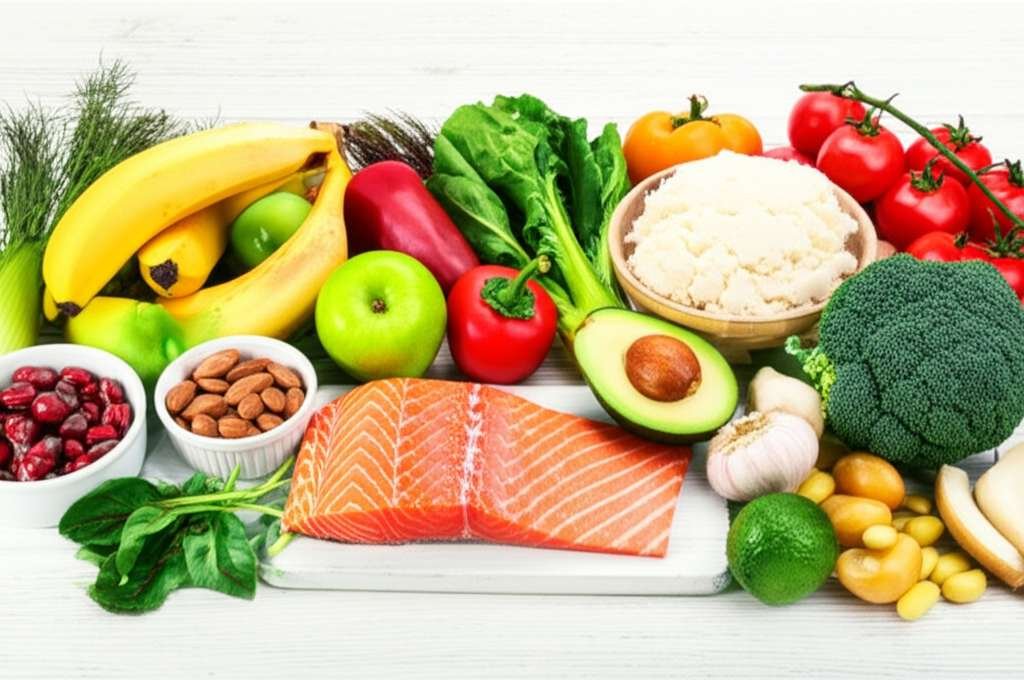
A good 14-day meal plan for fatty liver focuses on whole foods, lean proteins, healthy fats, and plenty of fiber. It limits processed foods, sugary drinks, and saturated fats. This plan aims to reduce liver fat, improve insulin sensitivity, and support overall health.
Navigating a fatty liver diagnosis can feel overwhelming, especially when you’re unsure about what to eat. You might be wondering if there’s a specific diet that can help your liver heal. It’s completely normal to feel a bit lost with all the information out there.
But here’s the good news: making simple, smart food choices can make a significant difference. You don’t need a complicated diet or extreme restrictions. This guide is designed to break down exactly what a healthy eating pattern for fatty liver looks like.
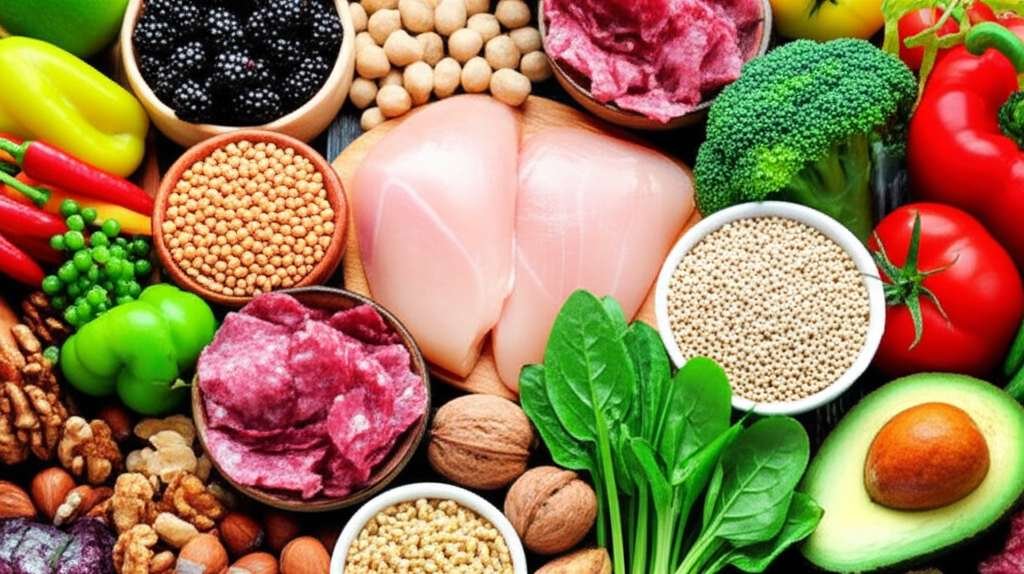
We’ll walk through a practical 14-day meal plan, explaining why each choice matters. By the end, you’ll feel confident and equipped to start nourishing your liver and improving your well-being. Let’s get started on this journey together!
Understanding Fatty Liver and Diet
Fatty liver disease, also known as non-alcoholic fatty liver disease (NAFLD), is a condition where excess fat builds up in the liver. It’s quite common and can sometimes lead to more serious liver problems if not managed. The good news is that lifestyle changes, particularly diet, are very effective in managing and even reversing it.
Your liver is a superstar organ that does so many jobs, including processing food and toxins. When it’s overloaded with fat, it can’t work as efficiently. Diet plays a huge role because certain foods can contribute to fat buildup, while others help clear it out and reduce inflammation.
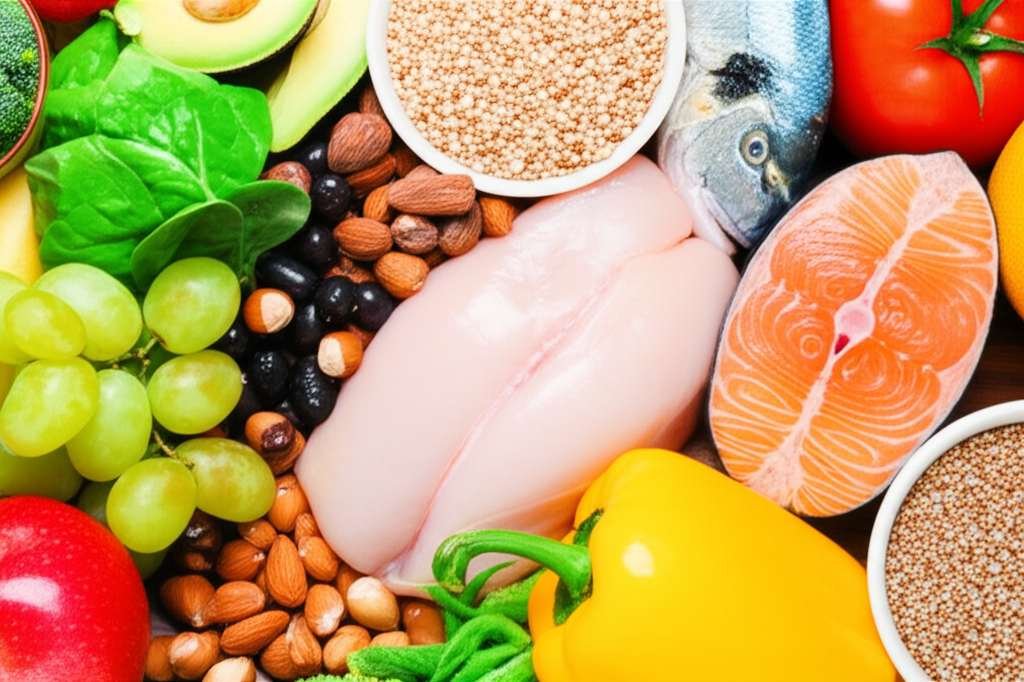
Think of your diet as a way to give your liver a helping hand. By choosing foods that are easy to process and provide essential nutrients, you’re supporting its recovery. We’ll focus on a diet that’s rich in nutrients and lower in things that can strain your liver.
Key Principles of a Fatty Liver Diet
Before we dive into the 14-day plan, let’s cover the core ideas that make it work. These principles are your roadmap to eating in a way that benefits your liver. They are all about choosing nourishing foods and limiting those that can cause harm.
Focus on Whole, Unprocessed Foods
Whole foods are foods that are in their natural state, or as close to it as possible. This includes fruits, vegetables, whole grains, lean proteins, and healthy fats. They are packed with vitamins, minerals, and fiber, which are crucial for liver health and overall well-being.
Limit Sugars and Refined Carbohydrates
Sugars, especially added sugars found in sodas, sweets, and many processed snacks, can be converted into fat by the liver. Refined carbohydrates, like white bread and white pasta, are quickly broken down into sugar in your body. Reducing these helps prevent excess fat accumulation in the liver.
Choose Healthy Fats
Not all fats are bad! Healthy fats, like those found in avocados, nuts, seeds, and olive oil, can actually help reduce inflammation and improve cholesterol levels. These are essential for a balanced diet and support your liver’s function.
Incorporate Lean Protein
Lean protein sources, such as fish, poultry, beans, and tofu, are important for building and repairing tissues. They also help you feel full, which can aid in weight management, a key factor in managing fatty liver disease.
Increase Fiber Intake
Fiber, found abundantly in fruits, vegetables, and whole grains, is a liver-friendly nutrient. It helps with digestion, can lower cholesterol, and aids in blood sugar control, all of which are beneficial for managing fatty liver. The U.S. Department of Agriculture (USDA) recommends aiming for 25-30 grams of fiber per day.
Stay Hydrated
Drinking plenty of water is essential for overall health and helps your body function optimally. It aids in flushing out toxins and supports all bodily processes, including those of the liver.
What to Eat and What to Avoid
To make things super clear, let’s list out the food groups to embrace and those to minimize. This is your quick reference guide!
Foods to Emphasize:
- Vegetables: Leafy greens (spinach, kale), broccoli, carrots, bell peppers, Brussels sprouts, onions, garlic.
- Fruits: Berries, apples, pears, oranges, grapefruit, bananas (in moderation).
- Whole Grains: Oats, quinoa, brown rice, barley, whole wheat bread/pasta (check labels for 100% whole grain).
- Lean Proteins: Chicken breast, turkey breast, fish (salmon, tuna, mackerel), beans, lentils, tofu, tempeh.
- Healthy Fats: Avocados, nuts (almonds, walnuts), seeds (chia, flax, sunflower), olive oil.
- Dairy/Alternatives: Low-fat yogurt, unsweetened almond milk, soy milk.
- Beverages: Water, herbal teas (green tea, chamomile).
Foods to Limit or Avoid:
- Sugary Drinks: Soda, fruit juices with added sugar, sweetened teas and coffees.
- Processed Foods: Packaged snacks, fast food, processed meats (sausages, hot dogs), ready-made meals.
- Saturated and Trans Fats: Red meat (especially fatty cuts), butter, full-fat dairy, fried foods, baked goods made with shortening.
- Refined Grains: White bread, white rice, white pasta, pastries, cakes.
- Excessive Alcohol: While not always a direct cause of NAFLD, alcohol can worsen liver damage.
- High-Sodium Foods: Canned soups, processed snacks, salty condiments.
Your 14-Day Fatty Liver Meal Plan
This plan is designed to be simple, delicious, and easy to follow. Remember, portion sizes are important, and it’s always best to listen to your body’s hunger cues. This is a template; feel free to swap meals within days or weeks based on your preferences and what’s available.
Week 1: Building Healthy Habits
Day 1
- Breakfast: Oatmeal made with water or unsweetened almond milk, topped with berries and a sprinkle of chia seeds.
- Lunch: Large salad with mixed greens, grilled chicken breast, cucumber, tomatoes, bell peppers, and a light olive oil and lemon dressing.
- Dinner: Baked salmon with steamed broccoli and a small serving of quinoa.
Day 2
- Breakfast: Scrambled eggs (2-3) with spinach and mushrooms.
- Lunch: Lentil soup with a side of whole-grain bread.
- Dinner: Turkey meatballs (lean ground turkey) with zucchini noodles and a light marinara sauce.
Day 3
- Breakfast: Greek yogurt (plain, low-fat) with sliced apple and a dash of cinnamon.
- Lunch: Leftover turkey meatballs with zucchini noodles.
- Dinner: Chicken stir-fry with lots of colorful vegetables (broccoli, carrots, snap peas) and brown rice. Use low-sodium soy sauce or tamari.
Day 4
- Breakfast: Smoothie made with spinach, banana (half), unsweetened almond milk, and a scoop of protein powder (optional).
- Lunch: Tuna salad (made with Greek yogurt instead of mayo) served on whole-grain crackers or in lettuce cups.
- Dinner: Baked cod with roasted asparagus and a small sweet potato.
Day 5
- Breakfast: Whole-grain toast (1-2 slices) with avocado and a sprinkle of red pepper flakes.
- Lunch: Quinoa salad with black beans, corn, diced bell peppers, and a lime vinaigrette.
- Dinner: Lean beef stir-fry with mixed vegetables and brown rice (similar to Day 3 but with beef).
Day 6
- Breakfast: Oatmeal with sliced peaches and a tablespoon of chopped walnuts.
- Lunch: Leftover lean beef stir-fry.
- Dinner: Grilled chicken breast with a large mixed green salad and a side of baked sweet potato fries.
Day 7
- Breakfast: Vegetable omelet with tomatoes, onions, and bell peppers.
- Lunch: Chicken and vegetable soup (homemade or low-sodium store-bought).
- Dinner: Baked salmon with roasted Brussels sprouts and a small portion of barley.
Week 2: Expanding Your Options
Day 8
- Breakfast: Smoothie with berries, kale, unsweetened soy milk, and flax seeds.
- Lunch: Chickpea salad sandwich on whole-grain bread (mash chickpeas with a little olive oil, lemon juice, celery, and herbs).
- Dinner: Baked chicken thighs (skinless) with roasted root vegetables (carrots, parsnips, sweet potatoes).
Day 9
- Breakfast: Scrambled tofu with turmeric and black pepper, served with a side of sliced tomatoes.
- Lunch: Leftover baked chicken and roasted vegetables.
- Dinner: Lentil shepherd’s pie topped with mashed cauliflower.
Day 10
- Breakfast: Greek yogurt with mixed berries and a sprinkle of pumpkin seeds.
- Lunch: Large salad with grilled shrimp, mixed greens, avocado, and a light citrus dressing.
- Dinner: Turkey chili made with lean ground turkey, beans, and plenty of vegetables.
Day 11
- Breakfast: Whole-grain pancakes (made with whole wheat flour, unsweetened milk) topped with fresh fruit.
- Lunch: Leftover turkey chili.
- Dinner: Baked white fish (like tilapia or haddock) with steamed green beans and a side of brown rice.
Day 12
- Breakfast: Oatmeal with sliced banana and a tablespoon of almond butter.
- Lunch: Quinoa bowl with roasted vegetables (like zucchini, eggplant, bell peppers) and a tahini dressing.
- Dinner: Chicken breast stuffed with spinach and feta cheese, served with a side salad.
Day 13
- Breakfast: Vegetable frittata (using eggs, spinach, bell peppers, onions).
- Lunch: Leftover stuffed chicken breast with a side salad.
- Dinner: Salmon patties (made with canned salmon, whole wheat breadcrumbs, egg) served with a large kale salad.
Day 14
- Breakfast: Smoothie with mango, pineapple (small amount), spinach, and coconut water.
- Lunch: Hummus and vegetable wrap on a whole-wheat tortilla.
- Dinner: Baked lean pork tenderloin with roasted broccoli and a small serving of wild rice.
Sample Daily Breakdown (Example Day)
To give you a clearer picture, here’s a more detailed look at a sample day from the plan. This shows how you can combine the principles into a satisfying meal.
Sample Day: Day 3
Breakfast: Greek yogurt (plain, low-fat) with sliced apple and a dash of cinnamon. This provides protein and fiber, keeping you full and providing antioxidants from the apple.
Lunch: Leftover turkey meatballs with zucchini noodles and a light marinara sauce. This is a great way to use leftovers, ensuring a balanced meal with lean protein and vegetables.
Dinner: Chicken stir-fry with lots of colorful vegetables (broccoli, carrots, snap peas) and brown rice. Using low-sodium soy sauce or tamari keeps the sodium in check, while the variety of vegetables offers a wide range of nutrients and fiber.
Important Considerations for Your Meal Plan
This meal plan is a guide, and it’s important to adapt it to your own needs and preferences. Here are a few extra tips to make it work for you.
Portion Control
Even healthy foods need to be eaten in appropriate amounts. Pay attention to serving sizes, especially for calorie-dense foods like nuts, seeds, and oils. Listening to your body’s hunger and fullness signals is key.
Hydration is Key
Drink plenty of water throughout the day. Aim for at least 8 glasses (about 2 liters) daily. You can also include unsweetened herbal teas. Hydration is vital for all bodily functions, including detoxification processes.
Snacking Smartly
If you need snacks between meals, opt for healthy choices like a small handful of nuts, a piece of fruit, or some raw vegetables with hummus. Avoid processed snacks, chips, and sugary treats.
Cooking Methods
Focus on baking, grilling, steaming, and stir-frying with minimal healthy oils. Avoid deep-frying, as it adds unnecessary fat and calories.
Listen to Your Body
Everyone is different. If a particular food doesn’t agree with you, or if you feel overly hungry or full, adjust the plan accordingly. This is about creating a sustainable eating pattern.
Consult a Professional
This plan is for general guidance. It’s always a good idea to talk to your doctor or a registered dietitian before making significant changes to your diet, especially if you have other health conditions.
Benefits of This Meal Plan for Fatty Liver
Adopting a diet like this can bring about some fantastic changes for your liver and your overall health. It’s not just about managing a condition; it’s about feeling better and healthier.
Reduced Liver Fat
By limiting sugars and unhealthy fats, and focusing on nutrient-dense foods, you help your liver process fat more effectively. This can lead to a significant reduction in the amount of fat stored in your liver over time.
Improved Insulin Sensitivity
Diets high in processed foods and sugar can lead to insulin resistance. This plan, rich in fiber and whole foods, helps stabilize blood sugar levels and improves how your body uses insulin, which is crucial for liver health.
Weight Management
Many people with fatty liver also struggle with their weight. This meal plan encourages weight loss through healthy eating, which is one of the most effective ways to reduce liver fat and improve liver function.
Increased Energy Levels
When your liver is functioning better and your body is getting the nutrients it needs, you’ll likely notice a boost in your energy. Say goodbye to that sluggish feeling!
Better Overall Health
Beyond your liver, this diet benefits your heart, your digestive system, and your general well-being. It’s a holistic approach to health that supports your body in many ways.
Frequently Asked Questions (FAQ)
Q1: Is this 14-day meal plan suitable for someone with type 2 diabetes and fatty liver?
This meal plan is generally beneficial for managing both conditions due to its focus on whole foods, fiber, and reduced sugar. However, if you have diabetes, it’s crucial to monitor your blood sugar closely and consult with your doctor or a registered dietitian to ensure the plan meets your specific nutritional needs and medication requirements.
Q2: Can I eat fruit on this meal plan? I heard fruit has a lot of sugar.
Yes, you can eat fruit! While fruits contain natural sugars, they also provide essential vitamins, minerals, and fiber. Fiber helps slow down sugar absorption. The key is moderation. Focus on whole fruits, especially berries, apples, and pears, and limit fruit juices, which are more concentrated in sugar and lack fiber.
Q3: How much water should I drink daily?
A good general guideline is to aim for at least 8 glasses (about 2 liters or half a gallon) of water per day. You can adjust this based on your activity level, climate, and individual needs. Herbal teas also count towards your fluid intake.
Q4: What if I’m not a big fan of fish? Can I still follow this plan?
Absolutely! While fish like salmon are recommended for their omega-3 fatty acids, you can get lean protein from other sources. Opt for chicken breast, turkey breast, beans, lentils, tofu, and tempeh. Ensure you’re still incorporating healthy fats from sources like avocados, nuts, and seeds.
Q5: How long should I follow this type of meal plan?
This 14-day plan is a great starting point to establish healthy eating habits. The principles of eating whole foods, limiting sugar, and choosing healthy fats should ideally be a long-term lifestyle change for managing fatty liver and promoting overall health. You can repeat the 14-day cycle or adapt it to your preferences.
Q6: Can I lose weight on this plan?
Yes, this meal plan is designed to support healthy weight loss. By focusing on nutrient-dense, whole foods and limiting processed items and excess sugars, you naturally reduce calorie intake while increasing satiety. Weight loss is a significant factor in improving fatty liver disease.
Conclusion
Embarking on a journey to manage fatty liver disease with your diet might seem daunting at first, but it’s a powerful and achievable step towards better health. This 14-day meal plan provides a clear, practical roadmap, focusing on delicious, whole foods that nourish your liver and your body.
Remember, consistency is key. By incorporating these principles into your daily life, you’re not just addressing fatty liver; you’re building a foundation for long-term wellness. Celebrate small victories, listen to your body, and don’t hesitate to seek guidance from healthcare professionals. You’ve got this!
As an Amazon Associate, We earn from qualifying purchases. When you purchase a product through Amazon links on pulsefitguide.com, we may earn a small commission at no extra cost to you. This helps support the site and keep our content free.
