


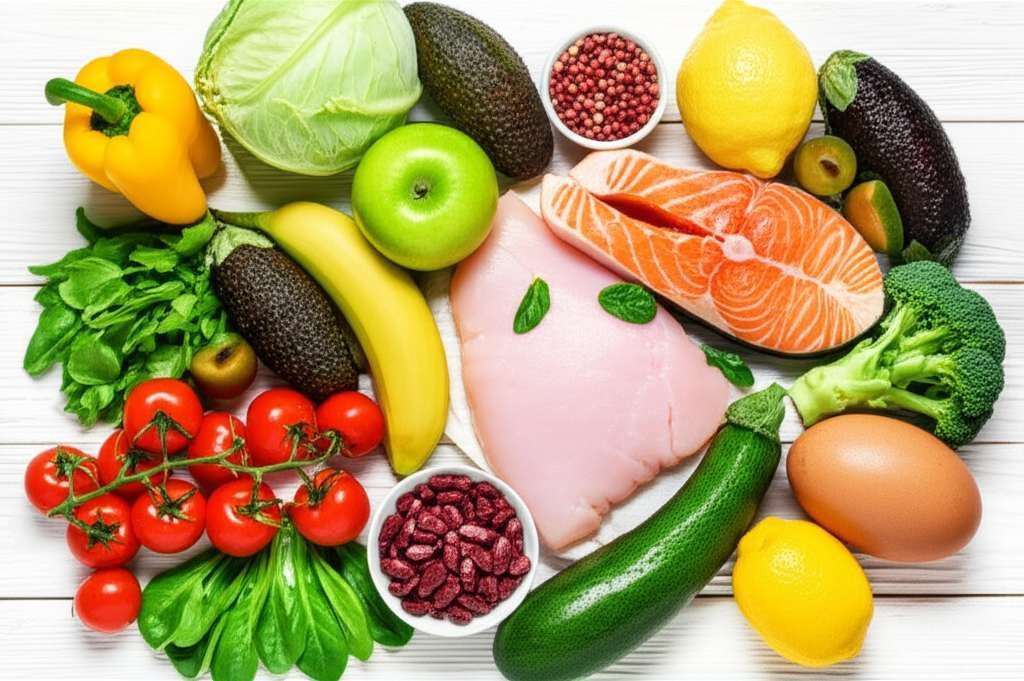
Quick Summary: Planning meals for fatty liver focuses on nutrient-rich, low-sugar, and healthy fat foods. Prioritize lean proteins, whole grains, fruits, vegetables, and healthy fats. Limit processed foods, sugary drinks, and saturated fats to support liver health and manage weight effectively.
Dealing with a fatty liver diagnosis can feel overwhelming, especially when you’re unsure where to start with your diet. It’s common to feel confused about what foods to eat and which ones to avoid. You might wonder if it’s even possible to make a difference with your food choices.
The good news is that with a clear, step-by-step approach, planning meals for fatty liver can become much simpler. You have the power to make positive changes that support your liver health and overall well-being.
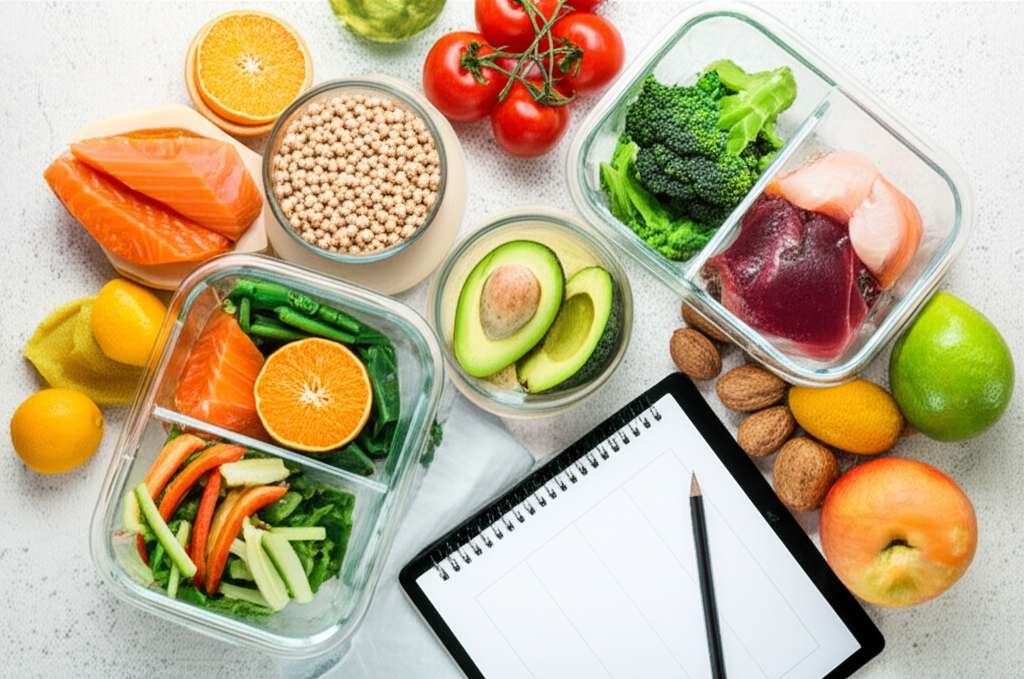
This guide will walk you through exactly how to plan your meals, breaking it down into easy-to-follow steps. We’ll cover the best foods to include, what to limit, and how to build balanced meals that are good for your liver and taste great too!
Understanding Fatty Liver and Your Diet
Fatty liver disease, also known as hepatic steatosis, is a condition where too much fat builds up in your liver. It’s a common condition, and while it can sometimes be linked to alcohol use, it’s often seen in people who are overweight or obese, have type 2 diabetes, high cholesterol, or high blood pressure. This type of fatty liver, called non-alcoholic fatty liver disease (NAFLD), is the most common form.
Your liver is a powerhouse organ that plays a crucial role in many body functions, including processing nutrients from food and detoxifying your body. When it’s overloaded with fat, it can’t function as efficiently, which can lead to inflammation and, over time, more serious liver damage.
The good news is that diet and lifestyle changes are the cornerstone of managing and even reversing fatty liver disease. By making smart food choices, you can help reduce fat in your liver, improve its function, and support your overall health. This isn’t about extreme restriction; it’s about nourishing your body with the right foods.
Why Meal Planning is Key for Fatty Liver
Meal planning is your secret weapon when it comes to managing fatty liver. Without a plan, it’s easy to fall back on convenience foods that are often high in unhealthy fats, added sugars, and refined carbohydrates – all of which can contribute to fat buildup in the liver.
When you plan your meals, you take control. You decide what goes into your body, ensuring you’re getting the nutrients your liver needs to heal and function well. This proactive approach helps you:
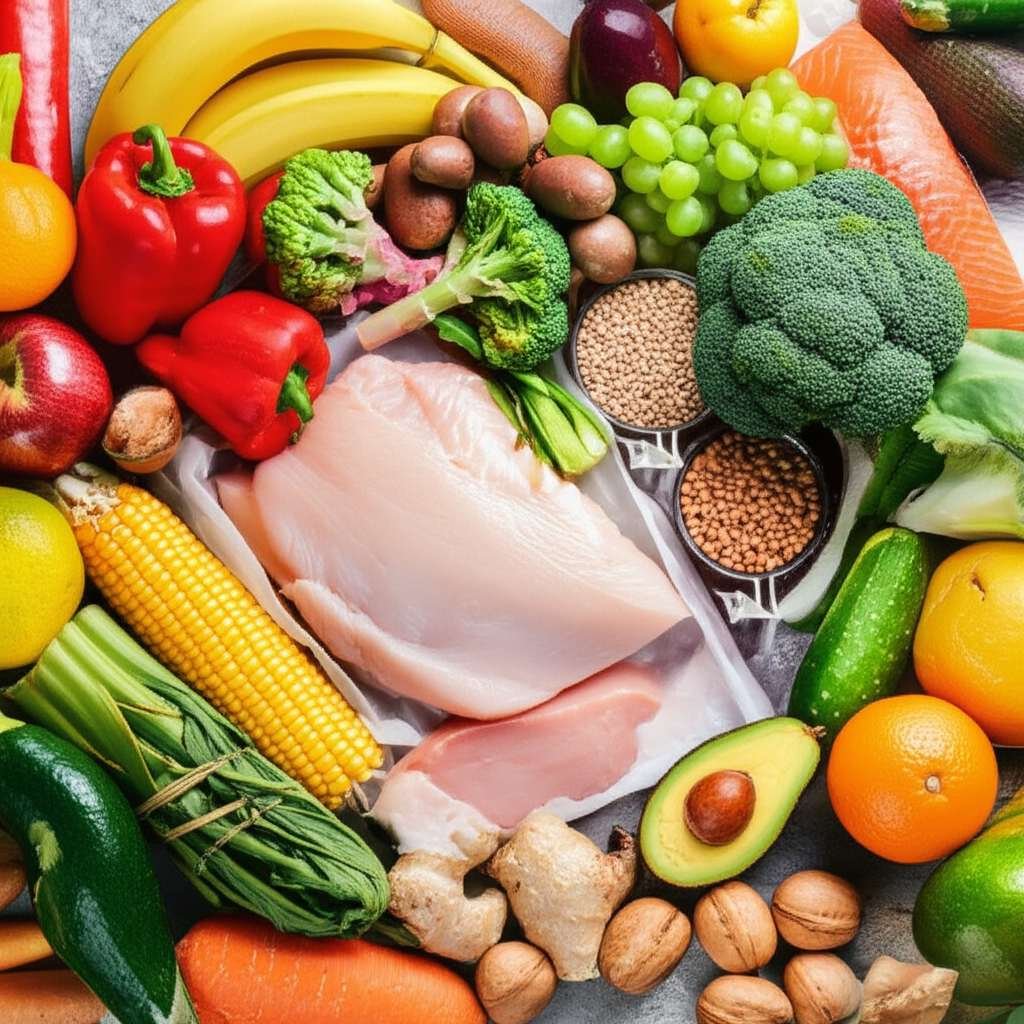
- Avoid Trigger Foods: You’ll know what to steer clear of, like sugary snacks and fried items.
- Ensure Nutrient Balance: You can create meals that are rich in fiber, lean protein, and healthy fats.
- Manage Portion Sizes: Planning helps you be mindful of how much you’re eating.
- Save Time and Stress: Having a plan reduces last-minute decisions and impulse buys.
- Support Healthy Weight: Many people with fatty liver can improve their condition by losing weight, and meal planning is a powerful tool for this.
Think of meal planning as building a personalized roadmap to a healthier liver. It empowers you to make consistent, positive choices that add up over time.
Step 1: Understand the Core Principles of a Fatty Liver Diet
Before we dive into planning, let’s get a handle on the fundamental dietary principles that benefit a fatty liver. These are the building blocks for all your meal decisions.
Focus on Whole, Unprocessed Foods
The foundation of a liver-friendly diet is simple: eat foods as close to their natural state as possible. This means choosing foods that haven’t been heavily processed or altered.
- Fruits and Vegetables: Aim for a wide variety of colorful fruits and vegetables. They are packed with vitamins, minerals, antioxidants, and fiber, which are crucial for liver health and reducing inflammation.
- Whole Grains: Opt for brown rice, quinoa, oats, whole wheat bread, and pasta instead of their refined white counterparts. Whole grains provide fiber and nutrients that help regulate blood sugar and cholesterol.
- Lean Proteins: Include sources like fish (especially fatty fish rich in omega-3s), poultry without skin, beans, lentils, and tofu. These provide essential amino acids for liver repair and function without excessive saturated fat.
- Healthy Fats: Don’t fear fats entirely! Focus on unsaturated fats found in olive oil, avocados, nuts, and seeds. These fats can actually help improve cholesterol levels and reduce inflammation.
Limit Sugary Foods and Drinks
This is perhaps the most critical area to address. Added sugars, especially fructose, are directly linked to fat buildup in the liver. Your liver is the primary organ that processes fructose, and when you consume too much, it can convert it into fat.
- Sugary Beverages: Soda, fruit juices (even 100% juice can be high in sugar), sweetened teas, and energy drinks are major culprits.
- Sweets and Desserts: Cakes, cookies, pastries, candy, and ice cream are typically loaded with added sugars.
- Processed Snacks: Many packaged snacks, cereals, and sauces contain hidden sugars. Always check ingredient lists!
Reduce Unhealthy Fats
While healthy fats are beneficial, certain types of fats can promote inflammation and fat accumulation in the liver.
- Saturated Fats: Found in red meat, butter, cheese, and full-fat dairy products. While some are okay in moderation, excessive intake can be problematic.
- Trans Fats: These are often found in fried foods, baked goods, and some processed margarines. They are particularly harmful and should be avoided as much as possible. Look for “partially hydrogenated oils” on ingredient labels – this is a sign of trans fats.
Control Portion Sizes and Overall Calorie Intake
Even healthy foods can contribute to weight gain if eaten in excess. Maintaining a healthy weight is crucial for managing fatty liver. Being mindful of portion sizes and overall calorie intake helps prevent the liver from storing excess energy as fat.
Step 2: Build Your Liver-Friendly Plate
Now, let’s put these principles into practice by designing what your meals should look like. A good visual guide is the “plate method.”
The Liver-Friendly Plate Method
Imagine your plate divided into sections. This helps you achieve a balanced intake of macronutrients and micronutrients at each meal.
- Half Your Plate: Non-Starchy Vegetables. This is your chance to load up! Think leafy greens, broccoli, cauliflower, bell peppers, zucchini, tomatoes, carrots, and onions. These are low in calories and packed with fiber and nutrients.
- One Quarter of Your Plate: Lean Protein. Choose from grilled fish, baked chicken breast, tofu, lentil soup, or bean chili.
- One Quarter of Your Plate: Whole Grains or Healthy Starch. This portion could be a small serving of brown rice, quinoa, sweet potato, or whole-wheat pasta.
- Add Healthy Fats: Incorporate a small amount of healthy fat with your meal. This could be a drizzle of olive oil on your salad, a few slices of avocado, or a small handful of nuts or seeds as a side.
This method ensures you’re getting a good mix of fiber, protein, and healthy carbohydrates while keeping unhealthy fats and sugars in check.
Hydration is Key
Don’t forget about drinks! Water is your best friend. Staying well-hydrated is essential for overall health and can help your body function optimally, including your liver.
- Water: Aim for at least 8 glasses (about 2 liters) of water a day.
- Unsweetened Herbal Teas: These are a great low-calorie alternative.
- Limit: Coffee and tea in moderation are generally fine, but avoid adding sugar or excessive cream. Steer clear of all sugary drinks.
Step 3: Create a Weekly Meal Plan
Consistency is vital for managing fatty liver. A weekly meal plan removes guesswork and helps you stick to your goals.
How to Get Started
- Assess Your Schedule: Look at your week ahead. When will you be eating at home? When might you need quick meals or packed lunches?
- Brainstorm Meals: Think about your favorite liver-friendly recipes. If you’re new to this, start with simple dishes.
- Choose Your Proteins: Select a few lean protein sources for the week (e.g., salmon, chicken breast, lentils).
- Pick Your Veggies and Grains: Decide on a variety of vegetables and whole grains to pair with your proteins.
- Plan Breakfasts, Lunches, and Dinners: Fill in your plan day by day.
- Don’t Forget Snacks: Plan for healthy snacks to avoid reaching for unhealthy options when hunger strikes.
Sample Weekly Meal Plan (Beginner-Friendly)
This is just an example to get you started. Feel free to swap meals and adjust based on your preferences and what’s available.
| Meal | Monday | Tuesday | Wednesday | Thursday | Friday | Saturday | Sunday |
|---|---|---|---|---|---|---|---|
| Breakfast | Oatmeal with berries and a few almonds | Scrambled eggs with spinach and whole-wheat toast | Greek yogurt with chia seeds and a small apple | Oatmeal with berries and a few almonds | Scrambled eggs with spinach and whole-wheat toast | Greek yogurt with chia seeds and a small apple | Oatmeal with berries and a few almonds |
| Lunch | Large salad with grilled chicken, mixed greens, cucumber, tomatoes, bell peppers, and olive oil vinaigrette | Lentil soup with a side of whole-grain bread | Tuna salad (made with Greek yogurt instead of mayo) on whole-wheat crackers with veggie sticks | Leftover grilled chicken salad | Quinoa salad with black beans, corn, chopped bell peppers, lime juice, and cilantro | Leftover lentil soup | Large salad with grilled salmon, mixed greens, cucumber, tomatoes, bell peppers, and olive oil vinaigrette |
| Dinner | Baked salmon with roasted broccoli and a small serving of brown rice | Chicken stir-fry with lots of mixed vegetables (broccoli, carrots, snap peas) and a light soy sauce, served with quinoa | Turkey meatballs (made with lean ground turkey) in a light tomato sauce with zucchini noodles or a small portion of whole-wheat pasta | Baked cod with steamed asparagus and a small sweet potato | Vegetarian chili with kidney beans, black beans, tomatoes, and vegetables, topped with a dollop of plain Greek yogurt | Grilled chicken breast with a large mixed green salad and a side of baked sweet potato fries | Leftover vegetarian chili |
| Snacks | Apple slices with a tablespoon of almond butter | A handful of unsalted nuts (almonds, walnuts) | Carrot sticks with hummus | Pear | Hard-boiled egg | Small bowl of berries | Celery sticks with peanut butter |
Step 4: Smart Grocery Shopping
Your meal plan is only as good as the ingredients you have on hand. Shopping smart makes sticking to your plan much easier.
Create a Grocery List
Before you head to the store, make a detailed list based on your weekly meal plan. This prevents impulse buys of less healthy items.
Shop the Perimeter
Most grocery stores organize their products with fresh produce, lean meats, and dairy around the outer edges. Processed foods, which you want to limit, are usually found in the center aisles.
Read Labels Carefully
Pay attention to the:
- Sugar Content: Especially added sugars.
- Fat Types: Look for unsaturated fats and avoid trans fats.
- Sodium: High sodium intake can be an issue for overall health.
- Fiber: Aim for foods with higher fiber content.
Stock Up on Staples
Keep your pantry and fridge stocked with liver-friendly essentials:
- Produce: Berries, apples, bananas, leafy greens, broccoli, carrots, onions, garlic.
- Proteins: Chicken breast, fish (salmon, cod), eggs, beans (canned or dried), lentils, tofu.
- Whole Grains: Brown rice, quinoa, oats, whole-wheat pasta, whole-grain bread.
- Healthy Fats: Olive oil, avocados, nuts (almonds, walnuts), seeds (chia, flax).
- Dairy/Alternatives: Plain Greek yogurt, unsweetened plant-based milks.
Step 5: Meal Prep and Cooking Tips
Spending a little time prepping your meals can save you a lot of time and make healthy eating effortless during the week.
Batch Cooking
Dedicate a few hours on the weekend to prepare components for your meals:
- Cook a batch of brown rice or quinoa.
- Roast a tray of vegetables.
- Grill or bake several chicken breasts or pieces of fish.
- Hard-boil a dozen eggs.
- Wash and chop fruits and vegetables for snacks and salads.
These pre-prepped items can be quickly assembled into meals throughout the week.
Healthy Cooking Methods
Choose cooking methods that don’t add extra unhealthy fats:
- Baking: Great for fish, chicken, and vegetables.
- Grilling: Excellent for lean meats and vegetables.
- Steaming: A healthy way to cook vegetables, keeping their nutrients intact.
- Sautéing: Use a small amount of healthy oil like olive oil.
- Roasting: Perfect for vegetables and root vegetables.
Avoid deep-frying. If you crave fried textures, try air-frying or baking with minimal oil.
Flavoring Your Food
You don’t need to rely on salt, sugar, or unhealthy fats for flavor. Experiment with:
- Herbs and spices (garlic powder, onion powder, turmeric, ginger, cinnamon, basil, oregano, rosemary)
- Lemon and lime juice
- Vinegar (apple cider vinegar, balsamic vinegar)
- Low-sodium soy sauce or tamari
- Mustard
These add wonderful taste without compromising your health goals.
Foods to Emphasize and Foods to Limit
Here’s a quick reference guide to help you make informed choices when planning your meals.
Foods to Emphasize:
- Fruits: Berries, apples, pears, oranges, grapefruit, peaches, plums.
- Vegetables: Leafy greens (spinach, kale, romaine), broccoli, cauliflower, Brussels sprouts, carrots, bell peppers, zucchini, tomatoes, onions, garlic, sweet potatoes.
- Whole Grains: Oats, quinoa, brown rice, whole wheat bread and pasta, barley.
- Lean Proteins: Fish (salmon, mackerel, sardines, cod), skinless poultry, beans, lentils, tofu, tempeh, eggs.
- Healthy Fats: Olive oil, avocado, nuts (almonds, walnuts, pecans), seeds (chia seeds, flaxseeds, sunflower seeds).
- Dairy/Alternatives: Low-fat or non-fat plain Greek yogurt, unsweetened almond milk, soy milk.
- Beverages: Water, unsweetened herbal teas.
Foods to Limit or Avoid:
- Added Sugars: Soda, fruit juices, candy, cakes, cookies, pastries, sweetened cereals, honey, maple syrup, high-fructose corn syrup.
- Refined Grains: White bread, white rice, white pasta, most breakfast cereals.
- Unhealthy Fats: Fried foods, processed meats (sausages, bacon), fatty cuts of red meat, butter, lard, margarine (especially those with trans fats), full-fat dairy products.
- Processed Foods: Packaged snacks, fast food, pre-made meals high in sodium and unhealthy fats.
- Alcohol: While not a food, it’s crucial to limit or avoid alcohol for liver health.
For more detailed information on nutrition and liver health, the National Institute of Diabetes and Digestive and Kidney Diseases (NIDDK), part of the U.S. Department of Health and Human Services, offers valuable resources.
When to Seek Professional Advice
While this guide provides comprehensive information, it’s essential to remember that everyone’s situation is unique. If you have fatty liver disease, it’s highly recommended to consult with your doctor or a registered dietitian.
A healthcare professional can:
- Assess your specific health needs and any co-existing conditions (like diabetes or high blood pressure).
- Provide personalized dietary recommendations tailored to your body.
- Help you set realistic weight loss goals if needed.
- Monitor your progress and adjust your plan as necessary.
- Answer any specific questions you have about your condition and diet.
Working with a professional ensures you’re following the safest and most effective plan for your fatty liver management. You can find registered dietitians through professional organizations or by asking your doctor for a referral.
Frequently Asked Questions (FAQ)
Q1: Can I reverse fatty liver disease with diet alone?
Yes, for many people, especially those with non-alcoholic fatty liver disease (NAFLD), significant improvements and even reversal can be achieved through diet and lifestyle changes, including weight loss. It’s the most effective treatment. However, it’s always best to discuss this with your doctor.
Q2: How much weight do I need to lose to improve my fatty liver?
Even a modest weight loss of 5-10% of your total body weight can make a significant difference in reducing liver fat and inflammation. The key is sustainable, gradual weight loss achieved through healthy eating and regular activity.
Q3: Is it okay to drink coffee or tea with fatty liver?
Yes, moderate consumption of plain coffee and unsweetened tea is generally considered safe and may even offer some protective benefits for the liver. The key is to avoid adding sugar, cream, or excessive sweeteners.
Q4: Can I still eat fruit if I have fatty liver?
Absolutely! Fruits are packed with vitamins, minerals, antioxidants, and fiber, which are beneficial for liver health. The natural sugars in whole fruits are generally not a concern when consumed in moderation as part of a balanced diet, as the fiber slows down sugar absorption. Focus on whole fruits rather than fruit juices.
Q5: What if I have cravings for sweets? How can I manage them?
Cravings are normal! Try satisfying your sweet tooth with naturally sweet foods like berries, a small piece of fruit, or a few dates. For a richer treat, opt for a small square of dark chocolate (70% cocoa or higher) or a small serving of plain Greek yogurt with a drizzle of honey and berries. Staying hydrated and eating regular balanced meals also helps prevent intense cravings.
Q6: How important is exercise for fatty liver?
Exercise is incredibly important! It helps with weight management, improves insulin sensitivity, and can directly reduce liver fat, even if you don’t lose weight. Aim for a combination of aerobic exercise (like brisk walking, swimming, or cycling) and strength training most days of the week.
Conclusion
Planning meals for fatty liver doesn’t have to be complicated or restrictive. By focusing on whole, nutrient-dense foods, limiting added sugars and unhealthy fats, and embracing a structured approach to your eating, you can make significant strides in supporting your liver health.
Remember, consistency is key. Start with small, manageable changes, and build upon them. Your weekly meal plan is your roadmap, guiding you towards healthier choices and empowering you to take control of your well-being. Celebrate your progress, be patient with yourself, and know that you are actively working towards a healthier future for your liver and your body.
As an Amazon Associate, We earn from qualifying purchases. When you purchase a product through Amazon links on pulsefitguide.com, we may earn a small commission at no extra cost to you. This helps support the site and keep our content free.
