


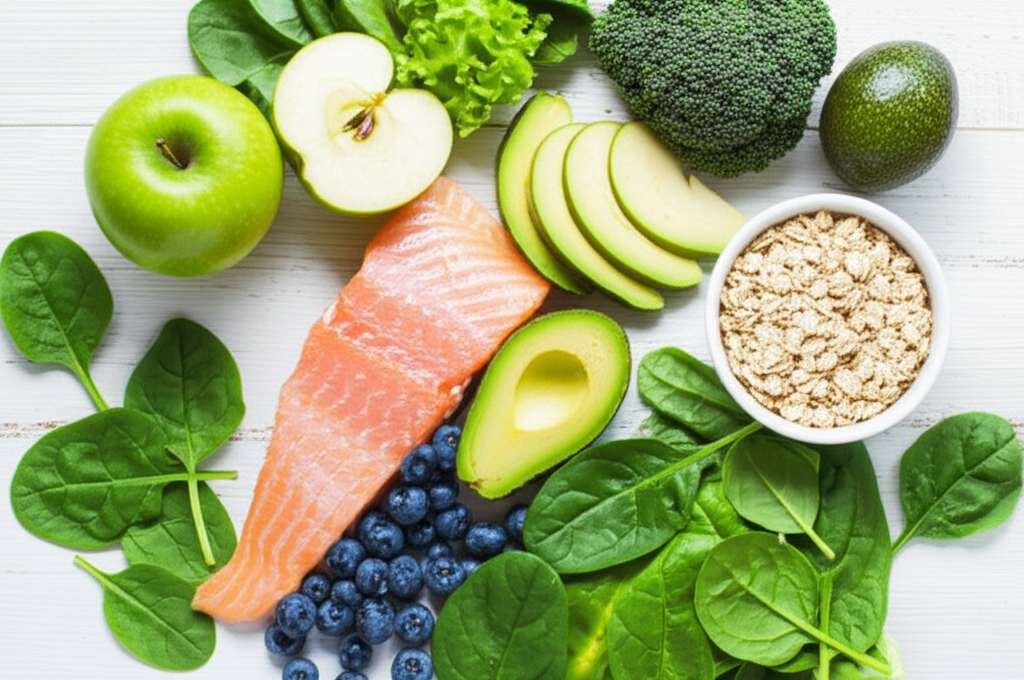
The best diet for fatty liver weight loss focuses on whole foods, healthy fats, lean proteins, and fiber-rich carbohydrates, while drastically cutting down on added sugars, refined grains, and unhealthy fats. Prioritizing these changes can help reduce liver fat and support overall health.
Feeling overwhelmed by fatty liver and the idea of losing weight? You’re not alone! Many people find it confusing to figure out the best way to eat when dealing with this condition. It can feel like there are a million diets out there, and it’s hard to know which one is right for you.
But here’s the good news: it doesn’t have to be complicated. With a clear, step-by-step approach, you can make simple changes that make a big difference. We’ll break down what works, why it works, and how you can start today.
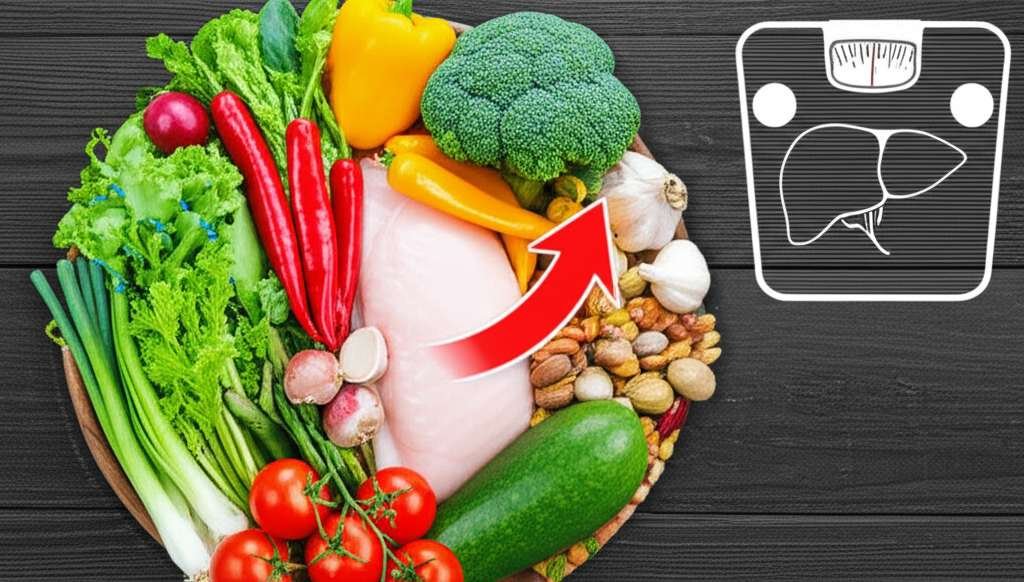
Get ready to feel more in control and confident about your journey to a healthier liver and a healthier you!
Why Weight Loss is Key for Fatty Liver
Fatty liver disease, particularly non-alcoholic fatty liver disease (NAFLD), is becoming increasingly common. It means there’s too much fat built up in your liver. While it might sound minor, a fatty liver can lead to more serious liver problems over time.
One of the most effective ways to manage and even reverse fatty liver is through weight loss. When you lose weight, you’re not just shrinking your waistline; you’re also helping to reduce the fat in your liver. This can improve liver function and lower your risk of complications.
Think of your liver like a busy factory. When it’s overloaded with fat, it can’t work as efficiently. Losing weight helps clear out the clutter, allowing the factory to run smoothly again.
Understanding Non-Alcoholic Fatty Liver Disease (NAFLD)
NAFLD is a condition where fat builds up in the liver in people who drink little to no alcohol. It’s often linked to being overweight or obese, having high cholesterol, high blood pressure, or diabetes. Sometimes, it can progress to more severe liver damage like inflammation (NASH) or scarring (fibrosis and cirrhosis).
The good news is that lifestyle changes, especially diet and exercise, can significantly improve NAFLD. Your liver has an amazing ability to heal itself when given the right support.
The Pillars of a Fatty Liver Weight Loss Diet
So, what does a diet that helps with fatty liver weight loss actually look like? It’s less about strict rules and more about making smart, sustainable choices. The focus is on nourishing your body with foods that support liver health and promote gradual, healthy weight loss.
Here are the core principles:
Whole Foods: Prioritize foods that are in their natural state as much as possible. This means fruits, vegetables, lean proteins, and whole grains.
Healthy Fats: Not all fats are bad! You want to include sources of healthy unsaturated fats.
Lean Protein: Protein is essential for building and repairing tissues, and it helps you feel full.
Fiber Power: Fiber is your friend for both digestion and weight management.
Limit Sugars & Refined Carbs: These are major culprits in fat buildup and weight gain.
Hydration: Drinking enough water is crucial for overall health and metabolism.
Let’s dive deeper into each of these.
1. Embrace Whole Foods
Whole foods are the foundation of any healthy eating plan, especially for fatty liver. They are packed with vitamins, minerals, and fiber that your body needs to function optimally. They also tend to be lower in calories and more satisfying than processed foods.
Fruits: Berries, apples, pears, oranges, and bananas are great choices. They provide natural sweetness and plenty of fiber and antioxidants.
Vegetables: Load up on leafy greens (spinach, kale), broccoli, cauliflower, carrots, bell peppers, and tomatoes. They are low in calories and high in nutrients.
Legumes: Beans, lentils, and chickpeas are fantastic sources of fiber and plant-based protein.
These foods help reduce inflammation and provide the nutrients your liver needs to detoxify your body effectively.
2. Choose Healthy Fats Wisely
Fats are a necessary part of your diet, but the type of fat matters greatly. For fatty liver, you want to focus on unsaturated fats and limit saturated and trans fats.
Monounsaturated Fats: Found in olive oil, avocados, nuts (almonds, walnuts), and seeds (chia, flax). These fats can help improve cholesterol levels and reduce inflammation.
Polyunsaturated Fats (Omega-3s): Found in fatty fish like salmon, mackerel, and sardines, as well as walnuts and flaxseeds. Omega-3s are powerful anti-inflammatories.
It’s important to consume fats in moderation, as they are calorie-dense. A small serving of nuts or a drizzle of olive oil is usually sufficient.
3. Prioritize Lean Protein
Protein plays a vital role in satiety, meaning it helps you feel fuller for longer, which can prevent overeating. It’s also crucial for muscle maintenance, especially when you’re aiming for weight loss.
Fish: Fatty fish (salmon, mackerel) are excellent for omega-3s, but lean fish like cod and tilapia are also great.
Poultry: Skinless chicken and turkey breast are good choices.
Plant-Based Proteins: Lentils, beans, tofu, and tempeh are excellent, fiber-rich protein sources.
Eggs: A complete protein source that is nutritious and versatile.
Aim to include a source of lean protein with every meal. This helps stabilize blood sugar and keeps hunger pangs at bay.
4. Maximize Fiber Intake
Fiber is a superhero nutrient for weight loss and liver health. It helps you feel full, aids digestion, and can help regulate blood sugar levels.
Soluble Fiber: Found in oats, barley, beans, apples, and citrus fruits. It can help lower cholesterol and blood sugar.
Insoluble Fiber: Found in whole grains, vegetables, and wheat bran. It adds bulk to your stool and helps prevent constipation.
Increasing your fiber intake can lead to eating fewer calories overall, which is a win for weight loss and reducing liver fat.
5. Drastically Reduce Sugars and Refined Grains
This is arguably the most critical area to focus on for fatty liver and weight loss. Sugary drinks, sweets, and refined carbohydrates are quickly converted to fat in the liver and contribute to weight gain.
Sugary Drinks: Soda, fruit juices, sweetened teas and coffees are major sources of added sugar.
Sweets & Desserts: Cakes, cookies, candies, and ice cream.
Refined Grains: White bread, white rice, pasta made from white flour, and most breakfast cereals.
When you cut back on these items, you reduce the “fuel” that your liver can easily turn into fat. You also reduce empty calories that don’t offer much nutritional value.
Foods to Focus On and Foods to Limit
To make things even clearer, let’s look at a breakdown of what to eat more of and what to reduce. This isn’t about perfection, but about making conscious choices most of the time.
Foods to Eat More Of
These foods are your allies in the fight against fatty liver and for achieving a healthy weight. They are nutrient-dense and support your body’s natural healing processes.
- Non-starchy Vegetables: Broccoli, spinach, kale, cauliflower, bell peppers, zucchini, asparagus, Brussels sprouts, green beans, tomatoes, onions, garlic.
- Fruits: Berries (blueberries, strawberries, raspberries), apples, pears, oranges, grapefruit, peaches, plums.
- Lean Proteins: Salmon, mackerel, sardines, tuna, cod, skinless chicken breast, turkey breast, eggs, tofu, tempeh, lentils, beans (black beans, kidney beans, chickpeas).
- Whole Grains (in moderation): Oats, quinoa, barley, brown rice, whole wheat bread (look for 100% whole wheat).
- Healthy Fats: Avocados, olive oil, nuts (almonds, walnuts, pecans), seeds (chia seeds, flaxseeds, sunflower seeds, pumpkin seeds).
- Dairy/Alternatives: Plain Greek yogurt, unsweetened almond milk, soy milk.
- Beverages: Water, unsweetened tea (green tea, herbal tea), black coffee.
Foods to Limit or Avoid
These foods can contribute to fat buildup in the liver and hinder weight loss efforts. Reducing your intake can have a significant positive impact.
- Sugary Drinks: Soda, fruit juices, energy drinks, sweetened coffee and tea.
- Added Sugars: Candies, cookies, cakes, pastries, ice cream, sugary cereals.
- Refined Carbohydrates: White bread, white rice, white pasta, crackers made with refined flour.
- Fried Foods: French fries, fried chicken, donuts, anything deep-fried.
- Processed Meats: Bacon, sausages, hot dogs, deli meats.
- High-Fat Dairy: Whole milk, butter, full-fat cheese (in large amounts).
- Saturated and Trans Fats: Found in fatty cuts of red meat, processed snacks, and some margarines.
- Alcohol: While this guide focuses on NAFLD, for general liver health and weight loss, limiting or avoiding alcohol is crucial.
Sample Meal Plan for Fatty Liver Weight Loss
Creating a sample meal plan can help you visualize what a day of eating might look like. Remember, this is a template; feel free to swap meals and snacks based on your preferences and what’s available. The key is to stick to the principles we’ve discussed.
Breakfast
Option 1: Oatmeal made with water or unsweetened almond milk, topped with berries and a sprinkle of chia seeds.
Option 2: Scrambled eggs (2-3) with spinach and mushrooms, served with a slice of 100% whole-wheat toast.
Option 3: Plain Greek yogurt with a handful of mixed berries and a small amount of chopped walnuts.
Lunch
Option 1: Large salad with mixed greens, grilled chicken breast or salmon, cucumber, tomatoes, bell peppers, and an olive oil and lemon juice dressing.
Option 2: Lentil soup with a side of mixed green salad.
Option 3: Tuna salad (made with Greek yogurt instead of mayonnaise) served in lettuce cups or with whole-grain crackers.
Dinner
Option 1: Baked salmon with roasted broccoli and a small serving of quinoa.
Option 2: Chicken stir-fry with plenty of colorful vegetables (broccoli, carrots, snap peas, bell peppers) and a light soy sauce or tamari-based sauce, served with a small portion of brown rice.
Option 3: Turkey meatballs in a marinara sauce served over zucchini noodles or a small portion of whole wheat pasta.
Snacks (if needed)
A small handful of almonds or walnuts.
An apple or pear.
Carrot sticks with a tablespoon of hummus.
A small container of plain Greek yogurt.
This plan emphasizes nutrient-dense foods that are low in added sugars and unhealthy fats. It also ensures you’re getting enough protein and fiber to stay satisfied.
Beyond Diet: Other Essential Factors
While diet is a cornerstone of fatty liver weight loss, other lifestyle factors play a crucial role. Think of these as the supporting cast that helps your star player (diet) shine even brighter.
1. Regular Physical Activity
Exercise is vital for burning calories, building muscle, and improving your body’s sensitivity to insulin. It also helps reduce liver fat directly.
Aerobic Exercise: Aim for at least 150 minutes of moderate-intensity aerobic activity per week. This includes brisk walking, jogging, cycling, or swimming.
Strength Training: Incorporate strength training 2-3 times a week. This helps build muscle mass, which boosts your metabolism.
Even small amounts of consistent activity can make a difference. Start with what you can manage and gradually increase the intensity and duration.
2. Hydration is Key
Drinking enough water is fundamental for metabolism, digestion, and overall health. It helps your body function efficiently and can even help you feel fuller.
Aim for at least 8 glasses (64 ounces) of water per day.
Carry a reusable water bottle with you to sip throughout the day.
Herbal teas and unsweetened green tea also count towards your fluid intake.
Staying hydrated helps flush out toxins and supports your liver’s natural detoxification processes.
3. Sleep Well
Getting enough quality sleep is often overlooked but is critical for weight management and hormonal balance. Poor sleep can disrupt hormones that control appetite, leading to increased cravings and weight gain.
Aim for 7-9 hours of sleep per night.
Establish a regular sleep schedule, going to bed and waking up around the same time each day.
Create a relaxing bedtime routine and ensure your bedroom is dark, quiet, and cool.
4. Stress Management
Chronic stress can lead to hormonal imbalances, including increased cortisol levels, which can promote fat storage, especially around the abdomen. This can worsen fatty liver.
Find healthy ways to manage stress, such as meditation, deep breathing exercises, yoga, spending time in nature, or engaging in hobbies.
Prioritize activities that help you relax and de-stress.
Managing stress is not just good for your mind; it’s also a powerful tool for your physical health and weight loss journey.
Making Sustainable Changes
The goal isn’t to follow a temporary “diet” but to build healthy habits that last a lifetime. This means making gradual changes that fit into your lifestyle and are enjoyable enough to stick with.
Start Small: Don’t try to overhaul everything at once. Pick one or two changes to focus on each week.
Be Patient: Weight loss and liver health improvements take time. Celebrate small victories along the way.
Find Your Tribe: Share your goals with friends or family, or join a support group. Accountability can be a powerful motivator.
Listen to Your Body: Pay attention to how different foods make you feel. What works for one person might not work for another.
Seek Professional Guidance: If you’re struggling, a registered dietitian or healthcare provider can offer personalized advice.
Sustainable weight loss and improved liver health come from consistent, manageable changes rather than drastic, short-term fixes.
Frequently Asked Questions (FAQ)
Q1: Can I reverse fatty liver with diet and weight loss alone?
Yes, for many people with non-alcoholic fatty liver disease (NAFLD), diet and weight loss are the most effective treatments. Significant weight loss (5-10% of body weight) can often reduce liver fat and inflammation, and sometimes even reverse the condition.
Q2: How quickly can I expect to see results in my liver health from diet changes?
Improvements can start within weeks, but significant changes on liver scans or blood tests may take several months of consistent effort. The most important thing is to stay consistent with your healthy eating and lifestyle changes.
Q3: Are there specific supplements that help with fatty liver?
While some supplements like Vitamin E or milk thistle are sometimes discussed for fatty liver, it’s crucial to talk to your doctor before taking any. Diet and lifestyle changes are the primary and most scientifically supported treatments. Your doctor can advise if any supplements are appropriate for you.
Q4: Is it okay to eat fruit if I have fatty liver?
Yes, fruit is generally healthy and recommended! Fruits contain natural sugars, but they also come packed with fiber, vitamins, and antioxidants. The fiber helps slow down sugar absorption. Focus on whole fruits rather than juices, and enjoy them as part of a balanced diet. Berries, apples, and pears are particularly good choices.
Q5: What is the role of carbohydrates in a fatty liver diet?
The type and amount of carbohydrates matter. You should focus on complex carbohydrates found in whole grains, vegetables, and legumes, which are rich in fiber and nutrients. Limit or avoid refined carbohydrates like white bread, white rice, and sugary snacks, as these can be easily converted to fat in the liver and contribute to weight gain.
Q6: How much weight do I need to lose to make a difference in my fatty liver?
Even a modest weight loss of 5% to 10% of your total body weight can significantly improve fatty liver disease. Losing more than 10% can lead to even greater improvements, potentially reversing some of the damage. The key is consistent, healthy weight loss over time.
Conclusion
Navigating the world of diets for fatty liver weight loss doesn’t have to be confusing or overwhelming. The best approach is one that prioritizes whole, nutrient-dense foods, healthy fats, lean proteins, and plenty of fiber, while significantly reducing added sugars and refined carbohydrates.
By making these dietary shifts and incorporating regular exercise, adequate hydration, quality sleep, and stress management, you are actively working towards reducing fat in your liver and improving your overall health. Remember, consistency and patience are your greatest allies. These changes are not about deprivation but about nourishing your body and building sustainable habits for long-term well-being. You have the power to make a positive impact on your health, one healthy meal at a time.
As an Amazon Associate, We earn from qualifying purchases. When you purchase a product through Amazon links on pulsefitguide.com, we may earn a small commission at no extra cost to you. This helps support the site and keep our content free.
