


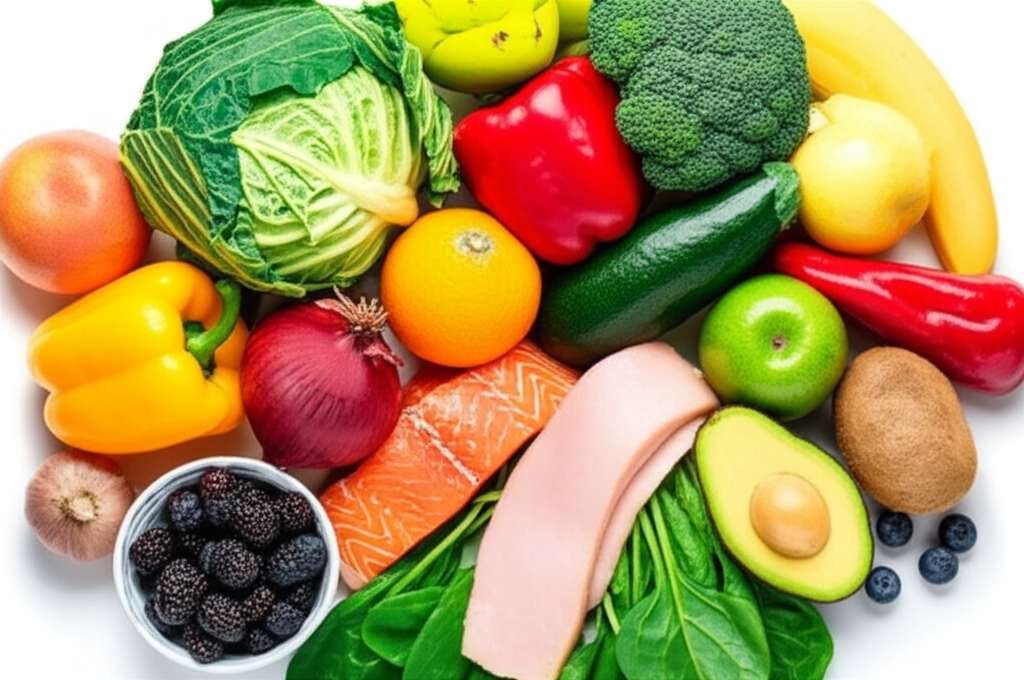
Foods that help burn fat in fatty liver focus on whole, unprocessed options rich in fiber, healthy fats, and lean protein. These foods support liver health, reduce inflammation, and promote gradual, sustainable fat loss.
Feeling confused about fatty liver and what to eat? You’re not alone! Many people find it hard to know where to start when it comes to improving their liver health through diet. It can feel overwhelming with all the conflicting advice out there.
But it doesn’t have to be complicated. We’re here to break it down into simple, actionable steps. Think of me as your friendly coach, guiding you through this journey one delicious meal at a time.
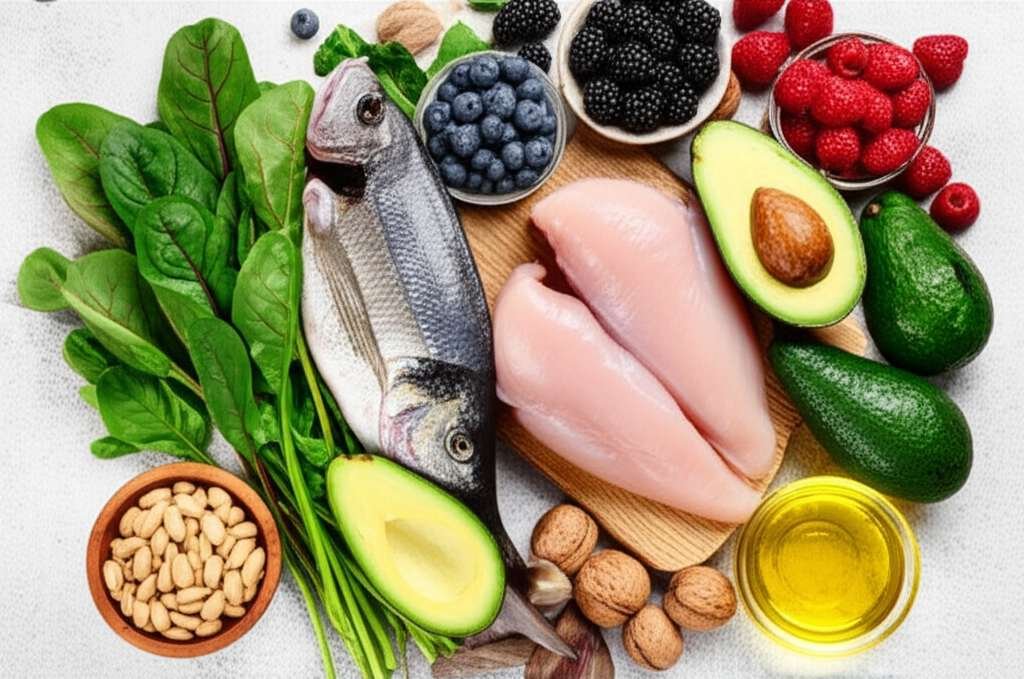
We’ll explore the best foods that can help your body burn fat and support a healthier liver. Get ready to discover how eating the right way can make a real difference!
Understanding Fatty Liver and Fat Burning
Fatty liver disease, also known as hepatic steatosis, happens when too much fat builds up in your liver. It’s a condition that affects millions worldwide and can sometimes lead to more serious liver problems if not managed. Often, it’s linked to lifestyle factors like diet and weight.
The good news is that diet plays a huge role in reversing or managing fatty liver. By making smart food choices, you can help your liver function better and even encourage your body to burn stored fat, including the fat around your liver.
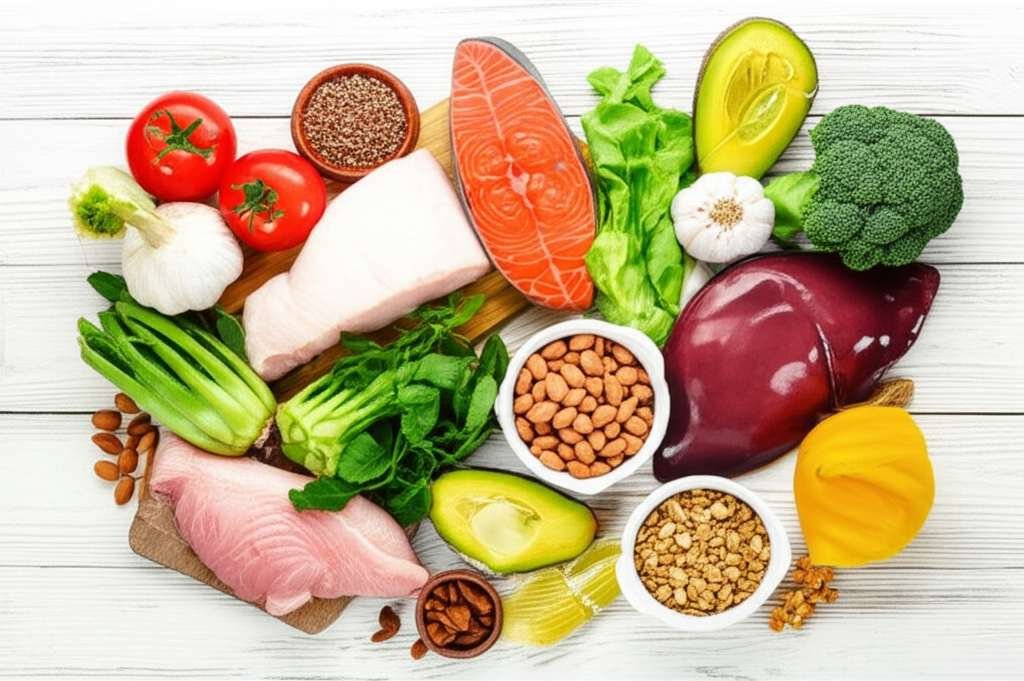
It’s not about extreme diets or quick fixes. It’s about building healthy eating habits that are sustainable and beneficial for your overall well-being. We’ll focus on foods that are not only good for your liver but also help your body become more efficient at using fat for energy.
Key Principles for Fat Burning and Liver Health
When we talk about burning fat, especially with fatty liver in mind, we’re focusing on a few core ideas. It’s about eating foods that are nutrient-dense, meaning they pack a lot of goodness without a lot of empty calories. This helps your body get the fuel it needs while signaling it to use up stored energy.
We also want to reduce inflammation. Fatty liver is often accompanied by inflammation, and certain foods can either worsen it or help calm it down. Think of it like putting out small fires in your body. Finally, consistency is key. Small, regular changes are much more effective than drastic, short-lived ones.
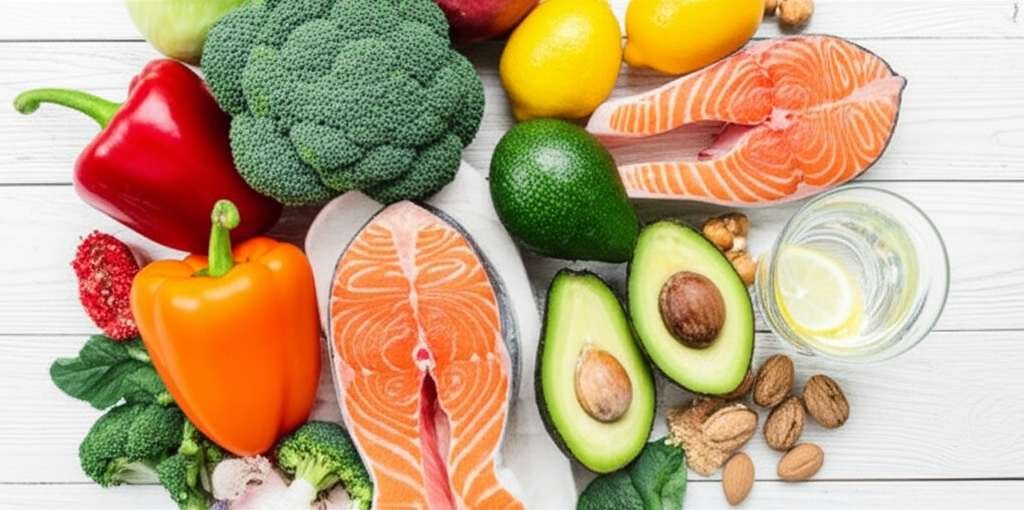
These principles will guide our food choices. We’ll look for foods that support these goals, making it easier for your body to heal and become healthier. Let’s dive into the specific foods that can help!
Top Foods That Help Burn Fat in Fatty Liver
The foundation of a liver-friendly, fat-burning diet is whole, unprocessed foods. These foods are packed with nutrients that help your liver detoxify, reduce inflammation, and improve your metabolism. Let’s explore some of the best categories and specific examples.
1. Fiber-Rich Fruits and Vegetables
Fruits and vegetables are powerhouses of vitamins, minerals, antioxidants, and, crucially, fiber. Fiber is essential for many reasons. It helps you feel full, which can reduce overall calorie intake and prevent overeating. It also aids in digestion and can help regulate blood sugar levels, which is important for liver health.
For fatty liver, the emphasis is on non-starchy vegetables and lower-sugar fruits. These provide maximum nutrients with fewer calories and less impact on blood sugar. Antioxidants in these foods help protect your liver cells from damage.
Examples of Great Choices:
- Leafy Greens: Spinach, kale, romaine lettuce, and Swiss chard are packed with vitamins, minerals, and antioxidants. They are low in calories and high in fiber.
- Cruciferous Vegetables: Broccoli, cauliflower, Brussels sprouts, and cabbage contain compounds that support liver detoxification pathways. They also provide a good dose of fiber.
- Berries: Blueberries, strawberries, raspberries, and blackberries are loaded with antioxidants and fiber. They are relatively low in sugar compared to other fruits.
- Apples and Pears: These fruits are excellent sources of soluble fiber, which can help lower cholesterol and improve digestive health.
- Avocado: While higher in fat, it’s a healthy monounsaturated fat that is beneficial for liver health and can help with satiety. It also contains fiber.
2. Lean Proteins
Protein is vital for building and repairing tissues, including liver cells. It also helps with satiety, making you feel fuller for longer, which can aid in weight management. When choosing protein, opt for lean sources to avoid adding unnecessary saturated fat, which can be hard on the liver.
Lean proteins require more energy to digest than fats or carbohydrates, contributing slightly to your metabolism. They also help maintain muscle mass, which is important for a healthy metabolism. A diet rich in protein can help prevent muscle loss during weight loss, ensuring you’re primarily losing fat.
Examples of Great Choices:
- Fish (especially fatty fish): Salmon, mackerel, sardines, and tuna are rich in omega-3 fatty acids. These healthy fats have anti-inflammatory properties and can help reduce liver fat. Aim for at least two servings per week.
- Poultry: Chicken and turkey breast (skinless) are excellent sources of lean protein.
- Legumes: Beans, lentils, and chickpeas are not only good sources of protein but also high in fiber. They are a fantastic plant-based option.
- Tofu and Tempeh: These soy-based products are versatile and provide complete protein, making them great for vegetarians and vegans.
- Eggs: A complete protein source rich in nutrients.
3. Healthy Fats
Contrary to old beliefs, not all fats are bad. Healthy fats, particularly monounsaturated and polyunsaturated fats, are crucial for overall health and can be beneficial for fatty liver disease. They help reduce inflammation, improve cholesterol levels, and support cell function.
These fats help your body absorb fat-soluble vitamins (A, D, E, K) and are essential for hormone production. Including healthy fats in your diet can also improve your sense of fullness, helping to curb cravings and prevent overeating of less healthy options.
Examples of Great Choices:
- Olive Oil: Extra virgin olive oil is a cornerstone of the Mediterranean diet, known for its anti-inflammatory properties and heart-healthy monounsaturated fats. Use it for cooking and dressings.
- Nuts and Seeds: Almonds, walnuts, chia seeds, flaxseeds, and sunflower seeds are packed with healthy fats, fiber, and protein. They make great snacks or additions to meals.
- Avocado: As mentioned earlier, avocados are a fantastic source of monounsaturated fats and fiber.
- Fatty Fish: Salmon, mackerel, and sardines are rich in omega-3 polyunsaturated fats.
4. Whole Grains
Whole grains are often overlooked but are vital for a healthy diet, especially when managing fatty liver and aiming to burn fat. Unlike refined grains (like white bread or white rice), whole grains contain the entire grain kernel – bran, germ, and endosperm. This means they are richer in fiber, vitamins, minerals, and antioxidants.
The fiber in whole grains slows down digestion, helping to prevent sharp spikes in blood sugar and insulin. Stable blood sugar levels are crucial for reducing fat storage and improving insulin sensitivity, which is often impaired in fatty liver disease. They also contribute to satiety, helping you feel full and satisfied.
Examples of Great Choices:
- Oats: Especially steel-cut or rolled oats, are high in soluble fiber (beta-glucan), which is excellent for heart health and blood sugar control.
- Quinoa: A complete protein and a good source of fiber, quinoa is a versatile grain that can be used in many dishes.
- Brown Rice: A healthier alternative to white rice, providing more fiber and nutrients.
- Barley: Another fiber-rich grain that is excellent for digestive health and blood sugar management.
- Whole Wheat Bread/Pasta: Look for “100% whole wheat” on the label to ensure you’re getting the benefits of whole grains.
5. Coffee and Green Tea
Believe it or not, your morning coffee or afternoon tea can be beneficial for liver health! Both coffee and green tea are rich in antioxidants and have been studied for their potential protective effects on the liver. They may help reduce inflammation and the risk of liver fibrosis.
Some research suggests that regular coffee consumption is associated with a lower risk of developing liver diseases, including non-alcoholic fatty liver disease (NAFLD). Green tea, particularly, contains catechins, which are powerful antioxidants that can help combat oxidative stress in the liver.
Important Note: Enjoy these beverages in moderation and without added sugar or excessive cream, which can counteract their benefits. Black coffee and plain green tea are the best choices.
Foods to Limit or Avoid
Just as important as knowing what to eat is knowing what to reduce. Certain foods can contribute to fat buildup in the liver, increase inflammation, and hinder fat-burning efforts. Focusing on limiting these will significantly support your liver health and weight management goals.
These items often contain high amounts of added sugars, unhealthy fats (saturated and trans fats), and processed ingredients that can overload your liver and contribute to weight gain.
Key Items to Minimize:
- Sugary Drinks: Soda, fruit juices (even 100% juice), sweetened teas, and energy drinks are major sources of added sugar, particularly fructose, which is strongly linked to fatty liver disease.
- Processed Foods: Packaged snacks, fast food, processed meats, and pre-made meals often contain unhealthy fats, high sodium, and added sugars.
- Refined Carbohydrates: White bread, white pasta, pastries, cakes, and cookies offer little nutritional value and can cause blood sugar spikes.
- Fried Foods: Often cooked in unhealthy oils and high in calories, contributing to fat buildup.
- Excessive Saturated and Trans Fats: Found in red meat, butter, full-fat dairy, and many processed baked goods.
- Alcohol: While not a “food,” alcohol is a significant contributor to liver damage and fatty liver. If you have fatty liver, it’s best to avoid or severely limit alcohol consumption.
A Sample Meal Plan Framework
Putting it all together can seem daunting, but it doesn’t have to be! Here’s a simple framework to help you build meals that are delicious, liver-friendly, and promote fat burning. Remember, this is a template; feel free to swap in your favorite healthy foods!
Breakfast Ideas
- Oatmeal with berries and a sprinkle of nuts or seeds.
- Scrambled eggs with spinach and a side of whole-wheat toast.
- Greek yogurt with fruit and a tablespoon of chia seeds.
Lunch Ideas
- Large salad with grilled chicken or salmon, plenty of mixed greens, colorful vegetables, and an olive oil-based dressing.
- Lentil soup with a side of whole-grain bread.
- Tuna salad (made with Greek yogurt or light mayo) served in lettuce cups or on whole-grain crackers.
Dinner Ideas
- Baked salmon with roasted broccoli and quinoa.
- Chicken breast stir-fry with mixed vegetables (like bell peppers, snap peas, and carrots) served over brown rice.
- Chickpea curry with brown rice and a side of steamed green beans.
Snack Ideas
- A small handful of almonds or walnuts.
- An apple with a tablespoon of almond butter.
- Carrot sticks or cucumber slices with hummus.
- A small bowl of berries.
This framework emphasizes lean protein, healthy fats, and plenty of fiber from fruits, vegetables, and whole grains. It’s designed to keep you feeling full and satisfied while supporting your liver and fat-burning goals.
The Role of Hydration
Don’t forget about water! Staying well-hydrated is fundamental for almost every bodily function, including detoxification and metabolism. Water helps your kidneys flush out waste products, supports digestion, and can even help you feel fuller, which aids in weight management.
When you’re properly hydrated, your body functions more efficiently. This includes your liver’s ability to process nutrients and eliminate toxins. Dehydration can slow down your metabolism and make it harder for your body to burn fat.
Aim for at least 8 glasses (about 2 liters) of water per day. You can also include unsweetened herbal teas and sparkling water. Listen to your body; if you’re thirsty, you need more water!
The Importance of Physical Activity
While this guide focuses on food, it’s essential to mention that diet works best when combined with regular physical activity. Exercise is a powerful tool for burning calories, building muscle mass (which boosts metabolism), and improving insulin sensitivity.
For individuals with fatty liver, moderate-intensity aerobic exercises like brisk walking, jogging, swimming, or cycling are highly recommended. Strength training is also beneficial as it helps increase muscle mass, further enhancing your metabolic rate. Even incorporating more movement into your day, like taking the stairs or going for short walks, can make a difference.
The key is to find activities you enjoy so you can stick with them long-term. Aim for at least 150 minutes of moderate-intensity aerobic activity per week, as recommended by health organizations like the Centers for Disease Control and Prevention (CDC).
Mindful Eating and Lifestyle Habits
Beyond specific foods and exercise, adopting mindful eating habits and a healthier overall lifestyle can significantly impact your journey with fatty liver and fat burning. Mindful eating involves paying attention to your hunger and fullness cues, eating slowly, and savoring your food.
This practice helps prevent overeating and can improve your relationship with food. Other lifestyle factors, such as getting adequate sleep (7-9 hours per night) and managing stress, are also crucial. Poor sleep and high stress levels can disrupt hormones that regulate appetite and fat storage, making your efforts harder.
Making gradual, sustainable changes to your daily routine, focusing on self-care, and being patient with yourself are just as important as the food on your plate. Celebrate small victories along the way!
Frequently Asked Questions (FAQ)
Q1: Can I reverse fatty liver just by changing my diet?
While diet is the most crucial factor in managing and potentially reversing fatty liver disease, combining it with regular exercise and a healthy lifestyle often yields the best results. Many people see significant improvement through diet alone, but a holistic approach is usually more effective.
Q2: How quickly can I expect to see results?
Fatty liver is a gradual process, and so is its reversal. You might start feeling better and notice changes within a few weeks of consistent healthy eating. However, significant improvements in liver fat and overall health can take several months to a year or more. Patience and consistency are key.
Q3: Are all fats bad for fatty liver?
No, not at all! Healthy fats, such as those found in olive oil, avocados, nuts, seeds, and fatty fish, are actually beneficial for liver health. They help reduce inflammation and support overall well-being. It’s the unhealthy saturated and trans fats, and excessive amounts of any fat, that can be problematic.
Q4: Is it okay to drink coffee if I have fatty liver?
For most people with fatty liver, moderate coffee consumption (without added sugar or excessive cream) is generally considered safe and may even offer protective benefits. Some studies suggest coffee can help reduce inflammation and the risk of liver fibrosis. However, it’s always best to discuss this with your doctor.
Q5: Do I need to cut out all carbohydrates?
No, you don’t need to eliminate all carbohydrates. The key is to focus on complex, whole-grain carbohydrates and limit refined ones. Whole grains, fruits, and vegetables provide essential fiber and nutrients that are beneficial for liver health and fat burning. Limit sugary drinks and refined flour products.
Q6: What is the most important thing to remember about food for fatty liver?
The most important thing to remember is to focus on whole, unprocessed foods, especially those rich in fiber, lean protein, and healthy fats. Reducing intake of added sugars, refined carbohydrates, and unhealthy fats is equally critical. Think of it as nourishing your liver and body with the best fuel possible.
Conclusion
Navigating the path to a healthier liver and a more efficient metabolism doesn’t have to be a mystery. By focusing on nutrient-dense, whole foods, you’re empowering your body to heal and burn fat effectively. Foods rich in fiber, lean proteins, and healthy fats are your allies in this journey.
Remember, small, consistent changes add up to significant results. Incorporating more fruits, vegetables, whole grains, and lean proteins while reducing sugary drinks and processed items will make a profound difference. Don’t forget the power of hydration and regular physical activity to complement your dietary efforts.
You’ve got this! By understanding what foods help burn fat in fatty liver and making conscious, positive choices, you are taking powerful steps toward a healthier, more vibrant you. Keep learning, keep experimenting with delicious, healthy meals, and celebrate your progress along the way.
As an Amazon Associate, We earn from qualifying purchases. When you purchase a product through Amazon links on pulsefitguide.com, we may earn a small commission at no extra cost to you. This helps support the site and keep our content free.
