


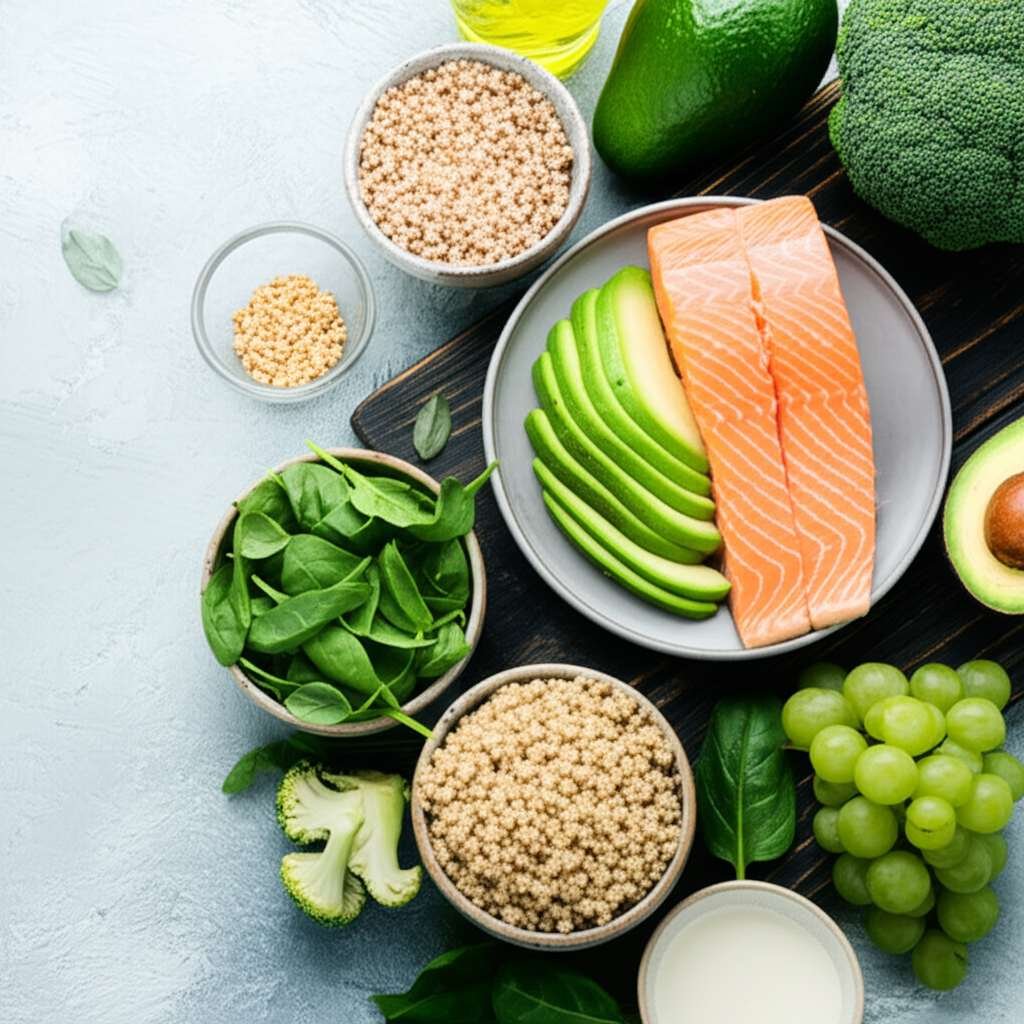
Quick Summary: The best meal plan for fatty liver focuses on whole, unprocessed foods, lean proteins, healthy fats, and plenty of fiber, while limiting added sugars, refined carbs, and saturated fats. This approach supports liver health, aids weight management, and reduces inflammation.
Hey there! Are you feeling a little lost when it comes to what to eat if you’ve been told you have a fatty liver? It’s totally understandable. Sometimes, health information can feel like a confusing puzzle, and when it comes to our liver, we want to make sure we’re getting it right.
But don’t worry, you’re in the right place! Think of me as your friendly guide, here to break down exactly what a good meal plan looks like for fatty liver in a way that’s easy to understand and follow. We’ll go step-by-step, making this journey feel manageable and even empowering.
This guide is designed to give you clear, practical advice so you can start making positive changes today. We’ll cover the essentials of what to eat, what to avoid, and how to build meals that support your liver and overall well-being. Ready to dive in?
Understanding Fatty Liver and Why Diet Matters
So, what exactly is fatty liver disease? Simply put, it means there’s too much fat built up in your liver. Your liver is a superstar organ that does hundreds of important jobs, including filtering toxins and helping digest food. When too much fat accumulates, it can’t do its job as well, and this can lead to inflammation and damage over time.
The good news is that diet is one of the most powerful tools we have to manage and even reverse fatty liver disease. What you eat directly impacts how much fat your liver stores, how inflamed it gets, and its ability to heal. Making smart food choices can make a huge difference.
Think of your liver like a busy kitchen. If you keep bringing in too many ingredients that are hard to process (like sugary drinks and fried foods), the kitchen gets cluttered and overwhelmed. But if you bring in fresh, wholesome ingredients, the kitchen runs smoothly, and everything gets prepared efficiently.
The Core Principles of a Fatty Liver Meal Plan
When we talk about the “best” meal plan for fatty liver, it’s less about a rigid, one-size-fits-all diet and more about adopting a healthy eating pattern. This pattern focuses on nourishing your body with foods that support liver function and reduce fat accumulation. It’s all about balance and making smart swaps.
The main goals are to reduce the amount of fat stored in the liver, lower inflammation, and support your overall health. This often goes hand-in-hand with managing weight, as excess weight is a major contributor to fatty liver disease, especially a type called non-alcoholic fatty liver disease (NAFLD).
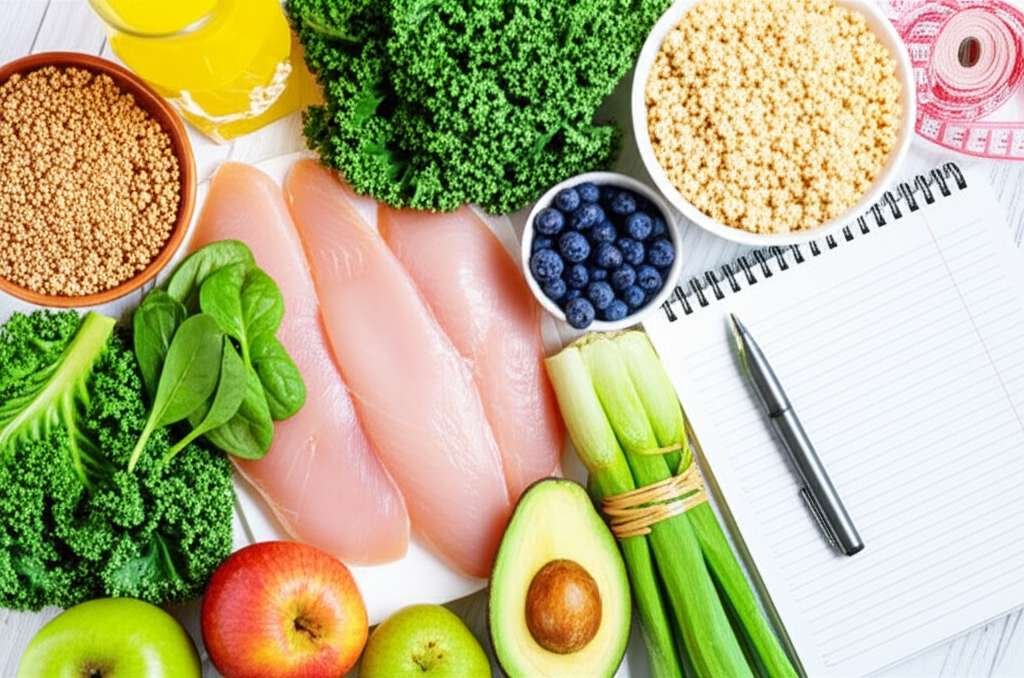
We’ll focus on principles that are sustainable and enjoyable. This isn’t about deprivation; it’s about making delicious, healthy choices that benefit your liver. Let’s break down the key components.
1. Embrace Whole, Unprocessed Foods
This is the cornerstone of any healthy eating plan, and it’s especially important for fatty liver. Whole foods are foods that are as close to their natural state as possible. Think fruits, vegetables, whole grains, lean proteins, and healthy fats.
These foods are packed with vitamins, minerals, fiber, and antioxidants. Fiber, in particular, is a superhero for liver health. It helps regulate blood sugar, can lower cholesterol, and aids in feeling full, which supports weight management. Antioxidants help fight the inflammation that can occur with fatty liver.
Choosing whole foods means steering clear of processed items that are often loaded with hidden sugars, unhealthy fats, and excessive sodium. These processed items can contribute to inflammation and fat buildup in the liver.
2. Prioritize Lean Proteins
Protein is essential for building and repairing tissues, and it plays a role in satiety, helping you feel full and satisfied after meals. For a fatty liver diet, the key is to choose lean sources of protein.
Lean proteins are lower in saturated fat, which is important because high intake of saturated fat can contribute to fatty liver disease. Opting for lean options helps reduce the overall fat load on your liver and supports healthy body composition.
Good sources include fish, poultry without the skin, beans, lentils, tofu, and low-fat dairy products. These provide the building blocks your body needs without adding unnecessary unhealthy fats.
3. Include Healthy Fats
Don’t be scared of fats! Healthy fats are crucial for your body and can actually help improve your cholesterol levels and reduce inflammation. The type of fat you consume matters significantly.
Focus on unsaturated fats, particularly monounsaturated and polyunsaturated fats. These fats can help lower bad cholesterol (LDL) and raise good cholesterol (HDL), which is beneficial for overall heart and liver health. They also provide essential fatty acids that your body needs.
Examples include olive oil, avocados, nuts, seeds, and fatty fish like salmon and mackerel. These are nutrient-dense and contribute to a balanced, satisfying diet.
4. Load Up on Fiber-Rich Foods
As mentioned, fiber is a superstar for liver health. It’s found abundantly in plant-based foods. Fiber helps your digestive system work smoothly, can help manage blood sugar levels, and contributes to feeling full, which is key for weight management.
When blood sugar is well-managed, it reduces the risk of developing insulin resistance, a condition often linked to fatty liver disease. Fiber acts like a gentle broom, helping to clear out your digestive system and support overall metabolic health.
Aim to include plenty of vegetables, fruits, legumes (beans and lentils), and whole grains in your daily meals. The variety ensures you get a wide range of beneficial nutrients.
Foods to Emphasize for a Healthy Liver
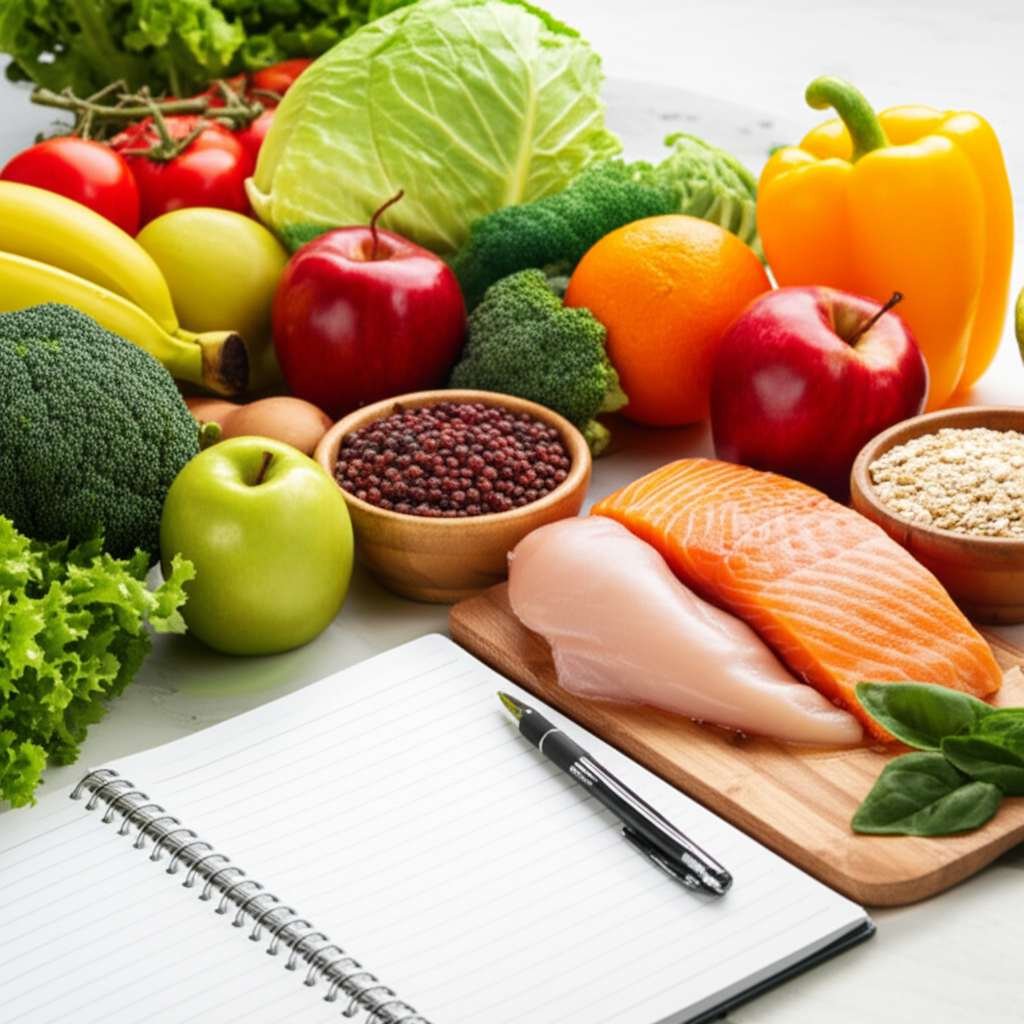
Let’s get specific! Here’s a list of foods that are particularly beneficial when you’re focusing on a meal plan for fatty liver. Think of these as your liver’s best friends.
- Vegetables: Especially leafy greens like spinach, kale, and romaine lettuce. Also, broccoli, cauliflower, Brussels sprouts, carrots, bell peppers, and tomatoes. They are low in calories and high in nutrients and fiber.
- Fruits: Berries (blueberries, strawberries, raspberries), apples, pears, citrus fruits (oranges, grapefruits), and bananas. Choose whole fruits over juices to get the full fiber benefit.
- Whole Grains: Oats, quinoa, brown rice, barley, and whole-wheat bread/pasta. These provide sustained energy and fiber.
- Lean Proteins: Fish (especially fatty fish like salmon, mackerel, sardines for omega-3s), chicken and turkey breast (skinless), beans, lentils, tofu, and tempeh.
- Healthy Fats: Avocados, olive oil (extra virgin), nuts (almonds, walnuts), and seeds (chia seeds, flaxseeds, sunflower seeds).
- Legumes: Lentils, chickpeas, black beans, kidney beans. They are excellent sources of protein and fiber.
- Herbs and Spices: Turmeric, ginger, garlic, cinnamon. Many have anti-inflammatory properties.
- Beverages: Water, herbal teas (like green tea or dandelion root tea), and black coffee (in moderation, research suggests it may be protective for the liver).
Foods to Limit or Avoid
Just as important as knowing what to eat is knowing what to reduce or avoid. These foods can contribute to fat buildup, inflammation, and insulin resistance, making them less ideal for a fatty liver diet.
Cutting back on these items can significantly improve your liver’s health and help you feel better overall. It’s about making mindful choices and gradually reducing your intake rather than complete elimination, which can feel overwhelming.
- Added Sugars: Sugary drinks (soda, fruit juices with added sugar, sweetened teas/coffees), candy, pastries, cookies, and desserts. Fructose, especially from high-fructose corn syrup, is particularly problematic for the liver.
- Refined Carbohydrates: White bread, white rice, white pasta, sugary cereals, and processed snacks. These are quickly converted to sugar in the body.
- Unhealthy Fats: Saturated fats (found in red meat, butter, full-fat dairy, fried foods) and trans fats (often found in processed baked goods and fried foods – check labels for “partially hydrogenated oils”).
- Processed Foods: Packaged snacks, fast food, processed meats (sausages, hot dogs), and pre-made meals often contain high levels of sugar, unhealthy fats, and sodium.
- Alcohol: While not directly a food, alcohol is a major contributor to liver damage and fatty liver disease. It should be significantly limited or avoided.
- Excessive Sodium: While not directly causing fat buildup, high sodium intake can contribute to other health issues like high blood pressure, which is often associated with fatty liver.
Putting It All Together: Sample Meal Plan Ideas
Now that you know the principles and specific foods, let’s look at how to put it into practice with some simple meal ideas. The goal is to make your plate colorful, balanced, and satisfying!
Remember, these are just ideas to get you started. Feel free to mix and match based on your preferences and what’s available. Consistency is key, so aim for balanced meals most of the time.
Sample Day: Breakfast
Start your day with a protein and fiber boost to keep you full and energized.
- Option 1: Oatmeal made with water or unsweetened almond milk, topped with berries and a sprinkle of chia seeds or a few walnuts.
- Option 2: Scrambled eggs or tofu scramble with spinach and mushrooms, served with a small slice of whole-wheat toast.
- Option 3: A smoothie made with unsweetened yogurt or plant-based milk, spinach, half a banana, and a tablespoon of almond butter.
Sample Day: Lunch
Focus on lean protein, plenty of vegetables, and a source of healthy carbs or fats.
- Option 1: Large salad with mixed greens, grilled chicken breast or chickpeas, cucumber, tomatoes, bell peppers, and an olive oil-based vinaigrette.
- Option 2: Lentil soup with a side of whole-grain crackers and a small apple.
- Option 3: Tuna salad (made with Greek yogurt or avocado instead of mayo) served in lettuce wraps or on whole-wheat bread, with a side of carrot sticks.
Sample Day: Dinner
Aim for a balanced plate with lean protein, a generous portion of vegetables, and a complex carbohydrate.
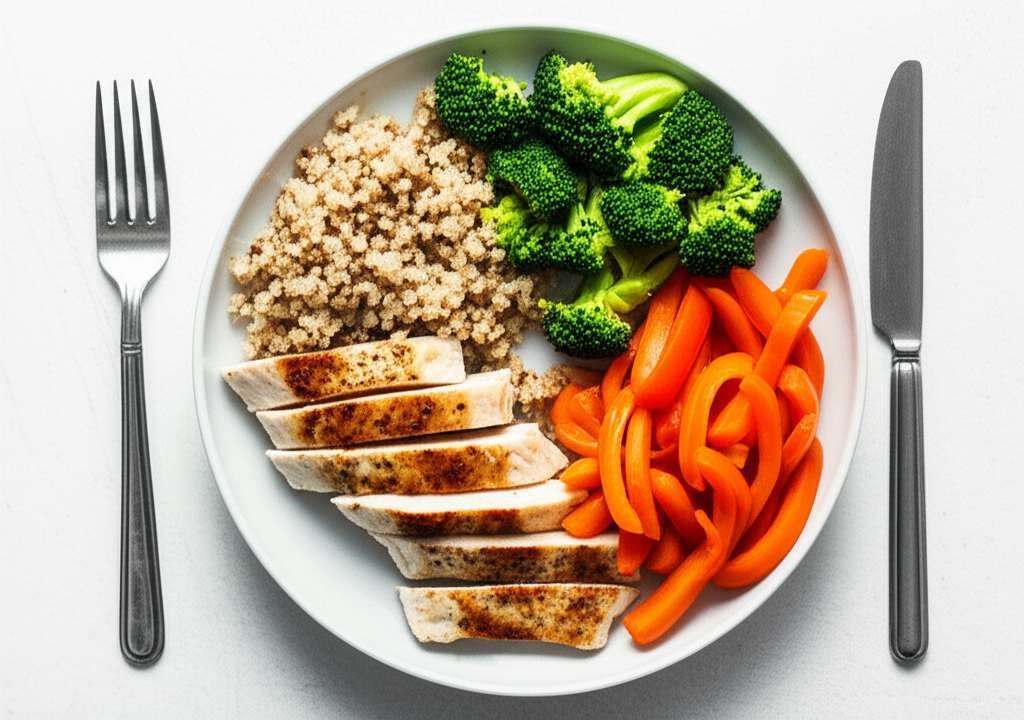
- Option 1: Baked salmon with roasted broccoli and a small serving of quinoa.
- Option 2: Stir-fried chicken or tofu with mixed vegetables (like bell peppers, snap peas, carrots) and brown rice, using a light soy sauce or tamari.
- Option 3: Turkey or black bean chili, packed with vegetables like onions, peppers, and tomatoes, served with a small dollop of plain Greek yogurt.
Sample Day: Snacks
If you need a snack between meals, choose something that provides nutrients and helps manage hunger.
- A small handful of almonds or walnuts.
- An apple or pear with a tablespoon of peanut butter.
- Plain Greek yogurt with a few berries.
- Vegetable sticks (carrots, celery, cucumber) with hummus.
Hydration and Beverages
What you drink is just as important as what you eat! Staying well-hydrated is crucial for overall health and helps your body function optimally, including your liver.
Water is your best friend. It helps flush out toxins, keeps your energy levels up, and can even help manage appetite. Aim for at least 8 glasses of water a day, and more if you’re active or in a warm climate.
Here’s a quick look at good and not-so-good beverage choices:
| Good Choices | To Limit or Avoid |
|---|---|
| Water | Sugary sodas and fruit juices |
| Herbal teas (unsweetened) | Sweetened coffee drinks |
| Black coffee (in moderation) | Energy drinks |
| Green tea (unsweetened) | Alcoholic beverages |
Lifestyle Factors Beyond Diet
While diet is a massive player in managing fatty liver, it’s not the only factor. Several other lifestyle changes can significantly support your liver’s health and your overall well-being.
Think of these as complementary strategies that work hand-in-hand with your meal plan. They can enhance the benefits of your healthy eating and contribute to a more holistic approach to managing fatty liver disease.
1. Regular Physical Activity
Exercise is incredibly beneficial for fatty liver. It helps your body use glucose more effectively, reduces blood sugar levels, and can help reduce liver fat. It’s also fantastic for weight management and improving cardiovascular health.
Aim for a combination of aerobic exercise (like brisk walking, jogging, swimming, or cycling) and strength training. The American Heart Association recommends at least 150 minutes of moderate-intensity aerobic activity or 75 minutes of vigorous-intensity aerobic activity per week, plus muscle-strengthening activities at least two days a week.
Find activities you enjoy, as this makes it much easier to stick with them long-term. Even small amounts of consistent activity can make a difference.
2. Weight Management
If you are overweight or obese, losing even a modest amount of weight (5-10% of your body weight) can significantly improve fatty liver disease. This is often the most effective intervention for NAFLD.
A healthy meal plan, as outlined above, combined with regular exercise is the best approach to sustainable weight loss. Focus on gradual, steady progress rather than crash diets, which can be detrimental to your health and difficult to maintain.
Working with a healthcare provider or a registered dietitian can provide personalized support and strategies for safe and effective weight loss.
3. Managing Other Health Conditions
Fatty liver disease often coexists with other conditions, such as diabetes, high cholesterol, and high blood pressure. Effectively managing these conditions is crucial for protecting your liver and overall health.
This means adhering to any prescribed medications, monitoring your blood sugar and blood pressure regularly, and continuing to follow a heart-healthy and liver-friendly diet. A coordinated approach to your health will yield the best results.
4. Stress Management and Sleep
Chronic stress and poor sleep can impact your hormones and contribute to inflammation, which can indirectly affect your liver. Prioritizing stress-reducing activities and ensuring you get adequate sleep (7-9 hours per night) can support your body’s healing processes.
Techniques like meditation, deep breathing exercises, yoga, or spending time in nature can help manage stress. Establishing a regular sleep schedule and creating a relaxing bedtime routine can improve sleep quality.
Frequently Asked Questions (FAQ)
Q1: How quickly can a meal plan help with fatty liver?
Improvements can be seen in a few weeks to months, depending on the severity of your condition and how consistently you follow the plan. Significant changes in liver enzymes and fat reduction are often noticeable within 3-6 months of consistent healthy eating and lifestyle changes.
Q2: Do I need to completely cut out all fats?
No, absolutely not! The goal is to limit unhealthy saturated and trans fats and focus on healthy unsaturated fats found in olive oil, avocados, nuts, and seeds. These healthy fats are important for your body and can even help improve cholesterol levels.
Q3: Can I still eat fruit if I have fatty liver?
Yes, fruit is a great source of vitamins, minerals, and fiber! It’s best to eat whole fruits rather than drinking fruit juice, as whole fruits contain fiber that helps slow down sugar absorption. Berries, apples, and pears are particularly good choices.
Q4: Is coffee good or bad for fatty liver?
Research suggests that moderate coffee consumption (especially black coffee without added sugar or cream) may actually be beneficial for liver health and can help protect against liver disease. However, always listen to your body and discuss with your doctor if you have concerns.
Q5: What is the role of exercise in a fatty liver meal plan?
Exercise is a vital partner to your meal plan! It helps your body burn fat, improves insulin sensitivity, reduces inflammation, and aids in weight management. Aim for regular aerobic and strength training exercises as recommended by health professionals.
Q6: Should I take supplements for fatty liver?
It’s best to get nutrients from whole foods whenever possible. While some supplements like Vitamin E or milk thistle are sometimes discussed for fatty liver, always consult with your doctor or a registered dietitian before starting any new supplement. They can advise if a supplement is appropriate and safe for you.
Conclusion
Taking charge of your fatty liver health through your diet is one of the most empowering steps you can take. By focusing on whole, unprocessed foods, lean proteins, healthy fats, and plenty of fiber, you’re not just managing a condition; you’re nourishing your body and supporting its incredible ability to heal.
Remember, this journey is about progress, not perfection. Small, consistent changes add up to big results over time. Don’t get discouraged if you slip up occasionally; just get back on track with your next meal. Celebrate your successes, no matter how small, and be patient with yourself.
This guide provides a solid foundation, but your body is unique. Listening to your body, staying informed, and working with healthcare professionals will help you tailor this approach to your specific needs. You’ve got this!
As an Amazon Associate, We earn from qualifying purchases. When you purchase a product through Amazon links on pulsefitguide.com, we may earn a small commission at no extra cost to you. This helps support the site and keep our content free.
