


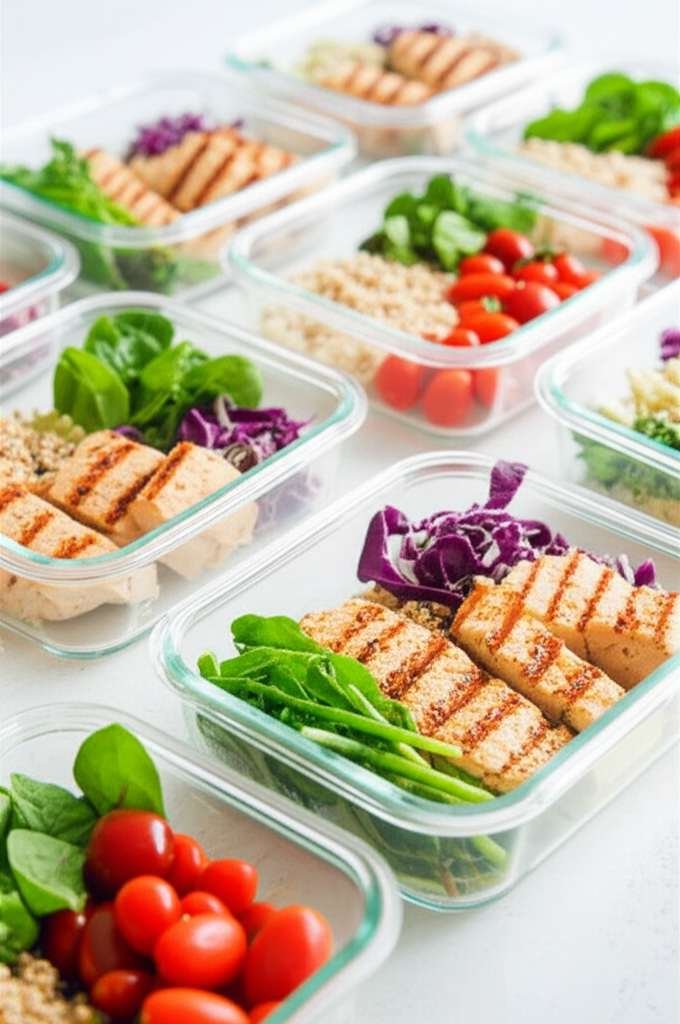
Quick Summary: This 30-day healthy eating meal prep plan is your beginner-friendly guide to kickstarting weight loss for fatty liver. Focus on whole foods, portion control, and consistent preparation to see real results without the overwhelm.
Feeling a bit lost when it comes to eating healthy, especially with fatty liver? You’re not alone! Many people find it confusing to know where to start with diet and weight loss. It can feel like a puzzle with too many pieces.
But what if I told you it doesn’t have to be complicated? Imagine having a clear, simple plan that guides you day by day. This guide is designed to make healthy eating and weight loss for fatty liver totally manageable, even if you’re just starting out.
We’ll break down exactly what you need to do, making it easy to follow and stick with. Get ready to feel more in control and confident about your health journey!
Your 30-Day Healthy Eating Meal Prep for Fatty Liver Weight Loss: A Beginner’s Guide
Hey there! I’m Jordan, your friendly weight loss coach and health educator. My mission is to make healthy eating and weight loss feel less like a chore and more like a superpower. If you’re dealing with fatty liver and want to shed some weight, you’ve come to the right place. This isn’t about strict diets or giving up everything you love. It’s about smart, simple steps that work.
Fatty liver disease, often linked to excess body weight, can feel like a roadblock. But the good news is that lifestyle changes, especially diet and weight loss, are incredibly powerful in managing it. Think of this 30-day meal prep plan as your roadmap. We’ll focus on nutrient-dense foods that support liver health and help you lose weight in a sustainable way.
Ready to dive in? Let’s get started on building healthier habits that can make a real difference!
Why Meal Prep is a Game-Changer for Fatty Liver and Weight Loss
Meal prepping might sound like a lot of work, but it’s actually one of the biggest time and stress savers. When you have healthy meals and snacks ready to go, you’re much less likely to grab something unhealthy when hunger strikes or you’re short on time. This is especially crucial when managing fatty liver, as consistent, healthy eating is key.
For beginners, meal prep removes the daily decision fatigue around food. You know what you’re going to eat, and it’s already prepared. This predictability helps you stay on track with your weight loss goals and supports your liver’s health by ensuring you’re consistently fueling your body with the right nutrients.
Understanding Fatty Liver and Weight Loss
Fatty liver disease, also known as non-alcoholic fatty liver disease (NAFLD), is a condition where there’s too much fat in the liver. It’s often associated with being overweight or obese, insulin resistance, and high cholesterol. The great news is that losing even a modest amount of weight – typically 5-10% of your body weight – can significantly improve the condition of your liver.
Weight loss helps reduce the fat accumulation in the liver, decrease inflammation, and improve insulin sensitivity. This means the food choices you make are directly impacting your liver’s health and your overall well-being. Our 30-day plan is designed to support these crucial changes.
To learn more about NAFLD and its management, the National Institute of Diabetes and Digestive and Kidney Diseases (NIDDK) offers excellent, reliable information.
The Pillars of Your 30-Day Healthy Eating Plan
Our meal prep strategy is built on a few core principles that are easy to understand and implement. These aren’t restrictive rules, but rather guiding lights for making smart food choices that benefit your liver and your weight loss goals.
1. Focus on Whole, Unprocessed Foods
This means choosing foods that are as close to their natural state as possible. Think fruits, vegetables, lean proteins, and whole grains. These foods are packed with nutrients, fiber, and antioxidants, which are great for your liver and help you feel full, aiding in weight loss.
2. Limit Added Sugars and Refined Carbohydrates
Sugary drinks, sweets, white bread, and processed snacks can contribute to fat buildup in the liver and hinder weight loss efforts. Swapping these for healthier alternatives can make a big difference.
3. Incorporate Healthy Fats
Don’t fear fats! Healthy fats, like those found in avocados, nuts, seeds, and olive oil, are essential for health and can help you feel satisfied. They are crucial for liver function and overall well-being.
4. Prioritize Lean Protein
Protein helps you feel full and supports muscle mass, which is important for metabolism. Good sources include chicken breast, fish, beans, lentils, and tofu.
5. Stay Hydrated
Drinking plenty of water is vital for all bodily functions, including detoxification and metabolism. It can also help manage hunger.
Getting Started: Your Essential Meal Prep Toolkit
Before you start chopping veggies, let’s get you equipped with the basics. Having the right tools makes the whole process smoother and more enjoyable.
- A Good Set of Food Storage Containers: Invest in BPA-free containers in various sizes. Glass containers are a great option as they are durable and don’t stain.
- Sharp Knives and Cutting Boards: Makes chopping vegetables and preparing proteins much faster and safer.
- Measuring Cups and Spoons: Essential for accurate portion control, especially when you’re starting out.
- A Large Pot or Slow Cooker: Perfect for making big batches of grains, soups, or stews.
- Baking Sheets: Great for roasting vegetables and lean proteins.
- A Blender: Useful for making smoothies or pureeing soups.
Having these items on hand will make your meal prep sessions efficient and less daunting.
Your 30-Day Meal Prep Plan: Week by Week
This plan is a template. Feel free to swap meals around based on your preferences and what’s on sale at the grocery store. The key is to stick to the principles: whole foods, lean protein, healthy fats, and plenty of vegetables.
Week 1: Building the Foundation
This week is all about getting comfortable with the process and introducing simple, balanced meals. We’ll focus on easy-to-prepare staples.
- Prep Day (Sunday):
- Wash and chop a variety of vegetables: broccoli, bell peppers, carrots, onions, zucchini.
- Cook a batch of quinoa or brown rice.
- Roast a tray of chicken breast or bake some salmon.
- Hard-boil a dozen eggs.
- Breakfasts:
- Option 1: Oatmeal with berries and a sprinkle of chia seeds.
- Option 2: Scrambled eggs (made with egg whites for lower fat if preferred) with spinach.
- Lunches:
- Option 1: Large salad with mixed greens, chopped vegetables, grilled chicken breast, and a light vinaigrette.
- Option 2: Quinoa bowl with roasted vegetables and chickpeas.
- Dinners:
- Option 1: Baked salmon with steamed broccoli and a side of brown rice.
- Option 2: Chicken stir-fry with plenty of mixed vegetables (use soy sauce or tamari sparingly, and opt for low-sodium).
- Snacks:
- Apple slices with a small handful of almonds.
- A hard-boiled egg.
- Greek yogurt (plain, unsweetened).
Week 2: Expanding Your Horizons
We’ll introduce a few more complex recipes and different protein sources. Don’t be afraid to experiment!
- Prep Day (Sunday):
- Chop vegetables for the week: cauliflower, sweet potatoes, Brussels sprouts.
- Cook a batch of lentils.
- Prepare a lean ground turkey chili (heavy on the beans and veggies, light on the added salt).
- Bake a batch of chicken thighs (skinless).
- Breakfasts:
- Option 1: Smoothie with spinach, banana, unsweetened almond milk, and a scoop of protein powder.
- Option 2: Overnight oats made with rolled oats, chia seeds, and unsweetened plant-based milk.
- Lunches:
- Option 1: Lentil soup with a side salad.
- Option 2: Leftover turkey chili.
- Dinners:
- Option 1: Baked chicken thighs with roasted sweet potatoes and Brussels sprouts.
- Option 2: Large vegetable and bean soup (use low-sodium broth).
- Snacks:
- A small pear.
- A handful of walnuts.
- Carrot sticks with hummus.
Week 3: Flavor and Variety
This week, we’ll focus on adding more flavor through herbs and spices and incorporating different types of fish and plant-based proteins.
- Prep Day (Sunday):
- Chop vegetables: kale, mushrooms, onions, garlic.
- Cook a batch of brown rice.
- Prepare a large batch of baked cod or other white fish with lemon and herbs.
- Make a big pot of vegetable curry with chickpeas and coconut milk (use light coconut milk).
- Breakfasts:
- Option 1: Greek yogurt with berries and a sprinkle of chopped nuts.
- Option 2: Whole-wheat toast with avocado and a sprinkle of red pepper flakes.
- Lunches:
- Option 1: Leftover vegetable curry.
- Option 2: Tuna salad (made with Greek yogurt instead of mayonnaise) on whole-wheat crackers or lettuce wraps.
- Dinners:
- Option 1: Baked cod with quinoa and steamed asparagus.
- Option 2: Large salad with mixed greens, grilled tofu, cucumber, tomatoes, and a tahini dressing.
- Snacks:
- A peach.
- A small handful of pumpkin seeds.
- Edamame (steamed).
Week 4: Consistency and Sustainability
The final week is about solidifying your habits. You’ll be a meal prep pro by now! Focus on repeating your favorite easy meals and making sure you feel confident going forward.
- Prep Day (Sunday):
- Chop vegetables: spinach, bell peppers, sweet potatoes.
- Cook a batch of farro or barley.
- Roast a tray of lean pork tenderloin or chicken breast.
- Make a large batch of minestrone soup (packed with vegetables and beans).
- Breakfasts:
- Option 1: Repeat your favorite from the past weeks (oatmeal, smoothie, eggs).
- Option 2: Cottage cheese with fruit.
- Lunches:
- Option 1: Leftover minestrone soup.
- Option 2: Farro or barley bowl with roasted vegetables and lean protein.
- Dinners:
- Option 1: Lean pork tenderloin with roasted vegetables.
- Option 2: Large portion of baked chicken breast with a mixed green salad.
- Snacks:
- A handful of mixed berries.
- A hard-boiled egg.
- Rice cakes with a thin layer of nut butter.
Sample Daily Meal Plan Structure
Here’s a general idea of how your days might look, focusing on balanced nutrition. Remember to adjust portion sizes based on your individual needs and hunger cues.
| Meal | Healthy Fatty Liver & Weight Loss Focus |
|---|---|
| Breakfast | Complex carbs (oats, whole grains) + lean protein (eggs, yogurt) + healthy fats/fiber (berries, nuts, seeds). |
| Mid-Morning Snack (Optional) | Fruit, small handful of nuts, or plain yogurt. |
| Lunch | Generous portion of vegetables + lean protein (chicken, fish, beans) + small portion of complex carbs (quinoa, brown rice). |
| Mid-Afternoon Snack (Optional) | Vegetable sticks with hummus, hard-boiled egg, or a piece of fruit. |
| Dinner | Focus on lean protein + large serving of non-starchy vegetables. Limit complex carbs to a small portion or omit if preferred. |
| Evening Snack (If Needed) | Herbal tea, a few berries, or a small amount of plain yogurt. |
Tips for Success and Staying Motivated
Starting a new eating plan can be exciting, but staying motivated can sometimes be the trickiest part. Here are some tips to help you sail through your 30 days and beyond:
- Start Small: Don’t try to change everything at once. Focus on prepping 2-3 meals per week initially if a full Sunday prep feels overwhelming.
- Find Recipes You Love: Healthy eating doesn’t have to be bland. Explore new flavors and spices. Look for recipes that use ingredients you enjoy.
- Hydration is Key: Keep a water bottle with you throughout the day. Sometimes thirst can be mistaken for hunger.
- Listen to Your Body: Pay attention to how different foods make you feel. Some might energize you, while others might leave you feeling sluggish.
- Plan for the Unexpected: Life happens! Have a few simple, healthy snacks on hand (like nuts or fruit) for days when your planned meals aren’t feasible.
- Celebrate Small Wins: Did you successfully prep all your meals for the week? Great job! Acknowledge your efforts.
- Seek Support: Talk to friends, family, or join online communities for encouragement.
- Don’t Aim for Perfection: If you slip up, don’t beat yourself up. Just get back on track with your next meal. Sustainability is more important than perfection.
For more on building healthy habits, the National Institutes of Health (NIH) has resources on behavior change that can be helpful.
What About Exercise?
While this is a meal prep guide, it’s worth mentioning that exercise plays a vital role in weight loss and liver health. Aim for a combination of aerobic exercise (like brisk walking, jogging, or cycling) and strength training. Even moderate physical activity can help reduce liver fat and improve insulin sensitivity.
Start with what you can manage. A 20-30 minute walk most days of the week is a fantastic starting point. As you get fitter, you can gradually increase the duration and intensity. Always consult with your doctor before starting any new exercise program.
Frequently Asked Questions (FAQ)
Q1: Is this meal prep plan suitable for someone with no cooking experience?
Yes! This plan is designed for beginners. It focuses on simple recipes and techniques like chopping, roasting, and boiling. Many recipes involve minimal cooking time and straightforward steps.
Q2: How much weight can I expect to lose in 30 days?
Weight loss is individual and depends on many factors, including your starting weight, metabolism, and adherence to the plan. A healthy and sustainable rate of weight loss is typically 1-2 pounds per week. Focus on building consistent healthy habits, and the weight loss will follow.
Q3: Can I eat out or have occasional treats while following this plan?
Absolutely. This plan is about building a sustainable lifestyle, not deprivation. Occasional treats or eating out are perfectly fine. The key is moderation and making healthier choices when you can, such as opting for grilled over fried, and asking for sauces on the side.
Q4: What if I don’t like certain vegetables or proteins?
That’s completely normal! The plan offers options. Feel free to substitute vegetables or proteins you prefer, as long as they align with the healthy eating principles (whole foods, lean protein, healthy fats). For example, if you don’t like broccoli, try spinach or green beans.
Q5: How much water should I drink daily?
A general recommendation is around 8 glasses (64 ounces) of water per day, but this can vary based on your activity level, climate, and individual needs. Listen to your body; if you feel thirsty, drink water.
Q6: Do I need to buy special “fatty liver” foods?
No, you don’t need special foods. The focus is on general healthy eating principles that are beneficial for fatty liver disease and weight loss. This includes plenty of fruits, vegetables, lean proteins, and whole grains, while limiting processed foods, added sugars, and unhealthy fats.
Q7: How do I store my prepped meals to keep them fresh?
Store your prepped meals in airtight containers in the refrigerator. Most prepped meals will stay fresh for 3-4 days. For items you plan to eat later in the week, consider freezing them or prepping them closer to the day you’ll eat them.
Conclusion: Your Journey to a Healthier You
Embarking on a 30-day healthy eating meal prep journey for fatty liver and weight loss is a powerful step towards better health. You’ve learned the “why” behind meal prepping, the foundational principles of healthy eating for your liver, and a practical, week-by-week plan to get you started. Remember, this isn’t about perfection; it’s about progress and building sustainable habits.
By focusing on whole foods, lean proteins, healthy fats, and staying consistent, you are actively supporting your liver and working towards your weight loss goals. The tools and tips provided are meant to empower you, making the process less daunting and more achievable. You’ve got this!
As you move beyond these 30 days, continue to experiment with new recipes, listen to your body, and celebrate your successes. Building a healthier lifestyle is a marathon, not a sprint, and you’ve just completed a significant training run. Keep up the great work, and enjoy the journey to a healthier, happier you!
As an Amazon Associate, We earn from qualifying purchases. When you purchase a product through Amazon links on pulsefitguide.com, we may earn a small commission at no extra cost to you. This helps support the site and keep our content free.
