


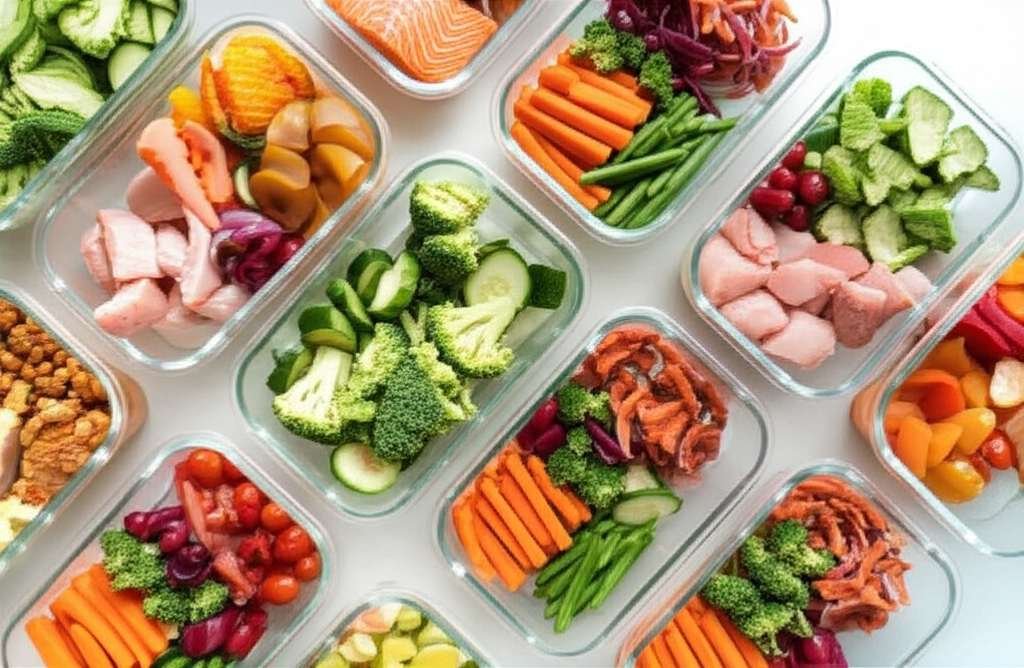
To lose weight with fatty liver, focus on a 30-day budget-friendly meal prep plan emphasizing whole foods, lean protein, healthy fats, and fiber. This approach helps manage liver health and promotes gradual, sustainable weight loss without breaking the bank.
Feeling confused about how to eat for fatty liver and lose weight, especially on a tight budget? You’re not alone! Many people find that managing their health and weight feels like a puzzle with missing pieces. It can be frustrating when advice seems complicated or expensive.
But what if I told you that taking control of your fatty liver and your weight could be simpler and more affordable than you think? This guide is designed to break it all down for you. We’ll walk through a 30-day plan that’s easy to follow, kind to your wallet, and effective for your health goals.
Get ready to discover how to prep delicious, liver-friendly meals that fit your budget and your busy life. We’ll cover everything from smart shopping to easy recipes, making this journey feel achievable and even exciting!
—
Why Meal Prep is Your Fatty Liver Weight Loss Superpower
Meal prepping might sound like a lot of work, but it’s actually a secret weapon for managing fatty liver and losing weight, especially when you’re on a budget. Think of it as giving yourself a head start each week. When you have healthy meals ready to go, you’re much less likely to grab something unhealthy or expensive when hunger strikes.
For those with fatty liver, what you eat directly impacts how your liver functions and its ability to recover. Weight loss is a key part of this. Meal prepping helps you control portion sizes and ensures you’re getting the right nutrients without overspending. It’s about making smart choices ahead of time so that healthy eating happens automatically.
This 30-day plan is built around simplicity and affordability. We’ll focus on whole, unprocessed foods that are great for your liver and your waistline. By preparing meals in advance, you save time, reduce stress, and stay on track with your weight loss goals.
—
Understanding Fatty Liver and Weight Loss
Fatty liver disease, also known as non-alcoholic fatty liver disease (NAFLD), is a condition where excess fat builds up in your liver. It’s often linked to being overweight or obese, insulin resistance, and unhealthy dietary habits. Losing weight is one of the most effective ways to reduce fat in the liver and improve liver health.
When you lose weight, you’re not just shedding pounds; you’re helping your liver heal. Studies have shown that even a modest weight loss of 5-10% of your body weight can significantly reduce liver fat and inflammation. This is why focusing on a healthy diet and weight management is so crucial for anyone with fatty liver.
The challenge for many beginners is knowing what to eat and how to make it affordable. This guide is here to simplify that process. We’ll focus on foods that are good for your liver and your overall health, and we’ll show you how to get them without spending a lot of money.
Key Principles for Fatty Liver Weight Loss Meal Prep
Before we dive into the 30-day plan, let’s cover the core ideas that will guide our meal prep. These principles are designed to be effective for weight loss, supportive of liver health, and budget-friendly.
Focus on Whole Foods: This means choosing foods that are as close to their natural state as possible. Think fruits, vegetables, lean proteins, and whole grains. These are packed with nutrients and fiber, which help you feel full and support your liver.
Limit Processed Foods and Sugars: Processed foods, sugary drinks, and refined carbohydrates can contribute to fat buildup in the liver and hinder weight loss. Cutting back on these is essential.
Include Lean Protein: Protein is key for feeling satisfied and preserving muscle mass during weight loss. Good sources include chicken breast, fish, beans, lentils, and tofu.
Embrace Healthy Fats: Not all fats are bad! Healthy fats from sources like avocados, nuts, seeds, and olive oil are important for your health and can help manage inflammation.
Prioritize Fiber: Fiber from vegetables, fruits, and whole grains aids digestion, helps control blood sugar, and keeps you feeling full, which is great for weight loss.
Hydration is Key: Drinking plenty of water is crucial for overall health and can help with weight management by keeping you hydrated and feeling full.
—
Your 30-Day Budget-Friendly Meal Prep Plan: Week by Week
This plan is designed to be flexible. Feel free to swap meals around or substitute ingredients based on what’s on sale or what you prefer. The goal is consistency and making healthy choices easy!
Week 1: Building the Foundation
This week is all about getting organized and establishing simple, healthy habits. We’ll focus on easy-to-prepare meals that use versatile ingredients.
Grocery Shopping List Essentials (Week 1):
Produce: Onions, garlic, carrots, broccoli, spinach, apples, bananas, sweet potatoes, mixed greens.
Proteins: Chicken breasts (family pack for cost savings), eggs, canned tuna (in water), dried lentils, canned chickpeas.
Grains/Carbs: Rolled oats, brown rice, whole wheat bread.
Healthy Fats: Olive oil, a small bag of almonds or walnuts.
Dairy/Alternatives: Plain Greek yogurt, unsweetened almond milk.
Meal Prep Ideas (Week 1):
Breakfasts (Prep Ahead): Overnight oats made with rolled oats, unsweetened almond milk, a few berries (frozen are budget-friendly), and a sprinkle of nuts.
Lunches (Prep Ahead):
Big batch of lentil soup using dried lentils, carrots, onions, garlic, and vegetable broth.
Tuna salad (made with Greek yogurt instead of mayo) on whole wheat bread with a side of mixed greens.
Dinners (Prep Components):
Roast a large batch of chicken breasts.
Cook a large pot of brown rice.
Steam or roast a big batch of broccoli.
Example Dinners: Chicken breast with brown rice and broccoli; Lentil soup; Tuna salad with greens.
Snacks: Apples with a small handful of almonds; Greek yogurt with a banana.
Budget Tip: Buy produce that’s in season or on sale. Frozen fruits and vegetables are just as nutritious and often cheaper than fresh.
Week 2: Expanding Your Repertoire
Now that you’ve got the hang of it, let’s add a few new recipes and maximize ingredient use. We’ll use some of the staples from week 1 and introduce a few more budget-friendly powerhouses.
Grocery Shopping List Essentials (Week 2):
Produce: Onions, garlic, bell peppers (any color), zucchini, tomatoes (canned diced are budget-friendly), oranges, berries (frozen).
Proteins: Chicken thighs (often cheaper than breasts), eggs, canned salmon, black beans (dried are cheapest), firm tofu.
Grains/Carbs: Quinoa, whole wheat pasta.
Healthy Fats: Olive oil, peanut butter (natural, no added sugar).
Dairy/Alternatives: Plain Greek yogurt.
Meal Prep Ideas (Week 2):
Breakfasts (Prep Ahead): Scrambled eggs (can be made ahead and reheated gently) with a side of sauteed spinach. Or continue with overnight oats.
Lunches (Prep Ahead):
Chicken and vegetable stir-fry using pre-cooked chicken, mixed veggies (like bell peppers, zucchini, broccoli), and a simple soy sauce/ginger/garlic sauce served with brown rice.
Black bean and corn salad (using canned corn and black beans, diced tomatoes, bell peppers, lime juice, and a little olive oil).
Dinners (Prep Components):
Bake a large batch of chicken thighs.
Cook a pot of quinoa.
Roast a mix of vegetables like bell peppers, zucchini, and onions.
Example Dinners: Baked chicken thighs with quinoa and roasted vegetables; Salmon with a large side salad; Tofu stir-fry.
Snacks: Oranges; Apple slices with peanut butter; Hard-boiled eggs.
Budget Tip:
Dried beans and lentils are incredibly cheap and a fantastic source of protein and fiber. Cook a large batch and use them in salads, soups, or as a side dish.
Week 3: Flavor and Variety Boost
This week, we’ll focus on adding more flavor and variety to keep things interesting, using simple spices and techniques. We’ll continue to build on our pantry staples.
Grocery Shopping List Essentials (Week 3):
Produce: Onions, garlic, sweet potatoes, kale, apples, pears, lemons.
Proteins: Ground turkey or lean ground beef, eggs, canned sardines, edamame (frozen).
Grains/Carbs: Brown rice, whole wheat bread or wraps.
Healthy Fats: Olive oil, avocado (if on sale), sunflower seeds.
Dairy/Alternatives: Plain Greek yogurt.
Pantry: Canned tomatoes, herbs and spices (cumin, paprika, oregano, chili powder).
Meal Prep Ideas (Week 3):
Breakfasts (Prep Ahead): Baked oatmeal cups made with oats, unsweetened almond milk, mashed banana, and cinnamon.
Lunches (Prep Ahead):
Turkey chili using ground turkey, canned tomatoes, beans (kidney or black), onions, and chili spices. Make a big pot!
Salmon salad (using canned sardines or salmon, Greek yogurt, lemon juice) served with whole wheat crackers or on a bed of kale.
Dinners (Prep Components):
Make a large batch of lean ground turkey or beef for use in various dishes.
Roast sweet potatoes.
Sauté kale with garlic.
Example Dinners: Ground turkey with roasted sweet potatoes and sautéed kale; Turkey chili; Baked chicken (from week 1 or 2, if any left) with a large salad.
Snacks: Pear slices with sunflower seeds; Greek yogurt with berries; Hard-boiled eggs.
Budget Tip: Ground meats can be more economical, especially when bought in larger packages. Stretch them further by adding beans or lentils to dishes like chili or pasta sauces.
Week 4: Consistency and Refinement
The final week is about solidifying your habits and refining what worked best for you. We’ll revisit successful recipes and ensure you feel confident moving forward.
Grocery Shopping List Essentials (Week 4):
Produce: Whatever was on sale and you enjoyed most: spinach, broccoli, carrots, onions, garlic, apples, bananas.
Proteins: Chicken breasts or thighs, eggs, canned beans (chickpeas, black beans), canned tuna.
Grains/Carbs: Rolled oats, brown rice.
Healthy Fats: Olive oil, nuts or seeds.
Dairy/Alternatives: Plain Greek yogurt.
Meal Prep Ideas (Week 4):
Breakfasts (Prep Ahead): Repeat your favorite from the past weeks – overnight oats or baked oatmeal cups are great for consistency.
Lunches (Prep Ahead):
Chicken salad (using pre-cooked chicken and Greek yogurt) with a side of mixed greens and chopped carrots.
Chickpea salad (mashed chickpeas with Greek yogurt, celery, onion, lemon juice) served in whole wheat wraps or on lettuce.
Dinners (Prep Components):
Prepare a large batch of grilled or baked chicken.
Cook brown rice.
Steam or roast your favorite budget-friendly vegetables.
Example Dinners: Chicken breast with brown rice and steamed vegetables; Lentil soup; Bean and veggie wraps.
Snacks: Banana with a small handful of nuts; Greek yogurt; Apple slices.
Budget Tip:
Use up any leftover ingredients from previous weeks to minimize waste and further reduce costs. This is also a great week to check your pantry for staples you might already have.
—
Smart Shopping Strategies for Budget Meal Prep
Eating healthy and losing weight doesn’t have to cost a fortune. Smart shopping is key to making your budget-friendly meal prep plan a success.
Plan Your Meals, Then Your List: Never go to the grocery store without a list based on your meal plan. This prevents impulse buys.
Buy in Bulk (Wisely): Non-perishable items like dried beans, lentils, oats, and brown rice are often cheaper when bought in larger quantities. Just make sure you have storage space.
Embrace Frozen and Canned: Frozen fruits and vegetables are picked at peak ripeness and flash-frozen, retaining most of their nutrients. Canned fish (in water), beans, and tomatoes are also excellent, affordable staples. Look for low-sodium options.
Choose Seasonal Produce: Fruits and vegetables are typically cheaper and taste better when they are in season.
Compare Prices: Look at the unit price (price per ounce or pound) to find the best value. Store brands are often just as good as name brands for staples.
Don’t Shop When Hungry: This is a recipe for overspending and unhealthy choices!
Utilize Your Freezer: Freeze extra portions of cooked meals, batch-cooked grains, or produce that’s about to go bad. This reduces waste and gives you quick meals later.
Cook from Scratch: Making your own meals is almost always cheaper than buying pre-made or eating out. Simple recipes with few ingredients are your best friends.
—
Essential Tools for Beginner Meal Preppers
You don’t need a fancy kitchen to meal prep! Here are some basic, affordable tools that will make the process much easier:
A Good Set of Food Storage Containers: Invest in a few different sizes. Glass or BPA-free plastic containers are great. Having enough containers is crucial for storing prepped meals.
Sharp Knives and Cutting Boards: Safe and efficient chopping makes a huge difference.
Measuring Cups and Spoons: Essential for following recipes and controlling portion sizes.
Large Pots and Pans: For cooking grains, soups, stews, and sautéing vegetables.
Baking Sheets: For roasting vegetables and proteins.
A Slow Cooker or Instant Pot (Optional but helpful): These can make cooking large batches of things like chili, stews, or shredded chicken incredibly easy with minimal hands-on time.
A Blender (Optional): Useful for making smoothies or soups.
—
Sample Meal Prep Day Schedule (Weekend Focus)
Dedicate a few hours on a weekend day (or whenever works best for you) to get your meal prep done. This can feel less overwhelming than trying to squeeze it in during busy weeknights.
Example: Saturday Afternoon (2-3 hours)
1. Morning (or Early Afternoon): Go grocery shopping with your pre-planned list.
2. 1:00 PM – 1:30 PM: Wash and chop all your vegetables for the week. Store them in airtight containers.
3. 1:30 PM – 2:30 PM: Cook your protein staples:
Roast a batch of chicken breasts or thighs.
Cook a pot of brown rice or quinoa.
Hard-boil a dozen eggs.
4. 2:30 PM – 3:00 PM: Prepare your breakfast components:
Assemble overnight oats for 3-4 days.
Bake oatmeal cups.
5. 3:00 PM – 3:30 PM: Make your lunch components:
Prepare a large batch of lentil soup or chili.
Make tuna or chickpea salad.
6. 3:30 PM – 4:00 PM: Assemble any full meals you want ready to go for the first few days (e.g., portion out lunches).
7. 4:00 PM onwards: Clean up your kitchen! Put away ingredients, wash dishes, and wipe down surfaces.
This structured approach helps ensure you have a good variety of healthy options ready for the week ahead.
—
Hydration and Fatty Liver Health
Don’t forget the importance of staying hydrated! Water is essential for nearly every bodily function, including digestion, nutrient transport, and detoxification. For those with fatty liver, adequate hydration can support overall health and weight management efforts.
Aim for 8 Glasses a Day: A general recommendation is around 8 cups (64 ounces) of fluid per day, but this can vary based on activity level and climate.
Water is Best: Plain water should be your primary beverage.
Herbal Teas: Unsweetened herbal teas can be a good alternative to water and can offer additional benefits.
Limit Sugary Drinks: Avoid sodas, sweetened juices, and sugary coffee drinks. These add empty calories and can contribute to fat buildup.
Hydrate Before Meals: Drinking a glass of water before eating can help you feel fuller, potentially leading to eating less.
According to the National Institute of Diabetes and Digestive and Kidney Diseases (NIDDK), maintaining a healthy lifestyle, which includes good hydration and a balanced diet, is key in managing fatty liver disease.
—
Frequently Asked Questions (FAQs)
Q1: Is it safe to lose weight with fatty liver disease?
Yes, gradual and sustainable weight loss is often recommended for managing fatty liver disease. Rapid weight loss can sometimes be harmful. Focus on a balanced diet and regular, moderate exercise. Always consult your doctor before starting any weight loss program.
Q2: What are the worst foods to eat for fatty liver?
Foods high in saturated and trans fats, added sugars, and refined carbohydrates are generally best avoided. This includes fried foods, sugary drinks, pastries, white bread, and fatty cuts of meat. These can contribute to fat buildup in the liver.
Q3: Can I eat fruit if I have fatty liver?
Yes, fruit is generally a healthy choice! Fruits are rich in fiber, vitamins, and antioxidants. The natural sugars in fruit are less concerning than added sugars found in processed foods. Enjoy whole fruits in moderation as part of a balanced diet.
Q4: How much protein do I need for fatty liver weight loss?
Protein is important for satiety and muscle maintenance during weight loss. Aim for lean protein sources at each meal. The exact amount varies, but a common guideline is around 0.8 to 1 gram of protein per kilogram of your target body weight. Your doctor or a registered dietitian can provide personalized recommendations.
Q5: I’m a student and on a very tight budget. How can I make this work?
Focus on the most affordable staples: dried beans and lentils, oats, brown rice, seasonal vegetables, eggs, and budget-friendly proteins like chicken thighs or ground turkey when on sale. Cooking in large batches and utilizing your freezer are your best friends. Check for student discounts at grocery stores or look for local community programs that might offer food support.
Q6: How long will it take to see results?
Results vary from person to person and depend on factors like your starting weight, metabolism, and adherence to the plan. However, with consistent meal prepping and healthy eating, many people begin to feel more energetic and notice positive changes within a few weeks. Significant weight loss and liver improvement typically take several months of consistent effort.
Q7: Do I need special ingredients for fatty liver diet?
No, you don’t need special or expensive ingredients. The focus is on whole, unprocessed foods like vegetables, fruits, lean proteins, and whole grains, which are widely available and can be affordable. This guide emphasizes using common, budget-friendly ingredients.
—
Making it Stick: Beyond the 30 Days
Congratulations on completing your 30-day budget-friendly meal prep journey for fatty liver weight loss! You’ve taken significant steps towards a healthier you. The skills and habits you’ve built are the foundation for long-term success.
Remember, this isn’t about perfection; it’s about progress. If you have an off day or a less-than-perfect meal, don’t get discouraged. Just get back on track with your next meal. Consistency is far more important than occasional slips.
Keep exploring new recipes that fit your budget and your taste. Listen to your body – notice how different foods make you feel. Continue to prioritize whole foods, lean proteins, healthy fats, and plenty of fiber. Hydration remains a key component of your healthy lifestyle.
Consider incorporating regular physical activity, as it complements diet for weight loss and liver health. Consult with your healthcare provider or a registered dietitian for ongoing support and personalized advice as you continue on your wellness journey. You’ve got this!
As an Amazon Associate, We earn from qualifying purchases. When you purchase a product through Amazon links on pulsefitguide.com, we may earn a small commission at no extra cost to you. This helps support the site and keep our content free.
