


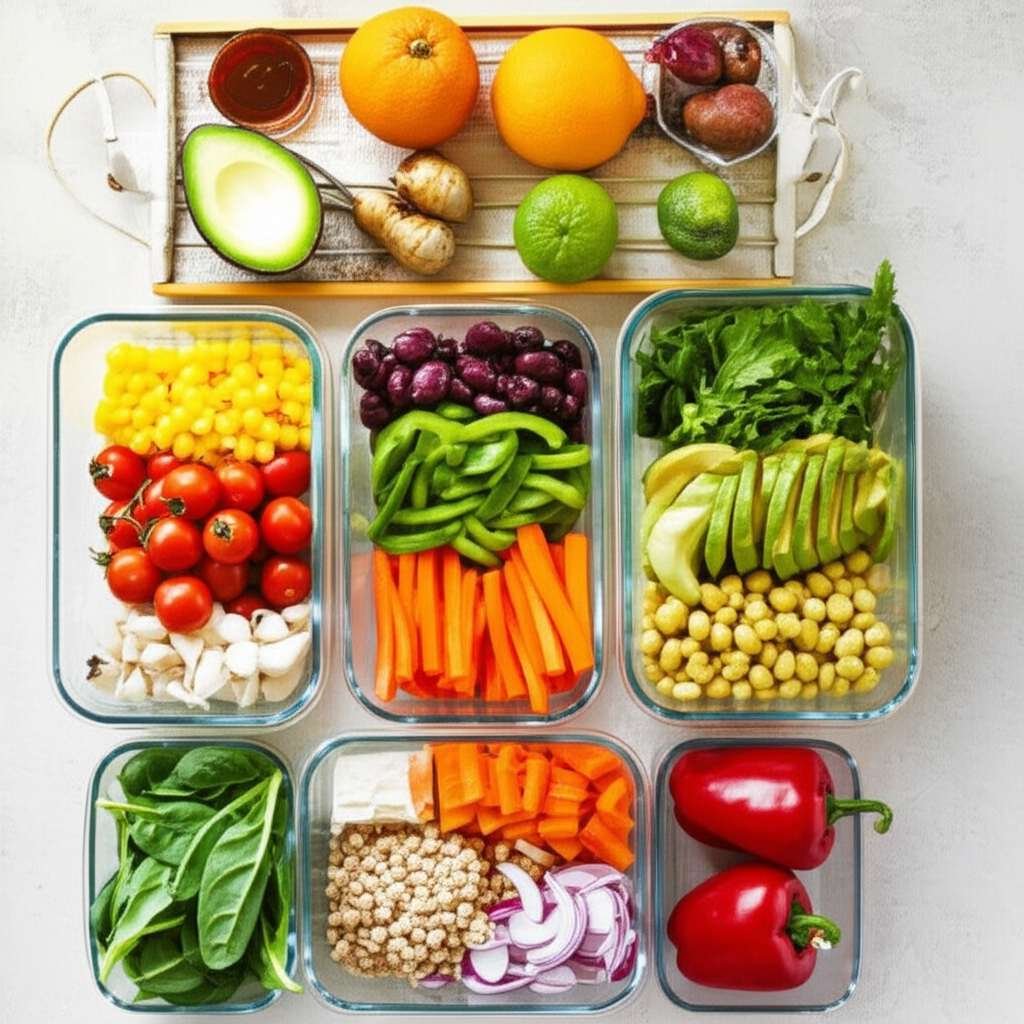
Ready for effortless fatty liver weight loss? This 30-day plant-based meal prep guide simplifies healthy eating. Focus on delicious, easy-to-prepare meals that support liver health and help you shed pounds, making your journey to a healthier you achievable and enjoyable.
Struggling with fatty liver disease and the frustration of weight loss? You’re not alone. Many find it confusing to know where to start, especially with busy lives and limited budgets. It can feel overwhelming to change your eating habits.
But what if I told you there’s a simple, step-by-step way to tackle this? This guide is designed to make healthy eating and weight loss feel easy and achievable, even if you’re completely new to it.
We’ll break down how a 30-day plant-based meal prep plan can be your secret weapon. Get ready to discover how delicious, convenient, and effective this approach can be!
Why Plant-Based Meal Prep is Your Fatty Liver Weight Loss Ally
Fatty liver disease often goes hand-in-hand with being overweight. Excess fat in your liver can lead to inflammation and damage over time. The good news? Lifestyle changes, especially diet, can make a huge difference.
A plant-based diet is rich in fiber, antioxidants, and healthy nutrients that can help reduce liver fat and inflammation. When you combine this with meal prepping, you remove common barriers like lack of time, stress, and unhealthy impulse food choices. It’s a powerful duo for your health!
Think of meal prepping as your personal chef for the week. It means you always have healthy, delicious food ready to go, making it much easier to stick to your goals. Let’s dive into how you can set yourself up for success.
The Power of Plants for Your Liver
Plant-based foods are packed with benefits that directly combat fatty liver. They’re naturally low in saturated fat and cholesterol, which are often culprits in liver fat buildup. Instead, they offer:
- Fiber: Helps manage blood sugar, improve digestion, and keep you feeling full, aiding weight loss.
- Antioxidants: Fight inflammation and protect your liver cells from damage.
- Vitamins & Minerals: Support overall bodily functions, including liver detoxification.
- Phytonutrients: Special plant compounds that have protective and healing properties.
Studies have shown that plant-based diets can significantly improve liver enzyme levels and reduce liver fat. The American Association for the Study of Liver Diseases acknowledges that dietary changes are fundamental in managing non-alcoholic fatty liver disease (NAFLD).
Meal Prep: Your Secret Weapon for Consistency
Let’s be honest: life gets busy. When you’re tired or stressed, reaching for convenience foods is tempting, but they often work against your health goals. Meal prepping changes this by:
- Saving Time: Spend a few hours once a week to have meals ready for days.
- Saving Money: Buying in bulk and planning meals reduces impulse buys and food waste.
- Reducing Stress: No more “what’s for dinner?” dilemmas.
- Ensuring Healthy Choices: You control the ingredients, making it easier to stick to your plant-based, liver-friendly plan.
- Portion Control: Pre-portioned meals help manage calorie intake, crucial for weight loss.
It’s about making healthy eating the easiest option, not the hardest.
Your 30-Day Plant-Based Meal Prep Plan: A Step-by-Step Guide
This plan is designed to be simple and flexible. We’ll cover what you need, how to plan, and some delicious meal ideas. The goal is to build sustainable habits, not to be perfect every single day.
Step 1: Gather Your Essential Meal Prep Tools
You don’t need fancy gadgets. These basic items will make your life much easier:
- A Good Set of Food Containers: Airtight, microwave-safe, and in various sizes. Glass containers are a great long-term investment.
- Sharp Knives and Cutting Boards: For efficient chopping.
- Measuring Cups and Spoons: For accurate recipes and portioning.
- Large Pots and Pans: For cooking grains, vegetables, and sauces in batches.
- A Slow Cooker or Instant Pot (Optional but helpful): For hands-off cooking of stews, soups, and grains.
- Reusable Water Bottle: Staying hydrated is key!
Step 2: Plan Your 30-Day Menu (The Smart Way!)
Don’t try to plan 30 days all at once! Start with a weekly plan and build from there. This makes it less daunting and allows for flexibility.
Focus on Core Components: Build your meals around these staples:
- Complex Carbohydrates: Brown rice, quinoa, oats, sweet potatoes, whole-wheat pasta.
- Lean Protein: Lentils, beans (black, kidney, chickpeas), tofu, tempeh, edamame.
- Healthy Fats: Avocado, nuts, seeds (chia, flax, sunflower), olive oil.
- Plenty of Vegetables: Leafy greens (spinach, kale), broccoli, carrots, bell peppers, onions, tomatoes, zucchini, cauliflower.
- Fruits: Berries, apples, bananas, oranges.
Weekly Structure Example:
Aim for variety and ease. Here’s a sample structure for one week, which you can repeat and adapt:
| Meal Type | Monday | Tuesday | Wednesday | Thursday | Friday | Saturday | Sunday |
|---|---|---|---|---|---|---|---|
| Breakfast | Overnight Oats with Berries | Smoothie (Spinach, Banana, Plant Milk, Chia Seeds) | Tofu Scramble with Veggies | Whole-wheat Toast with Avocado & Everything Bagel Seasoning | Overnight Oats with Berries | Smoothie | Tofu Scramble with Veggies |
| Lunch | Lentil Soup with Whole-grain Bread | Quinoa Salad with Black Beans & Corn | Leftover Lentil Soup | Buddha Bowl (Quinoa, Roasted Veggies, Tahini Dressing) | Quinoa Salad | Leftover Buddha Bowl | Large Green Salad with Chickpeas & Vinaigrette |
| Dinner | Sheet Pan Roasted Vegetables with Tofu/Tempeh | Chickpea Curry with Brown Rice | Vegetable Stir-fry with Edamame & Brown Rice | Lentil Shepherd’s Pie (Sweet Potato Topping) | Sheet Pan Roasted Vegetables | Chickpea Curry | Leftover Stir-fry |
| Snacks | Apple Slices with Almond Butter | Handful of Nuts | Carrot Sticks with Hummus | Berries | Apple Slices with Almond Butter | Handful of Nuts | Carrot Sticks with Hummus |
Tips for Planning:
- Theme Your Days: e.g., “Meatless Monday,” “Taco Tuesday” (plant-based, of course!).
- Cook Once, Eat Twice (or Thrice): Make large batches of grains, roasted vegetables, soups, and curries.
- Repurpose Ingredients: Roast a big batch of vegetables on Sunday to use in salads, bowls, and stir-fries throughout the week.
- Keep it Simple: Especially when starting, don’t aim for gourmet meals every day. Focus on balanced, satisfying dishes.
- Hydration is Key: Aim for at least 8 glasses of water a day. Herbal teas also count!
Step 3: Shop Smart for Your Ingredients
A grocery list is your best friend. Stick to the perimeter of the store where fresh produce, grains, and legumes are usually found.
Staples to Buy:
- Produce: Whatever is in season and on sale! Aim for a rainbow of colors.
- Grains: Brown rice, quinoa, oats, whole-wheat pasta.
- Legumes: Canned or dried beans (black, kidney, chickpeas), lentils.
- Proteins: Tofu, tempeh, edamame.
- Healthy Fats: Nuts (almonds, walnuts), seeds (chia, flax, sunflower), avocados, olive oil.
- Plant Milks: Unsweetened almond, soy, or oat milk.
- Herbs & Spices: To add flavor without salt or excess fat.
Don’t forget: Frozen fruits and vegetables are just as nutritious as fresh and can be more budget-friendly and last longer!
Step 4: Batch Cooking & Prepping
This is where the magic happens! Dedicate 2-3 hours on a weekend day or a free evening to prep. Wash and chop vegetables, cook grains, and prepare protein sources.
Prep Station Ideas:
- Cook Grains: Make a big batch of quinoa and brown rice.
- Roast Vegetables: Chop broccoli, sweet potatoes, bell peppers, onions, and toss with olive oil and herbs. Roast until tender.
- Prepare Proteins: Bake or pan-fry tofu/tempeh, or cook a large batch of lentils or beans.
- Wash & Chop Produce: Wash leafy greens and chop veggies for salads and snacks.
- Make Dressings/Sauces: A simple vinaigrette or tahini dressing can elevate meals.
- Portion Meals: Divide your prepped components into your containers for easy grab-and-go meals.
Example Prep Day Tasks:
- Cook 2 cups of brown rice.
- Cook 1 cup of quinoa.
- Roast a large tray of mixed vegetables (broccoli, sweet potato, bell peppers).
- Bake a block of firm tofu until golden.
- Wash and chop salad greens and other raw veggies.
- Make a batch of lentil soup.
- Portion out snacks like nuts or chopped fruit.
Step 5: Assemble and Store Your Meals
Now, put it all together! Layer your containers for easy assembly throughout the week.
Container Tips:
- Grain Base: Add a portion of rice or quinoa to the bottom.
- Protein: Top with tofu, beans, or lentils.
- Vegetables: Add your prepped roasted veggies or fresh greens.
- Sauce/Dressing: Keep sauces separate until ready to eat to prevent sogginess, or add a small amount to the bottom.
Storage: Store all prepped food in airtight containers in the refrigerator. Most prepped meals will last 3-4 days. For longer storage, freeze portions of soups, stews, or cooked grains.
Delicious & Easy Plant-Based Meal Ideas for Fatty Liver Health
Here are some simple, nutrient-dense recipes that are perfect for your meal prep journey. These are designed to be flavorful and support your liver health.
Breakfast Boosters
- Overnight Oats: Combine 1/2 cup rolled oats, 1 cup unsweetened plant milk, 1 tbsp chia seeds, and a dash of cinnamon in a jar. Refrigerate overnight. Top with berries or sliced banana in the morning.
- Tofu Scramble: Crumble firm tofu and sauté with turmeric (for color), nutritional yeast (for cheesy flavor), black salt (for eggy flavor, optional), onions, garlic, and your favorite veggies like spinach and bell peppers. Serve with a side of whole-wheat toast.
- Green Power Smoothie: Blend 1 cup spinach, 1 banana, 1/2 cup frozen mango, 1 tbsp flax seeds, and 1.5 cups unsweetened plant milk. Quick, easy, and packed with nutrients.
Lunch & Dinner Powerhouses
- Hearty Lentil Soup: Sauté onions, carrots, and celery. Add 1 cup brown or green lentils, 4-6 cups vegetable broth, diced tomatoes, and herbs (thyme, bay leaf). Simmer until lentils are tender. This freezes beautifully!
- Buddha Bowls: The ultimate customizable meal! Start with a base of quinoa or brown rice. Top with roasted sweet potatoes, steamed broccoli, black beans, shredded carrots, and a drizzle of tahini dressing (tahini, lemon juice, water, garlic).
- Chickpea & Vegetable Curry: Sauté onions and garlic. Add curry powder, turmeric, ginger. Stir in a can of chickpeas, a can of diced tomatoes, and coconut milk. Add chopped vegetables like cauliflower, peas, and spinach. Serve with brown rice.
- Sheet Pan Roasted Veggies with Tofu/Tempeh: Toss chopped broccoli, bell peppers, red onion, and zucchini with olive oil, garlic powder, and Italian herbs. Spread on a baking sheet with cubed tofu or tempeh. Roast at 400°F (200°C) for 20-25 minutes, flipping halfway.
- Mediterranean Quinoa Salad: Combine cooked quinoa with chopped cucumber, tomatoes, bell peppers, Kalamata olives, and chickpeas. Toss with a lemon-herb vinaigrette.
Smart Snacks
Snacks are important to keep your energy up and prevent overeating at meals. Choose options that provide nutrients and keep you satisfied.
- Apple slices with almond or peanut butter.
- A handful of mixed nuts (walnuts, almonds, pecans).
- Carrot and cucumber sticks with hummus.
- A small bowl of berries.
- Edamame (steamed or roasted).
Key Nutrients for Liver Health and Weight Loss
Focusing on specific nutrients can amplify the benefits of your plant-based meal prep.
- Fiber: Found in fruits, vegetables, whole grains, and legumes. It aids digestion, promotes satiety, and helps regulate blood sugar, all crucial for weight loss and liver health.
- Antioxidants: Abundant in colorful fruits and vegetables (berries, leafy greens, bell peppers). They combat oxidative stress and inflammation in the liver.
- Healthy Fats: Avocados, nuts, seeds, and olive oil provide monounsaturated and polyunsaturated fats that are beneficial for heart and liver health. They also help you feel full.
- Plant-based Proteins: Lentils, beans, tofu, and tempeh are essential for muscle maintenance, which supports metabolism. They also contribute to satiety.
- Choline: Found in tofu, soybeans, and cruciferous vegetables. Choline is vital for liver function and fat metabolism.
The National Institute of Diabetes and Digestive and Kidney Diseases emphasizes that a balanced diet is a cornerstone of managing fatty liver disease.
Making it Sustainable: Tips for Long-Term Success
A 30-day plan is a fantastic start, but the real win is making these habits stick. Here’s how to keep the momentum going:
- Listen to Your Body: Pay attention to how different foods make you feel. Adjust your meals based on your energy levels and digestion.
- Don’t Aim for Perfection: If you slip up, don’t beat yourself up. Just get back on track with your next meal. Progress, not perfection, is the goal.
- Find Your “Why”: Remind yourself why you’re doing this – for better health, more energy, and a healthier liver.
- Involve Friends or Family: If possible, share your meal prep journey with a friend or family member. Support makes a big difference.
- Experiment with New Recipes: Keep things exciting by trying one new plant-based recipe each week.
- Celebrate Small Wins: Acknowledge your successes, whether it’s sticking to your meal prep for a week or noticing increased energy.
Frequently Asked Questions About Plant-Based Meal Prep for Fatty Liver
Q1: How quickly can I expect to see results with a plant-based diet for fatty liver?
Results vary, but many people start noticing improvements in energy levels and digestion within a few weeks. Significant changes in liver enzymes or fat reduction typically take a few months of consistent effort. Patience and consistency are key.
Q2: Is it expensive to eat plant-based?
Not at all! Staples like beans, lentils, rice, oats, and seasonal vegetables are some of the most affordable foods available. Buying in bulk and planning meals helps reduce waste and save money.
Q3: What if I don’t have much time to cook?
Meal prepping is designed to save you time in the long run. Dedicating a few hours once a week to cook in batches means you’ll spend less time preparing meals on busy weeknights. Simple recipes are also your friend!
Q4: Can I still eat out or have treats?
Absolutely! The goal is balance. Aim for plant-based meals most of the time, and when you do eat out or have a treat, enjoy it mindfully. It’s about your overall eating pattern, not about being perfect all the time.
Q5: What are the best plant-based protein sources for fatty liver?
Excellent sources include lentils, all types of beans (black, kidney, pinto, chickpeas), tofu, tempeh, and edamame. These are all nutrient-dense and support overall health.
Q6: I’m worried about getting enough nutrients. Are there any specific nutrients I should focus on?
Focus on whole, unprocessed plant foods. Ensure you’re getting enough fiber (fruits, veggies, whole grains, legumes), healthy fats (avocado, nuts, seeds), and B vitamins (fortified foods, nutritional yeast). Vitamin B12 is crucial and typically needs to be supplemented on a strict plant-based diet. Consult with a healthcare provider for personalized advice.
Conclusion: Your Journey to a Healthier Liver Starts Now
Embarking on a 30-day plant-based meal prep journey is a powerful step towards managing fatty liver disease and achieving your weight loss goals. By simplifying your food choices, you empower yourself to make healthier decisions consistently.
Remember, this is about progress, not perfection. Each healthy meal you prepare and enjoy is a victory. You have the tools and the knowledge to create delicious, liver-loving meals that fit into your life. Start with one meal at a time, one day at a time.
This plan is your foundation for building sustainable, healthy habits that will benefit your liver and your overall well-being for years to come. You’ve got this!
As an Amazon Associate, We earn from qualifying purchases. When you purchase a product through Amazon links on pulsefitguide.com, we may earn a small commission at no extra cost to you. This helps support the site and keep our content free.
