


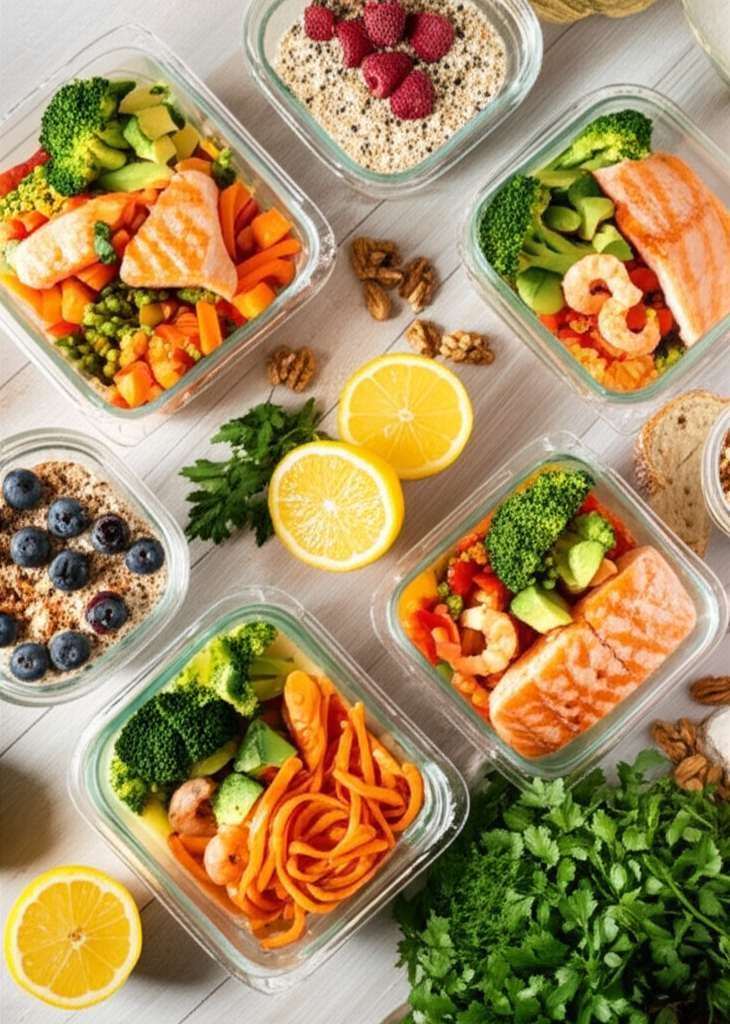
Yes, a 30-day pescatarian meal prep plan can be a highly effective, beginner-friendly strategy for fatty liver weight loss by focusing on nutrient-dense, anti-inflammatory foods like fish, vegetables, and healthy fats, while simplifying healthy eating.
Feeling overwhelmed by the idea of losing weight, especially when dealing with a fatty liver? You’re not alone! Many people find weight loss confusing, but it doesn’t have to be. It’s all about making smart choices that support your body.
This guide is designed to make things simple. We’ll break down how a pescatarian diet, combined with meal prepping, can be your secret weapon for both weight loss and improving liver health. Think of it as your friendly coach showing you the easiest path to success.
Get ready to discover a delicious, manageable, and effective way to eat for a healthier you. We’ll walk through exactly how to get started with a 30-day plan that fits your life.
What is a Pescatarian Diet and Why is it Great for Fatty Liver?
A pescatarian diet is essentially a vegetarian diet that includes fish and seafood. This means you’ll eat plenty of fruits, vegetables, grains, legumes, nuts, and seeds, but you’ll also incorporate fish like salmon, tuna, mackerel, and shrimp into your meals. It’s a flexible way to eat that offers many health benefits.
This diet is particularly beneficial for fatty liver disease because it emphasizes foods that are known to reduce inflammation and improve insulin sensitivity. Fish, especially fatty fish, are rich in omega-3 fatty acids. These healthy fats are powerful allies in reducing liver fat and improving overall liver function. Plus, the focus on plant-based foods provides essential fiber and antioxidants.
It’s a balanced approach that helps manage weight, a key factor in reversing fatty liver. By choosing whole, unprocessed pescatarian foods, you’re naturally cutting down on unhealthy fats and sugars that can contribute to liver problems.
Understanding Fatty Liver Disease and Weight Loss
Fatty liver disease, also known as hepatic steatosis, occurs when there’s too much fat accumulated in the liver. This can happen for various reasons, but a significant contributing factor for many is excess weight, particularly abdominal fat. When your body has more energy than it needs, it stores it as fat, and the liver can become a storage site.
Losing weight is often the most effective way to reduce liver fat and improve liver health. When you lose weight, your body starts to burn stored fat for energy, including the fat in your liver. This can help to reverse the condition and prevent it from progressing to more serious liver damage.
The challenge for many is knowing how to lose weight in a healthy and sustainable way. Crash diets or restrictive eating plans can be hard to stick to and may not provide the nutrients your body needs. That’s where a well-planned diet like the pescatarian approach comes in, making it easier to achieve your weight loss goals while supporting your liver.
Why Meal Prep is Your Best Friend for Fatty Liver Weight Loss
Meal prepping means planning and preparing your meals and snacks in advance, usually for a week at a time. For anyone looking to lose weight and manage a fatty liver, this is a game-changer. It takes the guesswork out of eating healthy, especially when life gets busy.
When you have pre-portioned, healthy meals ready to go, you’re far less likely to reach for unhealthy convenience foods or skip meals altogether. This consistency is crucial for managing blood sugar levels and controlling calorie intake, both of which are important for weight loss and liver health.
Meal prepping also helps you control ingredients. You know exactly what’s in your food – no hidden sugars, unhealthy fats, or excessive sodium. This conscious control over your diet is incredibly empowering when you’re working towards specific health goals.
Your 30-Day Pescatarian Meal Prep Plan: A Step-by-Step Guide
This plan is designed to be simple, delicious, and effective. We’ll focus on whole foods, lean protein from fish, and plenty of colorful fruits and vegetables. Remember, consistency is key, and this plan is a template to help you build healthy habits.
Step 1: Get Your Kitchen Ready
Before you start cooking, make sure you have the right tools. This makes the whole process smoother and more enjoyable. You don’t need a lot of fancy gadgets, just the basics.
- Storage Containers: Invest in good quality, airtight containers. Glass or BPA-free plastic ones are great for storing prepped meals.
- Cutting Boards and Knives: Sharp knives and sturdy cutting boards make chopping vegetables a breeze.
- Measuring Cups and Spoons: For accurate portioning, especially when you’re starting out.
- Basic Cookware: A good set of pots, pans, and baking sheets will cover most of your needs.
- Blender (Optional but helpful): For smoothies or pureed soups.
Step 2: Stock Your Pantry and Fridge
Having the right ingredients on hand is essential. Focus on fresh produce, lean protein, and healthy fats. Here’s a sample shopping list to get you started:
Proteins:
- Salmon fillets
- Tuna (canned in water or fresh steaks)
- Shrimp
- Cod or other white fish
- Eggs
- Lentils and beans (canned or dry)
- Tofu or tempeh (for vegetarian days)
Vegetables:
- Broccoli, cauliflower, Brussels sprouts
- Spinach, kale, romaine lettuce
- Bell peppers (various colors)
- Onions, garlic
- Sweet potatoes, carrots
- Tomatoes, cucumbers
- Zucchini, asparagus
Fruits:
- Berries (blueberries, strawberries, raspberries)
- Apples, bananas, oranges
- Avocado
Grains and Healthy Carbs:
- Quinoa
- Brown rice
- Oats
- Whole-wheat pasta (optional, in moderation)
Healthy Fats and Seasonings:
- Olive oil
- Nuts (almonds, walnuts) and seeds (chia, flax, sunflower)
- Herbs and spices (fresh and dried)
- Lemon juice, vinegar
- Low-sodium soy sauce or tamari
Step 3: Plan Your Weekly Meals
This is where you decide what you’ll eat for the week. Aim for variety and balance. Try to include a lean protein source, plenty of vegetables, and a healthy carb or fat in each meal. Here’s a sample structure:
Breakfasts: Focus on protein and fiber to keep you full.
Lunches: Often leftovers from dinner or a large salad/bowl.
Dinners: The main meal, featuring fish or plant-based protein with vegetables and a carb.
Snacks: Keep them simple and healthy to manage hunger between meals.
Step 4: Dedicate a Prep Day
Choose a day, usually the weekend, to do your cooking and prepping. This might take 2-3 hours, but it will save you so much time and stress during the week.
Here’s a typical prep day routine:
- Wash and chop vegetables: Store them in airtight containers.
- Cook grains: Make a big batch of quinoa or brown rice.
- Roast or grill proteins: Cook fish fillets, shrimp, or chicken (if you include some) for easy addition to meals. Bake tofu or tempeh if using.
- Hard-boil eggs: A great snack or salad topper.
- Prepare sauces and dressings: Make a simple vinaigrette or lemon-herb dressing.
- Portion out snacks: Divide nuts, seeds, or fruit into grab-and-go portions.
- Assemble some meals: You can even put together salads or grain bowls for the first few days.
Step 5: Execute Your 30-Day Plan
Now it’s time to put it all into action! Follow your planned meals and snacks. Don’t stress if you deviate slightly; the goal is progress, not perfection.
Week 1 Focus: Building the Habit
Start with simple recipes. Focus on getting comfortable with the prep routine and identifying what you enjoy. Don’t aim for drastic changes, just consistent healthy eating.
Week 2 Focus: Variety and Flavor
Introduce new vegetables or fish types. Experiment with different seasonings and herbs to keep meals exciting. Try a new pescatarian recipe.
Week 3 Focus: Refining Portions and Listening to Your Body
Pay attention to how different foods make you feel. Adjust portion sizes based on your hunger and energy levels. You might find you need slightly larger or smaller meals.
Week 4 Focus: Sustainability and Long-Term Habits
Reflect on what worked best for you. Start thinking about how you can continue this way of eating beyond the 30 days. This is about building a lifestyle, not just a temporary diet.
Sample 30-Day Pescatarian Meal Prep Menu Ideas
Here are some ideas to fill your meal prep containers. Mix and match these throughout the month!
Breakfast Ideas
- Overnight Oats: Oats soaked in almond milk with chia seeds, berries, and a sprinkle of nuts.
- Scrambled Eggs with Spinach and Smoked Salmon: Quick to make, packed with protein and omega-3s.
- Berry Smoothie: Spinach, berries, a scoop of protein powder (optional), almond milk, and flax seeds.
- Greek Yogurt with Fruit and Nuts: High protein and satisfying.
Lunch Ideas
- Tuna Salad Lettuce Wraps: Tuna mixed with Greek yogurt or avocado, celery, and herbs, served in large lettuce cups.
- Salmon and Quinoa Bowl: Flaked cooked salmon, pre-cooked quinoa, roasted broccoli, and a lemon-dill dressing.
- Shrimp and Veggie Skewers: Grilled or baked shrimp with colorful bell peppers, onions, and zucchini. Serve with a side of brown rice.
- Lentil Soup: Hearty and filling, made with vegetables and herbs. Great to make a big batch.
- Large Salad with Grilled Fish: Mixed greens, cucumber, tomatoes, bell peppers, a hard-boiled egg, and a piece of grilled cod or salmon.
Dinner Ideas
- Baked Salmon with Roasted Asparagus and Sweet Potato: A classic for a reason – simple, healthy, and delicious.
- Sheet Pan Shrimp Fajitas: Shrimp, bell peppers, and onions seasoned with fajita spices, roasted on a sheet pan. Serve with lettuce wraps or a small portion of brown rice.
- Tuna Steaks with Steamed Green Beans and Quinoa: Pan-seared tuna steaks with a simple seasoning.
- Cod with Lemon and Herbs, served with Steamed Broccoli and Brown Rice: A light and flavorful option.
- Vegetarian Chili: Packed with beans, tomatoes, and vegetables. A great meat-free option.
Snack Ideas
- A small handful of almonds or walnuts
- Apple slices with a tablespoon of almond butter
- Carrot sticks with hummus
- A hard-boiled egg
- A small bowl of berries
- Edamame (steamed)
Nutritional Benefits of a Pescatarian Diet for Fatty Liver
The pescatarian diet is a nutritional powerhouse, especially when you’re focusing on fatty liver weight loss. It’s not just about what you don’t eat, but what you do eat and the incredible benefits those foods offer.
Omega-3 Fatty Acids: This is where fatty fish truly shine. Salmon, mackerel, sardines, and anchovies are packed with EPA and DHA. These powerful anti-inflammatory fats can help reduce liver fat, improve cholesterol levels, and decrease triglycerides, all of which are critical for managing non-alcoholic fatty liver disease (NAFLD). The National Institutes of Health (NIH) has extensive research highlighting the benefits of omega-3s for cardiovascular and metabolic health, which are closely linked to liver health.
High Fiber Content: Fruits, vegetables, whole grains, and legumes are staples of a pescatarian diet. Fiber is crucial for weight management because it helps you feel full longer, reducing overall calorie intake. It also plays a role in regulating blood sugar levels and can improve insulin sensitivity, which is often impaired in individuals with fatty liver disease. High-fiber foods can help remove cholesterol from the body, further supporting heart and liver health.
Lean Protein: Fish and seafood provide high-quality, lean protein that is essential for building and repairing tissues, and it also helps with satiety. Compared to red meat, fish is generally lower in saturated fat, making it a heart-healthier choice. Plant-based protein sources like beans and lentils also contribute to a balanced protein intake.
Vitamins and Minerals: This diet is rich in essential vitamins and minerals. Fatty fish are excellent sources of Vitamin D and B vitamins. Fruits and vegetables provide Vitamin C, Vitamin A, potassium, and magnesium, all of which support overall bodily functions and immune health. Antioxidants found in colorful produce help combat oxidative stress, which can be a factor in liver damage.
Reduced Intake of Unhealthy Fats and Processed Foods: By focusing on whole foods and limiting red meat and processed options, you naturally cut down on saturated and trans fats, as well as added sugars and refined carbohydrates. These are the types of foods that can contribute to weight gain and worsen fatty liver disease.
Tips for Success on Your 30-Day Journey
Starting a new eating plan can feel daunting, but with a few smart strategies, you can make your 30-day pescatarian meal prep journey smooth and successful.
- Start Small: Don’t try to prep every single meal for all seven days right away. Begin by prepping lunches for the week or dinners for a few days. As you get more comfortable, you can increase the amount.
- Keep it Simple: Choose recipes with fewer ingredients and straightforward instructions, especially in the beginning. You can explore more complex dishes later.
- Invest in Good Containers: Having the right tools makes a huge difference. Durable, leak-proof containers will make transporting your meals easy and prevent spills.
- Batch Cook Components: Instead of cooking full meals, sometimes it’s easier to cook components like grains, roasted vegetables, and a batch of grilled fish. Then, you can mix and match them into different meals throughout the week.
- Don’t Fear Frozen: Frozen fruits and vegetables are just as nutritious as fresh ones and are often more affordable. They are perfect for smoothies, stir-fries, and steaming.
- Stay Hydrated: Drink plenty of water throughout the day. Sometimes thirst can be mistaken for hunger.
- Listen to Your Body: Pay attention to how you feel. If a certain food doesn’t agree with you, or if you’re consistently too hungry or too full, make adjustments. This plan is a guide, not a rigid rulebook.
- Plan for Occasions: If you know you have a social event or a busy day, plan ahead. You might need to prep an extra meal, pack a healthy snack, or choose a healthier option when eating out.
- Track Your Progress (Optional): Some people find it motivating to track their food intake, weight, or how their clothes fit. You can use a simple notebook or a health app.
- Be Kind to Yourself: There will be days when things don’t go perfectly. Don’t let a slip-up derail your entire plan. Just get back on track with your next meal. Progress over perfection!
Frequently Asked Questions (FAQ)
Here are some common questions beginner meal preppers and those looking into a pescatarian diet for fatty liver might have.
Q1: Is a pescatarian diet suitable for someone with fatty liver disease?
Yes, a pescatarian diet is often recommended for individuals with fatty liver disease. It emphasizes lean protein from fish, which is rich in omega-3 fatty acids that can help reduce liver inflammation and fat. The diet also focuses on fruits, vegetables, and whole grains, which are high in fiber and antioxidants, supporting overall liver health and weight management.
Q2: How much weight should I aim to lose in 30 days?
A healthy and sustainable weight loss goal is typically 1-2 pounds per week. For a 30-day period, this would mean aiming to lose around 4-8 pounds. Rapid weight loss can sometimes be detrimental to liver health, so focus on gradual, consistent progress. Always consult with your doctor before starting any weight loss program.
Q3: What are the best types of fish to eat for fatty liver?
Fatty fish are the best choice due to their high omega-3 content. Excellent options include salmon, mackerel, sardines, anchovies, and herring. Leaner white fish like cod, tilapia, and flounder are also good sources of protein and can be part of a healthy diet, but they contain fewer omega-3s.
Q4: Do I need to completely cut out all carbohydrates?
No, you don’t need to cut out all carbohydrates. The key is to choose complex carbohydrates, which are found in whole grains (like quinoa, brown rice, oats), legumes, fruits, and vegetables. These provide fiber and nutrients and are digested slowly, helping to stabilize blood sugar. You’ll want to limit refined carbohydrates like white bread, pasta, sugary drinks, and pastries, which can contribute to weight gain and negatively impact liver health.
Q5: What if I don’t like fish?
If you dislike fish, a pescatarian diet might be challenging. However, you can still benefit from the plant-based aspects. You could focus on other seafood like shrimp, scallops, or mussels if those are more palatable. For omega-3s, you can rely on plant sources like flaxseeds, chia seeds, walnuts, and hemp seeds, though the body converts these plant-based omega-3s (ALA) less efficiently than the omega-3s (EPA & DHA) found in fish. In such cases, it’s crucial to discuss dietary strategies with your healthcare provider or a registered dietitian.
Q6: How long should I continue meal prepping?
Meal prepping is a strategy, not a strict diet rule. Many people find it beneficial to continue meal prepping long-term because it simplifies healthy eating and helps them stay on track with their goals. You can adapt your meal prep routine to fit your changing needs and preferences. Even prepping just a few meals or components each week can make a significant difference.
Q7: Can I eat out at restaurants while following this plan?
Yes, you can! When eating out, look for grilled or baked fish dishes, ask for vegetables as a side, and opt for sauces or dressings on the side. Be mindful of portion sizes and try to avoid fried options or creamy, heavy sauces. Many restaurants now offer healthier choices, and a pescatarian diet is quite adaptable to dining out.
Conclusion
Embarking on a 30-day pescatarian meal prep journey for fatty liver weight loss is a powerful step towards a healthier you. By focusing on nutrient-rich fish, abundant vegetables, and whole grains, you’re not just managing your weight; you’re actively supporting your liver’s recovery and overall well-being. This plan is designed to be accessible and manageable, proving that healthy eating can be delicious and sustainable.
Remember, consistency and patience are your allies. This 30-day plan is a fantastic starting point, a way to build confidence and establish healthy habits that can last a lifetime. Don’t aim for perfection, aim for progress. Each healthy meal you prepare and enjoy is a victory. You’ve got this!
As an Amazon Associate, We earn from qualifying purchases. When you purchase a product through Amazon links on pulsefitguide.com, we may earn a small commission at no extra cost to you. This helps support the site and keep our content free.
