


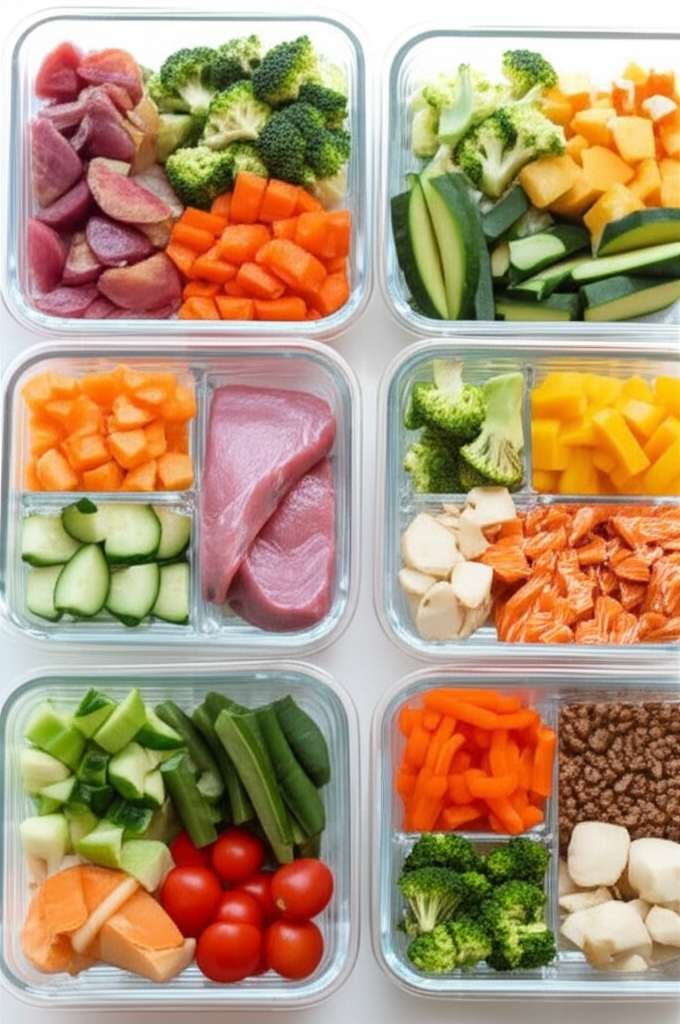
Embark on a 30-day sugar-free meal prep journey to effectively manage fatty liver and kickstart weight loss. This beginner-friendly guide offers practical, affordable, and science-backed strategies to help you achieve your health goals with clear, step-by-step instructions and a supportive, motivating approach.
Feeling overwhelmed by fatty liver disease and the struggle to lose weight? You’re not alone. Many people find it confusing to know where to start, especially when trying to change their eating habits.
It can feel like a puzzle with too many pieces, leaving you feeling stuck. But what if I told you there’s a clear, simple path forward? This guide is designed to break down the process into easy-to-follow steps.
We’ll focus on a 30-day sugar-free meal prep plan specifically designed to support fatty liver health and promote weight loss. Get ready to feel empowered and in control of your health journey!
Why Sugar-Free Meal Prep is Key for Fatty Liver and Weight Loss
Sugar, especially added sugars, is a major player in the development and worsening of fatty liver disease. When we consume too much sugar, our liver can’t process it all, and it gets converted into fat. Over time, this fat buildup can lead to serious health issues.
Weight loss is also intrinsically linked to reducing sugar intake. Sugar provides “empty calories” – calories without significant nutritional value. Cutting back helps reduce overall calorie intake, making weight loss more achievable. It also helps improve insulin sensitivity, which is crucial for both managing fatty liver and losing weight.
Meal prepping takes this a step further by making it easy to stick to your goals. When healthy, sugar-free meals are ready to go, you’re less likely to reach for processed snacks or sugary drinks when hunger strikes.
Understanding Fatty Liver Disease
Fatty liver disease, also known as hepatic steatosis, is a condition characterized by the buildup of excess fat in the liver. There are two main types: alcoholic fatty liver disease, caused by heavy alcohol use, and non-alcoholic fatty liver disease (NAFLD), which is more common and not related to alcohol consumption.
NAFLD is often associated with other health conditions like obesity, type 2 diabetes, high cholesterol, and metabolic syndrome. While it can sometimes be a silent condition with no symptoms, in more severe cases, it can lead to inflammation, liver damage, and even cirrhosis.
The good news is that lifestyle changes, particularly diet and exercise, can significantly improve or even reverse NAFLD. Focusing on a diet low in added sugars and processed foods is a cornerstone of this approach.
The Power of a 30-Day Sugar-Free Meal Prep Challenge
A 30-day challenge provides a structured timeframe to build new habits and see tangible results. By committing to a sugar-free meal prep plan for a month, you’re giving yourself a focused opportunity to:
- Understand which foods contain hidden sugars.
- Develop delicious and satisfying sugar-free recipes.
- Create a routine that supports consistent healthy eating.
- Observe potential improvements in energy levels and well-being.
- Build confidence in your ability to manage your diet for fatty liver and weight loss.
This isn’t about deprivation; it’s about making informed choices and discovering a new way of eating that nourishes your body and helps it heal. Let’s dive into how to make this happen!
Step 1: Educate Yourself on Hidden Sugars
Sugar is sneaky! It hides in many foods you might not expect. Before you start prepping, it’s crucial to know what to look out for.
Common culprits include:
- Sugary Drinks: Soda, fruit juices, sweetened teas and coffees, energy drinks.
- Baked Goods: Cakes, cookies, pastries, doughnuts.
- Candy and Desserts: Obvious sources, but still worth mentioning!
- Breakfast Cereals: Many are loaded with added sugar.
- Condiments: Ketchup, barbecue sauce, some salad dressings, and marinades.
- Yogurt: Flavored yogurts often have a lot of added sugar.
- Processed Foods: Canned soups, pasta sauces, frozen meals, and even bread can contain added sugars.
Look for sugar under various names on ingredient lists, such as: high-fructose corn syrup, dextrose, fructose, sucrose, maltose, corn syrup, agave nectar, maple syrup, honey, and fruit juice concentrates. The American Heart Association recommends limiting added sugar intake to no more than 6 teaspoons (24 grams) per day for women and 9 teaspoons (36 grams) per day for men. You can find more information on sugar guidelines on the American Heart Association website.
Step 2: Stock Your Kitchen with Smart Staples
A well-stocked pantry and fridge make meal prep so much easier. Focus on whole, unprocessed foods.
Protein Sources:
- Lean meats (chicken breast, turkey, lean beef)
- Fish (salmon, tuna, cod)
- Eggs
- Legumes (beans, lentils, chickpeas)
- Tofu and tempeh
Healthy Fats:
- Avocado
- Nuts and seeds (almonds, walnuts, chia seeds, flaxseeds)
- Olive oil, coconut oil
- Fatty fish (like salmon, rich in omega-3s)
Complex Carbohydrates:
- Quinoa
- Brown rice
- Oats (plain, rolled or steel-cut)
- Sweet potatoes
- Whole grain bread (check labels for added sugar)
- Non-starchy vegetables (broccoli, spinach, kale, bell peppers, zucchini, cauliflower)
Fruits (in moderation due to natural sugars):
- Berries (strawberries, blueberries, raspberries)
- Apples
- Pears
- Citrus fruits
Flavor Boosters (Sugar-Free):
- Herbs and spices (fresh and dried)
- Garlic and onion
- Lemon and lime juice
- Vinegar (apple cider vinegar, balsamic vinegar – check labels for added sugar)
- Mustard (check labels)
- Unsweetened nut butters
Step 3: Plan Your 30-Day Menu
This is where the magic happens! Planning your meals for the week (or even for the whole 30 days if you’re ambitious) is key. Aim for variety to ensure you get a wide range of nutrients.
Here’s a sample structure for your weekly meal prep. You can repeat these meal types or swap them out based on your preferences and what’s on sale.
Sample Weekly Meal Prep Structure
| Meal Type | Breakfast Ideas | Lunch Ideas | Dinner Ideas | Snack Ideas |
|---|---|---|---|---|
| Monday | Scrambled eggs with spinach and avocado | Large salad with grilled chicken, mixed greens, cucumber, bell peppers, and olive oil vinaigrette | Baked salmon with roasted broccoli and quinoa | Handful of almonds or a hard-boiled egg |
| Tuesday | Oatmeal (plain) with berries and a sprinkle of chia seeds | Leftover baked salmon and roasted broccoli | Lentil soup with a side salad | Apple slices with unsweetened almond butter |
| Wednesday | Greek yogurt (plain, unsweetened) with a few berries and nuts | Tuna salad (made with Greek yogurt or avocado instead of mayo) in lettuce cups | Chicken stir-fry with mixed vegetables (broccoli, carrots, snap peas) and brown rice (use tamari or coconut aminos instead of soy sauce) | Carrot sticks with hummus |
| Thursday | Smoothie: spinach, unsweetened almond milk, protein powder (sugar-free), half a banana | Leftover chicken stir-fry | Lean ground turkey meatballs in sugar-free marinara sauce with zucchini noodles | Small pear or a handful of walnuts |
| Friday | Scrambled tofu with turmeric and black pepper, side of sautéed mushrooms | Large salad with chickpeas, mixed greens, tomatoes, cucumber, and a lemon-tahini dressing | Grilled chicken breast with roasted sweet potato wedges and green beans | Berries with a small portion of plain Greek yogurt |
| Saturday | Whole grain toast with avocado and a sprinkle of red pepper flakes | Leftover grilled chicken and sweet potato wedges | Sheet pan chicken and vegetables (bell peppers, onions, zucchini) seasoned with herbs | Celery sticks with unsweetened peanut butter |
| Sunday | Overnight oats (plain oats, unsweetened almond milk, chia seeds) topped with a few berries | Leftover sheet pan chicken and vegetables | Homemade turkey chili (using beans, tomatoes, lean turkey, and spices – no added sugar) | Hard-boiled egg or a small handful of seeds |
Remember to adjust portion sizes based on your individual calorie and nutritional needs for weight loss. Consulting with a registered dietitian or your doctor can help you personalize this plan.
Step 4: The Meal Prep Process
Dedicate a few hours, usually on a weekend, to prepare your meals and snacks for the week. This will save you immense time and prevent unhealthy impulse choices during busy weekdays.
Essential Tools for Meal Prep:
- Airtight Food Containers: Invest in good quality, BPA-free containers in various sizes. Glass containers are also a great option.
- Cutting Boards and Knives: Sharp knives make chopping vegetables much faster and safer.
- Measuring Cups and Spoons: For accurate portioning and following recipes.
- Baking Sheets and Parchment Paper: For roasting vegetables and proteins.
- Slow Cooker or Instant Pot: Great for making large batches of soups, stews, or cooked proteins.
- Blender: For smoothies and sauces.
Prep Day Routine:
- Wash and Chop Produce: Wash all your fruits and vegetables thoroughly. Chop them into desired sizes for salads, stir-fries, roasting, or snacking. Store chopped items in airtight containers.
- Cook Grains: Prepare a batch of quinoa or brown rice. Let it cool completely before storing.
- Roast or Grill Proteins: Season and cook your chicken breasts, fish fillets, or lean ground meat. Once cooled, portion them out.
- Prepare Legumes: If using dried beans or lentils, cook them according to package directions. Canned beans and lentils are a quick alternative, just rinse them well.
- Make Sauces and Dressings: Whisk together your sugar-free salad dressings and sauces.
- Portion Snacks: Divide nuts, seeds, or cut fruits and vegetables into individual snack portions.
- Assemble Meals: Combine your cooked proteins, grains, and vegetables into your meal prep containers for easy grab-and-go lunches and dinners.
Properly stored prepped meals can last 3-4 days in the refrigerator. For longer storage, consider freezing some portions.
Step 5: Hydration and Sugar-Free Beverages
Staying hydrated is crucial for overall health, metabolism, and detoxification. When cutting out sugary drinks, it’s important to replace them with healthy alternatives.
Recommended Sugar-Free Beverages:
- Water: The best choice! Infuse it with lemon, lime, cucumber, or mint for flavor.
- Unsweetened Tea: Green tea, black tea, herbal teas.
- Unsweetened Coffee: Black coffee or with a splash of unsweetened almond or soy milk.
- Sparkling Water: Plain or naturally flavored, without added sugars or artificial sweeteners if you prefer to avoid them.
Be mindful of artificial sweeteners. While they don’t contain sugar, some research suggests they can still impact gut health and cravings. For a 30-day challenge, aiming for naturally unsweetened options is ideal. For more on the impact of artificial sweeteners, you can explore resources from the National Institutes of Health (NIH).
Step 6: Incorporate Movement
While diet is a cornerstone of managing fatty liver and losing weight, regular physical activity plays a vital supporting role. Exercise helps burn calories, improves insulin sensitivity, and can help reduce liver fat.
Aim for a mix of aerobic exercise and strength training:
- Aerobic Exercise: Aim for at least 150 minutes of moderate-intensity aerobic activity per week. This includes brisk walking, jogging, cycling, swimming, or dancing.
- Strength Training: Incorporate strength training exercises at least two days a week. This helps build muscle mass, which boosts your metabolism. Examples include lifting weights, using resistance bands, or bodyweight exercises like squats and push-ups.
Start slowly and gradually increase the intensity and duration of your workouts. Even a 30-minute walk most days of the week can make a significant difference. Consistency is more important than intensity when you’re starting out.
Step 7: Monitor Your Progress and Adjust
Throughout your 30-day journey, pay attention to how you feel. Are your energy levels improving? Are you noticing changes in your digestion? Are your clothes fitting differently?
It’s also helpful to track your food intake, especially in the beginning, to ensure you’re staying within your sugar-free goals and calorie targets for weight loss. You can use a journal or a simple app for this.
Don’t be discouraged by minor slip-ups. The goal is progress, not perfection. If you have a day where you indulge a little, simply get back on track with your next meal. This is about building sustainable habits.
Sample 30-Day Sugar-Free Meal Prep Recipes
Here are a few simple recipes to get you started. Remember to adjust seasonings to your liking!
Recipe 1: Lemon Herb Baked Chicken Breast
Ingredients:
- 4 boneless, skinless chicken breasts
- 2 tablespoons olive oil
- Juice of 1 lemon
- 1 teaspoon dried oregano
- 1 teaspoon dried thyme
- Salt and black pepper to taste
Instructions:
- Preheat oven to 400°F (200°C).
- In a small bowl, whisk together olive oil, lemon juice, oregano, thyme, salt, and pepper.
- Place chicken breasts in a baking dish. Pour the marinade over the chicken, ensuring it’s well coated.
- Bake for 25-30 minutes, or until the chicken is cooked through and reaches an internal temperature of 165°F (74°C).
- Let rest for a few minutes before slicing.
Recipe 2: Quinoa Salad with Black Beans and Corn
Ingredients:
- 1 cup cooked quinoa
- 1 can (15 oz) black beans, rinsed and drained
- 1 cup frozen corn, thawed (or fresh)
- 1/2 red bell pepper, diced
- 1/4 red onion, finely diced
- 1/4 cup chopped cilantro
- Dressing: 2 tablespoons olive oil, 1 tablespoon lime juice, 1/2 teaspoon cumin, salt and pepper to taste
Instructions:
- In a large bowl, combine cooked quinoa, black beans, corn, red bell pepper, red onion, and cilantro.
- In a small bowl, whisk together the dressing ingredients: olive oil, lime juice, cumin, salt, and pepper.
- Pour the dressing over the salad and toss gently to combine.
- Serve immediately or chill for later. This salad keeps well for 2-3 days.
Recipe 3: Creamy Avocado Smoothie
Ingredients:
- 1/2 ripe avocado
- 1 cup unsweetened almond milk (or other unsweetened plant-based milk)
- 1/2 frozen banana (for creaminess and natural sweetness)
- 1 handful fresh spinach
- 1 scoop sugar-free protein powder (optional, for added satiety)
- A few ice cubes (optional)
Instructions:
- Combine all ingredients in a blender.
- Blend until smooth and creamy. Add more almond milk if needed to reach desired consistency.
- Serve immediately.
Frequently Asked Questions (FAQ)
What are the main benefits of a sugar-free diet for fatty liver disease?
A sugar-free diet helps reduce the amount of fat stored in the liver, decreases inflammation, and can improve insulin sensitivity. This combination is essential for managing and potentially reversing non-alcoholic fatty liver disease (NAFLD) and supports healthy weight loss by cutting down on empty calories.
Can I have fruit on a sugar-free diet for fatty liver?
Yes, you can enjoy whole fruits in moderation. Fruits contain natural sugars (fructose), but they also provide fiber, vitamins, and antioxidants that are beneficial. It’s best to choose whole fruits over fruit juices, as juices lack fiber and concentrate the sugar content. Berries, apples, and pears are excellent choices.
How much weight can I expect to lose in 30 days with this meal prep plan?
Weight loss varies greatly depending on individual factors like starting weight, metabolism, activity level, and adherence to the plan. A healthy and sustainable weight loss rate is typically 1-2 pounds per week. Focusing on consistent healthy eating and regular exercise is more important than hitting a specific number in 30 days.
What if I get sugar cravings?
Sugar cravings are common! Try drinking a large glass of water, eating a piece of fruit, or having a handful of nuts. Distract yourself with a short walk or engaging in a hobby. Understanding your triggers can also help. Often, cravings pass within 15-20 minutes. The more you resist, the weaker they become.
Is it okay to use artificial sweeteners?
For a 30-day sugar-free challenge, it’s often recommended to minimize or avoid artificial sweeteners to retrain your palate and focus on whole foods. While they don’t contain sugar, some studies suggest they can still affect your gut microbiome or trigger cravings. If you do use them, choose them sparingly and be aware of their potential impact.
What are some easy sugar-free snacks I can prep?
Easy sugar-free snacks include: hard-boiled eggs, a handful of unsalted nuts or seeds, fresh berries, apple slices with unsweetened almond butter, vegetable sticks (carrots, celery, cucumber) with hummus, or plain Greek yogurt (unsweetened) with a sprinkle of cinnamon.
How long do prepped meals last in the refrigerator?
Most prepped meals will last for 3-4 days in the refrigerator when stored in airtight containers. For longer storage, you can freeze portions of meals like soups, stews, chili, or cooked grains and proteins. It’s best to cool meals completely before refrigerating or freezing.
Conclusion: Your Journey to a Healthier Liver and Body
Embarking on a 30-day sugar-free meal prep journey is a powerful step towards managing fatty liver disease and achieving your weight loss goals. It’s about taking control, making informed choices, and building habits that serve you long-term.
This plan provides a clear roadmap, from understanding hidden sugars to stocking your kitchen, planning your meals, and even incorporating essential movement. Remember, this is a marathon, not a sprint. Celebrate your small victories along the way!
You have the power to transform your health. By committing to this structured approach, you’re not just cutting out sugar; you’re nourishing your body, supporting your liver, and paving the way for a healthier, more vibrant you. Keep going, stay consistent, and enjoy the process of becoming a healthier, happier you!
As an Amazon Associate, We earn from qualifying purchases. When you purchase a product through Amazon links on pulsefitguide.com, we may earn a small commission at no extra cost to you. This helps support the site and keep our content free.
