


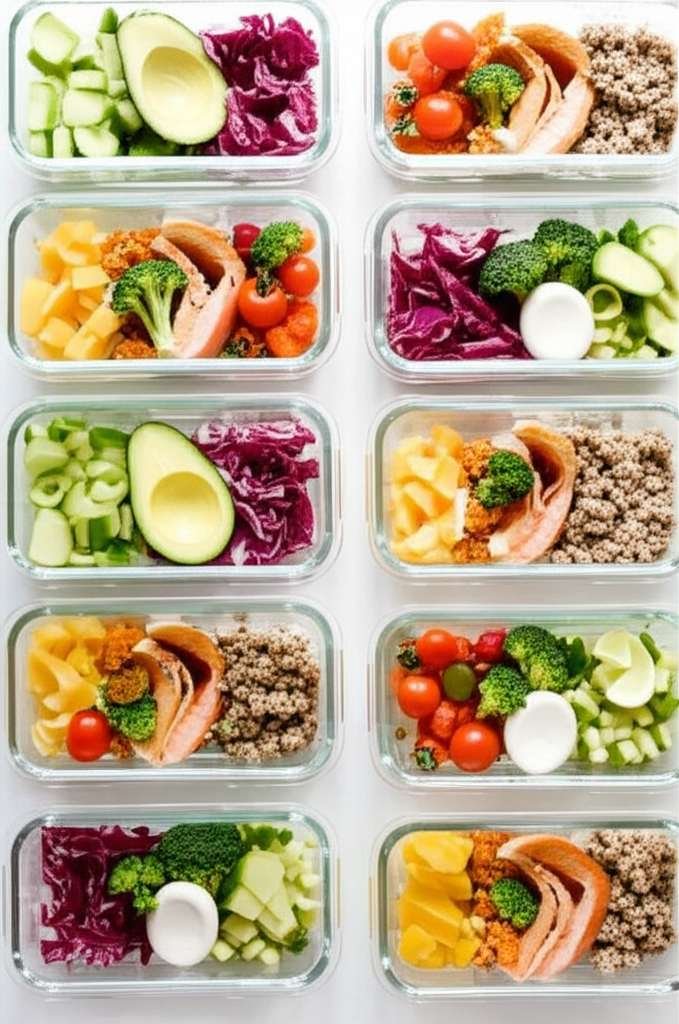
30-Day Gluten-Free Meal Prep for Fatty Liver Weight Loss: A Beginner’s Guide. Effortlessly manage fatty liver and lose weight with a simple, 30-day gluten-free meal plan. This guide offers easy recipes and practical tips to make healthy eating achievable and enjoyable, even for busy beginners.
Feeling overwhelmed by fatty liver disease and the idea of weight loss? You’re not alone. Many people find it confusing and tough to know where to start with diet changes, especially when trying to manage a health condition like fatty liver. It can feel like a puzzle with too many pieces.
But what if I told you it doesn’t have to be complicated? We’re going to break down how to create a delicious and effective 30-day gluten-free meal prep plan specifically designed to help with fatty liver and weight loss. This plan is built for real life, with simple steps and tasty meals.
Get ready to feel more in control of your health, one simple meal at a time. We’ll cover everything you need to know to get started, from understanding why gluten-free is helpful to planning your meals and stocking your kitchen. Let’s dive in!
Understanding Fatty Liver and the Gluten-Free Connection
Fatty liver disease, also known as non-alcoholic fatty liver disease (NAFLD), means there’s too much fat built up in your liver. Think of your liver as a vital organ that filters your blood and helps digest food. When it’s overloaded with fat, it can’t do its job as well. This can lead to inflammation and damage over time.
Weight loss is a cornerstone of managing fatty liver. Losing even a small amount of weight can significantly reduce the fat in your liver and improve its function. It’s a powerful way to give your liver a chance to heal and work better.
Now, you might be wondering, “What does gluten have to do with my liver?” While not everyone with fatty liver needs to go gluten-free, many find it beneficial. Gluten is a protein found in wheat, barley, and rye. For some individuals, gluten can contribute to inflammation in the body, which can indirectly affect liver health. Removing it can help reduce this inflammatory load, supporting your liver and overall well-being.
Going gluten-free can also encourage you to eat more whole, unprocessed foods. Many processed snacks and meals high in unhealthy fats and sugars, which can worsen fatty liver, often contain gluten. By switching to gluten-free options, you naturally lean towards healthier choices that benefit your liver and aid in weight loss.
Why Meal Prep is Your Secret Weapon for Fatty Liver and Weight Loss
Meal prepping is like giving yourself a superpower for healthy eating. It’s the practice of planning and preparing your meals and snacks ahead of time, usually for the week. This simple habit can make a huge difference, especially when you’re focused on managing fatty liver and losing weight.
When you’re busy, tired, or stressed, reaching for quick, convenient, and often unhealthy options is tempting. Meal prep takes that temptation out of the equation. Having healthy, pre-portioned meals and snacks ready to go means you’re much more likely to stick to your gluten-free plan.
It also helps you control exactly what goes into your food. You can manage portion sizes, reduce added sugars and unhealthy fats, and ensure you’re getting plenty of nutrients that support liver health. Plus, it can save you money by reducing impulse buys and eating out!
For beginners, meal prep can seem daunting. But we’re going to break it down into simple, manageable steps. Think of it as setting yourself up for success, reducing daily decision fatigue, and making healthy eating feel effortless rather than a chore.
Your 30-Day Gluten-Free Meal Prep Plan: Getting Started
Embarking on a 30-day gluten-free meal prep journey for fatty liver and weight loss is an exciting step towards better health. This plan is designed to be straightforward and sustainable, focusing on whole, nutrient-dense foods that are naturally gluten-free and supportive of liver function.
Step 1: Understand Your Gluten-Free Staples
Before you start shopping, get familiar with what you’ll be using. These are your building blocks for delicious, healthy meals.
- Gluten-Free Grains: Quinoa, brown rice, oats (certified gluten-free), millet, buckwheat.
- Proteins: Lean meats (chicken breast, turkey, lean beef), fish (salmon, cod, tuna), eggs, legumes (beans, lentils, chickpeas), tofu, tempeh.
- Healthy Fats: Avocados, nuts, seeds (chia, flax, sunflower), olive oil.
- Fruits & Vegetables: All kinds! Focus on leafy greens, berries, cruciferous vegetables (broccoli, cauliflower), and colorful produce.
- Dairy/Dairy Alternatives: Unsweetened almond milk, coconut milk, lactose-free milk, plain yogurt.
Step 2: Essential Kitchen Tools for Meal Prep
Having the right tools makes meal prepping much easier and more enjoyable. You don’t need a fancy kitchen, just a few basics.
- A Good Set of Knives: For chopping fruits, vegetables, and proteins.
- Cutting Boards: Having a couple of different sizes is helpful.
- Airtight Food Storage Containers: Essential for storing prepped meals and leftovers. Glass or BPA-free plastic are great options.
- Measuring Cups and Spoons: For accurate portioning and following recipes.
- Baking Sheets: For roasting vegetables and proteins.
- Large Pots and Pans: For cooking grains, stir-fries, and soups.
- Slow Cooker or Instant Pot (Optional but helpful): For hands-off cooking of larger batches.
Step 3: Plan Your Weekly Menu
This is where the magic happens! Start by planning 3-5 days of meals at a time. This is less overwhelming than planning a whole month at once, especially when you’re starting out. You can rotate through different meals each week.
When planning, think about:
- Breakfast: Quick and easy options like overnight oats or scrambled eggs.
- Lunch: Portable meals like salads, grain bowls, or leftovers from dinner.
- Dinner: Balanced meals with protein, vegetables, and a gluten-free carbohydrate.
- Snacks: Keep healthy options on hand like fruit, nuts, or yogurt.
Step 4: Create Your Grocery List
Once your menu is set, make a detailed grocery list. Stick to your list to avoid impulse buys and ensure you have everything you need. Check your pantry and fridge first to see what you already have.
Step 5: Dedicate Time for Prepping
Set aside a block of time, perhaps on a Sunday afternoon, to do your meal prep. This might be 2-3 hours. You can wash and chop vegetables, cook grains, portion out snacks, and even assemble some meals.
Sample 30-Day Gluten-Free Meal Prep Framework
This is a framework, not a rigid diet. Feel free to swap meals and ingredients based on your preferences and what’s in season. The key is to keep it gluten-free, liver-friendly, and focused on whole foods.
Week 1: Building the Foundation
Focus on simple, familiar gluten-free meals to get comfortable with the process.
- Breakfast Ideas:
- Certified Gluten-Free Oatmeal with berries and a sprinkle of chia seeds.
- Scrambled eggs with spinach and a side of sliced avocado.
- Plain Greek yogurt with a drizzle of honey and sliced peaches.
- Lunch Ideas:
- Large salad with grilled chicken breast, mixed greens, cucumber, tomatoes, bell peppers, and an olive oil-lemon dressing.
- Leftover dinner from the night before.
- Quinoa salad with black beans, corn, chopped red onion, cilantro, and a lime vinaigrette.
- Dinner Ideas:
- Baked salmon with roasted broccoli and a small serving of brown rice.
- Chicken stir-fry with mixed vegetables (broccoli, carrots, snap peas) and gluten-free tamari sauce, served with quinoa.
- Lentil soup with a side of gluten-free crackers.
- Snack Ideas:
- Apple slices with almond butter.
- A handful of almonds or walnuts.
- Carrot sticks with hummus.
Week 2: Exploring New Flavors
Introduce a few new gluten-free recipes to keep things interesting.
- Breakfast Ideas:
- Smoothie with spinach, banana, unsweetened almond milk, and a scoop of gluten-free protein powder.
- Baked sweet potato with a sprinkle of cinnamon.
- Overnight oats made with certified gluten-free oats, almond milk, and topped with blueberries.
- Lunch Ideas:
- Tuna salad (made with Greek yogurt instead of mayo) served in lettuce cups or with gluten-free crackers.
- Chicken and vegetable skewers (pre-marinated and cooked).
- Buddha bowls with roasted sweet potatoes, chickpeas, steamed kale, and a tahini dressing.
- Dinner Ideas:
- Lean ground turkey chili with kidney beans and diced tomatoes.
- Baked cod with asparagus and lemon slices.
- Sheet pan chicken sausage with bell peppers and onions.
- Snack Ideas:
- Orange slices.
- Hard-boiled eggs.
- Rice cakes with avocado.
Week 3: Consistency and Variety
Build on what you’ve learned. Repeat favorite meals and introduce one or two new ones.
- Breakfast Ideas:
- Repeat favorite from Week 1 or 2.
- Gluten-free pancakes made with almond flour or buckwheat flour.
- Lunch Ideas:
- Leftover turkey chili.
- Large spinach salad with salmon and a light vinaigrette.
- Cucumber and tomato salad with feta cheese and a drizzle of olive oil.
- Dinner Ideas:
- Lean beef stir-fry with mixed vegetables and brown rice.
- Shrimp scampi with zucchini noodles.
- Roasted chicken breast with a side of roasted Brussels sprouts and a small portion of quinoa.
- Snack Ideas:
- Pear slices with a few almonds.
- A small container of mixed berries.
- Edamame (steamed).
Week 4: Sustainable Habits
By now, you should feel more confident. Continue with your favorite balanced meals and focus on consistency.
- Breakfast Ideas:
- Repeat favorites.
- Chia seed pudding made with almond milk and topped with mango.
- Lunch Ideas:
- Leftover beef stir-fry.
- Chicken salad made with celery and grapes, served on lettuce wraps.
- Black bean burgers (homemade, gluten-free) on lettuce buns.
- Dinner Ideas:
- Salmon patties (homemade, gluten-free) with a side salad.
- Pork tenderloin with roasted sweet potatoes and green beans.
- Vegetable and chickpea curry with brown rice.
- Snack Ideas:
- A small banana.
- A handful of pumpkin seeds.
- Rice cakes with a thin spread of almond butter.
Key Foods to Focus On for Fatty Liver Support
When managing fatty liver, certain foods can be particularly helpful. Incorporating these into your gluten-free meal prep will give your liver extra support.
- Oily Fish: Salmon, mackerel, sardines, and tuna are rich in omega-3 fatty acids, which can help reduce liver fat and inflammation. Aim for at least two servings per week.
- Nuts and Seeds: Walnuts, almonds, flaxseeds, and chia seeds provide healthy fats, fiber, and antioxidants. They are great for snacks or adding to meals.
- Olive Oil: A healthy monounsaturated fat that can help improve liver enzyme levels and reduce fat accumulation. Use it for cooking, dressings, and dips.
- Cruciferous Vegetables: Broccoli, cauliflower, Brussels sprouts, and kale contain compounds that help detoxify the liver.
- Berries: Blueberries, strawberries, and raspberries are packed with antioxidants that protect liver cells from damage.
- Whole Grains (Gluten-Free): Quinoa, brown rice, and certified gluten-free oats provide fiber, which aids digestion and can help with weight management.
- Legumes: Beans, lentils, and chickpeas are excellent sources of plant-based protein and fiber, supporting satiety and liver health.
Foods to Limit or Avoid for Fatty Liver and Weight Loss
Just as important as knowing what to eat is knowing what to limit. Reducing these foods can significantly impact your liver health and weight loss journey.
- Sugary Drinks: Soda, fruit juices, sweetened teas, and energy drinks are major contributors to fat buildup in the liver.
- Added Sugars: Found in candy, cakes, cookies, and many processed foods. These offer little nutritional value and can promote fat storage.
- Refined Carbohydrates: White bread, white pasta, pastries, and sugary cereals. They are quickly converted to sugar in the body.
- Fried Foods: High in unhealthy fats and calories, which can worsen liver fat.
- Processed Meats: Sausages, bacon, and deli meats often contain high levels of sodium and unhealthy fats.
- Excessive Saturated and Trans Fats: Found in fatty cuts of meat, full-fat dairy, and many processed snacks and baked goods.
- Alcohol: While this plan is for non-alcoholic fatty liver disease, it’s important to note that alcohol can further damage the liver.
Sample Weekly Meal Prep Schedule
Here’s a look at how you might structure your prep day. Let’s say you’re prepping for Monday-Wednesday lunch and dinner.
| Time Block | Activity | Outcome |
|---|---|---|
| 9:00 AM – 9:30 AM | Gather ingredients, review recipes, and prep your workspace. | Organized kitchen, clear plan. |
| 9:30 AM – 10:30 AM | Wash and chop all vegetables for the week. Cook grains (e.g., quinoa, brown rice). | Prepped veggies, cooked grains ready to portion. |
| 10:30 AM – 11:30 AM | Cook proteins: bake chicken breasts, cook lean ground turkey, hard-boil eggs. | Cooked proteins ready to be portioned or added to meals. |
| 11:30 AM – 12:00 PM | Assemble lunches: portion grains, add protein and veggies, prepare dressings. | Lunches for Mon-Wed ready to go. |
| 12:00 PM – 1:00 PM | Prepare dinner components: marinate chicken for stir-fry, chop veggies for chili, prep salmon for baking. You might cook one dinner entirely (e.g., the chili) to eat that night and have leftovers for another day. | Dinner components ready for quick cooking or a pre-made meal. |
| 1:00 PM – 1:30 PM | Clean up and store all prepped food in airtight containers in the refrigerator. | Clean kitchen, organized fridge. |
This schedule is just an example. Adjust it to fit your lifestyle and cooking pace. Some people prefer to cook everything on one day, while others might do a smaller prep session mid-week.
Hydration and Lifestyle Tips for Success
Meal prep is a powerful tool, but it’s not the only piece of the puzzle for managing fatty liver and achieving weight loss. Staying hydrated and adopting healthy lifestyle habits are crucial.
- Drink Plenty of Water: Aim for at least 8 glasses of water a day. Proper hydration is essential for metabolism and overall bodily functions, including liver health. Sometimes thirst can be mistaken for hunger, so keep a water bottle handy.
- Get Regular Exercise: Physical activity is vital for weight loss and can directly help reduce liver fat. Aim for at least 150 minutes of moderate-intensity aerobic exercise per week, plus muscle-strengthening activities. Even a brisk walk counts! The National Institute on Aging offers great resources on exercise for different age groups.
- Prioritize Sleep: Aim for 7-9 hours of quality sleep per night. Poor sleep can disrupt hormones that regulate appetite and metabolism, making weight loss harder and potentially affecting liver health.
- Manage Stress: Chronic stress can lead to increased cravings for unhealthy foods and can negatively impact your liver. Find healthy ways to manage stress, such as meditation, yoga, deep breathing exercises, or spending time in nature.
- Read Food Labels: Even with gluten-free foods, check labels for hidden sugars, unhealthy fats, and excessive sodium. Understanding what you’re eating is key.
FAQs: Your Beginner Gluten-Free Meal Prep Questions Answered
Q1: Do I need to be strictly gluten-free forever for fatty liver?
A1: Not necessarily. While many find reducing gluten beneficial, the primary focus for fatty liver is weight loss and reducing overall inflammation. For some, gluten can be an inflammatory trigger. It’s best to discuss your specific dietary needs with a healthcare provider or a registered dietitian who can assess if a gluten-free diet is right for you.
Q2: What are the best affordable gluten-free staples?
A2: Rice (brown rice), oats (certified gluten-free), potatoes, sweet potatoes, beans, lentils, and seasonal vegetables are generally affordable gluten-free staples. Buying in bulk when possible can also save money.
Q3: I’m a student and don’t have much time. How can I make meal prep work?
A3: Start small! Prep just your lunches for the week, or focus on cooking a large batch of grains and a protein on the weekend. Simple meals like overnight oats, salads, and one-pot stir-fries are quick and easy. Even prepping ingredients (like chopping veggies) can save time during the week.
Q4: What if I don’t like some of the suggested foods?
A4: That’s perfectly normal! The key is to find gluten-free foods you enjoy that fit the healthy eating principles. If you dislike broccoli, try green beans or asparagus. If salmon isn’t your favorite, opt for chicken or tofu. Experiment and find your own healthy favorites. Resources like Verywell Health offer a wide variety of recipe ideas.
Q5: How much weight should I aim to lose for my liver health?
A5: Even a modest weight loss of 5-10% of your body weight can significantly improve fatty liver disease. For example, if you weigh 150 pounds, losing 7.5 to 15 pounds can make a difference. Focus on sustainable habits rather than rapid weight loss. Always consult with your doctor for personalized weight loss goals.
Q6: Can I eat out while doing this meal prep plan?
A6: Yes, but it requires careful choices. Look for restaurants that offer grilled or baked lean proteins, plenty of vegetables, and can accommodate gluten-free requests. Avoid fried foods and heavy sauces. It’s easier to control your intake when you prepare your own meals, so limit eating out to occasional events.
Conclusion
Taking on a 30-day gluten-free meal prep plan for fatty liver and weight loss is a powerful, achievable goal. You’ve learned why this approach can be so effective, from reducing inflammation to simplifying healthy eating. We’ve covered the essential gluten-free staples, the tools that make prep easy, and a flexible framework for your weekly meals.
Remember, consistency is more important than perfection. This plan is designed to be a starting point, a guide to help you build confidence and establish healthy habits. Don’t be discouraged by minor setbacks; simply get back on track with your next meal. Focus on the delicious, nutrient-rich foods that will nourish your body and support your liver.
By dedicating a little time to planning and preparing, you’re investing in your health and well-being. You’re empowering yourself to make informed choices that can lead to significant improvements in managing fatty liver and achieving your weight loss goals. You’ve got this!
As an Amazon Associate, We earn from qualifying purchases. When you purchase a product through Amazon links on pulsefitguide.com, we may earn a small commission at no extra cost to you. This helps support the site and keep our content free.
