


Bolded Quick Summary:
Embark on a 30-day low-carb meal prep journey specifically designed to support fatty liver weight loss. This practical guide offers simple, science-backed strategies and easy-to-follow meal ideas to help you shed weight, improve liver health, and feel your best, even as a beginner.
Feeling overwhelmed by fatty liver disease and the thought of losing weight? You’re not alone. Many people find it hard to know where to start when trying to manage their health through diet. It can feel confusing with all the conflicting advice out there.
But what if you had a clear, simple plan? A plan that breaks down exactly what to do, step-by-step, making weight loss and liver health feel achievable. This is exactly what we’re going to do together.
This guide is designed to be your friendly roadmap. We’ll focus on delicious, easy-to-prepare meals that fit a low-carb lifestyle, which is fantastic for reducing liver fat. Get ready to feel more in control and energized!
Understanding Fatty Liver and Weight Loss
Fatty liver disease, also known as non-alcoholic fatty liver disease (NAFLD), is a condition where too much fat builds up in your liver. It’s a growing concern, and often, excess weight is a major contributor. The good news is that losing even a modest amount of weight can make a big difference to your liver’s health.
When we talk about weight loss for fatty liver, we’re not just aiming for a number on the scale. We’re aiming to reduce the fat surrounding your vital organs, including your liver. This can improve how your liver functions and reduce the risk of more serious complications.
A low-carbohydrate diet is particularly helpful because it can help your body use stored fat for energy and reduce the production of new fat. This directly impacts the fat in your liver. It’s a powerful tool for making positive changes.
Why Low Carb for Fatty Liver Weight Loss?
Carbohydrates, especially refined ones like white bread, sugary drinks, and pastries, can cause your blood sugar to spike. When this happens, your body releases insulin. Insulin is a hormone that helps your cells use sugar for energy, but it also tells your body to store fat, and it can encourage fat to build up in the liver.
By reducing your carbohydrate intake, you help keep your blood sugar and insulin levels more stable. This signals your body to start burning stored fat for fuel, which can lead to weight loss and a reduction in liver fat. It’s like switching your body’s energy source from a quick-burning fuel to a longer-lasting one.
Think of it this way: when you eat fewer carbs, your body doesn’t have as much readily available sugar. It then looks to your fat stores, including the fat in your liver, to get the energy it needs. This process is key to improving your liver health and achieving sustainable weight loss.
The Power of Meal Prep
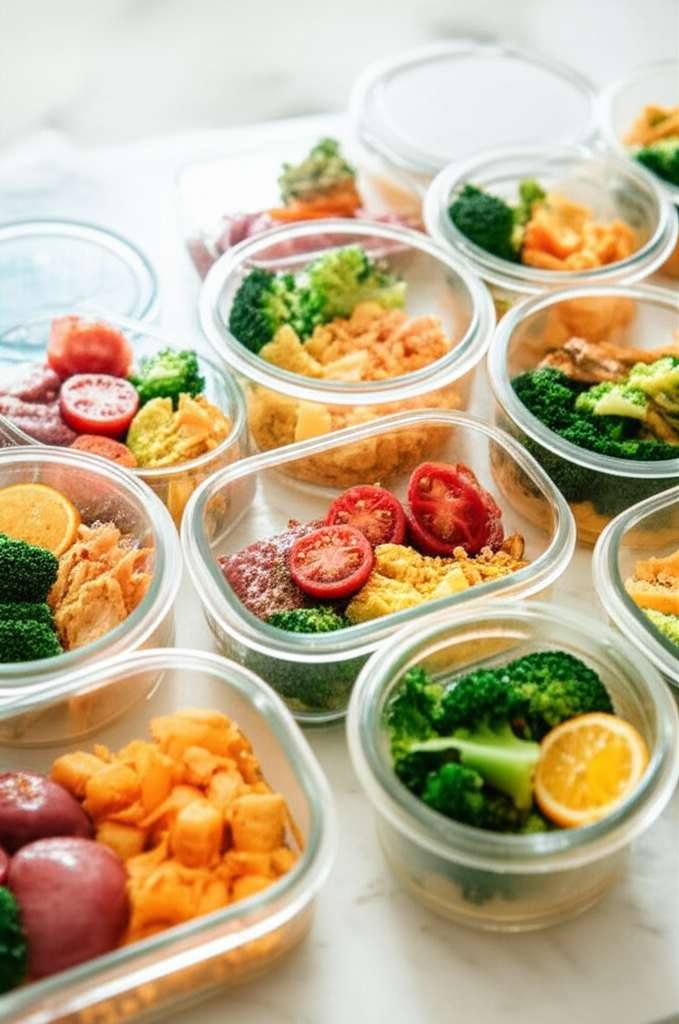
Meal prepping is like giving yourself a gift of time and stress reduction during the week. Instead of wondering what to eat or grabbing something quick and unhealthy, you’ll have delicious, healthy meals ready to go. This is crucial when you’re trying to stick to a new eating plan like low-carb.
When you prepare your meals in advance, you have complete control over the ingredients. This means you can ensure you’re sticking to your low-carb goals and avoiding hidden sugars or unhealthy fats that might be in pre-made or restaurant meals. It takes the guesswork out of eating well.
For beginners, meal prep can feel like a big task at first. But we’ll break it down into simple steps. The benefits – saving time, saving money, and achieving your health goals – are absolutely worth it. Imagine opening your fridge and seeing healthy, ready-to-eat meals waiting for you!
Your 30-Day Low Carb Meal Prep Plan: Getting Started
This plan is designed to be flexible and easy to follow. We’ll focus on whole, unprocessed foods that are naturally low in carbohydrates. The goal is to build healthy habits that you can maintain long after these 30 days are over. Let’s get prepared!
Step 1: Understand Your Low-Carb Basics
A low-carb diet generally means limiting your intake of sugars and starches. Instead, you focus on protein, healthy fats, and non-starchy vegetables. This doesn’t mean you have to eliminate all carbs; it’s about choosing the right ones and eating them in moderation.
Key Food Groups to Focus On:
- Proteins: Chicken, turkey, beef, fish (especially fatty fish like salmon), eggs, tofu.
- Healthy Fats: Avocado, olive oil, nuts, seeds, fatty fish.
- Non-Starchy Vegetables: Leafy greens (spinach, kale), broccoli, cauliflower, bell peppers, zucchini, asparagus, cucumbers, tomatoes (in moderation).
- Dairy (Full-Fat): Cheese, plain Greek yogurt, heavy cream (in moderation).
Foods to Limit or Avoid:
- Sugary drinks (soda, juice, sweetened teas)
- Sweets and desserts (cakes, cookies, candy)
- Grains (bread, pasta, rice, cereal)
- Starchy vegetables (potatoes, corn, peas)
- Most fruits (berries are okay in small amounts)
- Processed foods high in sugar and refined carbs
Step 2: Stock Your Kitchen
Before you start cooking, it’s a good idea to do a pantry and fridge clean-out. Get rid of tempting high-carb foods. Then, make a grocery list based on the low-carb principles. Shopping with a list helps you stay on track and avoid impulse buys.
Essential Pantry & Fridge Staples:
- Olive oil or avocado oil
- Vinegar (apple cider, red wine)
- Salt, pepper, and your favorite herbs and spices
- Canned tuna or salmon
- Nuts and seeds (almonds, walnuts, chia seeds, flax seeds)
- Eggs
- Full-fat plain Greek yogurt or cottage cheese
- Block cheese
- Chicken or vegetable broth
Fresh Produce & Proteins:
- Leafy greens (spinach, romaine, mixed greens)
- Broccoli, cauliflower, Brussels sprouts
- Bell peppers, onions, garlic
- Avocados
- Chicken breasts or thighs
- Ground beef or turkey
- Salmon or other fish fillets
Step 3: Choose Your Meal Prep Days and Times
Consistency is key. Pick one or two days a week when you can dedicate a few hours to prepping. Many people find Sunday afternoons or evenings work well. This way, your meals are ready for the start of the week.
Don’t feel like you have to prep every single meal for the entire week on your first try. Start small. Maybe just prep lunches for Monday to Friday, or dinner for a few nights. As you get more comfortable, you can expand your prep routine.
Consider your schedule. If you have busy evenings, focus on quick dinners or make double portions of meals you can eat as leftovers. If mornings are rushed, prepare breakfast items like hard-boiled eggs or chia pudding.
Step 4: Simple Meal Prep Techniques
Here are some basic methods to make your meal prep efficient:
- Batch Cooking Proteins: Cook a large batch of chicken breasts, ground meat, or hard-boil eggs. These can be used in salads, stir-fries, or eaten as snacks.
- Chopping Veggies: Wash and chop your vegetables ahead of time. Store them in airtight containers. This makes it easy to toss them into stir-fries, omelets, or roast them.
- Making Salads: Prepare salad bases (greens, chopped veggies) in containers. Keep dressing separate until ready to eat to prevent sogginess. Add protein and healthy fats just before serving.
- Portioning Snacks: Divide nuts, seeds, or cheese into grab-and-go portions for easy snacking.
- Cooking Grains/Starches (if using in very small amounts or for family members): If you’re cooking for others who aren’t low-carb, cook their grains separately. For your low-carb meals, focus on the protein, fats, and veggies.
Step 5: Plan Your Weekly Menu
Having a menu makes shopping and prepping much easier. Here’s a sample structure for a week. Remember, this is a template; adjust it based on your preferences and what’s on sale!
Sample Weekly Low-Carb Meal Plan (30-Day Focus)
| Meal | Monday | Tuesday | Wednesday | Thursday | Friday | Saturday | Sunday |
|---|---|---|---|---|---|---|---|
| Breakfast | Scrambled eggs with spinach and cheese | Plain Greek yogurt with berries and nuts | Omelet with mushrooms and bell peppers | Scrambled eggs with avocado | Chia seed pudding (made with unsweetened almond milk) | Leftover breakfast frittata | Scrambled eggs with leftover veggies |
| Lunch | Large salad with grilled chicken, mixed greens, cucumber, tomatoes, olive oil dressing | Tuna salad (made with avocado mayo) in lettuce cups | Leftover salmon with roasted broccoli | Chicken salad (made with avocado mayo) with celery sticks | Big salad with hard-boiled eggs, avocado, mixed greens | Leftover ground turkey stir-fry | Large salad with canned salmon, mixed greens, olive oil dressing |
| Dinner | Baked salmon with asparagus drizzled with lemon and olive oil | Ground turkey and vegetable stir-fry (using soy sauce or tamari, broccoli, bell peppers, onion) | Chicken breast baked with herbs, served with a side salad | Zucchini noodles (zoodles) with pesto and pre-cooked chicken | Pork chops pan-fried, served with sautéed green beans | Steak with a large side of mixed greens salad | Roasted chicken thighs with cauliflower mash |
| Snacks | Handful of almonds | Cheese sticks | Hard-boiled eggs | Celery sticks with almond butter | Olives | Small avocado | Handful of walnuts |
This table is a guide. Feel free to swap meals around. The key is to have the components prepped so you can assemble them quickly.
Step 6: Prepare Your Meals (The Actual Prep!)
Now it’s time to get cooking! Here’s a sample prep session for a Sunday:
- Roast Vegetables: Toss broccoli, cauliflower, and bell peppers with olive oil, salt, and pepper. Roast at 400°F (200°C) until tender. Let cool and portion into containers.
- Cook Proteins:
- Bake chicken breasts seasoned with herbs. Once cooled, slice or dice them.
- Cook ground turkey or beef. You can season it for a stir-fry or keep it plain.
- Hard-boil a dozen eggs. Peel them once cooled.
- Make Salad Bases: Wash and dry mixed greens and other salad vegetables like cucumbers and bell peppers. Store them in large containers.
- Prepare Dressings: Whisk together olive oil and vinegar with salt and pepper. You can also add Dijon mustard or herbs. Store in a small jar or container.
- Prep Breakfasts:
- Make a batch of chia seed pudding in individual jars.
- Portion out Greek yogurt and berries (keep berries separate if possible to avoid sogginess).
- Assemble Lunches: Create several salad jars or containers with your greens, chopped veggies, and protein. Keep dressing separate.
- Snack Packs: Portion out nuts, seeds, or cheese into small bags or containers.
Use good quality, airtight containers. Glass containers are often preferred as they don’t stain or retain odors and can be used in the microwave or oven (check manufacturer instructions). Meal prep containers with compartments can be very helpful.
Essential Tools for Low-Carb Meal Prep
You don’t need a fancy kitchen to meal prep, but a few key tools can make the process smoother and more enjoyable. Investing in these can save you time and effort in the long run.
- A Good Chef’s Knife: A sharp knife makes chopping vegetables and proteins much faster and safer.
- Cutting Boards: Having a couple of sturdy cutting boards is essential.
- Airtight Food Storage Containers: This is crucial for keeping your prepped food fresh. Look for glass or BPA-free plastic containers in various sizes.
- Baking Sheets: For roasting vegetables and proteins.
- Large Mixing Bowls: For tossing salads and vegetables with oil and seasonings.
- Measuring Cups and Spoons: While strict carb counting isn’t always necessary, these are helpful for following recipes and understanding portion sizes.
- Slow Cooker or Instant Pot (Optional): These can be great for batch cooking large amounts of protein or stews with minimal effort.
- Food Processor (Optional): Can be useful for making things like cauliflower rice or chopping vegetables very quickly.
Remember, the goal is to make this process as easy as possible for you. Start with what you have, and gradually add tools if you find they would be helpful.
Navigating Challenges and Staying Motivated
Sticking to any new diet can have its ups and downs. Here are some tips to help you stay on track during your 30-day journey and beyond:
- Don’t Aim for Perfection: If you slip up and eat something off-plan, don’t beat yourself up. Just get back on track with your next meal. One “off” meal doesn’t ruin your progress.
- Hydration is Key: Drink plenty of water throughout the day. Sometimes thirst can be mistaken for hunger.
- Listen to Your Body: Pay attention to how different foods make you feel. You might find you have more energy or better digestion on a low-carb plan.
- Find Support: Share your goals with friends or family, or join an online community. Having support can make a big difference.
- Celebrate Small Wins: Acknowledge your progress, whether it’s fitting into clothes better, having more energy, or simply sticking to your meal prep for a week.
- Variety is the Spice of Life: Don’t eat the exact same thing every single day. Experiment with different low-carb recipes and seasonings to keep things interesting.
The goal of this 30-day plan is to build momentum and show you that managing your fatty liver and losing weight can be a positive and rewarding experience. It’s about making sustainable changes that feel good.
Nutritional Considerations for Fatty Liver
When managing fatty liver disease, focusing on certain nutrients and avoiding others can be especially beneficial. A low-carb diet naturally aligns with many of these recommendations.
Beneficial Nutrients and Foods:
- Omega-3 Fatty Acids: Found in fatty fish like salmon, mackerel, and sardines, these can help reduce inflammation and liver fat.
- Fiber: Found in non-starchy vegetables and some seeds, fiber helps with digestion, satiety, and can improve insulin sensitivity.
- Antioxidants: Found in colorful vegetables and berries, antioxidants help protect your cells from damage.
- Lean Proteins: Essential for muscle maintenance and satiety, helping you feel full longer.
Foods to Emphasize for Liver Health:
- Leafy greens (spinach, kale, arugula)
- Cruciferous vegetables (broccoli, cauliflower, Brussels sprouts)
- Fatty fish (salmon, mackerel, sardines)
- Avocado
- Nuts and seeds (in moderation)
- Olive oil
- Berries (in moderation)
It’s also important to be mindful of what to limit. High sugar intake, trans fats, and excessive saturated fats can all contribute to liver fat accumulation and inflammation. This is why a low-carb approach, which naturally cuts down on many of these culprits, is so effective for fatty liver weight loss.
For more detailed information on diet and NAFLD, you can refer to resources from reputable health organizations. For instance, the National Institute of Diabetes and Digestive and Kidney Diseases (NIDDK) provides excellent, science-backed information on fatty liver disease and its management.
Sample Meal Prep for a “Fatty Liver Friendly” Week
Let’s get more specific with a week that really prioritizes liver health while keeping carbs low. This plan emphasizes anti-inflammatory foods and healthy fats.
Week 2: Liver-Focused Low Carb Meal Prep
| Meal | Monday | Tuesday | Wednesday | Thursday | Friday |
|---|---|---|---|---|---|
| Breakfast | Scrambled eggs with smoked salmon and spinach | Chia pudding made with unsweetened almond milk, topped with a few blueberries and chopped walnuts | Omelet with avocado and a side of cherry tomatoes | Plain full-fat Greek yogurt with a sprinkle of flax seeds and a tiny bit of stevia (optional) | Hard-boiled eggs (2) with half an avocado |
| Lunch | Large salad with grilled chicken breast, mixed greens, cucumber, bell peppers, a sprinkle of pumpkin seeds, and an olive oil/lemon dressing | Leftover baked cod with steamed broccoli | Tuna salad (made with avocado mayo) served in large romaine lettuce cups, with celery sticks on the side | Chicken breast stir-fry with cauliflower rice, broccoli, and a ginger-garlic sauce (using tamari or coconut aminos) | Big spinach salad with canned salmon, chopped celery, a few olives, and an olive oil vinaigrette |
| Dinner | Baked cod with lemon and dill, served with roasted asparagus | Ground turkey meatballs (made with almond flour binder) in a sugar-free marinara sauce, served with zucchini noodles | Pan-seared salmon with a side of sautéed kale and garlic | Chicken thighs baked with herbs, served with a large mixed green salad | Lean steak with a side of grilled zucchini and bell peppers |
| Snacks | Handful of almonds | Cheese cubes | Cucumber slices with a dollop of full-fat sour cream (optional) | A few olives | Small portion of berries (e.g., 1/4 cup raspberries) |
Remember to drink plenty of water throughout the day. You can also include herbal teas like green tea or chamomile, which are beneficial. This meal plan focuses on nutrient-dense, anti-inflammatory foods that are excellent for supporting liver health and promoting weight loss.
Frequently Asked Questions (FAQs)
Q1: How much weight can I expect to lose in 30 days on a low-carb diet for fatty liver?
The amount of weight lost varies greatly from person to person based on factors like starting weight, metabolism, and adherence to the diet. However, many individuals find they can lose 2-5 pounds per week initially on a well-structured low-carb plan, especially those with fatty liver disease. The key is consistent progress and focusing on healthy habits.
Q2: Is it safe to do a low-carb diet with fatty liver?
Yes, a low-carb diet is generally considered safe and often recommended for managing fatty liver disease. By reducing carbohydrate intake, you can help lower blood sugar and insulin levels, which in turn can reduce fat accumulation in the liver and promote weight loss. Always consult with your doctor before making significant dietary changes, especially if you have a medical condition.
Q3: What are the best low-carb vegetables for fatty liver?
Non-starchy vegetables are excellent choices. These include leafy greens like spinach, kale, and romaine lettuce; cruciferous vegetables such as broccoli, cauliflower, and Brussels sprouts; as well as bell peppers, zucchini, cucumbers, and asparagus. These are packed with fiber, vitamins, and antioxidants, which are beneficial for overall health and liver function.
Q4: Can I eat fruit on a low-carb diet for fatty liver?
It’s best to limit most fruits because they contain natural sugars (fructose) that can impact blood sugar. However, small portions of low-sugar berries like blueberries, raspberries, and strawberries can often be included as they offer antioxidants and fiber without a significant carb load. Focus on consuming them in moderation.
Q5: What if I feel tired or have low energy when starting a low-carb diet?
This is common and often referred to as the “keto flu” or carb withdrawal. Your body is adjusting to using fat for fuel instead of carbohydrates. Ensure you’re drinking plenty of water, getting enough electrolytes (sodium, potassium, magnesium), and not drastically cutting calories. The fatigue usually subsides within a few days to a week.
Q6: How long should I continue with the low-carb meal prep after 30 days?
The 30-day plan is a great starting point to build habits. Many people find long-term success with a low-carb approach for managing fatty liver and weight. You can continue with a low-carb diet as long as it feels sustainable and beneficial for your health. Focus on a balanced, whole-foods approach that you enjoy and can maintain.
Q7: What are some easy low-carb breakfast ideas I can prep?
Excellent prep-ahead breakfast ideas include: hard-boiled eggs, chia seed pudding (made with unsweetened almond milk and topped with berries/nuts), overnight oats (using a low-carb base like almond milk and chia seeds), and pre-portioned containers of full-fat Greek yogurt with a small amount of berries. You can also make a large frittata or breakfast muffins on the weekend to reheat during the week.
Conclusion
You’ve just taken a significant step towards managing your fatty liver and achieving your weight loss goals. This 30-day low-carb meal prep plan is designed to be your supportive guide, making healthy eating simple and accessible. Remember, consistency and patience are your best friends on this journey.
By focusing on whole, nutrient-dense foods, preparing your meals in advance, and listening to your body, you’re building a foundation for lasting health. You’ve learned about the benefits of a low-carb approach for liver health, practical meal prep strategies, and how to navigate common challenges.
This isn’t about restriction; it’s about empowerment. You have the tools and knowledge to make positive changes that will benefit your liver and your overall well-being. Keep going, celebrate your progress, and know that you are capable of creating a healthier, happier you. Your liver will thank you!
As an Amazon Associate, We earn from qualifying purchases. When you purchase a product through Amazon links on pulsefitguide.com, we may earn a small commission at no extra cost to you. This helps support the site and keep our content free.
