


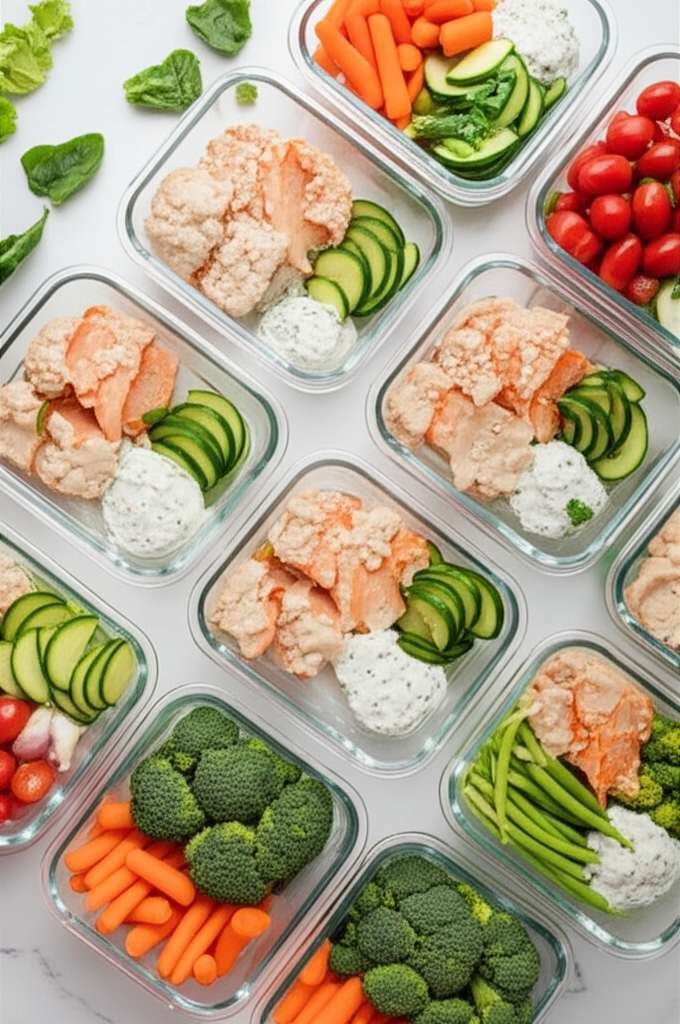
Get ready for a 30-day meal prep plan designed to help you lose weight and support your fatty liver health. This easy-to-follow guide breaks down healthy eating and meal preparation into simple, manageable steps, making your weight loss journey effective and stress-free.
***
Struggling with your weight and worried about fatty liver? You’re not alone. Many people find it tough to figure out what to eat to lose weight, especially when dealing with specific health concerns like fatty liver. It can feel confusing and overwhelming, leaving you unsure where to start.
But what if I told you that with a clear plan and some simple preparation, you could make real progress in just 30 days? This guide is here to help you cut through the confusion.
We’ll walk through a 30-day meal prep strategy that’s perfect for beginners and specifically targets weight loss while being kind to your liver. Get ready to feel more in control and excited about your health journey!
What is Fatty Liver and Why Does Weight Loss Matter?
Fatty liver disease, also known as non-alcoholic fatty liver disease (NAFLD), is a common condition where too much fat builds up in your liver. It’s often linked to lifestyle factors like diet and weight. When your liver is overloaded with fat, it can’t work as well as it should, affecting your overall health.
The good news is that weight loss is one of the most effective ways to improve fatty liver. Losing even a small amount of weight can significantly reduce the fat in your liver and improve its function. It’s a powerful step towards better health, and meal prepping can make this journey much smoother.
Why 30-Day Meal Prep for Fatty Liver Weight Loss?
A 30-day meal prep plan offers a structured yet flexible approach. It helps you build consistent healthy eating habits without the daily stress of deciding what to cook. For fatty liver weight loss, this means focusing on nutrient-dense foods that support liver health and promote a calorie deficit for weight loss.
This method helps you:
- Control portion sizes easily.
- Ensure you’re eating balanced meals packed with liver-friendly nutrients.
- Avoid unhealthy impulse food choices when you’re busy or hungry.
- Save time and money by planning and cooking in batches.
Think of it as setting yourself up for success, one week at a time, for a whole month!
Your 30-Day Fatty Liver Weight Loss Meal Prep Blueprint
This plan focuses on whole foods, lean proteins, healthy fats, and plenty of fiber. We’ll aim for meals that are low in added sugars, refined carbohydrates, and unhealthy saturated fats, all of which can contribute to fatty liver and hinder weight loss.
Remember, consistency is key. Don’t worry about perfection; focus on making steady progress. This plan is a guide, and you can adjust it based on your preferences and dietary needs, always consulting with a healthcare provider or registered dietitian for personalized advice.
Week 1: Laying the Foundation
The first week is all about getting organized and introducing new habits. We’ll focus on simple recipes and understanding the core principles of your meal prep. The goal here is to build momentum and feel confident in your choices.
Key Principles for Week 1:
- Hydration: Drink plenty of water throughout the day. Aim for at least 8 glasses.
- Portion Control: Start paying attention to how much you’re eating.
- Whole Foods Focus: Prioritize fruits, vegetables, lean proteins, and whole grains.
- Limit Processed Foods: Cut back on sugary drinks, packaged snacks, and fried items.
Meal Prep Tasks for Week 1:
- Grocery Shopping: Create a list based on the week’s recipes and stick to it.
- Batch Cooking Staples: Cook a large batch of lean protein (like chicken breast or lentils) and a whole grain (like quinoa or brown rice).
- Chop Veggies: Wash and chop vegetables for salads, stir-fries, and snacks.
- Portioning: Divide your cooked staples and prepped veggies into single-serving containers.
Sample Meals for Week 1:
Breakfasts (Choose 2-3 options and rotate):
- Overnight oats with berries and a sprinkle of nuts (made with unsweetened almond milk).
- Scrambled eggs with spinach and whole-wheat toast.
- Greek yogurt with chia seeds and a small amount of fruit.
Lunches (Choose 2-3 options and rotate):
- Large salad with grilled chicken or chickpeas, mixed greens, cucumber, tomatoes, and a light vinaigrette.
- Lentil soup with a side of whole-grain crackers.
- Quinoa bowl with black beans, corn, salsa, and avocado.
Dinners (Choose 2-3 options and rotate):
- Baked salmon with roasted broccoli and a small sweet potato.
- Chicken stir-fry with mixed vegetables (broccoli, bell peppers, snap peas) and brown rice.
- Turkey meatballs (made with lean ground turkey) with zucchini noodles and a light marinara sauce.
Snacks: Apple slices with almond butter, a handful of unsalted nuts, carrots and hummus.
Week 2: Building Consistency
Now that you’ve got the hang of the basics, Week 2 is about solidifying those habits. We’ll introduce slightly more variety and focus on making healthy choices second nature. You’ll start to notice how much easier it is to stick to your plan when everything is ready to go.
Key Principles for Week 2:
- Mindful Eating: Pay attention to hunger and fullness cues.
- Healthy Fats: Incorporate sources like avocado, nuts, seeds, and olive oil in moderation.
- Fiber Rich Foods: Continue to emphasize vegetables, fruits, and whole grains for satiety and digestive health.
- Limit Added Sugars: Be extra vigilant about hidden sugars in sauces, dressings, and drinks.
Meal Prep Tasks for Week 2:
- Plan Your Week: Review your Week 1 meals and decide what you want to repeat and what new recipes you want to try.
- Batch Cook New Proteins: Try prepping lean ground turkey or fish.
- Roast Veggies: Roast a big batch of your favorite vegetables like Brussels sprouts, bell peppers, or cauliflower.
- Prepare Overnight Oats/Yogurt Parfaits: Assemble grab-and-go breakfasts for a few days.
Sample Meals for Week 2:
Breakfasts:
- Greek yogurt parfait with berries and a sprinkle of flax seeds.
- Whole-wheat toast with avocado and a sprinkle of red pepper flakes.
- Smoothie made with spinach, banana, unsweetened almond milk, and a scoop of protein powder.
Lunches:
- Leftover dinner from the night before.
- Tuna salad (made with Greek yogurt instead of mayo) served in lettuce cups or with whole-grain crackers.
- Mediterranean quinoa salad with cucumber, tomatoes, olives, feta, and a lemon-herb dressing.
Dinners:
- Lean ground turkey and vegetable skillet with a side of cauliflower rice.
- Sheet pan chicken and roasted root vegetables (carrots, parsnips, sweet potatoes).
- Shrimp scampi with zucchini noodles and a side of cherry tomatoes.
Snacks: Hard-boiled eggs, a small pear, a handful of almonds.
Week 3: Adding Variety and Flavor
By Week 3, you should be feeling more comfortable with meal prepping. This week is about keeping things interesting and preventing boredom by introducing new flavors and textures. You might also find you’re feeling more energetic and seeing positive changes.
Key Principles for Week 3:
- Spice it Up: Experiment with herbs and spices to add flavor without extra calories or unhealthy fats.
- Variety of Proteins: Explore different lean protein sources like tofu, beans, or seafood.
- Healthy Cooking Methods: Continue focusing on baking, grilling, steaming, and stir-frying.
- Listen to Your Body: Adjust portion sizes based on your hunger levels.
Meal Prep Tasks for Week 3:
- Explore New Recipes: Find 1-2 new healthy recipes you want to try this week.
- Prep Different Grains: Try cooking farro or barley as an alternative to rice or quinoa.
- Make a Big Batch of Soup or Chili: These are great for lunches and dinners.
- Portion Snacks: Prepare small bags or containers of nuts, seeds, or chopped veggies for easy grabbing.
Sample Meals for Week 3:
Breakfasts:
- Scrambled tofu with turmeric and black beans.
- Whole-grain pancakes (made with whole wheat flour and minimal sugar) with a small amount of fruit.
- Cottage cheese with sliced peaches and a sprinkle of cinnamon.
Lunches:
- Chicken breast salad with grapes and celery, served on whole-grain bread or in lettuce wraps.
- Black bean burgers (homemade or store-bought with simple ingredients) on a whole-wheat bun with a side salad.
- Vegetable and barley soup with a piece of whole-grain bread.
Dinners:
- Baked cod with lemon and dill, served with steamed asparagus and quinoa.
- Lentil shepherd’s pie with a mashed sweet potato topping.
- Chicken or tofu skewers with colorful bell peppers and onions, served with a side of brown rice.
Snacks: Edamame, a small handful of walnuts, celery sticks with peanut butter.
Week 4: Sustaining Momentum
You’re in the final stretch! Week 4 is about reinforcing the healthy habits you’ve built and planning how to continue this journey beyond the 30 days. You’ve learned a lot, and now it’s about making these practices a sustainable part of your lifestyle.
Key Principles for Week 4:
- Reflect and Adjust: Think about what worked well and what you’d like to change moving forward.
- Plan for Future Weeks: Start thinking about how you’ll continue meal prepping beyond this initial month.
- Listen to Your Cravings: If you have a craving, try to satisfy it with a healthier alternative or a small portion of the real thing.
- Celebrate Progress: Acknowledge how far you’ve come and how much you’ve achieved.
Meal Prep Tasks for Week 4:
- Inventory Your Pantry: See what staples you have on hand to reduce waste and cost.
- Plan for the Next Month: Outline your meal prep strategy for the following weeks.
- Try a New Healthy Dessert: Bake some healthy muffins or energy balls.
- Focus on Easy Lunches: Prep large batches of salads or grain bowls that can last several days.
Sample Meals for Week 4:
Breakfasts:
- Repeat your favorite breakfast from the past weeks.
- Whole-wheat English muffin with a scrambled egg and a slice of avocado.
- Chia seed pudding with mango.
Lunches:
- Large batch of chicken or chickpea salad with mixed greens and whole-grain crackers.
- Leftovers from a dinner you enjoyed.
- Taco salad with lean ground turkey or black beans, lettuce, salsa, and a small amount of avocado.
Dinners:
- Salmon patties (made with canned salmon) with a large mixed green salad.
- Vegetarian chili packed with beans and vegetables.
- Lean pork tenderloin with roasted Brussels sprouts and a small baked potato.
Snacks: A small container of berries, a rice cake with almond butter, a few squares of dark chocolate (70% cacao or higher).
Essential Foods for Fatty Liver Weight Loss
Focusing on certain foods can significantly help manage fatty liver and support weight loss. These foods are rich in nutrients, fiber, and antioxidants, while being low in harmful fats and sugars. Here’s a breakdown of what to include in your meal prep:
Liver-Friendly Proteins
- Lean Meats: Chicken breast, turkey breast, lean cuts of beef or pork.
- Fish: Salmon, mackerel, sardines, tuna (rich in omega-3 fatty acids).
- Plant-Based Proteins: Lentils, beans (black beans, chickpeas, kidney beans), tofu, tempeh.
- Eggs: A good source of protein and nutrients.
Healthy Fats
- Avocado: Packed with monounsaturated fats.
- Nuts and Seeds: Almonds, walnuts, chia seeds, flax seeds, pumpkin seeds (in moderation).
- Olive Oil: Extra virgin olive oil for dressings and light cooking.
Fruits and Vegetables
- Leafy Greens: Spinach, kale, romaine lettuce, arugula (rich in vitamins and antioxidants).
- Cruciferous Vegetables: Broccoli, cauliflower, Brussels sprouts, cabbage.
- Berries: Blueberries, strawberries, raspberries (low in sugar, high in antioxidants).
- Other Veggies: Tomatoes, bell peppers, carrots, sweet potatoes, onions, garlic.
- Fruits: Apples, pears, citrus fruits, bananas (in moderation).
Whole Grains and Complex Carbohydrates
- Quinoa: A complete protein and good source of fiber.
- Brown Rice: Higher in fiber than white rice.
- Oats: Rolled oats or steel-cut oats for breakfast.
- Whole-Wheat Bread/Pasta: Choose options with at least 3 grams of fiber per serving.
- Barley and Farro: Ancient grains with good fiber content.
Hydration
- Water: Your primary beverage.
- Herbal Teas: Unsweetened green tea, chamomile, peppermint.
- Black Coffee: In moderation, can be beneficial for liver health.
Foods to Limit or Avoid
To effectively manage fatty liver and support weight loss, it’s crucial to reduce your intake of certain foods that can worsen liver health and contribute to weight gain. These often include items high in unhealthy fats, added sugars, and processed ingredients.
| Category | Foods to Limit/Avoid | Why Limit? |
|---|---|---|
| Sugary Foods & Drinks | Soda, fruit juices (even 100%), candy, cakes, pastries, sweetened yogurts, sweetened cereals | High in fructose, which directly contributes to fat buildup in the liver and weight gain. |
| Refined Carbohydrates | White bread, white pasta, white rice, crackers, cookies, most breakfast cereals | Quickly convert to sugar in the body, leading to blood sugar spikes and contributing to fat storage. |
| Unhealthy Fats | Fried foods, processed meats (sausages, bacon), butter, full-fat dairy, pastries, fast food | Saturated and trans fats can increase inflammation and fat accumulation in the liver. |
| Alcohol | All types of alcoholic beverages | Alcohol is a major toxin to the liver and directly contributes to liver damage and fatty liver disease. |
| Processed Foods | Packaged snacks, frozen meals, processed sauces, fast food | Often high in sodium, unhealthy fats, added sugars, and artificial ingredients that are detrimental to liver health. |
Your Meal Prep Toolkit
Having the right tools can make meal prepping much more efficient and enjoyable. You don’t need a lot of fancy gadgets, just a few essentials to get you started:
- A Good Set of Knives: For easy chopping and slicing.
- Cutting Boards: Having more than one can be helpful.
- A Variety of Food Storage Containers: Glass or BPA-free plastic containers in different sizes are perfect for storing prepped meals. Look for ones that are microwave and dishwasher safe.
- Measuring Cups and Spoons: For accurate portioning and following recipes.
- Baking Sheets and Roasting Pans: For cooking larger batches of vegetables and proteins.
- Slow Cooker or Instant Pot (Optional): Great for making large batches of soups, stews, or chili with minimal effort.
- Reusable Water Bottle: To encourage consistent hydration.
Tips for Success
Sticking to a meal prep plan can be challenging, but these tips will help you stay on track and make it a sustainable habit:
- Start Small: Don’t try to prep every single meal from day one. Start with lunches or dinners for a few days a week.
- Schedule Your Prep Time: Dedicate a specific time each week, like Sunday afternoon, for shopping and prepping. Treat it like an important appointment.
- Keep It Simple: Choose recipes with fewer ingredients and simple steps, especially when you’re starting out.
- Variety is Key: Rotate your meals and snacks to prevent boredom. Try one new recipe each week.
- Don’t Aim for Perfection: If you slip up, don’t beat yourself up. Just get back on track with your next meal. Progress over perfection!
- Get the Family Involved: If you live with others, involve them in the planning and prepping process. It can make it more fun and build support.
- Listen to Your Body: Pay attention to how different foods make you feel. Adjust your plan as needed.
- Stay Hydrated: Drink water consistently throughout the day. It helps with satiety and overall health. You can learn more about the benefits of hydration from the Centers for Disease Control and Prevention (CDC).
Frequently Asked Questions (FAQ)
Can I really lose weight with fatty liver disease?
Yes, absolutely! Weight loss is one of the most effective ways to improve fatty liver disease. Losing even 5-10% of your body weight can significantly reduce fat in your liver and improve its function. This 30-day meal prep plan is designed to help you achieve that.
How much weight can I expect to lose in 30 days?
Weight loss varies from person to person based on factors like starting weight, metabolism, and adherence to the plan. A healthy and sustainable weight loss rate is typically 1-2 pounds per week. So, you might aim to lose 4-8 pounds in 30 days, which is a great and healthy goal for improving fatty liver.
What if I don’t like some of the foods suggested?
This plan is a template! Feel free to swap out ingredients you dislike for similar, healthy alternatives. For example, if you don’t like broccoli, try asparagus or green beans. If chicken isn’t your favorite, opt for fish or tofu. The key is to maintain the nutritional balance.
Do I need to count calories?
While this plan focuses on nutrient-dense foods and portion control, which naturally helps manage calorie intake, you don’t necessarily need to obsessively count calories. Focusing on the quality of your food and appropriate portion sizes is often enough for beginners to see results. If you find you’re not losing weight, you might consider tracking your intake for a few days to identify areas for adjustment.
Is it okay to eat out while meal prepping?
It’s best to minimize eating out during your 30-day prep period, as restaurant meals can be high in hidden fats, sugars, and sodium. If you must eat out, choose wisely! Look for grilled or baked lean proteins, plenty of vegetables, and ask for sauces on the side. You can find helpful tips on making healthier choices when dining out from resources like the American Heart Association.
What if I feel hungry between meals?
Hunger between meals can be a sign that your meals aren’t balanced enough or you’re not drinking enough water. Try adding more fiber-rich vegetables or a small portion of protein to your meals. Healthy snacks like a handful of nuts, an apple, or some carrot sticks can also help bridge the gap. Ensure you’re drinking plenty of water throughout the day.
Conclusion
Embarking on a 30-day meal prep journey for fatty liver weight loss is a powerful step towards reclaiming your health. You’ve seen how a structured plan, focusing on whole, nutrient-dense foods, can simplify healthy eating and make weight loss achievable. By preparing your meals in advance, you gain control over your nutrition, reduce stress, and build sustainable habits.
Remember, this is your journey. Celebrate the small victories, be patient with yourself, and don’t be afraid to adapt the plan to fit your lifestyle. The habits you build over these 30 days can pave the way for long-term success, improved liver health, and a healthier, more energetic you. You’ve got this!
As an Amazon Associate, We earn from qualifying purchases. When you purchase a product through Amazon links on pulsefitguide.com, we may earn a small commission at no extra cost to you. This helps support the site and keep our content free.
