


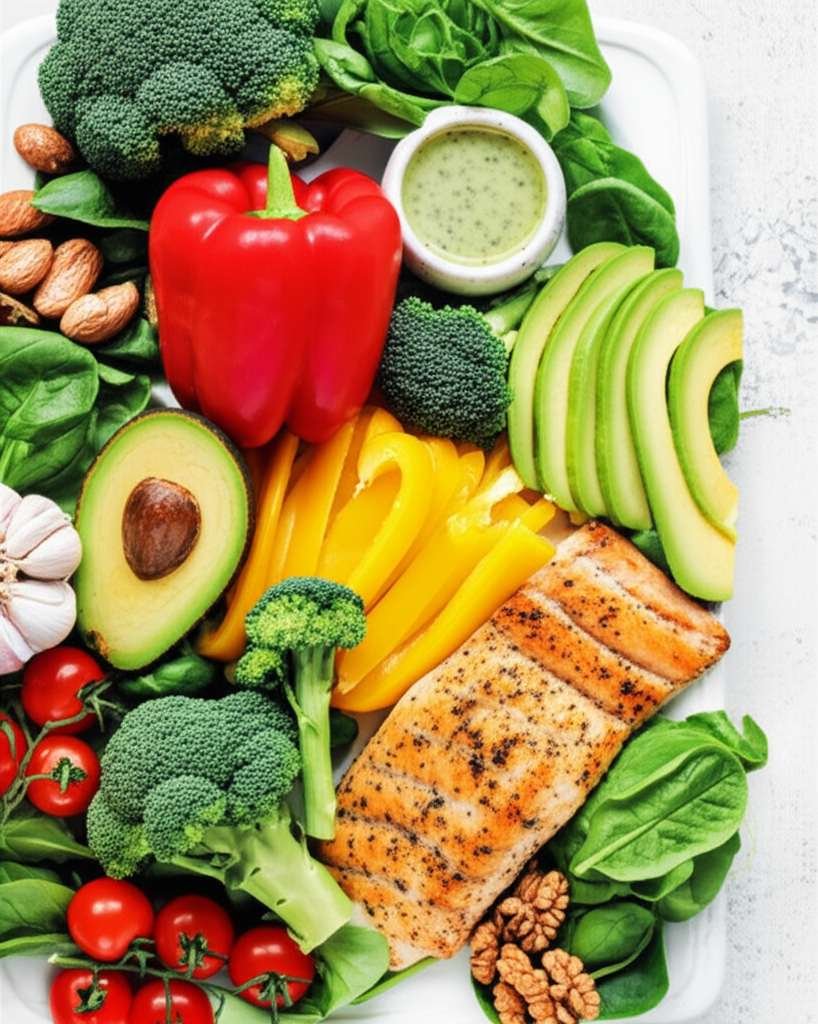
Struggling with fatty liver and weight loss? Discover 20 simple, healthy meal ideas designed to support your journey. These delicious, easy-to-prepare recipes focus on nutrient-dense foods that aid liver health and promote sustainable weight loss, making healthy eating achievable and enjoyable.
Feeling confused about how to eat for fatty liver disease and weight loss can be tough. It’s easy to get overwhelmed by conflicting advice or complex diets.
But what if I told you that healthy eating for fatty liver doesn’t have to be complicated or taste bland? It’s all about making smart, simple choices.
This guide is here to break it all down for you, step by step. We’ll explore easy, delicious meal ideas that are good for your liver and help you shed extra pounds.
Get ready to discover tasty meals that fit your busy life and support your health goals!
Understanding Fatty Liver and Weight Loss
Fatty liver disease, especially non-alcoholic fatty liver disease (NAFLD), is a common condition where excess fat builds up in your liver. It often goes hand-in-hand with being overweight or obese. The good news is that losing weight is one of the most effective ways to improve or even reverse fatty liver.
When you lose weight, you reduce the amount of fat stored throughout your body, including in your liver. This can help your liver function better and reduce inflammation. The key is to focus on a balanced diet that nourishes your body while creating a calorie deficit for weight loss.
This means choosing foods that are rich in nutrients but not overly processed or high in unhealthy fats and sugars. It’s about making sustainable changes that you can stick with long-term, rather than quick fixes.
Why Simple Meal Ideas Matter
For beginners, the idea of “dieting” can sound intimidating. You might think you need to become a gourmet chef or spend hours in the kitchen. That’s not true!
Simple meal ideas are crucial because they make healthy eating feel achievable. When meals are easy to prepare and use common ingredients, you’re more likely to stick with them. This builds confidence and creates a positive cycle of healthy habits.
Focusing on simplicity also helps you avoid falling into common weight loss traps. You can enjoy delicious, satisfying food without feeling deprived or overwhelmed by complicated rules. We’ll focus on meals that are easy to prep, require minimal ingredients, and taste great.
Key Principles for Fatty Liver Weight Loss Meals
Before we dive into the recipes, let’s quickly cover the principles that make these meals work for fatty liver and weight loss. Think of these as your meal-planning superpowers!
- Lean Protein: Helps you feel full and supports muscle mass during weight loss. Think chicken breast, fish, beans, and tofu.
- Healthy Fats: Essential for overall health and can help manage inflammation. Avocado, nuts, seeds, and olive oil are great choices.
- Fiber-Rich Carbohydrates: Whole grains, fruits, and vegetables provide energy and aid digestion, keeping you satisfied longer.
- Lots of Vegetables: Packed with vitamins, minerals, and fiber, they are low in calories and help you feel full. Aim for a variety of colors!
- Limit Added Sugars and Refined Grains: These can contribute to fat buildup in the liver and hinder weight loss.
- Hydration: Drinking plenty of water is vital for metabolism and overall health.
These principles guide our 20 meal ideas, ensuring they are not only healthy for your liver but also effective for weight loss.
20 Healthy Meal Ideas for Fatty Liver Weight Loss
Here are 20 beginner-friendly meal ideas that are perfect for supporting your fatty liver health and weight loss goals. They are designed to be simple, delicious, and easy to incorporate into your week.
Breakfast Ideas
Starting your day with a balanced breakfast can set a positive tone for your entire day. These options are quick, nutritious, and will keep you feeling satisfied.
- Overnight Oats with Berries and Seeds: Mix rolled oats, unsweetened almond milk, chia seeds, and a touch of cinnamon in a jar. Refrigerate overnight. Top with fresh berries and a sprinkle of flaxseeds in the morning. This is a great source of fiber and omega-3s.
- Scrambled Eggs with Spinach and Whole-Wheat Toast: Two scrambled eggs with a handful of fresh spinach cooked in a little olive oil. Serve with a slice of whole-wheat toast. Eggs provide protein, and spinach adds essential vitamins.
- Greek Yogurt with Fruit and Nuts: A bowl of plain Greek yogurt (high in protein) topped with your favorite fruits like berries or sliced apple, and a small handful of almonds or walnuts.
- Smoothie with Spinach, Banana, and Protein Powder: Blend unsweetened almond milk, a handful of spinach, half a banana, and a scoop of your favorite plant-based or whey protein powder. Add a tablespoon of almond butter for extra healthy fats.
- Smoked Salmon and Avocado on Whole-Grain Crackers: Top a few whole-grain crackers with a slice of smoked salmon and a few slices of avocado. This is a quick and satisfying option rich in omega-3s and healthy fats.
Lunch Ideas
Lunch should be energizing and help you avoid the afternoon slump. These ideas are perfect for packed lunches or quick meals at home.
- Large Salad with Grilled Chicken or Chickpeas: A bed of mixed greens topped with grilled chicken breast strips or a half cup of chickpeas. Add colorful vegetables like bell peppers, cucumber, and tomatoes. Dress with a light vinaigrette made with olive oil and lemon juice.
- Lentil Soup with a Side Salad: A hearty bowl of homemade or low-sodium store-bought lentil soup. Lentils are a fantastic source of fiber and plant-based protein. Serve with a small side salad dressed with olive oil and vinegar.
- Tuna Salad Lettuce Wraps: Mix canned tuna (in water, drained) with Greek yogurt or a small amount of avocado instead of mayonnaise. Add chopped celery and onion. Serve in large lettuce leaves (like romaine or butter lettuce) instead of bread.
- Quinoa Salad with Black Beans and Corn: Cooked quinoa mixed with black beans, corn, chopped red onion, cilantro, and a lime-juice dressing. This is a complete protein and fiber powerhouse.
- Baked Salmon with Roasted Asparagus: A small fillet of salmon baked with lemon and herbs, served alongside a generous portion of roasted asparagus drizzled with olive oil.
Dinner Ideas
Dinner is a great opportunity to enjoy a nutritious and satisfying meal. These recipes are designed to be flavorful and beneficial for liver health.
- Baked Chicken Breast with Steamed Broccoli and Brown Rice: A simple yet classic healthy meal. Season chicken breast with herbs and bake until cooked through. Serve with steamed broccoli and a small portion of brown rice.
- Salmon with Sweet Potato and Green Beans: Baked or pan-seared salmon seasoned with dill and lemon. Serve with a medium baked sweet potato (a good source of fiber and vitamins) and steamed green beans.
- Lean Ground Turkey Stir-fry with Mixed Vegetables: Sauté lean ground turkey with a variety of colorful vegetables like broccoli, carrots, snap peas, and bell peppers. Use a low-sodium soy sauce or tamari and a touch of ginger and garlic. Serve over a small portion of brown rice or quinoa.
- Vegetarian Chili: A hearty chili made with kidney beans, black beans, diced tomatoes, onions, peppers, and spices. This is packed with fiber and plant-based protein.
- Shrimp Scampi with Zucchini Noodles: Sauté shrimp with garlic, lemon juice, and a little white wine or vegetable broth. Toss with spiralized zucchini noodles (zoodles) for a low-carb, healthy pasta alternative.
Snack Ideas
Healthy snacks can help manage hunger between meals and prevent overeating. Choose options that are nutrient-dense.
- Apple Slices with Almond Butter: A small apple sliced and served with one to two tablespoons of natural almond butter.
- Handful of Almonds or Walnuts: A small portion (about a quarter cup) of raw, unsalted nuts.
- Carrot Sticks with Hummus: Fresh carrot sticks served with a couple of tablespoons of hummus.
- Hard-Boiled Egg: A simple, protein-packed snack that’s easy to prepare in advance.
- Edamame: Steamed edamame pods are a great source of plant-based protein and fiber.
Meal Prep Tips for Beginners
Making healthy meals consistently can be a challenge, especially when you’re busy. Meal prepping is your secret weapon!
Here are some simple tips to get you started:
- Start Small: You don’t need to prep every single meal for the week. Start by prepping lunches or just chopping vegetables for a few days.
- Batch Cook Staples: Cook a large batch of grains like quinoa or brown rice, or a lean protein like chicken breast. These can be added to salads, stir-fries, or bowls throughout the week.
- Wash and Chop Produce: Wash and chop fruits and vegetables as soon as you bring them home from the grocery store. Store them in airtight containers.
- Portion Out Snacks: Divide nuts, seeds, or cut veggies into single-serving containers or bags. This makes grabbing a healthy snack easy and prevents overconsumption.
- Invest in Good Containers: Having a good set of airtight containers makes storing prepped food much easier and keeps it fresh.
Meal prepping saves time during the week, reduces stress, and makes it much easier to make healthy choices when you’re hungry.
Sample Weekly Meal Plan Framework
Here’s a sample framework to help you visualize how these meal ideas can fit into a week. Remember, this is a template – feel free to swap meals based on your preferences and what you have available!
| Day | Breakfast | Lunch | Dinner | Snack Options |
|---|---|---|---|---|
| Monday | Overnight Oats with Berries | Large Salad with Grilled Chicken | Baked Chicken Breast with Broccoli and Brown Rice | Apple Slices with Almond Butter |
| Tuesday | Scrambled Eggs with Spinach | Lentil Soup with Side Salad | Salmon with Sweet Potato and Green Beans | Handful of Almonds |
| Wednesday | Greek Yogurt with Fruit and Nuts | Tuna Salad Lettuce Wraps | Lean Ground Turkey Stir-fry | Carrot Sticks with Hummus |
| Thursday | Smoothie with Spinach, Banana, Protein Powder | Quinoa Salad with Black Beans and Corn | Vegetarian Chili | Hard-Boiled Egg |
| Friday | Smoked Salmon and Avocado on Crackers | Leftover Vegetarian Chili | Shrimp Scampi with Zucchini Noodles | Edamame |
| Saturday | Overnight Oats with Berries | Large Salad with Chickpeas | Baked Salmon with Roasted Asparagus | Apple Slices with Almond Butter |
| Sunday | Scrambled Eggs with Spinach | Leftover Salmon with Asparagus | Lean Ground Turkey Stir-fry (prep for Monday) | Handful of Walnuts |
Hydration: Your Liver’s Best Friend
Don’t forget the power of water! Staying well-hydrated is crucial for overall health, including liver function and weight loss. Water helps your body’s systems work efficiently, aids in flushing out toxins, and can even help you feel fuller.
Aim to drink plenty of water throughout the day. You can also incorporate herbal teas (unsweetened) or water infused with fruits like lemon or cucumber. Limit sugary drinks, sodas, and excessive fruit juice, as these can add extra calories and sugar without much nutritional benefit.
A good general guideline is to aim for at least 8 glasses (about 2 liters) of water per day, but your individual needs may vary based on activity level and climate. Listen to your body!
The Importance of Physical Activity
While this article focuses on nutrition, it’s important to remember that combining healthy eating with regular physical activity is a powerful strategy for both fatty liver disease management and weight loss. Exercise helps burn calories, improves insulin sensitivity, and can even help reduce liver fat.
Aim for a mix of aerobic exercise (like brisk walking, jogging, swimming, or cycling) and strength training. Start with what feels manageable and gradually increase the intensity and duration. Even moderate activity can make a significant difference. Consult with your doctor before starting any new exercise program.
For more information on the benefits of exercise for NAFLD, the National Institute of Diabetes and Digestive and Kidney Diseases (NIDDK) provides excellent resources on liver health.
When to Seek Professional Advice
While these meal ideas are designed to be safe and beneficial for most people, it’s always a good idea to consult with healthcare professionals. If you have been diagnosed with fatty liver disease or have other health concerns, talk to your doctor or a registered dietitian.
They can provide personalized advice based on your specific health status, medical history, and individual needs. They can also help you create a comprehensive weight loss and management plan that’s tailored just for you. This ensures you’re on the safest and most effective path forward.
Frequently Asked Questions (FAQ)
What are the best foods to eat for fatty liver?
Focus on whole, unprocessed foods. This includes lean proteins (fish, chicken, beans), plenty of colorful vegetables, fruits, whole grains (like quinoa and brown rice), and healthy fats (avocado, nuts, olive oil). Limiting sugar, refined carbs, and saturated fats is key.
Can I lose weight with fatty liver disease?
Yes, absolutely! Weight loss is one of the most effective ways to improve fatty liver disease. Even a modest weight loss of 5-10% of your body weight can significantly reduce liver fat and inflammation.
Are all fats bad for fatty liver?
No, not all fats are bad. Healthy fats, like those found in avocados, nuts, seeds, and olive oil, are actually beneficial. They can help reduce inflammation and are important for overall health. It’s saturated and trans fats you want to limit.
How much weight do I need to lose to see improvement in my fatty liver?
Studies show that losing just 5-10% of your body weight can lead to significant improvements in liver fat and inflammation. Even small, consistent weight loss can make a difference.
Is it okay to eat eggs if I have fatty liver?
Yes, eggs are generally considered healthy for people with fatty liver disease. They are a good source of protein and nutrients. The key is moderation and how you prepare them – avoid frying in unhealthy oils.
What should I avoid eating if I have fatty liver?
You should avoid or limit foods high in added sugars (soda, candy, pastries), refined carbohydrates (white bread, white pasta), fried foods, processed meats, and excessive amounts of saturated and trans fats. Alcohol should also be avoided or significantly reduced, especially if advised by your doctor.
How quickly can I expect to see results in my liver from diet changes and weight loss?
Improvements can vary from person to person. However, many individuals start to notice positive changes in their liver enzymes and reduced liver fat within a few months of consistent healthy eating and weight loss. Long-term commitment yields the best results.
Conclusion
Taking charge of your health, especially when dealing with fatty liver disease and weight loss, is a journey. It’s about making sustainable, healthy choices that nourish your body and support your liver.
You’ve now got 20 delicious and easy meal ideas to get you started. Remember the key principles: lean protein, healthy fats, plenty of fiber from vegetables and whole grains, and staying hydrated. Simple meal prep can make sticking to your goals much easier.
Don’t strive for perfection; strive for progress. Every healthy meal you choose is a step forward. Be patient with yourself, celebrate your successes, and know that you are capable of achieving your health goals. You’ve got this!
As an Amazon Associate, We earn from qualifying purchases. When you purchase a product through Amazon links on pulsefitguide.com, we may earn a small commission at no extra cost to you. This helps support the site and keep our content free.
