


Discover 20 high protein foods that make fatty liver weight loss simpler and more effective. This guide provides easy-to-understand, budget-friendly options to help you manage your condition and shed pounds, focusing on delicious and accessible choices.
Are you struggling with fatty liver and feeling overwhelmed by weight loss? It’s totally normal to find it confusing. Many people face this challenge, and it can feel like a big hurdle.
But what if I told you that a few simple food swaps could make a huge difference? Focusing on the right foods can support your liver health and help you reach your weight loss goals.
This guide is here to break it all down for you. We’ll explore delicious, protein-packed foods that are easy to find and prepare.
Get ready to discover a straightforward path to feeling better and managing your fatty liver. Let’s dive into how protein can be your best ally!
Why Protein is Your Secret Weapon for Fatty Liver Weight Loss
When we talk about fatty liver disease, it means there’s too much fat building up in your liver. This can happen for many reasons, and often, excess weight plays a big role. Losing weight is one of the most effective ways to improve or even reverse fatty liver.
This is where protein shines! Protein is a superstar nutrient for weight loss, especially when you’re managing a condition like fatty liver. It helps you feel full longer, which means you’re less likely to overeat or reach for unhealthy snacks.
Think of protein as a powerful tool that supports your body in multiple ways. It helps build and repair tissues, and crucially, it can boost your metabolism. A faster metabolism means your body burns more calories, aiding in weight loss.
Plus, when you’re losing weight, you want to make sure you’re not losing muscle mass. Protein is essential for preserving lean muscle, which is vital for overall health and maintaining a healthy weight.
The Power of Protein for Liver Health
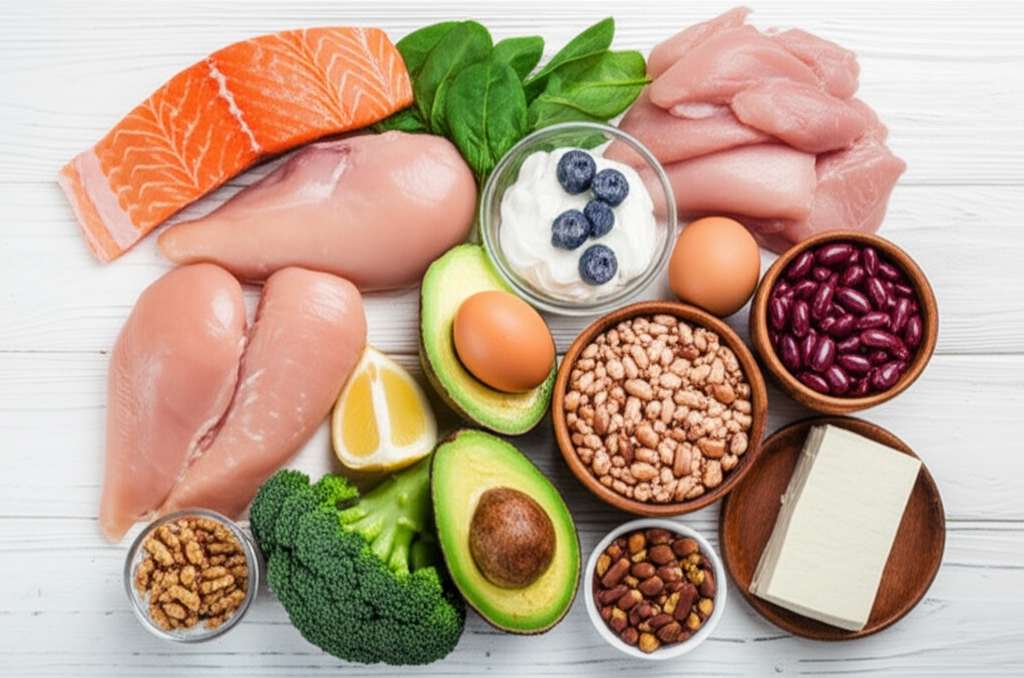
Beyond weight loss, protein plays a direct role in supporting your liver. Your liver needs protein to function correctly and to repair itself. When your liver is healthy, it can do its job better, including processing fats and toxins.
By choosing protein-rich foods, you’re not just working on your weight; you’re actively helping your liver heal. This dual benefit makes protein a cornerstone of any diet aimed at managing fatty liver.
We’ll look at specific foods that offer these benefits, making your journey easier and tastier.
Your Go-To List: 20 High-Protein Foods for Fatty Liver Weight Loss
Finding the right foods can seem like a puzzle, but it doesn’t have to be complicated. The key is to focus on lean proteins that are both nutritious and satisfying. Here are 20 fantastic options that are great for your liver and your weight loss goals.
1. Chicken Breast
This is a classic for a reason! Chicken breast is incredibly lean, meaning it has a lot of protein with very little fat. It’s also super versatile, so you can cook it in countless healthy ways.
Why it’s great: High protein, low fat, widely available.
How to enjoy: Grilled, baked, stir-fried, or added to salads.
2. Turkey Breast
Similar to chicken breast, turkey breast is another excellent lean protein source. It’s a great alternative if you want to switch things up.
Why it’s great: Lean, rich in protein, good source of B vitamins.
How to enjoy: Roasted, in sandwiches (opt for whole grain bread), or as part of a stir-fry.
3. Salmon
Salmon is a fatty fish, but it’s packed with healthy omega-3 fatty acids, which are excellent for reducing inflammation and supporting heart health. These healthy fats can be beneficial for fatty liver.
Why it’s great: High in protein and omega-3s, supports liver and heart health.
How to enjoy: Baked, grilled, or pan-seared.
4. Tuna (Canned in Water)
Canned tuna is a convenient and affordable protein powerhouse. Opt for tuna packed in water to keep the fat content low.
Why it’s great: Quick, easy, high protein, budget-friendly.
How to enjoy: In salads, sandwiches, or mixed with a little Greek yogurt instead of mayo.
5. Cod
Cod is a flaky white fish that is very low in fat and calories, making it a fantastic lean protein choice.
Why it’s great: Very lean, good source of protein, mild flavor.
How to enjoy: Baked with lemon and herbs, or pan-fried.
6. Shrimp
Shrimp is a quick-cooking protein that’s also quite low in calories. It’s a great way to add protein to meals without a lot of added fat.
Why it’s great: Low calorie, high protein, cooks very fast.
How to enjoy: In salads, stir-fries, or grilled skewers.
7. Lentils
Lentils are a fantastic plant-based protein source. They also provide a good amount of fiber, which is great for digestion and helps you feel full.
Why it’s great: Plant-based protein, high fiber, affordable.
How to enjoy: In soups, stews, salads, or as a side dish.
8. Chickpeas
Another versatile legume, chickpeas are packed with protein and fiber. They’re a staple in many healthy diets for good reason.
Why it’s great: Plant-based protein, fiber-rich, can be used in many dishes.
How to enjoy: Roasted for a crunchy snack, in salads, hummus, or curries.
9. Black Beans
Black beans are a nutritional powerhouse, offering protein, fiber, and various vitamins and minerals.
Why it’s great: Excellent source of plant protein and fiber.
How to enjoy: In chili, tacos, salads, or as a side.
10. Greek Yogurt (Plain, Non-Fat)
Plain, non-fat Greek yogurt is significantly higher in protein than regular yogurt. It’s a creamy and satisfying option.
Why it’s great: Very high protein, good for gut health (probiotics), versatile.
How to enjoy: For breakfast with berries, as a snack, or a base for dips.
11. Cottage Cheese (Low-Fat)
Low-fat cottage cheese is another protein-dense dairy option. It’s a great way to get a protein boost, especially before bed if you feel hungry.
Why it’s great: High in casein protein (slow-digesting), satisfying.
How to enjoy: Plain, with fruit, or as a savory snack.
12. Eggs
Eggs are a complete protein source, meaning they contain all the essential amino acids your body needs. They are also packed with nutrients.
Why it’s great: Complete protein, affordable, versatile, rich in vitamins.
How to enjoy: Boiled, scrambled, poached, or in omelets.
13. Tofu
Tofu is made from soybeans and is a complete protein source. It’s incredibly versatile and absorbs flavors well, making it a great meat substitute.
Why it’s great: Plant-based complete protein, absorbs flavors easily.
How to enjoy: Stir-fried, baked, blended into smoothies, or added to curries.
14. Tempeh
Tempeh is another soy-based protein that is fermented, giving it a firmer texture and a nuttier flavor than tofu. It’s also rich in protein and fiber.
Why it’s great: Fermented soy protein, high in protein and fiber, good for gut health.
How to enjoy: Marinated and then baked, fried, or crumbled into dishes.
15. Edamame
These young soybeans are a complete plant-based protein and are fun to eat. They’re a great snack or addition to meals.
Why it’s great: Complete plant protein, fiber, vitamins, and minerals.
How to enjoy: Steamed and lightly salted as a snack, or added to salads and stir-fries.
16. Quinoa
While often considered a grain, quinoa is actually a seed and is a complete protein source, which is rare for plant-based foods.
Why it’s great: Complete plant protein, good source of fiber and minerals.
How to enjoy: As a side dish, in salads, or as a breakfast porridge.
17. Almonds
Nuts are a good source of protein, healthy fats, and fiber. Almonds are particularly nutrient-dense. Remember to eat them in moderation due to their calorie content.
Why it’s great: Protein, healthy fats, fiber, vitamin E.
How to enjoy: As a snack (a small handful), or added to salads and yogurt.
18. Peanut Butter (Natural)
Choose natural peanut butter where peanuts are the only ingredient (or one of very few). It provides protein and healthy fats.
Why it’s great: Good source of protein and healthy fats.
How to enjoy: On whole-grain toast, with fruit slices, or in smoothies.
19. Lean Beef (e.g., Sirloin, Tenderloin)
Lean cuts of beef can be a good source of protein and iron. Choose cuts with minimal visible fat and trim off any excess.
Why it’s great: High-quality protein, rich in iron and B vitamins.
How to enjoy: Grilled, baked, or in lean stews.
20. Pork Tenderloin
Similar to lean beef, pork tenderloin is a very lean cut of pork that offers a good amount of protein.
Why it’s great: Lean protein, B vitamins.
How to enjoy: Roasted, grilled, or pan-seared.
Making Protein Work for You: Simple Strategies
Adding more protein to your diet is a fantastic step, but how do you do it effortlessly? Here are some easy strategies to help you incorporate these protein-rich foods into your daily meals.
1. Start Your Day with Protein
Breakfast is a great opportunity to kickstart your protein intake. Instead of sugary cereals, try options like:
Scrambled eggs with spinach.
Greek yogurt with a few berries and a sprinkle of nuts.
A small smoothie with protein powder or Greek yogurt.
This helps you feel fuller for longer and can prevent mid-morning cravings.
2. Build Meals Around Protein Sources
When planning your lunch or dinner, think about your protein first. Then, add plenty of colorful vegetables and a moderate portion of healthy carbohydrates.
For example:
Lunch: A large salad with grilled chicken breast or chickpeas.
Dinner: Baked salmon with roasted broccoli and a small serving of quinoa.
This approach ensures you’re getting enough protein without overthinking the rest of the meal.
3. Smart Snacking
Snacks are where many people derail their healthy eating plans. Instead of chips or cookies, reach for protein-packed options:
A hard-boiled egg.
A small handful of almonds.
A cup of cottage cheese.
Edamame.
These snacks will keep you satisfied until your next meal.
4. Embrace Convenience Foods Wisely
Don’t shy away from convenient protein sources. Canned tuna, pre-cooked chicken strips, or frozen edamame can be lifesavers on busy days. Just check the labels for added sugars or sodium.
5. Hydration is Key
While not a food, staying well-hydrated is crucial for overall health and can support your weight loss efforts. Water helps your body function optimally, including your liver.
6. Portion Control for Healthy Fats
Foods like salmon, nuts, and peanut butter are healthy, but they are also calorie-dense. Be mindful of your portion sizes to manage your overall calorie intake for effective weight loss.
Understanding Macronutrients: Protein, Fat, and Carbohydrates
To truly master weight loss and support your liver, it’s helpful to understand the basic building blocks of food: macronutrients. These are protein, fats, and carbohydrates.
Protein: Essential for building and repairing tissues, satiety, and metabolism. It’s crucial for muscle maintenance during weight loss.
Fats: Necessary for hormone production and nutrient absorption. However, the type and amount of fat are critical, especially with fatty liver. Focusing on healthy fats like those in fish, nuts, and seeds is key. Limiting saturated and trans fats is also important for liver health.
Carbohydrates: Provide energy. For fatty liver and weight loss, the focus should be on complex carbohydrates (whole grains, vegetables, fruits) rather than refined sugars and white flours, which can worsen fat buildup in the liver and hinder weight loss.
A balanced approach that prioritizes lean protein, healthy fats, and complex carbohydrates is ideal.
Macronutrient Breakdown for Fatty Liver Weight Loss
Here’s a simplified look at how macronutrients fit into a fatty liver weight loss plan:
| Macronutrient | Role in Fatty Liver Weight Loss | Focus On | Limit/Avoid |
| :————- | :———————————————————————————————— | :————————————————————————————————— | :—————————————————————————————————————- |
| Protein | Promotes satiety, preserves muscle mass, supports metabolism, aids liver repair. | Lean meats, fish, poultry, eggs, dairy, legumes, tofu, tempeh. | Processed meats high in saturated fat, fried protein sources. |
| Fats | Provides essential fatty acids, supports hormone function. Healthy fats can reduce inflammation. | Omega-3s (salmon, flaxseeds), monounsaturated fats (avocado, olive oil), nuts, seeds. | Saturated fats (fatty meats, butter, full-fat dairy), trans fats (processed snacks, fried foods). |
| Carbohydrates | Provides energy. Complex carbs offer fiber and nutrients. | Whole grains (quinoa, oats, brown rice), vegetables, fruits, legumes. | Refined sugars (soda, candy), white bread, pastries, processed snacks. |
This table highlights that not all fats and carbs are created equal. The quality and source matter significantly for managing fatty liver and achieving weight loss.
Putting It All Together: A Sample Meal Plan Idea
To make things even clearer, let’s sketch out what a day of eating might look like, focusing on these high-protein, liver-friendly choices. This is just an idea to get you started!
Breakfast:
Two scrambled eggs cooked with a teaspoon of olive oil.
A side of spinach sautéed with garlic.
Half a grapefruit.
Lunch:
A large mixed green salad with:
4 oz grilled chicken breast or a cup of chickpeas.
Assorted vegetables (cucumber, tomatoes, bell peppers).
A light vinaigrette dressing made with olive oil and lemon juice.
Snack:
1 cup of plain, non-fat Greek yogurt with a small handful of berries.
Dinner:
4-5 oz baked salmon.
Steamed asparagus or broccoli.
A small portion (about 1/2 cup cooked) of quinoa.
Evening Snack (if needed):
A small handful of almonds (about 1/4 cup).
This sample day is rich in protein, includes healthy fats, plenty of fiber from vegetables and quinoa, and limits processed foods and refined sugars. Remember to adjust portion sizes based on your individual needs and hunger levels.
Frequently Asked Questions About High Protein Foods and Fatty Liver
Here are some common questions beginners have about using protein to help with fatty liver and weight loss.
Q1: How much protein should I eat per day for fatty liver weight loss?
A: A general recommendation for weight loss is to aim for about 0.7 to 1 gram of protein per pound of your target body weight. For fatty liver, focusing on lean protein sources is key. It’s always best to talk to your doctor or a registered dietitian for personalized advice.
Q2: Can I eat fatty fish like salmon every day?
A: While salmon is great for its omega-3s, it’s generally recommended to eat fatty fish 2-3 times per week. This provides the benefits of omega-3s without overdoing it. Other lean fish and protein sources can be enjoyed on other days.
Q3: Are protein shakes good for fatty liver?
A: Protein shakes can be a convenient way to boost protein intake, but choose wisely. Opt for shakes with minimal added sugar and artificial ingredients. Whey, casein, or plant-based proteins (like pea or soy) can be good options. However, whole food sources are always preferred for their broader nutrient profile.
Q4: What kind of carbohydrates should I eat if I have fatty liver?
A: Focus on complex carbohydrates that are high in fiber. This includes whole grains like quinoa, oats, and brown rice, as well as plenty of vegetables, fruits, and legumes. These are digested slowly, helping to manage blood sugar and energy levels, and are beneficial for liver health.
Q5: Can I lose weight with fatty liver without focusing on protein?
A: While weight loss is possible through calorie restriction alone, focusing on protein makes the process much more effective and sustainable, especially for managing fatty liver. Protein helps with satiety, muscle preservation, and metabolism, which are all critical for successful weight loss and liver health.
Q6: What are some good plant-based protein sources for fatty liver?
A: Excellent plant-based options include lentils, chickpeas, black beans, tofu, tempeh, edamame, and quinoa. These are not only rich in protein but also packed with fiber and other essential nutrients that support overall health and liver function.
Q7: Should I avoid all fats if I have fatty liver?
A: No, you don’t need to avoid all fats. In fact, healthy fats are important! The key is to focus on unsaturated fats, especially omega-3 fatty acids found in fatty fish, and monounsaturated fats found in olive oil, avocados, and nuts. It’s crucial to limit saturated and trans fats, which can worsen liver fat accumulation.
Navigating Your Fatty Liver Journey with Confidence
You’ve got this! Managing fatty liver and working towards weight loss can feel like a big task, but it’s absolutely achievable. By focusing on incorporating more high-protein foods into your diet, you’re making a smart, effective choice.
These 20 foods are your allies. They’ll help you feel fuller, support your metabolism, and contribute to better liver health. Remember, the goal isn’t perfection, but progress. Small, consistent changes add up to big results over time.
Don’t be afraid to experiment in the kitchen and find out which of these protein powerhouses you enjoy the most. Your journey to a healthier you is a delicious adventure, and with the right fuel, you’re well on your way to success. Keep up the great work!
As an Amazon Associate, We earn from qualifying purchases. When you purchase a product through Amazon links on pulsefitguide.com, we may earn a small commission at no extra cost to you. This helps support the site and keep our content free.
