


Quick Summary:
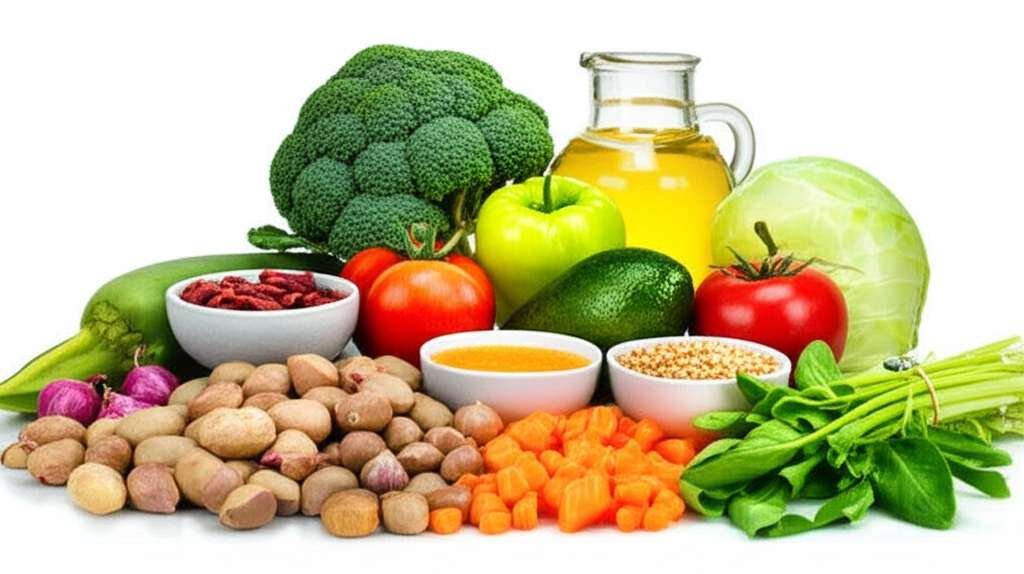
To lose weight with fatty liver, focus on nutrient-dense, whole foods like fatty fish, leafy greens, berries, and lean proteins. These foods help reduce liver fat, inflammation, and support a healthy weight. This guide offers 20 essential foods to embrace for your fatty liver weight loss journey.
Dealing with fatty liver and trying to lose weight can feel like a puzzle. It’s totally understandable if you’re finding it a bit confusing or frustrating right now.
But guess what? It doesn’t have to be that way! Think of me as your friendly coach, here to break down the science into simple, actionable steps.
We’ll explore exactly what foods can help your liver get healthier and support your weight loss goals. Get ready to feel more confident and in control.
Let’s dive into 20 amazing foods that can make a real difference on your journey!
Understanding Fatty Liver and Weight Loss
Fatty liver disease, also known as non-alcoholic fatty liver disease (NAFLD), is a common condition where excess fat builds up in your liver. When this happens, your liver can become inflamed and may not work as well as it should.
Weight loss is often the most effective way to manage and even reverse fatty liver. Losing even a small amount of weight can significantly reduce fat in the liver and improve its function. This is why focusing on what you eat is so crucial.
But it’s not about strict dieting; it’s about choosing the right foods that nourish your body and support your liver’s healing process while helping you shed extra pounds.
Why Food Choices Matter for Fatty Liver Weight Loss
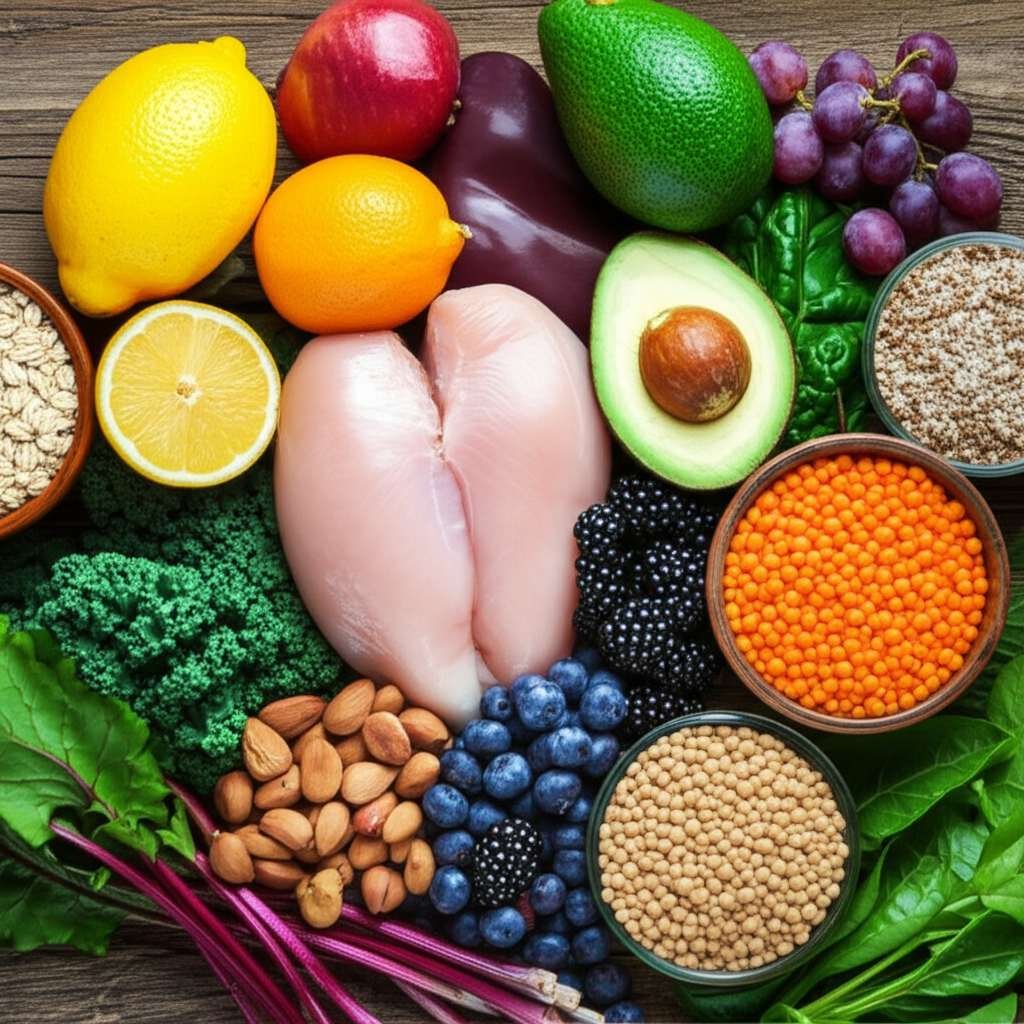
Your liver is like your body’s master chef and detox center. When it’s overloaded with fat, it struggles to do its many jobs efficiently, including processing fats and sugars from your diet.
Certain foods can help reduce inflammation, improve insulin sensitivity, and promote fat burning, all of which are key for both fatty liver and weight loss. On the flip side, other foods can make the problem worse.
By making smart food choices, you’re giving your liver the building blocks it needs to recover and helping your body become a more efficient fat-burning machine. It’s a win-win!
20 Essential Foods for Fatty Liver Weight Loss
Let’s get to the good stuff! These 20 foods are packed with nutrients that can help you on your path to a healthier liver and a lighter you. Remember, variety is key, so aim to include a mix of these in your meals.
1. Fatty Fish (Salmon, Mackerel, Sardines)
These fish are powerhouses of omega-3 fatty acids. Omega-3s are fantastic for reducing inflammation throughout your body, including in the liver. They can also help lower triglycerides, a type of fat in your blood that can contribute to fatty liver.
Choosing fatty fish a couple of times a week is a delicious way to support your liver health and get lean protein, which helps you feel full.
2. Leafy Greens (Spinach, Kale, Swiss Chard)
Think of leafy greens as nature’s broom for your liver. They are low in calories but high in vitamins, minerals, and antioxidants. These nutrients help protect your liver cells from damage and can aid in detoxification processes.
Adding a generous serving of greens to your salads, smoothies, or cooked meals is an easy way to boost your nutrient intake without adding many calories.
3. Berries (Blueberries, Strawberries, Raspberries)
Berries are bursting with antioxidants, especially anthocyanins, which give them their vibrant colors. These compounds can help protect your liver from oxidative stress and inflammation. Plus, they are relatively low in sugar compared to other fruits.
Enjoy them as a snack, in your oatmeal, or blended into a healthy smoothie. They add natural sweetness and a powerful health punch.
4. Walnuts
Walnuts are one of the best plant-based sources of omega-3 fatty acids (ALA). They also contain healthy fats, fiber, and antioxidants that can help reduce inflammation and improve liver enzyme levels.
A small handful of walnuts makes a great snack or a crunchy addition to salads and yogurt. Just be mindful of portion sizes, as they are calorie-dense.
5. Olive Oil
Extra virgin olive oil is a cornerstone of the Mediterranean diet, known for its heart and liver benefits. It’s rich in monounsaturated fats and antioxidants that can help reduce fat buildup in the liver and improve liver enzyme levels.
Use it for salad dressings, drizzling over vegetables, or in light sautéing. Opt for extra virgin for the most health benefits.
6. Broccoli
This cruciferous vegetable is a nutritional superstar. Broccoli contains compounds that may help protect your liver from damage and can support weight loss due to its high fiber and low-calorie content.
Steamed, roasted, or added to stir-fries, broccoli is a versatile and healthy choice for anyone managing fatty liver.
7. Garlic
Don’t underestimate the power of garlic! Studies suggest that garlic supplements can help reduce liver fat and weight in people with NAFLD. Garlic contains allicin and selenium, which are beneficial for liver health.
Adding fresh garlic to your cooking not only enhances flavor but also provides these protective compounds. A little goes a long way!
8. Grapefruit
Grapefruit is rich in antioxidants like naringenin and naringin. These compounds have been shown to protect the liver by reducing inflammation and safeguarding liver cells. It’s also a good source of vitamin C.
Enjoy half a grapefruit for breakfast or as a refreshing snack. Be aware of potential interactions with certain medications, so check with your doctor if you’re unsure.
9. Oats and Whole Grains
Oats are a great source of soluble fiber, particularly beta-glucans. Fiber is crucial for weight loss as it helps you feel full longer, aids digestion, and can help improve insulin sensitivity. A healthy gut is also linked to a healthy liver.
Start your day with a bowl of oatmeal, or choose other whole grains like quinoa, brown rice, and barley for sustained energy and liver support.
10. Green Tea
Green tea is loaded with catechins, a type of antioxidant that has been linked to improved liver function and reduced liver fat. It’s also a calorie-free beverage that can help you stay hydrated and may boost your metabolism slightly.
Drinking a few cups of green tea daily can be a simple yet effective way to support your liver and overall health.
11. Turmeric
The active compound in turmeric, curcumin, is a potent anti-inflammatory and antioxidant. It can help protect the liver from damage and may even help reverse some of the effects of fatty liver disease.
Add turmeric to your curries, soups, or make a golden milk latte. For better absorption, pair it with black pepper.
12. Avocados
Avocados are rich in healthy monounsaturated fats, fiber, and antioxidants. These healthy fats can help reduce inflammation and promote satiety, aiding in weight management. They also contain beneficial compounds that may help protect the liver.
Enjoy avocado on toast, in salads, or as a healthy dip. Like walnuts, they are calorie-dense, so moderation is key.
13. Lentils and Beans
These legumes are excellent sources of plant-based protein and fiber. They are low in calories and help you feel full, making them ideal for weight loss. Their fiber content also supports gut health, which is increasingly recognized as important for liver health.
Incorporate lentils and beans into soups, stews, salads, or make them the star of a vegetarian meal.
14. Apples
Apples contain a type of fiber called pectin, which can help reduce the amount of fat your liver absorbs. They are also a good source of antioxidants and can be a satisfying, low-calorie snack that curbs sugar cravings.
Eating an apple a day can contribute to better digestion and help manage your weight.
15. Sweet Potatoes
Sweet potatoes are a great source of complex carbohydrates, fiber, and vitamins, particularly vitamin A. They provide sustained energy and help you feel full longer than refined carbs. Their fiber content supports digestion and can aid in weight management.
Bake, roast, or mash them as a healthier alternative to white potatoes.
16. Seeds (Flaxseeds, Chia Seeds, Hemp Seeds)
Like walnuts, these seeds are tiny powerhouses of omega-3 fatty acids, fiber, and protein. They can help reduce inflammation, improve digestion, and keep you feeling satisfied.
Sprinkle them on yogurt, oatmeal, or add them to smoothies for an extra nutritional boost.
17. Kefir and Yogurt (Plain, Unsweetened)
These fermented dairy products are rich in probiotics, which are beneficial bacteria that support gut health. A healthy gut microbiome is linked to reduced inflammation and improved liver function. Choose plain, unsweetened varieties to avoid added sugars.
They provide protein and calcium, making them a great snack or breakfast option.
18. Pears
Similar to apples, pears are a good source of fiber, particularly pectin. This fiber helps with digestion and can contribute to feelings of fullness, supporting weight loss efforts. They are also a naturally sweet and low-calorie fruit.
Enjoy pears as a snack or add them to your morning cereal.
19. Brazil Nuts
Brazil nuts are exceptionally high in selenium, an essential mineral that acts as a powerful antioxidant. Selenium plays a role in protecting the liver from oxidative damage and supports overall immune function. Just one or two nuts per day can provide your daily selenium needs.
Remember that they are calorie-dense, so a small serving is sufficient.
20. Artichokes
Artichokes contain cynarin and silymarin, compounds that are known to support liver health by stimulating bile production and protecting liver cells. They are also a good source of fiber and low in calories.
Enjoy steamed artichokes with a light lemon-herb dressing or add artichoke hearts to salads and pasta dishes.
Foods to Limit or Avoid for Fatty Liver Weight Loss
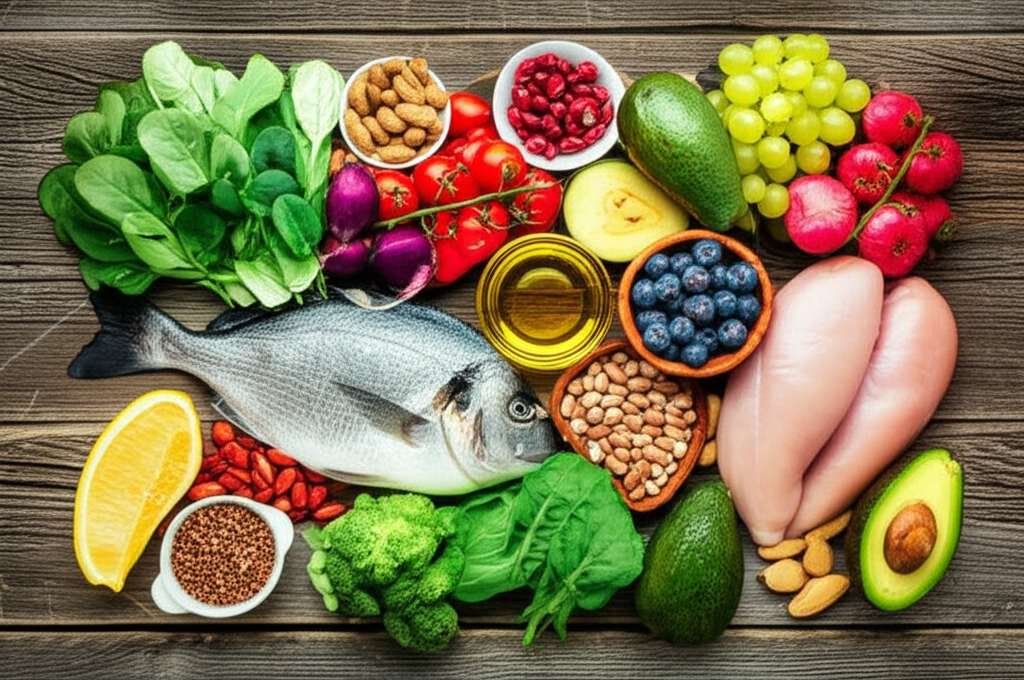
Just as important as knowing what to eat is knowing what to limit. Certain foods can contribute to fat buildup in the liver and hinder your weight loss efforts. The goal is to reduce inflammation and support your liver’s recovery.
Here’s a quick rundown of foods to be mindful of:
- Sugary Drinks: Sodas, fruit juices with added sugar, sweetened teas, and sports drinks can quickly overload your liver with fructose, contributing to fat buildup.
- Refined Carbohydrates: White bread, white pasta, pastries, and sugary cereals are quickly converted to sugar in your body, potentially increasing liver fat.
- Fried Foods: These are typically high in unhealthy fats and calories, which can worsen inflammation and contribute to weight gain.
- Processed Meats: Sausages, bacon, and deli meats are often high in sodium and unhealthy fats.
- Excessive Saturated and Trans Fats: Found in fatty cuts of red meat, butter, full-fat dairy, and many processed snacks and baked goods.
- Alcohol: While this guide focuses on non-alcoholic fatty liver disease, excessive alcohol intake is a major cause of liver damage and should be avoided.
Focusing on whole, unprocessed foods will naturally help you reduce your intake of these less beneficial items.
Creating a Fatty Liver-Friendly Meal Plan
Putting these foods into practice can seem daunting, but it’s all about building healthy habits one meal at a time. Here’s a simple framework to get you started:
Step 1: Start Your Day Right
Begin with a breakfast that includes protein and fiber. Think oatmeal with berries and a sprinkle of seeds, or scrambled eggs with spinach and whole-wheat toast.
Step 2: Build Balanced Lunches and Dinners
Aim for a plate that’s half non-starchy vegetables (like leafy greens, broccoli, bell peppers), a quarter lean protein (like salmon, chicken breast, lentils), and a quarter complex carbohydrates (like quinoa, sweet potato, brown rice).
Use healthy fats like olive oil for cooking and dressings.
Step 3: Smart Snacking
When hunger strikes between meals, reach for nutrient-dense options. A handful of walnuts, an apple, a small bowl of berries, or plain yogurt with a few almonds are excellent choices.
Step 4: Hydrate Wisely
Water is your best friend! Aim for at least 8 glasses a day. Green tea is another great option. Limit sugary drinks and excessive caffeine.
Step 5: Mindful Portions
Even healthy foods have calories. Be aware of portion sizes, especially with calorie-dense foods like nuts, seeds, and avocados. This is crucial for weight loss.
Sample Meal Ideas
Here are a few simple meal ideas to inspire you:
| Meal Type | Idea 1 | Idea 2 | Idea 3 |
|---|---|---|---|
| Breakfast | Oatmeal with berries, chia seeds, and a drizzle of honey (optional). | Scrambled eggs with spinach and mushrooms, side of whole-wheat toast. | Plain Greek yogurt with walnuts and sliced pear. |
| Lunch | Large salad with grilled salmon, mixed greens, cucumber, tomatoes, and olive oil vinaigrette. | Lentil soup with a side of whole-grain bread. | Chicken breast stir-fry with broccoli, bell peppers, and brown rice, seasoned with garlic and ginger. |
| Dinner | Baked cod with roasted sweet potatoes and steamed green beans. | Quinoa bowl with black beans, corn, avocado, and salsa. | Lean turkey meatballs with zucchini noodles and a light tomato sauce. |
| Snacks | Handful of almonds or walnuts. | Apple slices with a tablespoon of almond butter. | A small bowl of mixed berries. |
The Role of Exercise in Fatty Liver Weight Loss
While diet is a primary focus, regular physical activity is incredibly beneficial for both fatty liver disease and weight loss. Exercise helps your body use insulin more effectively, which can reduce fat buildup in the liver.
Aim for a combination of aerobic exercise (like brisk walking, jogging, swimming, or cycling) and strength training. Even moderate activity most days of the week can make a significant difference. For instance, the National Institute of Diabetes and Digestive and Kidney Diseases (NIDDK) recommends regular physical activity as part of managing liver health.
Consistency is more important than intensity, especially when you’re starting out. Find activities you enjoy to make it a sustainable habit.
When to Seek Professional Help
This guide provides general information, but it’s essential to remember that everyone’s body is different. If you have been diagnosed with fatty liver disease or are struggling with your weight, it’s always a good idea to consult with healthcare professionals.
A doctor can provide a proper diagnosis and monitor your liver health. A registered dietitian or a certified weight loss coach can help you create a personalized meal plan tailored to your specific needs, preferences, and medical history. They can ensure you’re getting all the necessary nutrients while working towards your goals.
Frequently Asked Questions (FAQs)
Q1: Can I reverse fatty liver just by losing weight?
Yes, weight loss is one of the most effective ways to reduce fat in the liver and can often reverse non-alcoholic fatty liver disease. Even a 5-10% reduction in body weight can lead to significant improvements in liver health.
Q2: How much weight do I need to lose for my fatty liver to improve?
Studies show that losing as little as 5% to 10% of your body weight can significantly reduce liver fat and inflammation. Significant improvements in liver enzyme levels and histology are often seen with this amount of weight loss.
Q3: Are fruits okay to eat if I have fatty liver?
Yes, whole fruits are generally a good choice as they contain fiber, vitamins, and antioxidants. The fiber helps slow down sugar absorption. However, it’s best to consume whole fruits rather than fruit juices, which can be high in concentrated sugars.
Q4: What kind of fat is good for fatty liver?
Focus on unsaturated fats, especially monounsaturated and polyunsaturated fats, including omega-3 fatty acids. These are found in foods like fatty fish, avocados, nuts, seeds, and olive oil. These fats can help reduce inflammation and improve liver health.
Q5: How often should I eat fatty fish?
Aim to include fatty fish like salmon, mackerel, or sardines in your diet at least two times per week. This provides a good intake of omega-3 fatty acids, which are beneficial for reducing inflammation and liver fat.
Q6: Can I drink coffee for fatty liver?
For most people, moderate coffee consumption (especially black coffee) is actually associated with a reduced risk and slower progression of liver disease, including fatty liver. It’s thought to have protective effects. However, avoid adding excessive sugar or cream.
Q7: Is it okay to eat eggs if I have fatty liver?
Yes, eggs are a good source of protein and can be part of a healthy diet for fatty liver. They contain choline, a nutrient important for liver health. The concern about eggs and cholesterol has largely been debunked for most people when consumed in moderation as part of a balanced diet.
Conclusion
Embarking on a journey to lose weight with fatty liver might seem like a challenge, but it’s incredibly achievable with the right knowledge and support. By focusing on nutrient-dense, whole foods like fatty fish, leafy greens, berries, and whole grains, you’re actively helping your liver heal and supporting your body’s natural weight management processes.
Remember, this isn’t about deprivation; it’s about making nourishing choices that fuel your body and boost your health. Small, consistent changes can lead to big results. Combine these dietary strategies with regular physical activity, and you’ll be well on your way to a healthier, happier you.
You’ve got this! Keep learning, keep making those healthy choices, and celebrate every step of your progress.
As an Amazon Associate, We earn from qualifying purchases. When you purchase a product through Amazon links on pulsefitguide.com, we may earn a small commission at no extra cost to you. This helps support the site and keep our content free.
