


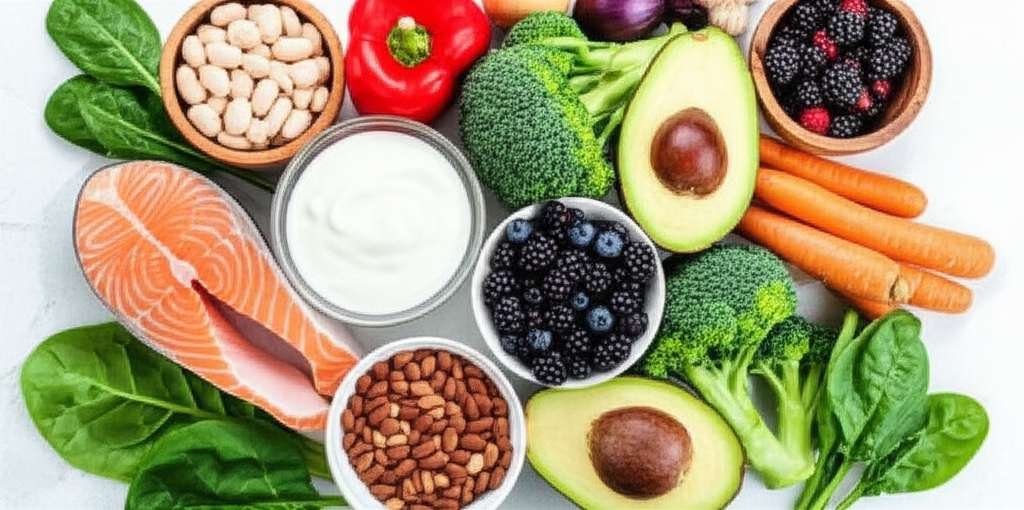
15 Gut-Friendly Foods for Fatty Liver Weight Loss: Essential Guide. Eat your way to a healthier liver and a slimmer waistline with these easy-to-digest, liver-loving foods. This guide simplifies nutrition for beginners, focusing on delicious options that support both gut health and weight loss goals for fatty liver.
Struggling with fatty liver and weight loss can feel overwhelming, especially when you’re just starting. You might be confused by all the diet advice out there. It’s tough to know where to begin when you want to improve your health.
But it doesn’t have to be complicated! We’re going to break down how simple food choices can make a big difference. Think of me as your friendly coach, here to guide you step-by-step.
We’ll explore 15 amazing foods that are kind to your gut and help your liver heal, all while supporting your weight loss journey. Get ready to discover delicious and easy ways to feel better!
Why Gut Health Matters for Fatty Liver and Weight Loss
Your gut is like a bustling city inside you, filled with trillions of tiny helpers called bacteria. When this city is balanced and happy, it helps you digest food, absorb nutrients, and even influences your weight and liver health.
When the “good” gut bacteria are thriving, they can help reduce inflammation throughout your body. This is super important for fatty liver disease, where inflammation is a key problem. A healthy gut also helps regulate your metabolism, making it easier for your body to burn fat.
On the flip side, an unbalanced gut can lead to issues like poor digestion, increased cravings for unhealthy foods, and even contribute to weight gain and worsening fatty liver. It’s a cycle, but the good news is we can help fix it with the right foods.
How Gut-Friendly Foods Help Fatty Liver and Weight Loss

Think of gut-friendly foods as the perfect construction crew for your internal city. They bring the right materials to build up the good bacteria and clear out the bad. This process has a ripple effect on your entire body.
For fatty liver, these foods help reduce the fat buildup and inflammation in your liver. They also support your body’s natural detoxification processes. For weight loss, they boost your metabolism and help you feel fuller for longer, cutting down on unnecessary snacking.
We’re focusing on foods that are easy to digest, packed with nutrients, and have a positive impact on both your liver and your waistline. It’s about making smart, simple choices that lead to big results.
The 15 Gut-Friendly Foods You Need to Know
Let’s dive into the stars of our show! These 15 foods are not only delicious but also powerful allies in your journey toward a healthier liver and a more manageable weight. We’ll explore why each one is a winner.
1. Berries (Blueberries, Raspberries, Strawberries)
Berries are packed with antioxidants, especially anthocyanins, which give them their vibrant colors. These compounds help fight inflammation, a major concern for fatty liver disease. They are also a great source of fiber.
Fiber is crucial for gut health because it feeds the beneficial bacteria in your gut. Plus, berries are relatively low in sugar compared to other fruits, making them a smart choice for weight management and blood sugar control. Enjoy them fresh, frozen, or in smoothies.
2. Fatty Fish (Salmon, Mackerel, Sardines)
These fish are rich in omega-3 fatty acids, which are powerful anti-inflammatory agents. For fatty liver, omega-3s can help reduce liver fat and improve liver enzyme levels. They are also great for heart health.
Omega-3s can also help improve insulin sensitivity, which is beneficial for weight loss and managing conditions related to insulin resistance. Aim to include fatty fish in your diet at least twice a week for maximum benefit.
3. Oats (Rolled Oats, Steel-Cut Oats)
Oats are a fantastic source of soluble fiber, particularly a type called beta-glucan. This fiber acts as a prebiotic, feeding your good gut bacteria and promoting a healthy gut lining. It can also help lower cholesterol levels.
For weight loss, the fiber in oats helps you feel full and satisfied, which can reduce overall calorie intake. They also help stabilize blood sugar levels, preventing energy crashes and cravings. Choose plain, unsweetened oats to avoid added sugars.
4. Avocado
Avocado is a unique fruit that’s loaded with healthy monounsaturated fats, fiber, and a wide range of vitamins and minerals. The healthy fats in avocado are great for reducing inflammation and promoting satiety, which aids in weight management.
Its fiber content supports a healthy gut microbiome. Avocados can help improve nutrient absorption from other plant foods you eat. Add them to salads, smoothies, or enjoy them on whole-grain toast.
5. Leafy Greens (Spinach, Kale, Collard Greens)
These powerhouses are packed with vitamins, minerals, and fiber, but are very low in calories. They contain antioxidants that help protect your cells from damage and can reduce inflammation, benefiting liver health.
The fiber in leafy greens promotes gut regularity and feeds beneficial gut bacteria. Their nutrient density means you get a lot of health benefits without a lot of calories, making them excellent for weight loss. Include them in every meal if you can!
6. Nuts (Almonds, Walnuts, Pecans)
Nuts are a good source of healthy fats, fiber, protein, and antioxidants. Walnuts, in particular, are rich in omega-3 fatty acids. The combination of fiber and healthy fats in nuts helps you feel full and satisfied, curbing appetite.
They can also improve gut bacteria diversity. Just be mindful of portion sizes, as nuts are calorie-dense. A small handful (about an ounce) is a good serving. They make a great snack or addition to meals.
7. Seeds (Chia Seeds, Flaxseeds, Hemp Seeds)
Chia seeds and flaxseeds are incredibly rich in soluble fiber and omega-3 fatty acids. They form a gel-like substance when mixed with liquid, which can help you feel full and aid digestion. Flaxseeds should ideally be ground for better nutrient absorption.
Hemp seeds offer a good balance of omega-3 and omega-6 fatty acids, along with protein. All seeds contribute to a healthy gut microbiome. Sprinkle them on yogurt, oatmeal, or add them to smoothies.
8. Broccoli and Other Cruciferous Vegetables
Broccoli, cauliflower, Brussels sprouts, and cabbage are nutritional superstars. They are high in fiber and contain compounds like sulforaphane, which has potent anti-inflammatory and antioxidant effects that can protect the liver.
The fiber content supports a healthy gut, and these veggies are also very low in calories, making them ideal for weight loss. Roasting or steaming them can make them more digestible and delicious.
9. Garlic
Garlic contains allicin, a compound known for its powerful antioxidant and anti-inflammatory properties. It may help reduce liver fat and protect the liver from damage. Garlic also has prebiotic effects, feeding beneficial gut bacteria.
It’s a fantastic flavor enhancer that can help you reduce your reliance on salt. Incorporate fresh garlic into your cooking whenever possible for a health boost.
10. Onions
Like garlic, onions are rich in antioxidants and prebiotics, particularly a type called inulin. These compounds support a healthy gut microbiome and can help reduce inflammation. They add wonderful flavor to many dishes.
Onions are low in calories and high in nutrients, making them a valuable addition to any weight loss diet. They work well in savory dishes, soups, and salads.
11. Sweet Potatoes
Sweet potatoes are a great source of complex carbohydrates, fiber, and beta-carotene (which the body converts to Vitamin A). The fiber aids digestion and promotes gut health, while beta-carotene is an antioxidant.
They provide sustained energy without the sharp blood sugar spikes associated with refined carbs. Their fiber content also contributes to feelings of fullness, supporting weight loss efforts. Bake, roast, or mash them for a delicious side dish.
12. Legumes (Lentils, Beans, Chickpeas)
Legumes are nutritional powerhouses, offering plant-based protein, fiber, and various vitamins and minerals. Their high fiber content makes them excellent for gut health, feeding beneficial bacteria and promoting regularity.
The combination of protein and fiber helps you feel full, which is excellent for weight management. They are also versatile and can be added to soups, stews, salads, and dips. Remember to rinse canned legumes to reduce sodium.
13. Turmeric
Turmeric contains curcumin, a compound renowned for its potent anti-inflammatory and antioxidant properties. Curcumin has shown promise in animal studies for reducing liver fat and inflammation associated with fatty liver disease. It can also support overall gut health.
To enhance the absorption of curcumin, it’s often recommended to consume turmeric with black pepper and a healthy fat. Use it in curries, soups, or golden milk lattes.
14. Kimchi and Sauerkraut (Fermented Foods)
These fermented foods are packed with probiotics, which are live beneficial bacteria that can help rebalance your gut microbiome. A healthy gut can reduce inflammation throughout the body, including in the liver.
Probiotics may also play a role in weight management by influencing appetite and metabolism. Start with small portions if you’re new to fermented foods, as they can be potent. Look for unpasteurized versions for the most probiotic benefit.
15. Green Tea
Green tea is rich in antioxidants called catechins, particularly epigallocatechin gallate (EGCG). EGCG has been linked to reduced liver fat and inflammation in people with fatty liver disease. It can also help boost metabolism.
Green tea is a great calorie-free beverage choice that can replace sugary drinks. Its antioxidants also contribute to overall health and well-being. Enjoy a few cups daily.
Putting It All Together: A Sample Meal Plan
Integrating these gut-friendly foods into your daily routine doesn’t have to be complicated. The key is consistency and variety. Here’s a simple sample meal plan to get you started, focusing on making these foods delicious and easy to incorporate.
Day 1
- Breakfast: Oatmeal with blueberries and a sprinkle of chia seeds.
- Lunch: Large spinach salad with grilled salmon, avocado, and a light lemon-herb dressing.
- Dinner: Lentil soup with a side of steamed broccoli.
- Snack: A small handful of walnuts.
Day 2
- Breakfast: Smoothie made with spinach, banana (half), flaxseeds, and unsweetened almond milk.
- Lunch: Leftover lentil soup and a small side salad with chickpeas.
- Dinner: Baked chicken breast with roasted sweet potatoes and sautéed kale with garlic.
- Snack: A small bowl of raspberries.
Day 3
- Breakfast: Scrambled eggs with chopped onions and a side of sliced avocado.
- Lunch: Tuna salad (made with Greek yogurt instead of mayo) on whole-grain crackers with a side of raw carrots and celery.
- Dinner: Salmon cooked with turmeric and black pepper, served with quinoa and steamed green beans.
- Snack: A small serving of plain Greek yogurt with a few almonds.
This is just a template! Feel free to swap meals around and adjust portion sizes based on your hunger and energy levels. The goal is to make these healthy choices a regular part of your life.
Foods to Limit for Fatty Liver and Weight Loss
Just as important as knowing what to eat is knowing what to reduce. Certain foods can worsen fatty liver and hinder weight loss efforts. Focusing on limiting these will significantly boost your progress.
Sugary drinks are a major culprit. Sodas, fruit juices with added sugar, and sweetened coffees and teas contribute empty calories and can directly increase liver fat. Highly processed foods, often high in unhealthy fats, sugar, and sodium, should also be avoided.
Refined carbohydrates, like white bread, white rice, and pastries, can cause rapid spikes in blood sugar, which the liver can convert into fat. Excessive saturated and trans fats found in fried foods, fatty cuts of meat, and many convenience foods are also detrimental.
Foods to Limit
| Category | Examples | Why Limit |
|---|---|---|
| Sugary Drinks | Soda, fruit juice, sweetened teas/coffees | High in empty calories, directly increase liver fat. |
| Processed Foods | Packaged snacks, fast food, processed meats | Often high in unhealthy fats, sugar, sodium, and low in nutrients. |
| Refined Grains | White bread, white rice, pastries, sugary cereals | Cause blood sugar spikes; excess sugar converted to liver fat. |
| Unhealthy Fats | Fried foods, fatty red meat, butter (in excess), processed baked goods | Contribute to inflammation and fat buildup in the liver. |
| Excessive Alcohol | Beer, wine, spirits | Directly toxic to the liver and can significantly worsen fatty liver disease. |
Making Sustainable Changes for Long-Term Success
Achieving lasting results isn’t about strict diets; it’s about building healthy habits that fit into your life. Small, consistent changes are more effective than drastic overhauls.
Focus on progress, not perfection. If you slip up, don’t get discouraged. Just get back on track with your next meal or next day. Celebrate your small wins along the way!
Consider incorporating physical activity that you enjoy. Even moderate exercise can significantly improve liver health and aid in weight loss. Aim for consistency rather than intensity initially.
Tips for Sustainable Habits
- Start Small: Introduce one new gut-friendly food or healthy habit each week.
- Meal Prep: Spend a little time on the weekend preparing some healthy meals or snacks for the week ahead.
- Hydration is Key: Drink plenty of water throughout the day.
- Listen to Your Body: Pay attention to how different foods make you feel.
- Seek Support: Talk to friends, family, or a healthcare professional.
- Prioritize Sleep: Good sleep is crucial for hormone balance and weight management.
- Manage Stress: Find healthy ways to cope with stress, like meditation or gentle exercise.
FAQ: Your Beginner Questions Answered
What is fatty liver disease in simple terms?
Fatty liver disease means there’s too much fat built up in your liver. Your liver needs some fat to work, but if it’s too much, it can cause problems like swelling and damage, making it harder for your liver to do its job.
Can I reverse fatty liver through diet alone?
Yes, diet plays a huge role! By eating healthy foods that support your liver and gut, and by losing weight, you can often significantly improve or even reverse fatty liver disease. Lifestyle changes are very powerful.
How quickly can I expect to see results from these foods?
Everyone is different, but you might start feeling better with more energy and improved digestion within a few weeks. Noticeable changes in liver markers or weight loss typically take a few months of consistent healthy eating and lifestyle changes.
Are all fruits and vegetables good for fatty liver?
Most fruits and vegetables are excellent! We’ve highlighted berries and leafy greens because they are particularly rich in antioxidants and fiber. Just be mindful of portion sizes with very sugary fruits and try to eat a wide variety.
How much weight do I need to lose to help my fatty liver?
Even a modest weight loss of 5-10% of your body weight can make a significant positive impact on your fatty liver disease. Focusing on sustainable weight loss through diet and exercise is key.
Are there any supplements I should take?
While this guide focuses on whole foods, some people find supplements like milk thistle or omega-3 fish oil beneficial. However, it’s always best to talk to your doctor or a registered dietitian before starting any new supplements, as they can advise what’s right for you.
What are prebiotics and probiotics in simple terms?
Prebiotics are like the food for your good gut bacteria (found in fiber-rich foods like oats, garlic, and onions). Probiotics are the actual good bacteria themselves (found in fermented foods like kimchi and sauerkraut).
Conclusion: Your Health Journey Starts Now
Embarking on a journey to improve your liver health and lose weight can feel like a big undertaking, but it’s incredibly rewarding. By focusing on gut-friendly foods, you’re not just addressing fatty liver and weight loss; you’re building a foundation for overall well-being.
Remember, the foods we’ve discussed—from vibrant berries and fatty fish to humble oats and leafy greens—are powerful allies. They work with your body, supporting digestion, reducing inflammation, and helping you feel more satisfied. Pair these with limiting processed foods and sugary drinks, and you’re well on your way.
This guide is your starting point. Be patient with yourself, celebrate every healthy choice, and know that you have the power to make positive changes. Your liver and your body will thank you for it. Keep exploring, keep nourishing yourself, and enjoy the journey to a healthier, happier you!
As an Amazon Associate, We earn from qualifying purchases. When you purchase a product through Amazon links on pulsefitguide.com, we may earn a small commission at no extra cost to you. This helps support the site and keep our content free.
