


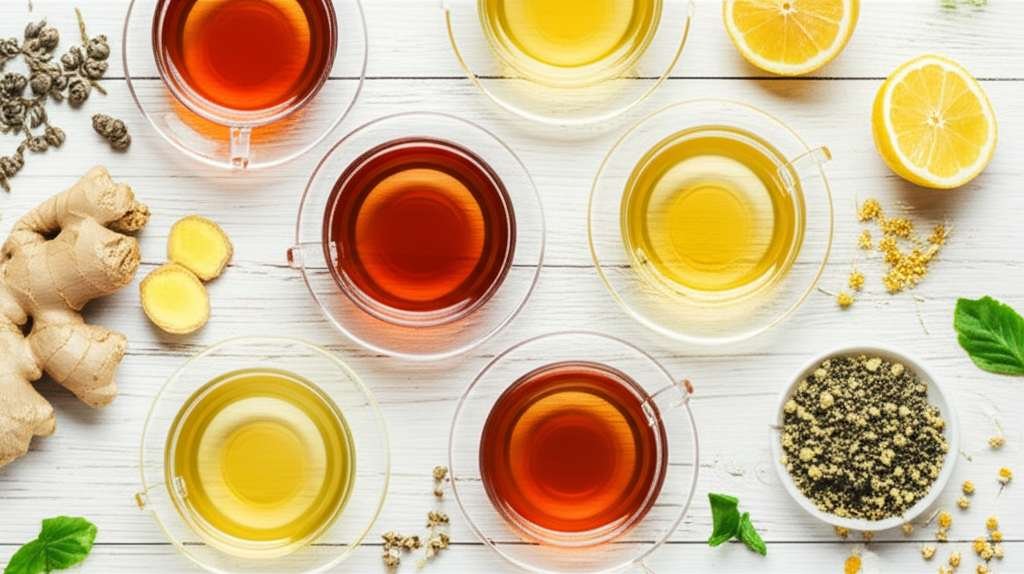
Quick Summary: The 12 best herbal teas for fatty liver weight loss can support your journey by aiding digestion, boosting metabolism, reducing inflammation, and promoting detoxification. Enjoying these teas regularly, alongside a healthy diet and exercise, can be a simple and enjoyable part of managing fatty liver and shedding extra pounds.
Feeling confused about fatty liver and weight loss can be really common. It’s easy to get overwhelmed with all the information out there. You might wonder if there are simple, natural ways to help your body.
Good news! Incorporating specific herbal teas into your routine can be a gentle yet effective step. These teas offer a delicious way to support your liver’s health and your weight loss goals.
We’ll explore 12 fantastic herbal teas that can make a difference. Get ready to discover your new favorite healthy sips!
Understanding Fatty Liver and Weight Loss
Fatty liver disease, often called hepatic steatosis, happens when too much fat builds up in your liver. When this fat is more than 5-10% of your liver’s weight, it’s considered a problem. This condition can affect anyone, but it’s closely linked to lifestyle factors like diet and weight.
Excess body weight, especially around the belly, is a major trigger for fatty liver. When your body has more fat than it needs, this fat can start to store in organs, including the liver. This buildup can make it harder for your liver to do its job, which includes processing fats and toxins.
Losing weight is often the most effective way to improve or even reverse fatty liver disease. When you lose weight, you reduce the amount of fat stored throughout your body, including in your liver. This can help your liver function better and reduce inflammation.
The challenge many face is that weight loss itself can seem complicated. It involves changes in diet, activity, and sometimes even stress management. Finding simple, supportive habits is key to making progress without feeling overwhelmed.
How Herbal Teas Can Help
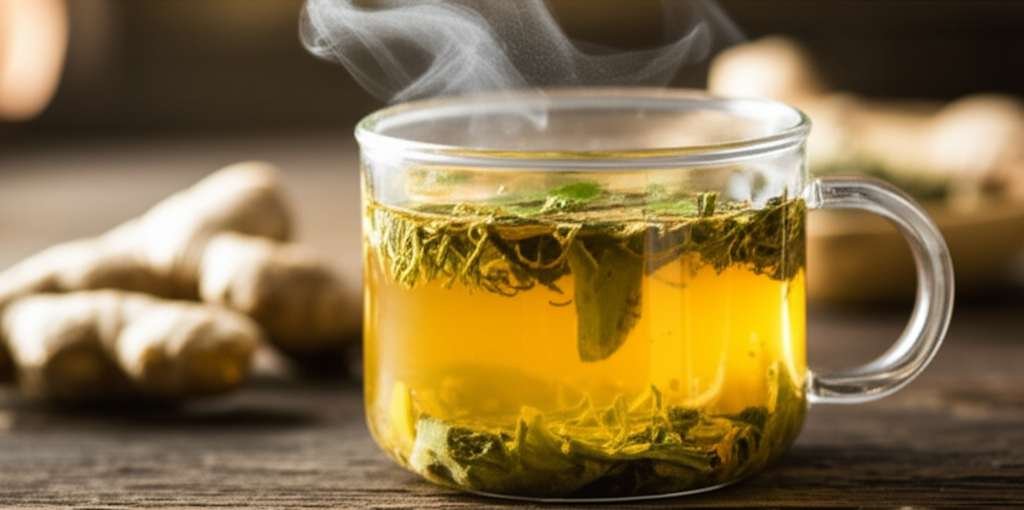
Herbal teas are more than just warm, comforting drinks. Many herbs contain powerful compounds that can positively influence your body’s functions, including those related to liver health and weight management.
These natural beverages can offer a variety of benefits. They can help boost your metabolism, making your body more efficient at burning calories. Some teas also have properties that aid digestion, ensuring your body can better absorb nutrients and eliminate waste.
Furthermore, many herbs are known for their anti-inflammatory and antioxidant effects. These qualities are crucial for protecting your liver cells from damage and supporting the healing process. They can also help your body detoxify itself naturally.
Adding these teas to your daily routine is a low-effort, high-reward strategy. It’s a way to actively support your liver and weight loss journey with every soothing cup.
The 12 Best Herbal Teas for Fatty Liver Weight Loss
Let’s dive into the specific herbal teas that can be your allies in managing fatty liver and working towards a healthier weight. Each of these has unique properties that contribute to your well-being.
1. Green Tea
Green tea is a powerhouse when it comes to health benefits, and it’s particularly good for fatty liver and weight loss. It’s packed with antioxidants called catechins, especially epigallocatechin gallate (EGCG).
EGCG is known to boost metabolism and increase fat burning. Studies suggest that green tea can help reduce fat accumulation in the liver and improve liver function markers. Its thermogenic effect can also help you burn more calories throughout the day.
To make the most of it, aim for 2-3 cups daily. Avoid adding sugar or milk, as this can counteract its benefits. Brewing it with water just off the boil preserves its delicate compounds.
2. Dandelion Tea
Don’t let its common name fool you; dandelion is a potent herb for liver health. Dandelion root, in particular, has been used for centuries as a natural liver cleanser and diuretic.
It helps stimulate bile production, which aids in digesting fats and removing toxins from the liver. This cleansing action can support overall liver function and reduce the fatty buildup. Its diuretic properties can also help reduce water retention.
You can find dandelion root tea at most health food stores. It has a slightly bitter but earthy taste. Enjoying a cup after meals can aid digestion.
3. Turmeric Tea
Turmeric is famous for its vibrant color and its active compound, curcumin. Curcumin is a powerful anti-inflammatory and antioxidant agent.
For fatty liver, curcumin can help reduce liver inflammation and damage. It also plays a role in fat metabolism and can help prevent fat from accumulating in the liver. Its antioxidant properties protect liver cells from oxidative stress.
To enhance absorption, it’s often recommended to drink turmeric tea with a pinch of black pepper. You can also add a little honey or lemon for taste. Warm water with turmeric is a great way to start your day or unwind in the evening.
4. Milk Thistle Tea
Milk thistle is perhaps one of the most well-known herbs for liver support. Its primary active compound, silymarin, has remarkable protective and regenerative effects on the liver.
Silymarin helps shield liver cells from toxins and promotes the growth of new liver cells. It also possesses anti-inflammatory and antioxidant properties that are beneficial for fatty liver disease. While not directly a weight-loss tea, a healthy liver is crucial for effective metabolism.
Milk thistle tea has a slightly bitter taste. It’s often available in capsule form, but tea is a gentler way to consume it. Aim for a cup a day for consistent liver support.
5. Ginger Tea
Ginger is a popular spice known for its warming properties and digestive benefits. It’s also excellent for reducing inflammation and boosting metabolism.
Ginger tea can help improve digestion, reduce bloating, and stimulate the breakdown of fats. Its anti-inflammatory effects can also contribute to reducing liver inflammation. The thermogenic properties of ginger can help increase calorie expenditure.
Fresh ginger root makes the best tea. Simply slice or grate a piece of ginger, steep it in hot water for 5-10 minutes, and add lemon or honey if desired. It’s a soothing drink, especially when you’re feeling under the weather.
6. Peppermint Tea
Peppermint is renowned for its ability to soothe digestive discomfort. It can help relax the muscles of the digestive tract, easing issues like indigestion and bloating.
A calm digestive system is essential for efficient nutrient absorption and waste elimination, both of which are important for weight loss and overall health. While not directly targeting the liver, improved digestion indirectly supports the body’s detoxification processes.
Peppermint tea is refreshing and invigorating. It’s a great choice after meals to aid digestion or as a midday pick-me-up. Its menthol content can also help curb appetite.
7. Rooibos Tea
Rooibos, or red tea, is a caffeine-free herbal tea from South Africa. It’s rich in antioxidants, including aspalathin, which is believed to have significant health benefits.
Aspalathin has been shown in some studies to help reduce stress hormones that can trigger hunger and fat storage. This may make it helpful in managing weight and potentially reducing fat buildup in the liver. It also has anti-inflammatory properties.
Rooibos has a naturally sweet, slightly nutty flavor. It’s a wonderful alternative to sugary drinks and can be enjoyed at any time of day. Its lack of caffeine makes it a good choice before bed.
8. Hibiscus Tea
Hibiscus tea is a vibrant, tart-tasting beverage made from dried hibiscus flowers. It’s packed with antioxidants and has shown promise in supporting cardiovascular health and weight management.
Studies suggest that hibiscus tea may help lower blood pressure and cholesterol levels, both of which can be affected by fatty liver disease. Some research also indicates it can help reduce body weight and fat percentage, potentially by influencing fat metabolism.
Its tangy flavor is quite refreshing, especially when served chilled. It’s a great way to stay hydrated while enjoying a health-boosting drink. Avoid adding sugar to maximize its benefits.
9. Cinnamon Tea
Cinnamon is a warm, comforting spice that also offers significant health benefits, particularly for blood sugar control and metabolism.
It can help improve insulin sensitivity, which is crucial for individuals with fatty liver disease, as insulin resistance is a common underlying factor. By helping to regulate blood sugar levels, cinnamon tea can reduce the likelihood of excess sugar being converted into fat.
To make cinnamon tea, steep a cinnamon stick in hot water for 10-15 minutes, or use ground cinnamon. A pinch of it in your morning tea can also be beneficial. Its sweet flavor can satisfy cravings.
10. Lemon Balm Tea
Lemon balm is a herb from the mint family, known for its calming and stress-reducing properties. Stress can sometimes contribute to weight gain and impact liver health.
By helping to manage stress and improve sleep quality, lemon balm tea can indirectly support weight loss efforts. A well-rested body is more efficient at burning calories and managing hormones related to appetite. It also has mild digestive benefits.
This tea has a gentle, lemony flavor. It’s perfect for an evening ritual to help you relax and prepare for a good night’s sleep. It’s a soothing way to end your day.
11. Echinacea Tea
Echinacea is primarily known for its immune-boosting properties, but it also possesses anti-inflammatory compounds that can benefit the liver.
Reducing inflammation is key in managing fatty liver disease. By supporting the immune system and reducing inflammation, echinacea tea can contribute to a healthier internal environment, which indirectly aids weight management by allowing the body to function optimally.
Echinacea tea has a slightly floral and earthy taste. It’s often consumed during cold and flu season, but its anti-inflammatory benefits make it a year-round option for supporting liver health.
12. Rosemary Tea
Rosemary is a fragrant herb that’s not only a culinary favorite but also a medicinal one. It’s rich in antioxidants and has properties that can aid digestion and circulation.
The antioxidants in rosemary can help protect the liver from oxidative damage. Its digestive properties can help break down fats more efficiently, and improved circulation can help deliver nutrients and oxygen to liver cells, supporting their function. Better digestion and circulation are beneficial for weight loss.
Rosemary tea has a robust, pine-like flavor. Steep fresh or dried rosemary sprigs in hot water. It can be a refreshing drink and is also used in aromatherapy for its invigorating effects.
How to Incorporate Herbal Teas into Your Routine
Making herbal teas a regular part of your day is simple and enjoyable. The key is consistency and choosing teas that you genuinely like.
Start by selecting 1-2 teas from the list that appeal to you most. You might be drawn to the flavor of ginger or the calming nature of lemon balm. Don’t feel pressured to try all 12 at once!
Establish a routine. For example, you could have green tea in the morning for a metabolism boost, dandelion tea after lunch to aid digestion, and milk thistle tea in the afternoon for liver support. Or, simply enjoy a few cups of your favorite throughout the day.
Pay attention to how your body feels. Some teas might agree with you more than others. Experimenting is part of the process.
Brewing the Perfect Cup
The way you prepare your tea can affect its flavor and the release of beneficial compounds. Here’s a general guide:
- Water Temperature: For most herbal teas, use water that is just off the boil (around 90-95°C or 195-205°F). For delicate teas like green tea, slightly cooler water is better to avoid bitterness.
- Steeping Time: Herbal teas generally benefit from longer steeping times than black or green teas, typically 5-15 minutes. Check the packaging for specific recommendations.
- Quantity: Use about 1-2 teaspoons of dried herbs or 1-2 tea bags per cup of water.
- Fresh vs. Dried: Fresh herbs often require more quantity and may need to be bruised slightly to release more flavor and compounds.
When to Drink Your Teas
Timing can enhance the benefits:
- Morning: Green tea or ginger tea can kickstart your metabolism.
- After Meals: Dandelion, peppermint, or ginger tea can aid digestion.
- Midday: Rooibos or hibiscus tea can provide hydration and antioxidants without caffeine.
- Evening: Lemon balm or chamomile (though not on this list, it’s also great for relaxation) can help you unwind.
Important Considerations
While herbal teas are natural, it’s always wise to be mindful:
- Caffeine: Most herbal teas are naturally caffeine-free, but green tea contains some. If you’re sensitive, choose caffeine-free options.
- Interactions: If you are taking medications or have underlying health conditions, consult with your healthcare provider before making significant changes to your diet, including adding new herbal teas. For example, milk thistle can interact with certain medications. The U.S. National Library of Medicine provides extensive information on drug interactions with herbs.
- Quality Matters: Opt for high-quality, organic herbs from reputable sources to ensure purity and potency.
Beyond Tea: Holistic Approach to Fatty Liver and Weight Loss
Herbal teas are a fantastic addition to your health regimen, but they work best as part of a broader strategy. Think of them as supportive players on your health team.
A balanced diet is fundamental. Focus on whole foods, lean proteins, healthy fats, and plenty of fruits and vegetables. Reducing intake of processed foods, sugary drinks, and excessive saturated fats is crucial for both liver health and weight loss.
Regular physical activity is equally important. Aim for a mix of aerobic exercise and strength training. Exercise helps burn calories, build muscle, and improve insulin sensitivity, all of which benefit the liver and aid in shedding pounds.
Managing stress and ensuring adequate sleep are also vital. Chronic stress can lead to hormonal imbalances that promote fat storage and inflammation, impacting the liver. Prioritizing sleep allows your body to repair and regulate itself.
Here’s a quick look at how these elements work together:
| Strategy | How it Helps Fatty Liver & Weight Loss | Example Actions |
|---|---|---|
| Healthy Diet | Reduces fat intake, provides nutrients, supports liver detoxification, stabilizes blood sugar. | Eat more vegetables, fruits, whole grains; choose lean protein; limit sugar and processed foods. |
| Regular Exercise | Burns calories, increases metabolism, reduces visceral fat, improves insulin sensitivity. | Brisk walking, jogging, swimming, cycling, weightlifting. |
| Herbal Teas | Support metabolism, aid digestion, reduce inflammation, promote detoxification. | Enjoying 2-3 cups of green tea, dandelion tea, or turmeric tea daily. |
| Stress Management | Lowers cortisol levels, reduces cravings, improves sleep, supports hormonal balance. | Meditation, yoga, deep breathing exercises, spending time in nature. |
| Adequate Sleep | Regulates appetite hormones (ghrelin and leptin), aids cellular repair, improves energy levels. | Aim for 7-9 hours of quality sleep per night. |
By integrating these lifestyle changes, you create a powerful synergy that supports your liver’s recovery and your weight loss journey. Your herbal teas will then be even more effective as part of this comprehensive plan.
Frequently Asked Questions (FAQ)
Q1: Can herbal teas alone cure fatty liver disease?
A1: No, herbal teas are supportive tools, not a cure. Fatty liver disease management primarily involves lifestyle changes like diet, exercise, and weight loss. Teas can complement these efforts by aiding digestion, reducing inflammation, and supporting liver function.
Q2: How much herbal tea should I drink per day for weight loss?
A2: Generally, 2-3 cups of most herbal teas per day is a good starting point. For teas like green tea, stick to this amount to avoid excessive caffeine. Listen to your body and adjust as needed. Always ensure you’re staying well-hydrated overall.
Q3: Are there any side effects to drinking these herbal teas?
A3: For most people, these teas are safe when consumed in moderation. However, some individuals might experience mild digestive upset. Certain herbs, like milk thistle, can interact with medications. It’s always best to consult your doctor if you have concerns or are taking prescription drugs.
Q4: Can I drink these teas if I have a sensitive stomach?
A4: Yes, many of these teas are gentle. Peppermint and lemon balm are particularly good for soothing digestion. Dandelion and turmeric can be potent; start with smaller amounts to see how your stomach reacts. Avoid very hot or very cold temperatures if you have sensitivity.
Q5: When is the best time to drink herbal tea for fatty liver support?
A5: You can drink them throughout the day. Morning teas like green tea can boost metabolism. Teas like dandelion or ginger are great after meals to aid digestion. Evening teas like lemon balm can help with relaxation. Consistency is more important than precise timing.
Q6: Should I add anything to my herbal tea?
A6: To maximize the benefits for fatty liver and weight loss, it’s best to drink them plain. Adding sugar, honey, or milk can add calories and counteract the positive effects. If you need sweetness, a tiny amount of honey or a natural sweetener like stevia is better, but plain is ideal.
Q7: Where can I buy these herbal teas?
A7: You can find these herbal teas at most grocery stores, health food stores, and online retailers. Look for organic options whenever possible to ensure you’re getting pure, high-quality herbs without pesticides.
Conclusion
Embarking on a journey to manage fatty liver and achieve weight loss can feel like a big undertaking, but it’s entirely achievable with the right tools and knowledge. Herbal teas offer a simple, natural, and enjoyable way to support your body every step of the way.
From the metabolism-boosting power of green tea to the liver-cleansing properties of dandelion and the anti-inflammatory strength of turmeric, these 12 best herbal teas provide a diverse range of benefits. They can help you gently nudge your body towards better health, improved digestion, and more efficient fat burning.
Remember, these teas are most effective when integrated into a healthy lifestyle that includes a balanced diet, regular exercise, and stress management. By making these small, consistent changes, you’re not just sipping a beverage; you’re actively nurturing your liver and empowering your weight loss efforts.
So, go ahead and explore the world of herbal teas. Find your favorites, brew a comforting cup, and savor the journey towards a healthier you. Your liver and your waistline will thank you!
As an Amazon Associate, We earn from qualifying purchases. When you purchase a product through Amazon links on pulsefitguide.com, we may earn a small commission at no extra cost to you. This helps support the site and keep our content free.
