


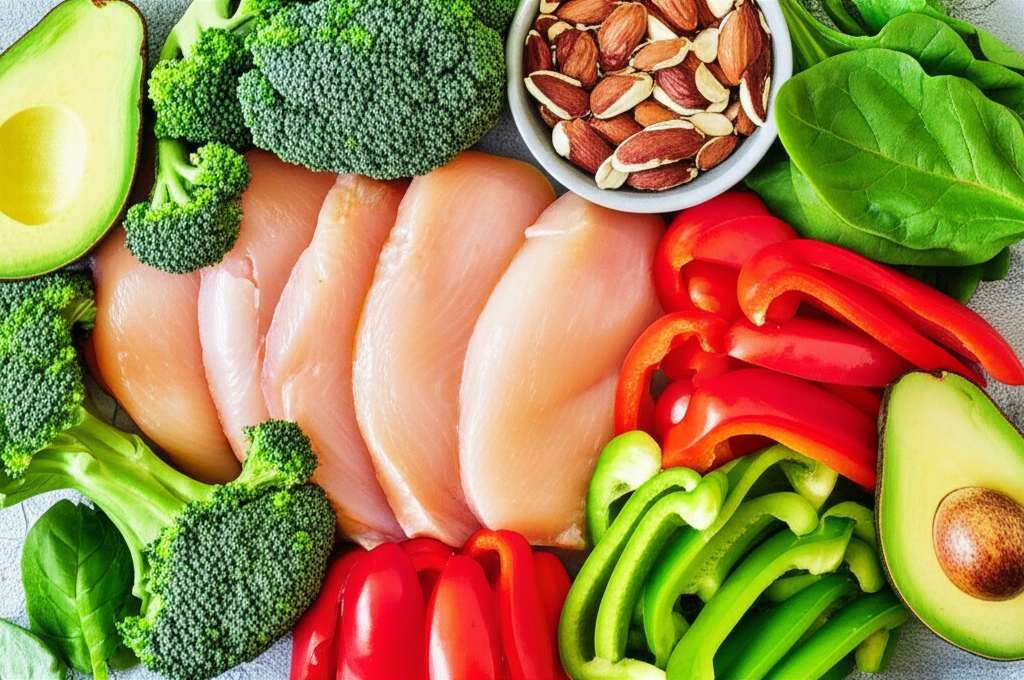
Struggling with fatty liver and weight loss? A 7-day low-carb meal plan can be your secret weapon! Focusing on whole foods and cutting back on carbs helps reduce liver fat and kickstart healthy weight loss. This beginner-friendly guide provides a simple, actionable plan to get you started on your journey to a healthier you.
Feeling a bit overwhelmed by the idea of managing fatty liver and losing weight? You’re not alone! It can feel like a big challenge, but the good news is that making smart food choices can make a huge difference.
Many people find that cutting down on carbohydrates is a powerful way to support liver health and shed extra pounds. It’s not about deprivation, but about choosing foods that nourish your body and help your liver do its best work.
This guide is designed to make things super simple. We’ll walk through a 7-day low-carb meal plan that’s easy to follow, even if you’re just starting out.
Get ready to discover how delicious and effective eating low-carb can be for your fatty liver and weight loss goals!
Why Low Carb for Fatty Liver and Weight Loss?
Let’s break down why a low-carb approach is so helpful when you’re dealing with fatty liver and want to lose weight. It might sound complicated, but it really comes down to how your body uses and stores energy.
When you eat carbohydrates, your body breaks them down into sugar (glucose). This sugar is used for energy. If you eat more carbs than your body needs right away, it stores this extra sugar, often as fat.
For people with fatty liver, this can be a double whammy. Excess sugar can contribute to fat building up in the liver, and it also promotes overall weight gain, which further stresses the liver.
A low-carb diet helps by reducing the amount of sugar your body has to deal with. This means less sugar is converted into fat, and your body starts to tap into its stored fat for energy instead. This process can help reduce fat in the liver and lead to weight loss.
Think of it like this: instead of constantly fueling a fire with sugary logs, you’re switching to a more sustainable fuel source that helps clear out the excess.
The National Institute of Diabetes and Digestive and Kidney Diseases (NIDDK) highlights that lifestyle changes, including diet and exercise, are key to managing fatty liver disease. A low-carb approach fits perfectly into this recommendation.
How Low Carb Works: The Science Made Simple
When you eat a diet high in carbohydrates, your body releases insulin. Insulin is a hormone that helps move sugar from your bloodstream into your cells for energy. It’s essential, but when insulin levels are constantly high, it can signal your body to store fat.
A low-carb diet significantly reduces the amount of sugar entering your bloodstream. This means your body doesn’t need to release as much insulin. Lower insulin levels can help your body:
Burn stored fat: Without constant sugar influx, your body looks for other energy sources, including fat reserves.
Reduce fat storage: Less sugar means less opportunity for your body to convert it into fat.
Improve insulin sensitivity: Over time, this can make your body more efficient at using insulin, which is beneficial for overall health and weight management.
This shift can be particularly helpful for reducing visceral fat (fat around your organs), which is often linked to fatty liver disease.
Key Benefits of a Low-Carb Diet for Fatty Liver Weight Loss
Reduced Liver Fat: By lowering sugar intake, you decrease the amount of fat that can be stored in your liver.
Weight Loss: Burning stored fat for energy naturally leads to shedding extra pounds.
Improved Blood Sugar Control: Fewer carbs mean more stable blood sugar levels, which is crucial for preventing further damage.
Increased Satiety: Low-carb diets often include healthy fats and proteins, which help you feel fuller for longer, reducing cravings.
Increased Energy Levels: Once your body adapts, many people report feeling more energetic and less prone to energy crashes.
Your 7-Day Low Carb Meal Plan for Fatty Liver Weight Loss
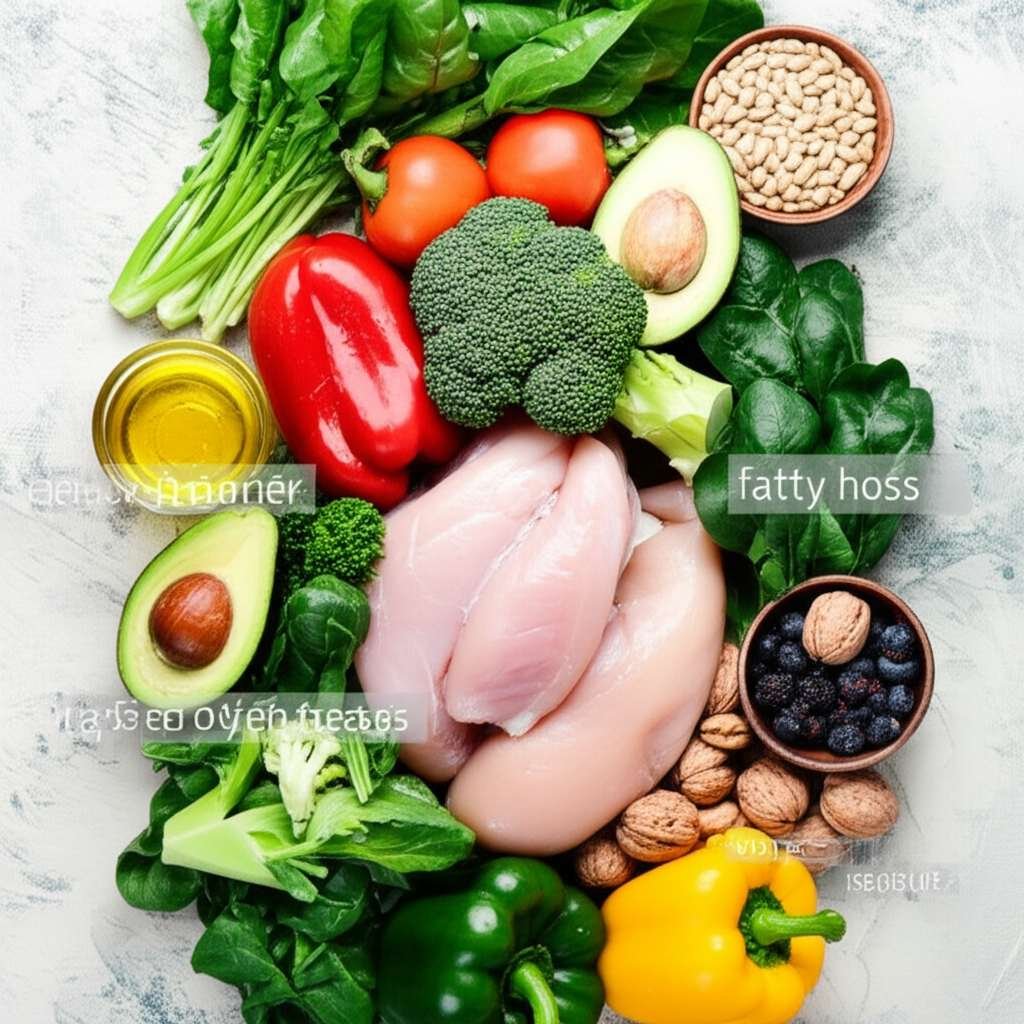
This plan is designed to be simple, delicious, and packed with nutrients. We’ll focus on whole, unprocessed foods. Remember, this is a template, and you can swap meals around or adjust portion sizes to fit your needs.
Important Note: Always consult with your doctor or a registered dietitian before starting any new diet plan, especially if you have a medical condition like fatty liver disease.
Here’s a day-by-day breakdown:
Day 1: Getting Started Fresh
Breakfast: Scrambled eggs (2-3) with spinach and a sprinkle of cheese.
Lunch: Large salad with grilled chicken or salmon, mixed greens, cucumber, bell peppers, and an olive oil vinaigrette.
Dinner: Baked cod with roasted broccoli and a side of asparagus.
Snack (Optional): A handful of almonds or a small portion of berries.
Day 2: Flavorful & Filling
Breakfast: Full-fat Greek yogurt with a few berries and a tablespoon of chia seeds.
Lunch: Leftover baked cod and roasted vegetables from Day 1.
Dinner: Ground turkey stir-fry with plenty of non-starchy vegetables like zucchini, mushrooms, and snap peas (use soy sauce or tamari sparingly, or a low-carb alternative).
Snack (Optional): A hard-boiled egg.
Day 3: Simple & Satisfying
Breakfast: Smoothie made with unsweetened almond milk, protein powder, a handful of spinach, and half a small avocado.
Lunch: Tuna salad (made with avocado or plain Greek yogurt instead of mayo) served in lettuce cups.
Dinner: Pork chops with steamed green beans and a side salad.
Snack (Optional): A few slices of cucumber with cream cheese.
Day 4: Mid-Week Boost
Breakfast: Omelet with mushrooms, onions, and bell peppers.
Lunch: Leftover pork chops and green beans from Day 3.
Dinner: Chicken breast baked with lemon and herbs, served with cauliflower mash.
Snack (Optional): A small handful of walnuts.
Day 5: Weekend Prep Ease
Breakfast: Chia seed pudding made with unsweetened almond milk and a touch of vanilla extract (prepare the night before). Top with a few berries.
Lunch: Large chef salad with turkey, ham, cheese, hard-boiled egg, and mixed greens with a creamy dressing.
Dinner: Salmon patties (made with canned salmon, egg, and a binder like almond flour) with a side of sautéed kale.
Snack (Optional): A small piece of cheese.
Day 6: Deliciously Diverse
Breakfast: Scrambled eggs with avocado slices.
Lunch: Leftover salmon patties and kale from Day 5.
Dinner: Beef stew made with tender chunks of beef and plenty of low-carb vegetables like celery, onions, and mushrooms (thicken with a small amount of xanthan gum if needed, instead of flour).
Snack (Optional): A few olives.
Day 7: Reflect & Recharge
Breakfast: Full-fat cottage cheese with a sprinkle of cinnamon.
Lunch: Leftover beef stew from Day 6.
Dinner: Zucchini noodles (zoodles) with a creamy pesto sauce and grilled shrimp.
Snack (Optional): A small handful of pumpkin seeds.
Essential Low Carb Foods for Your Plan
Building your meals around these foods will make sticking to your low-carb plan much easier and more enjoyable. They are nutrient-dense and support your weight loss and liver health goals.
Proteins: The Building Blocks
Protein is crucial for feeling full and maintaining muscle mass, especially when losing weight.
Meats: Beef, lamb, pork, chicken, turkey. Opt for leaner cuts when possible, but don’t shy away from fattier cuts for satiety.
Fish & Seafood: Salmon, mackerel, sardines (rich in omega-3s!), tuna, shrimp, cod, trout.
Eggs: A versatile and complete protein source.
Dairy (Full-Fat): Plain Greek yogurt, cottage cheese, cheese.
Healthy Fats: For Energy and Satiety
Fats are your friend on a low-carb diet! They provide energy and help you feel satisfied.
Oils: Olive oil, coconut oil, avocado oil.
Avocado: Creamy and packed with nutrients.
Nuts & Seeds: Almonds, walnuts, macadamia nuts, pecans, chia seeds, flax seeds, pumpkin seeds. (Portion control is key due to calorie density).
Non-Starchy Vegetables: Fiber and Nutrients Galore
These vegetables are low in carbs and high in vitamins, minerals, and fiber, which is essential for digestive health and feeling full.
Leafy Greens: Spinach, kale, lettuce, arugula, Swiss chard.
Cruciferous Veggies: Broccoli, cauliflower, Brussels sprouts, cabbage.
Other Great Choices: Asparagus, zucchini, bell peppers, cucumbers, celery, mushrooms, green beans, tomatoes (in moderation).
Fruits (In Moderation): Sweetness Without the Sugar Rush
While most fruits are high in sugar, some berries are lower in carbs and can be enjoyed in small amounts.
Berries: Strawberries, blueberries, raspberries, blackberries.
Foods to Limit or Avoid
Sugary Drinks: Soda, fruit juices, sweetened teas/coffees.
Grains: Bread, pasta, rice, cereal, oats.
Starchy Vegetables: Potatoes, corn, peas.
Most Fruits: Bananas, apples, oranges, grapes (high in natural sugars).
Processed Foods: Packaged snacks, candies, baked goods, fast food.
Sweeteners: Refined sugar, honey, maple syrup.
Sample Weekly Low-Carb Grocery List
To make shopping easier, here’s a sample list based on the meal plan. Adjust quantities based on your household size and preferences.
Proteins:
Eggs (1-2 dozen)
Chicken breasts/thighs
Ground turkey
Pork chops
Cod or other white fish
Salmon fillets or canned salmon
Shrimp
Canned tuna
Vegetables:
Spinach
Mixed greens/lettuce
Broccoli
Asparagus
Cauliflower
Zucchini
Bell peppers (various colors)
Cucumber
Mushrooms
Celery
Kale
Onions
Garlic
Fruits (for moderation):
Berries (strawberries, blueberries, raspberries)
Healthy Fats & Dairy:
Avocado
Olive oil
Coconut oil
Almonds
Walnuts
Chia seeds
Plain full-fat Greek yogurt
Cottage cheese
Cheese (cheddar, mozzarella, etc.)
Cream cheese
Pantry Staples:
Unsweetened almond milk
Protein powder (low-carb)
Herbs and spices (salt, pepper, garlic powder, onion powder, Italian herbs, lemon pepper)
Soy sauce or tamari (low-sodium)
Pesto
Vinegar (for dressings)
Practical Tips for Success
Sticking to a new eating plan can have its challenges, but with a few smart strategies, you can make it feel much more manageable. Think of these as your coaching tips to help you stay on track and feel good about your progress.
Meal Prep is Your Best Friend
Dedicate Time: Set aside an hour or two on the weekend to wash and chop veggies, cook some proteins (like chicken breasts or hard-boiled eggs), and portion out snacks.
Batch Cooking: Make larger portions of dinners like stews or baked chicken that can be eaten for lunch the next day.
Pre-Portion Snacks: Put nuts or seeds into small bags or containers so they’re grab-and-go.
Stay Hydrated
Water, Water, Water: Aim for at least 8 glasses of water a day. It helps with satiety, digestion, and overall body function.
Herbal Teas: Unsweetened herbal teas are a great way to stay hydrated and can be comforting.
Electrolytes: When you first cut carbs, you might lose some electrolytes. Adding a pinch of salt to your water or drinking bone broth can help.
Listen to Your Body
Hunger Cues: Eat when you’re hungry and stop when you’re comfortably full. Don’t force yourself to eat if you’re not hungry, but don’t let yourself get ravenous either.
Energy Levels: Pay attention to how you feel. If you have sustained low energy, you might need to adjust your fat or protein intake slightly.
Don’t Aim for Perfection
It’s Okay to Slip Up: If you have a day where you go over your carb limit, don’t beat yourself up. Just get back on track with your next meal. Progress, not perfection, is the goal.
Focus on What You CAN Eat: Instead of dwelling on what you’re restricting, celebrate the delicious, healthy foods you get to enjoy.
Get Support
Talk to Friends/Family: Let loved ones know about your goals. They can offer encouragement or even join you.
Online Communities: Many online forums and social media groups are dedicated to low-carb living and offer great support and recipe ideas.
Understanding Macronutrients: A Quick Guide
When we talk about low-carb, we’re mainly focusing on one of the three macronutrients: carbohydrates. Macronutrients are the nutrients your body needs in large amounts – carbs, protein, and fat.
Carbohydrates: Your body’s primary source of quick energy. On a low-carb diet, you significantly reduce your intake, typically to under 50 grams per day, though some plans go even lower.
Protein: Essential for building and repairing tissues, making enzymes and hormones, and keeping you full.
Fat: Provides energy, helps absorb vitamins, and is crucial for hormone production. Healthy fats are key to a successful low-carb diet.
On a low-carb plan, you’ll often find yourself eating a bit more protein and a good amount of healthy fats to compensate for the reduced carbohydrate intake, ensuring you still get enough energy and feel satisfied.
The Centers for Disease Control and Prevention (CDC) emphasizes that a balanced diet and regular physical activity are fundamental for weight loss and overall health. A low-carb approach can be a part of this balanced strategy by helping to manage calorie intake and improve metabolic markers.
Frequently Asked Questions (FAQ)
Here are answers to some common questions beginners have about low-carb eating for fatty liver and weight loss.
What is fatty liver disease?
Fatty liver disease is a condition where there’s too much fat in your liver. It’s often linked to lifestyle factors like diet, weight, and activity levels. There are two main types: non-alcoholic fatty liver disease (NAFLD) and alcoholic fatty liver disease. NAFLD is more common and can progress to more serious liver problems if not managed.
Can a low-carb diet really help reverse fatty liver?
Yes, studies show that a low-carb diet can significantly reduce liver fat and improve liver enzymes. By lowering your intake of sugars and refined carbohydrates, you reduce the fuel that contributes to fat buildup in the liver, and by promoting weight loss, you decrease overall body fat, including liver fat.
How many carbs are “low carb”?
There’s no single definition, but for weight loss and fatty liver management, a common target is to keep net carbohydrates (total carbs minus fiber) between 20-50 grams per day. Some people find success with slightly higher amounts, so it’s about finding what works for you and your body.
Is it safe to lose weight quickly on a low-carb diet?
Initial weight loss on a low-carb diet can sometimes be rapid due to water loss. However, sustainable weight loss is typically 1-2 pounds per week. Focus on consistent healthy eating rather than rapid drops. Always consult your doctor before making significant changes to your diet or weight loss plans.
What if I feel tired or have headaches when starting low-carb?
This is often called the “keto flu” or “low-carb flu” and is common in the first few days as your body adjusts. It’s usually due to a lack of electrolytes and hydration. Ensure you’re drinking plenty of water and adding a little extra salt to your food. If symptoms persist or are severe, talk to your doctor.
Can I eat fruit on a low-carb diet?
Yes, but in moderation. Low-carb fruits like berries (strawberries, blueberries, raspberries, blackberries) are best because they have less sugar and more fiber than other fruits. Focus on portion control to keep your carb intake in check.
What are the best snacks for a low-carb diet?
Great low-carb snacks include a handful of nuts (almonds, walnuts), seeds (pumpkin, sunflower), hard-boiled eggs, cheese sticks, olives, avocado slices, or celery sticks with cream cheese. These options provide healthy fats and protein to keep you full between meals.
Putting It All Together: Your Path to a Healthier Liver and Body
Embarking on a 7-day low-carb meal plan for fatty liver weight loss is a fantastic step towards a healthier you. It’s about making informed choices that support your liver and help you feel your best.
Remember, this plan is a starting point. The key is to build sustainable habits. Focus on enjoying delicious, whole foods that nourish your body. Don’t be discouraged by small challenges; every healthy meal is a win!
By understanding how low-carb eating works and incorporating these simple, practical tips, you’re setting yourself up for success. You’re not just losing weight; you’re actively caring for your liver and building a foundation for long-term well-being.
Keep listening to your body, stay hydrated, and celebrate your progress along the way. You’ve got this!
As an Amazon Associate, We earn from qualifying purchases. When you purchase a product through Amazon links on pulsefitguide.com, we may earn a small commission at no extra cost to you. This helps support the site and keep our content free.
