


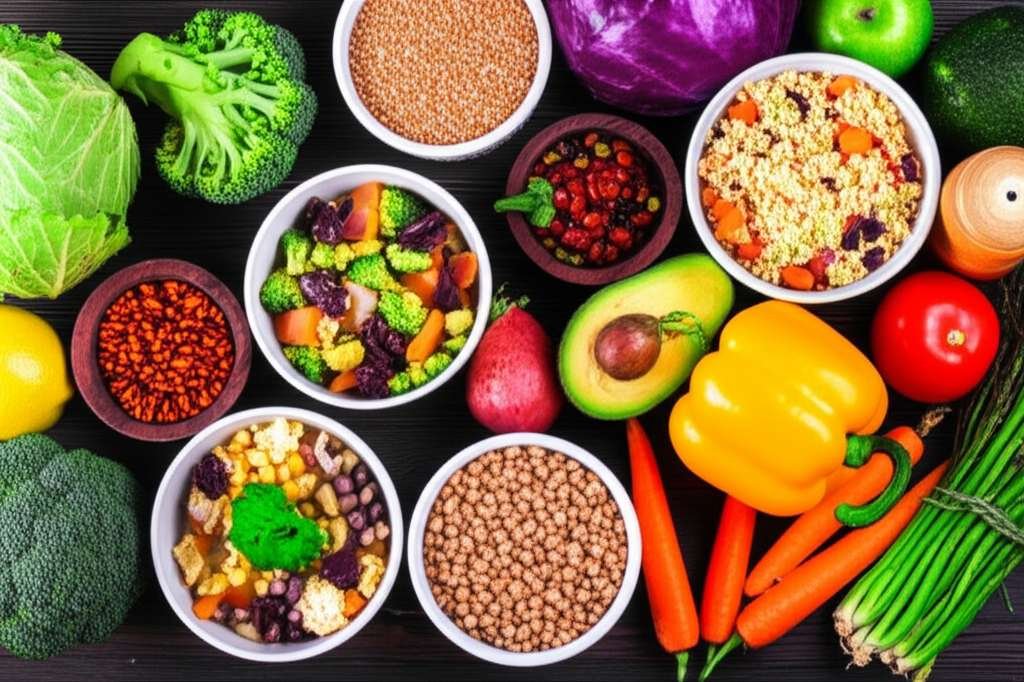
A 7-day vegetarian meal plan can be a powerful tool for fatty liver weight loss by focusing on nutrient-dense, plant-based foods that support liver health and promote a healthy weight. This plan offers simple, delicious meals to get you started.
Are you struggling with fatty liver and wondering how to start losing weight? It can feel confusing, especially when you’re just beginning your health journey.
Many people find it hard to know where to begin with diet changes. You might feel overwhelmed by complicated advice or unsure which foods are best.
But what if there was a simpler way? This guide is designed to help you with a clear, easy-to-follow 7-day vegetarian meal plan. We’ll break down exactly what to eat to support your liver and help you reach a healthier weight.
Get ready to discover delicious vegetarian meals that are good for your liver and your waistline!
Understanding Fatty Liver and Weight Loss
Fatty liver disease, also known as non-alcoholic fatty liver disease (NAFLD), is a condition where excess fat builds up in your liver. When this happens, your liver can become inflamed and damaged.
One of the most effective ways to manage and even reverse fatty liver is through weight loss. Losing even a small amount of weight, like 5-10% of your body weight, can significantly reduce fat in your liver and improve its function.
Why Vegetarian Meals Can Help
Vegetarian diets are often naturally lower in saturated fats and cholesterol, which are linked to fatty liver. They are also typically rich in fiber, vitamins, minerals, and antioxidants.
These plant-based nutrients can help reduce inflammation, improve insulin sensitivity, and promote a healthy metabolism. Fiber, in particular, is crucial for feeling full and managing blood sugar levels.
Key Principles for Fatty Liver Weight Loss
When planning meals for fatty liver and weight loss, focus on these core ideas:
Whole, Unprocessed Foods: Prioritize fruits, vegetables, whole grains, legumes, nuts, and seeds. These are packed with nutrients and fiber.
Limit Added Sugars and Refined Carbs: Sugary drinks, sweets, white bread, and pasta can contribute to fat buildup in the liver.
Healthy Fats: Include sources like avocados, nuts, seeds, and olive oil. These are beneficial for liver health.
Lean Protein: Plant-based proteins like beans, lentils, tofu, and tempeh are essential for muscle health and satiety.
Hydration: Drink plenty of water throughout the day.
Your 7-Day Vegetarian Meal Plan for Fatty Liver Weight Loss
This plan is designed to be simple, delicious, and packed with liver-friendly ingredients. Remember, portion sizes are important for weight loss, so listen to your body and adjust as needed.
Day 1: Fresh Start
Breakfast: Oatmeal made with water or unsweetened plant milk, topped with berries and a sprinkle of chia seeds.
Lunch: Large mixed green salad with chickpeas, cucumber, tomatoes, bell peppers, and a lemon-tahini dressing.
Dinner: Lentil soup with a side of whole-wheat bread.
Day 2: Colorful Veggies
Breakfast: Greek yogurt (or plant-based alternative) with sliced peaches and a few almonds.
Lunch: Quinoa salad with black beans, corn, diced bell peppers, cilantro, and a lime vinaigrette.
Dinner: Stir-fried broccoli, carrots, snap peas, and tofu in a light soy-ginger sauce, served with brown rice.
Day 3: Hearty and Satisfying
Breakfast: Smoothie made with spinach, banana, unsweetened almond milk, and a scoop of plant-based protein powder.
Lunch: Whole-wheat wrap filled with hummus, shredded carrots, cucumber, and spinach.
Dinner: Baked sweet potato topped with black beans, salsa, and a dollop of plain Greek yogurt.
Day 4: Flavorful Combinations
Breakfast: Scrambled tofu with turmeric, onions, and bell peppers, served with a slice of whole-grain toast.
Lunch: Leftover lentil soup from Day 1.
Dinner: Veggie burgers (made from beans or mushrooms) on whole-wheat buns with lettuce, tomato, and avocado. Serve with a side salad.
Day 5: Mediterranean Vibes
Breakfast: Whole-wheat toast topped with mashed avocado and a sprinkle of red pepper flakes.
Lunch: Greek salad with romaine lettuce, tomatoes, cucumbers, olives, red onion, and a light vinaigrette. Add a small portion of chickpeas for protein.
Dinner: Baked falafel served with a large cucumber and tomato salad and a side of plain Greek yogurt or tahini sauce.
Day 6: Comfort Food, Healthy Style
Breakfast: Overnight oats made with rolled oats, unsweetened plant milk, chia seeds, and a touch of cinnamon. Top with sliced apple in the morning.
Lunch: Leftover stir-fried veggies and tofu from Day 2.
Dinner: Hearty vegetable stew with potatoes, carrots, celery, peas, and cannellini beans in a savory broth.
Day 7: Sunday Brunch & Easy Dinner
Breakfast: Whole-wheat pancakes (use a healthy recipe with minimal sugar) topped with fresh fruit.
Lunch: Large bowl of mixed greens with grilled halloumi (or firm tofu), cherry tomatoes, and a balsamic glaze.
Dinner: Easy veggie chili made with kidney beans, diced tomatoes, corn, onions, and spices. Serve with a small dollop of Greek yogurt.
Important Considerations for Success
This meal plan is a starting point. Here are some tips to make it work best for you:
Hydration is Key: Drink at least 8 glasses of water daily. Unsweetened herbal teas also count.
Snack Smart: If you get hungry between meals, opt for whole fruits, a handful of nuts, or some raw vegetables with hummus.
Portion Control: Pay attention to how much you’re eating. Use smaller plates and listen to your body’s hunger and fullness cues.
Mindful Eating: Eat slowly and savor your food. This helps your brain register that you’re full.
Listen to Your Body: If a particular food doesn’t agree with you, don’t force it. There are many other healthy options.
Physical Activity: Combine this meal plan with regular exercise for optimal weight loss and liver health. Aim for at least 150 minutes of moderate-intensity aerobic activity per week. Learn more about the benefits of exercise from the Centers for Disease Control and Prevention (CDC).
Sample Daily Nutritional Breakdown (Approximate)
While exact numbers vary based on specific ingredients and portion sizes, this table gives you an idea of the nutritional benefits you can expect from this type of plan.
| Nutrient | Approximate Daily Amount | Why It’s Important for Fatty Liver & Weight Loss |
|---|---|---|
| Calories | 1600-1800 kcal | Creates a calorie deficit for weight loss. |
| Fiber | 30-40g | Promotes satiety, aids digestion, helps regulate blood sugar. |
| Protein | 70-90g | Supports muscle mass during weight loss, keeps you feeling full. |
| Healthy Fats | 30-40% of calories | Supports hormone function and reduces inflammation. Sources include avocados, nuts, seeds, olive oil. |
| Added Sugars | < 25g | Minimizes a major contributor to liver fat accumulation. |
Tips for Affordability
Eating healthy doesn’t have to break the bank. Here’s how to keep this plan budget-friendly:
Buy in Bulk: Staples like oats, rice, beans, and lentils are cheaper when bought in larger quantities.
Seasonal Produce: Choose fruits and vegetables that are in season, as they are typically less expensive.
Frozen Fruits & Veggies: These are just as nutritious as fresh and often more affordable, especially out of season.
Cook from Scratch: Preparing meals at home is almost always cheaper than buying pre-made or eating out.
* Plan Leftovers: Incorporate leftovers into your meal plan to reduce food waste and save time.
Frequently Asked Questions (FAQ)
What is fatty liver disease?
Fatty liver disease means there’s too much fat stored in your liver. It can sometimes cause inflammation and damage to your liver cells. Non-alcoholic fatty liver disease (NAFLD) is the most common type and is often linked to lifestyle factors like diet and weight.
How much weight do I need to lose to help my fatty liver?
Even a modest weight loss of 5% to 10% of your body weight can make a big difference in reducing fat in your liver and improving its health. For example, if you weigh 200 pounds, losing 10-20 pounds can be very beneficial.
Can I eat eggs on a vegetarian diet for fatty liver?
Yes, eggs are considered vegetarian and can be a good source of protein. However, moderation is key, and it’s best to focus on whole foods and limit yolks if you are concerned about cholesterol intake, though dietary cholesterol’s impact is less significant for many than previously thought. Focus on the overall diet quality.
What are the best vegetarian protein sources for fatty liver weight loss?
Excellent vegetarian protein sources include lentils, beans (black beans, kidney beans, chickpeas), tofu, tempeh, edamame, quinoa, and nuts and seeds in moderation. These provide essential nutrients and fiber without excessive saturated fat.
Should I avoid all fats?
No, you should not avoid all fats. Healthy fats are crucial for your body and liver. Focus on unsaturated fats found in avocados, olive oil, nuts, and seeds. Limit saturated fats (found in some dairy and processed foods) and avoid trans fats (often in fried and processed snacks).
How important is fiber for fatty liver?
Fiber is incredibly important! It helps you feel full, which aids weight loss, and it can help regulate blood sugar levels, which is beneficial for liver health. Aim for at least 25-30 grams of fiber per day from whole grains, fruits, vegetables, and legumes.
What drinks should I focus on for fatty liver?
Water is your best friend! Drink plenty of plain water throughout the day. Unsweetened herbal teas and black coffee (in moderation) can also be beneficial. Avoid sugary drinks like soda, fruit juices with added sugar, and sweetened coffee or tea beverages.
Making it Sustainable
This 7-day plan is a fantastic way to kickstart your journey, but long-term success comes from building sustainable habits.
Think of this plan as a learning experience. Pay attention to how different foods make you feel. Which meals leave you feeling energized and satisfied? Which ones might lead to a mid-afternoon slump?
Don’t aim for perfection; aim for progress. If you have an off day, don’t beat yourself up. Just get back on track with your next meal. Consistency is more important than perfection.
As you get more comfortable, you can start swapping meals, trying new recipes, and finding what works best for your taste buds and lifestyle. The goal is to create a healthy eating pattern that you can maintain for life, supporting both your liver health and your overall well-being.
This vegetarian approach offers a delicious and effective path toward managing fatty liver and achieving sustainable weight loss. By focusing on whole, nutrient-dense foods, you’re nourishing your body and setting yourself up for a healthier future. You’ve got this!
As an Amazon Associate, We earn from qualifying purchases. When you purchase a product through Amazon links on pulsefitguide.com, we may earn a small commission at no extra cost to you. This helps support the site and keep our content free.
