


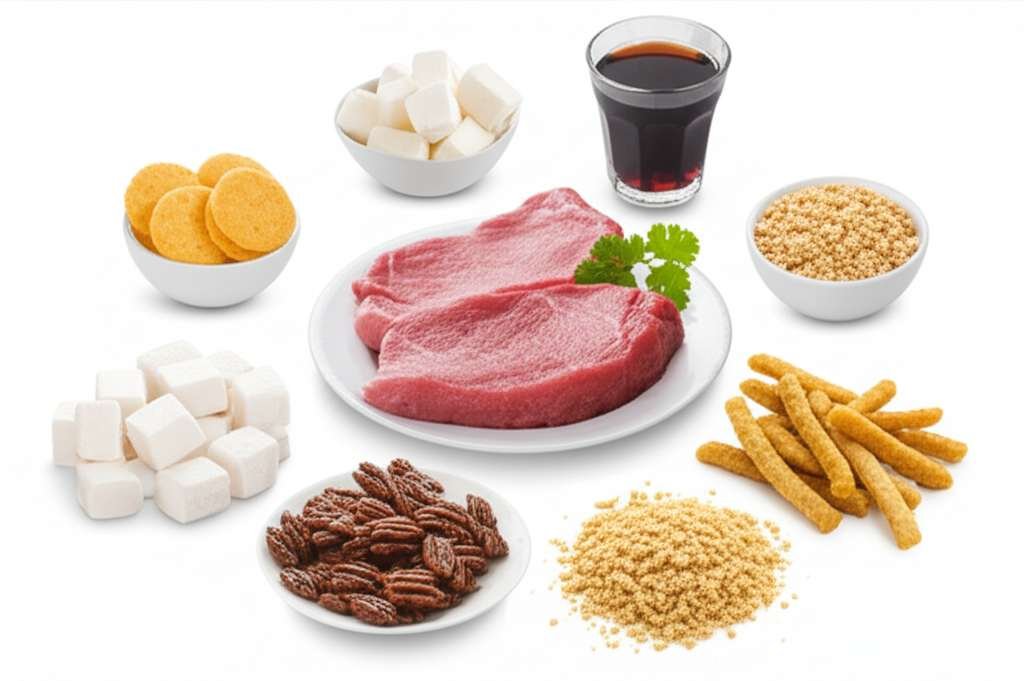
For fatty liver weight loss, focus on avoiding high-sugar drinks, processed snacks, refined grains, excessive red meat, fried foods, sugary desserts, excessive alcohol, processed meats, and certain unhealthy fats. Prioritizing whole, unprocessed foods is key to improving liver health and shedding pounds effectively.
Dealing with fatty liver and trying to lose weight can feel like a puzzle, right?
It’s totally normal to feel a bit confused when you’re starting out. So many diets and tips can be overwhelming, and you might wonder what’s actually going to help your liver and your waistline.
But don’t worry! I’m here to break it down for you in a simple, step-by-step way. We’ll focus on making smart food choices that support your liver and help you feel great.
Let’s discover the top 10 foods to steer clear of on your journey to a healthier liver and a lighter you. This guide will make it clear what to avoid so you can focus on what to eat.
Understanding Fatty Liver and Weight Loss
Fatty liver disease, also known as non-alcoholic fatty liver disease (NAFLD), happens when too much fat builds up in your liver. It’s a common condition, and weight gain is a major contributor.
When we talk about losing weight for fatty liver, it’s not just about fitting into smaller clothes. It’s about improving your overall health and reducing the strain on your liver. A healthier liver functions better, and that impacts your entire body.
The good news is that lifestyle changes, especially diet, can make a big difference. By being mindful of what you eat, you can actively help your liver heal and support your weight loss goals.
Why Certain Foods Matter for Fatty Liver
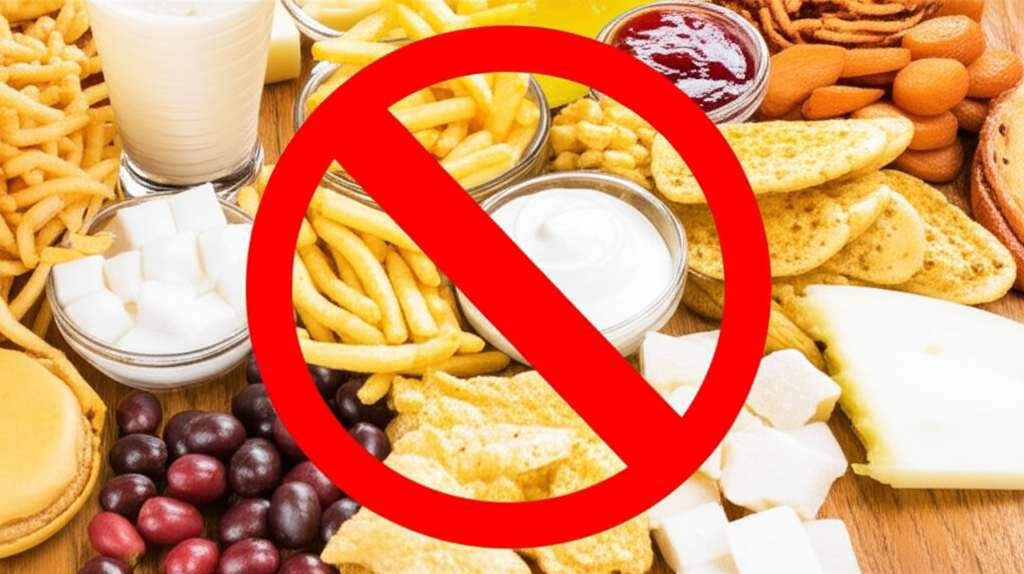
Your liver is like your body’s main processing plant. It filters blood, breaks down nutrients, and removes toxins. When it’s overloaded with fat, it can’t do its job as well.
Certain foods can contribute to this fat buildup and make it harder for your liver to recover. These often include items high in unhealthy fats, added sugars, and processed ingredients.
By avoiding these specific foods, you’re giving your liver a much-needed break and creating a better environment for fat loss. It’s about making your food choices work for your liver, not against it.
10 Foods to Avoid for Fatty Liver Weight Loss
Let’s get down to the specifics. Knowing what to limit or avoid is a powerful step. This list focuses on foods that can negatively impact liver fat and hinder weight loss efforts.
1. Sugary Drinks (Soda, Juice, Sweetened Coffee/Tea)
These are often called “empty calories” because they provide energy but very few nutrients. The high amount of fructose, a type of sugar, is quickly processed by the liver and can be converted into fat.
When you drink sugary beverages, your liver has to work overtime to manage the sugar load. This can directly contribute to fat accumulation in the liver and makes weight loss much harder.
Opt for water, unsweetened tea, or black coffee instead. Even 100% fruit juices can be high in natural sugars, so moderation is key, and whole fruits are generally a better choice.
2. Processed Snacks (Chips, Cookies, Pastries)
These convenient treats are typically loaded with refined carbohydrates, unhealthy fats (like trans fats and excessive saturated fats), and sugar. They offer little nutritional value and can spike blood sugar levels.
The combination of sugar and unhealthy fats in processed snacks is a double whammy for your liver. They can promote inflammation and fat storage, making it difficult to lose weight and potentially worsening fatty liver.
Look for whole-food alternatives like a piece of fruit, a handful of unsalted nuts, or plain yogurt. Reading ingredient lists can help you spot hidden sugars and unhealthy fats.
3. Refined Grains (White Bread, White Rice, White Pasta)
Unlike whole grains, refined grains have had their fiber and nutrients stripped away during processing. This leaves them primarily as simple carbohydrates that are quickly digested.
When you eat refined grains, your body rapidly converts them into glucose, which can lead to insulin spikes. Over time, this can contribute to insulin resistance and promote fat storage, especially around the liver.
Choose whole grain versions whenever possible. Look for “whole wheat,” “whole oats,” or “brown rice” on the label. These provide fiber, which helps you feel full and stabilizes blood sugar.
4. Excessive Red Meat and Processed Meats
Red meat, especially fatty cuts, can be high in saturated fat. Processed meats like bacon, sausages, and deli meats often contain high levels of sodium, unhealthy fats, and preservatives.
High intake of saturated and processed meats can contribute to inflammation and increase the risk of fatty liver disease. The fat content can be hard for your liver to process efficiently, leading to fat buildup.
Opt for lean protein sources like chicken breast, turkey, fish, or plant-based proteins such as beans and lentils. If you do eat red meat, choose lean cuts and eat them in moderation.
5. Fried Foods (French Fries, Fried Chicken, Doughnuts)
Frying foods, especially in unhealthy oils, adds a significant amount of fat and calories. These foods are often coated in refined flour and cooked at high temperatures, which can create harmful compounds.
Fried foods are notoriously high in calories and unhealthy fats, which can directly contribute to weight gain and the accumulation of fat in the liver. They can also be inflammatory.
Choose baking, grilling, steaming, or roasting as healthier cooking methods. If you crave something crispy, try air-frying or baking vegetables with minimal oil.
6. Sugary Desserts and Sweets
Cakes, cookies, ice cream, candies – these are delicious but are concentrated sources of sugar and often unhealthy fats. They provide a quick energy boost but are followed by a crash and can significantly impact liver health.
The high sugar content, particularly fructose, is readily converted to fat by the liver. Consuming large amounts of desserts can overload your liver and make weight loss extremely challenging.
Satisfy your sweet tooth with whole fruits, which provide natural sugars along with fiber and nutrients. Small portions of dark chocolate (70% cocoa or higher) can also be a healthier option.
7. Excessive Alcohol Consumption
While not technically a “food,” alcohol is a significant dietary factor that directly damages the liver. The liver metabolizes alcohol, and excessive intake can lead to inflammation and scarring (cirrhosis).
For individuals with fatty liver, even moderate alcohol consumption can worsen the condition and hinder recovery. Alcohol also adds “empty calories,” making weight loss more difficult.
The safest approach for fatty liver is to avoid alcohol altogether. If you choose to drink, do so in strict moderation and discuss it with your doctor.
8. Foods High in Trans Fats
Trans fats, often listed as “partially hydrogenated oils” on ingredient labels, are particularly harmful. They raise bad cholesterol (LDL) and lower good cholesterol (HDL), and are strongly linked to liver damage and inflammation.
You can find trans fats in some margarines, commercially baked goods, and fried fast foods. They are considered one of the worst types of fat for your overall health, especially for your liver.
Always check ingredient labels for “partially hydrogenated oils” and avoid products containing them. Many countries have banned or are phasing out artificial trans fats, but it’s still wise to be aware.
9. High-Fructose Corn Syrup (HFCS)
HFCS is a common sweetener found in many processed foods and drinks. Like regular sugar, it contains fructose, which the liver metabolizes. When consumed in excess, it can lead to fat buildup in the liver.
HFCS is particularly prevalent in sweetened beverages, breakfast cereals, yogurts, and sauces. It’s a major contributor to the fructose overload that can negatively impact liver health and weight.
Look for HFCS on ingredient lists and try to choose products sweetened with natural options or without added sweeteners. Reading labels is crucial here.
10. Certain Unhealthy Fats (Excessive Saturated Fats)
While not all fats are bad, excessive intake of saturated fats, found in fatty meats, butter, full-fat dairy, and tropical oils like palm and coconut oil, can contribute to fatty liver and weight gain.
These fats can increase cholesterol levels and promote inflammation, making it harder for your liver to function optimally and for you to lose weight. The liver plays a key role in fat metabolism, and a high saturated fat diet can disrupt this.
Focus on healthier fats like those found in olive oil, avocados, nuts, and seeds. These monounsaturated and polyunsaturated fats are beneficial for heart and liver health.
A Practical Approach to Your Diet
It’s easy to feel discouraged when you see a list of foods to avoid. But remember, this is about making positive changes that will benefit your health long-term.
Instead of focusing solely on what you can’t have, let’s think about what you can add. The goal is to build a diet rich in nutrients that support your liver and keep you feeling satisfied.
This means embracing whole, unprocessed foods that are naturally delicious and packed with goodness. It’s a journey, and every small step counts!
Making Smart Swaps
Changing your diet doesn’t have to mean deprivation. Often, simple swaps can make a big difference in both taste and health benefits.
Here are some easy exchanges you can make to reduce the foods on our “avoid” list and boost the nutrients that help your liver:
| If You’re Avoiding | Try Swapping For |
|---|---|
| Sugary soda or juice | Water infused with lemon or cucumber, unsweetened herbal tea |
| White bread or white pasta | Whole wheat bread, whole grain pasta, quinoa, brown rice |
| Potato chips or sugary cookies | A small handful of unsalted nuts, air-popped popcorn, a piece of fruit |
| Fried chicken or fries | Baked chicken breast, roasted vegetables, sweet potato wedges baked with minimal oil |
| Fatty cuts of red meat | Lean chicken or turkey, fish (like salmon or mackerel), lentils, beans |
| Candy or ice cream | Fresh berries, a small piece of dark chocolate (70% cocoa or higher), plain yogurt with fruit |
These swaps help you enjoy your meals while making choices that are better for your liver and your weight loss goals. It’s about making informed decisions that align with your health journey.
The Role of Fiber
Fiber is a superhero when it comes to weight loss and liver health. It’s a type of carbohydrate that your body can’t digest, and it plays a crucial role in keeping you full and supporting digestive health.
Foods rich in fiber, like fruits, vegetables, whole grains, and legumes, help slow down digestion. This means you stay satisfied for longer, reducing the urge to snack on less healthy options.
Fiber also helps regulate blood sugar levels, preventing those energy crashes that can lead to cravings. For your liver, fiber can help bind to toxins and escort them out of your body. Organizations like the American Heart Association emphasize fiber’s importance for overall cardiovascular and metabolic health, which is closely linked to liver health.
Hydration is Key
Don’t forget the power of water! Staying well-hydrated is fundamental for both weight loss and supporting your liver’s detoxification processes.
Drinking plenty of water can help you feel fuller, which can naturally reduce your calorie intake. It also aids in metabolism and helps your body function efficiently.
Aim for at least 8 glasses of water a day, and more if you’re active. Sometimes, thirst can be mistaken for hunger, so drinking water before meals can be a helpful strategy.
Beyond Food: Other Lifestyle Factors
While diet is a huge part of managing fatty liver and losing weight, it’s not the only piece of the puzzle. Other lifestyle factors play a vital role:
- Regular Exercise: Physical activity helps burn calories, build muscle, and improve insulin sensitivity, all of which benefit your liver and aid in weight loss. Aim for a mix of cardio and strength training.
- Adequate Sleep: Getting enough quality sleep (7-9 hours per night) is crucial for hormone regulation, metabolism, and overall body repair. Poor sleep can disrupt hunger hormones and make weight loss harder.
- Stress Management: Chronic stress can lead to unhealthy eating habits and hormonal imbalances that hinder weight loss. Finding healthy ways to manage stress, like meditation or hobbies, is important.
- Consulting Healthcare Professionals: Always talk to your doctor or a registered dietitian before making significant dietary changes, especially if you have a medical condition like fatty liver disease. They can provide personalized advice.
Incorporating these habits alongside your dietary changes will create a powerful synergy, leading to more effective and sustainable results.
Frequently Asked Questions (FAQ)
What is the fastest way to lose weight with fatty liver?
The fastest way to lose weight with fatty liver involves a consistent, healthy diet that avoids the trigger foods mentioned and incorporates whole foods, combined with regular exercise. Sustainable, gradual weight loss is generally recommended over rapid loss to protect liver health. Focus on creating a calorie deficit through smart food choices and physical activity.
Can I eat fruit if I have fatty liver?
Yes, absolutely! Fruits are excellent for fatty liver weight loss. They are packed with fiber, vitamins, and antioxidants. While fruits contain natural sugars, the fiber helps slow down sugar absorption, making them a much healthier choice than processed sweets or sugary drinks. Enjoy a variety of whole fruits.
What kind of fats should I eat for fatty liver?
Focus on healthy fats! These include monounsaturated fats found in olive oil, avocados, and nuts, and polyunsaturated fats found in fatty fish (like salmon and mackerel), flaxseeds, and chia seeds. These fats are beneficial for your heart and liver, helping to reduce inflammation and improve cholesterol levels. Limit saturated and avoid trans fats.
How much weight loss is recommended for fatty liver?
Losing even a small amount of weight can significantly improve fatty liver disease. A target of 5-10% of your body weight is often recommended. For example, if you weigh 200 pounds, aiming to lose 10-20 pounds can make a noticeable difference in liver fat and inflammation. Gradual, sustainable loss is best.
Are eggs bad for fatty liver?
Eggs are generally considered healthy and can be part of a balanced diet for fatty liver. They are a good source of protein and nutrients. While they contain cholesterol, dietary cholesterol has less impact on blood cholesterol for most people than saturated and trans fats. Enjoy eggs in moderation as part of a healthy eating plan.
What are the best vegetables for fatty liver?
Most vegetables are great for fatty liver! Non-starchy vegetables like leafy greens (spinach, kale), broccoli, cauliflower, bell peppers, and asparagus are particularly beneficial. They are low in calories, high in fiber, and packed with antioxidants and nutrients that support liver function and overall health.
Conclusion
Embarking on a journey to manage fatty liver and lose weight is a fantastic step toward a healthier future. By understanding the foods that can hinder your progress, you’re equipping yourself with the knowledge to make smarter, more effective choices.
Remember, this isn’t about perfection; it’s about progress. Focus on incorporating more whole, unprocessed foods, staying hydrated, and being mindful of those items that can add extra fat to your liver and make weight loss a struggle.
You’ve got this! By making these dietary adjustments and embracing a supportive lifestyle, you’re paving the way for a healthier liver and a body that feels energized and well. Keep taking those positive steps, and celebrate every bit of progress you make!
As an Amazon Associate, We earn from qualifying purchases. When you purchase a product through Amazon links on pulsefitguide.com, we may earn a small commission at no extra cost to you. This helps support the site and keep our content free.
