


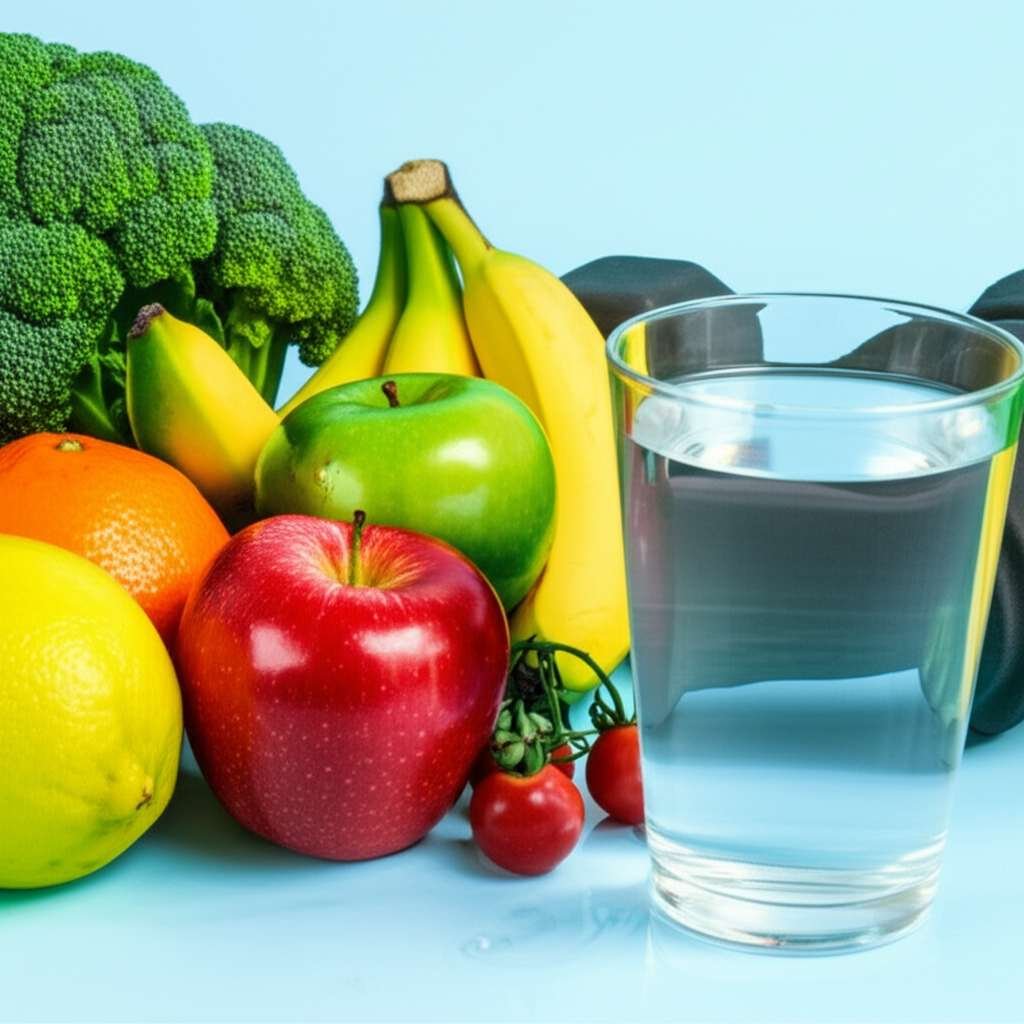
Quick Summary: Achieve fatty liver weight loss with 10 simple lifestyle changes. Focus on a balanced diet, regular exercise, mindful eating, and consistent hydration. These practical tips are designed to be easy to adopt, making sustainable weight loss for fatty liver management accessible for everyone.
Dealing with fatty liver can feel overwhelming, especially when you’re trying to lose weight. It’s easy to get confused by all the advice out there.
But what if I told you that making small, consistent changes to your daily life could make a big difference? You don’t need extreme diets or complicated routines.
This guide breaks down exactly what you need to do, step-by-step. We’ll cover simple, practical tips that fit into your life.
Ready to take control and feel better? Let’s dive into 10 essential lifestyle tips for fatty liver weight loss.
10 Lifestyle Tips For Fatty Liver Weight Loss: Your Essential Guide
Hey there! I’m Jordan, your go-to coach for making weight loss simple and successful. If you’re new to managing fatty liver and want to shed some pounds, you’ve come to the right place. It’s totally normal to feel a bit lost when you’re starting out, but I’m here to guide you with clear, easy-to-follow advice.
Fatty liver, often linked to excess body weight, can be a real challenge. The good news is that making smart lifestyle choices can significantly help in reducing liver fat and promoting weight loss. We’re going to focus on habits that are not just effective but also sustainable and affordable.
Think of this as your personal roadmap. We’ll explore 10 key lifestyle tips that are backed by science but explained in plain English. My goal is to empower you with the knowledge and confidence to make lasting changes without feeling overwhelmed. Let’s get started on this journey together!
Why Weight Loss is Key for Fatty Liver
Excess fat in the liver, known as non-alcoholic fatty liver disease (NAFLD), is a growing concern, especially for individuals who are overweight or obese. When your liver has too much fat, it can become inflamed and damaged over time, potentially leading to more serious liver conditions.
Losing even a small amount of weight, around 5-10% of your total body weight, can have a profound impact on your liver health. This weight loss can help reduce fat in the liver, decrease inflammation, and improve overall liver function. It’s a powerful way to reverse or slow the progression of fatty liver disease.
Weight loss also comes with a cascade of other health benefits, such as improved blood sugar control, lower blood pressure, and better cholesterol levels. These improvements contribute to your overall well-being and reduce the risk of other chronic diseases. It’s a win-win situation for your health!
10 Essential Lifestyle Tips for Fatty Liver Weight Loss
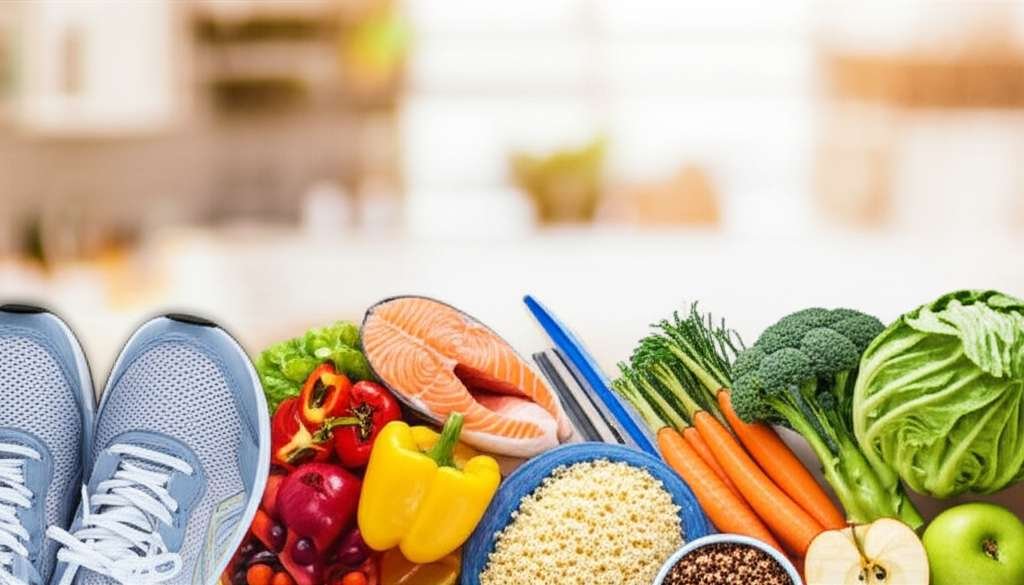
Let’s break down the actionable steps you can take. These tips are designed to be integrated into your daily routine, making them manageable and effective for long-term success.
1. Embrace a Balanced, Nutrient-Dense Diet
Your diet is your most powerful tool when it comes to managing fatty liver and losing weight. The goal is to eat foods that nourish your body, reduce inflammation, and help you feel full and satisfied.
Focus on whole, unprocessed foods. This means plenty of fruits, vegetables, lean proteins, and whole grains. These foods are rich in vitamins, minerals, and fiber, which are essential for good health and can help control your weight.
What to emphasize:
- Vegetables: Aim for a wide variety of colors. Leafy greens like spinach and kale, broccoli, carrots, and bell peppers are excellent choices.
- Fruits: Berries, apples, pears, and citrus fruits are packed with antioxidants and fiber.
- Lean Proteins: Chicken breast, turkey, fish (especially fatty fish like salmon for omega-3s), beans, lentils, and tofu.
- Whole Grains: Oats, quinoa, brown rice, and whole wheat bread provide sustained energy and fiber.
- Healthy Fats: Avocados, nuts, seeds, and olive oil in moderation.
2. Limit Sugary Drinks and Added Sugars
Sugary drinks are a major culprit when it comes to weight gain and liver fat accumulation. They provide a lot of calories with little to no nutritional value.
Cutting back on sodas, fruit juices with added sugar, sweetened teas, and energy drinks can make a huge difference. Even seemingly healthy options like fruit juices can be very high in sugar. Opt for water, unsweetened tea, or black coffee instead.
Added sugars are also hidden in many processed foods, including cereals, yogurts, and sauces. Reading food labels and choosing products with minimal added sugar is crucial. Reducing your sugar intake directly helps your liver process fat more effectively and supports weight loss.
Consider this: The American Heart Association recommends no more than 6 teaspoons (24 grams) of added sugar per day for women and 9 teaspoons (36 grams) for men. Many single servings of sweetened beverages can exceed this limit.
3. Choose Healthy Fats Over Unhealthy Ones
Not all fats are created equal. While you need healthy fats for your body to function, certain types can worsen fatty liver and hinder weight loss efforts.
Steer clear of saturated and trans fats, which are often found in fried foods, processed snacks, fatty cuts of meat, and full-fat dairy products. These fats can increase inflammation and contribute to liver fat buildup.
Instead, incorporate monounsaturated and polyunsaturated fats into your diet. These are found in foods like olive oil, avocados, nuts, seeds, and fatty fish. These fats can help improve cholesterol levels and reduce inflammation.
Healthy Fat Sources:
- Olive oil
- Avocados
- Nuts (almonds, walnuts, pecans)
- Seeds (chia seeds, flaxseeds, sunflower seeds)
- Fatty fish (salmon, mackerel, sardines)
4. Increase Your Fiber Intake
Fiber is a superstar nutrient for both weight loss and liver health. It helps you feel full longer, which can reduce overall calorie intake, and it plays a role in managing blood sugar levels.
Foods high in fiber, like fruits, vegetables, whole grains, and legumes, are also often lower in calories and higher in nutrients. This makes them ideal for a weight loss plan. Fiber also aids in digestion and can help remove toxins from your body.
Aim to gradually increase your fiber intake to avoid digestive discomfort. Good sources of fiber include:
- Beans and lentils
- Oatmeal
- Berries
- Apples
- Broccoli
- Whole wheat pasta and bread
5. Practice Mindful Eating
Mindful eating is about paying attention to your food and your body’s hunger and fullness cues. It’s a powerful strategy to prevent overeating and improve your relationship with food.
When you eat mindfully, you slow down, savor each bite, and notice the flavors and textures of your food. This helps you recognize when you’re truly satisfied, rather than just stuffed. It also reduces the chances of eating out of boredom or stress.
Tips for Mindful Eating:
- Eat without distractions (no TV, phone, or computer).
- Chew your food slowly and thoroughly.
- Pay attention to your body’s hunger and fullness signals.
- Acknowledge the source of your food and appreciate it.
- Pause between bites to check in with yourself.
6. Get Moving: Incorporate Regular Physical Activity
Exercise is a critical component of fatty liver weight loss. It helps burn calories, build muscle, and improve your body’s sensitivity to insulin, which can reduce fat buildup in the liver.
The key is consistency. Aim for a mix of aerobic exercise and strength training. Aerobic activities like brisk walking, jogging, swimming, or cycling get your heart rate up and burn calories. Strength training helps build muscle mass, which boosts your metabolism.
Start with what you can manage and gradually increase the intensity and duration. Even short bursts of activity throughout the day can add up.
Recommended Exercise Guidelines:
- Aerobic Exercise: Aim for at least 150 minutes of moderate-intensity aerobic activity or 75 minutes of vigorous-intensity activity per week.
- Strength Training: Include muscle-strengthening activities at least two days a week.
The Centers for Disease Control and Prevention (CDC) provides excellent resources on physical activity guidelines for adults.
7. Stay Hydrated with Water
Water is essential for almost every bodily function, including metabolism and detoxification. Drinking enough water can help you feel fuller, which aids in weight management, and it supports your liver in flushing out toxins.
Instead of reaching for sugary drinks or calorie-laden beverages, make water your primary choice. Carry a reusable water bottle with you throughout the day to remind yourself to sip frequently.
How much water should you drink? A general guideline is about eight 8-ounce glasses per day, but your individual needs may vary based on activity level, climate, and overall health. Listening to your body and drinking when you’re thirsty is a good practice.
Benefits of Staying Hydrated:
- Aids digestion
- Helps transport nutrients
- Supports kidney function
- Can boost metabolism
- Reduces cravings for sugary drinks
8. Get Enough Quality Sleep
Sleep might not be the first thing you think of for weight loss or liver health, but it plays a surprisingly significant role. Lack of sleep can disrupt hormones that regulate appetite, leading to increased cravings for unhealthy foods.
When you’re sleep-deprived, your body may also become more resistant to insulin, which can contribute to fat storage, including in the liver. Aim for 7-9 hours of quality sleep per night.
Tips for Better Sleep:
- Establish a regular sleep schedule.
- Create a relaxing bedtime routine.
- Ensure your bedroom is dark, quiet, and cool.
- Limit screen time before bed.
- Avoid caffeine and heavy meals close to bedtime.
9. Manage Stress Effectively
Chronic stress can lead to increased levels of cortisol, a hormone that can promote fat storage, particularly around the abdomen, and can exacerbate inflammation. For individuals with fatty liver, managing stress is an important part of their overall health strategy.
Finding healthy ways to cope with stress can help regulate your appetite, reduce cravings for comfort foods, and improve your mood. This, in turn, can support your weight loss efforts and liver health.
Stress Management Techniques:
- Deep breathing exercises
- Meditation or mindfulness
- Yoga or Tai Chi
- Spending time in nature
- Engaging in hobbies you enjoy
- Talking to a friend, family member, or therapist
10. Limit Alcohol Consumption (or Avoid It)
For many people with fatty liver disease, especially alcoholic fatty liver disease, reducing or eliminating alcohol intake is absolutely critical. However, even for those with non-alcoholic fatty liver disease, limiting alcohol can be beneficial.
Alcohol is processed by the liver, and excessive consumption can directly damage liver cells and contribute to fat buildup. Furthermore, alcoholic beverages often contain empty calories, which can hinder weight loss efforts.
If you have fatty liver, it’s best to discuss your alcohol consumption with your healthcare provider. In many cases, abstaining from alcohol is the recommended course of action to allow your liver to heal and prevent further damage.
Putting It All Together: A Sample Weekly Plan
To make these tips more concrete, let’s look at a sample of how you might integrate them into your week. Remember, this is a template, and you should adjust it based on your personal preferences and needs.
| Day | Focus | Meal Ideas & Activities |
|---|---|---|
| Monday | Healthy Start & Hydration | Oatmeal with berries for breakfast. Water throughout the day. Lunch: Large salad with grilled chicken. Dinner: Baked salmon with roasted vegetables. Evening: Relaxing walk. |
| Tuesday | Fiber Focus & Movement | Breakfast: Greek yogurt with chia seeds. Lunch: Lentil soup with whole-grain bread. Dinner: Chicken stir-fry with brown rice and lots of veggies. Afternoon: 30-minute brisk walk. |
| Wednesday | Mindful Eating & Lean Protein | Breakfast: Scrambled eggs with spinach. Lunch: Turkey and veggie wrap on whole wheat tortilla. Dinner: Lean beef or plant-based protein with quinoa and steamed broccoli. Evening: Practice deep breathing. |
| Thursday | Hydration & Healthy Fats | Smoothie with spinach, fruit, and a tablespoon of almond butter. Lunch: Quinoa salad with chickpeas and avocado. Dinner: Baked cod with asparagus and a side of olive oil dressing. Drink plenty of water. |
| Friday | Active Lifestyle & Veggie Power | Breakfast: Whole-grain toast with avocado. Lunch: Leftover lean protein and veggies. Dinner: Homemade vegetable chili. Evening: Gentle yoga session. |
| Saturday | Flexibility & Enjoyment | Allow for a slightly more relaxed meal, but still focus on whole foods. Perhaps a homemade lean protein pizza on whole wheat crust with plenty of veggies. Enjoy a longer walk or hike. |
| Sunday | Rest & Preparation | Focus on rest and preparing for the week ahead. Light meals like a large salad or a lean protein with steamed vegetables. Plan your meals and grocery list. Ensure good sleep. |
Frequently Asked Questions (FAQ)

Here are some common questions beginners have about fatty liver weight loss.
Q1: How quickly can I expect to see results for fatty liver with these lifestyle changes?
Results vary from person to person. Some individuals may notice improvements in how they feel within a few weeks, such as more energy. For significant changes in liver fat or weight loss, it typically takes a few months of consistent effort. Focus on building sustainable habits rather than quick fixes.
Q2: Do I need to cut out all carbohydrates to lose weight with fatty liver?
No, you don’t need to eliminate all carbohydrates. The key is to choose complex, whole-grain carbohydrates rich in fiber, like oats, quinoa, and brown rice, and to limit refined carbs and added sugars. These whole-grain options provide sustained energy and are much healthier for your liver and weight management.
Q3: Can I still eat out at restaurants?
Yes, you can still eat out, but it requires making mindful choices. Look for grilled, baked, or steamed options instead of fried foods. Ask for sauces and dressings on the side, and load up on vegetable sides. Be aware of portion sizes, and consider sharing an entrée or taking half home.
Q4: Is it okay to drink coffee or tea?
Yes, unsweetened coffee and tea can be part of a healthy diet for fatty liver. They contain antioxidants and can even have protective effects on the liver. The main thing to avoid is adding sugar, cream, or syrups, which can add unnecessary calories and sugar.
Q5: How important is it to lose weight if my liver enzymes are only slightly elevated?
Even slightly elevated liver enzymes can be an early indicator of liver stress or fat accumulation. Losing weight, even if it’s just 5-10% of your body weight, can significantly improve liver health and reduce the risk of the condition progressing. It’s a proactive step towards better long-term health.
Q6: Can supplements help with fatty liver weight loss?
While some supplements like milk thistle or vitamin E are sometimes discussed for liver health, it’s crucial to consult with your doctor before taking any. The most effective approach for fatty liver weight loss involves diet, exercise, and lifestyle changes. Supplements should not be seen as a replacement for these fundamental strategies.
Conclusion
Embarking on a journey to lose weight with fatty liver might seem daunting, but it’s incredibly achievable with the right approach. By focusing on these 10 lifestyle tips – from nourishing your body with a balanced diet and staying hydrated to moving regularly and managing stress – you’re setting yourself up for success.
Remember, consistency is your best friend. Small, sustainable changes made day after day will lead to significant improvements in your liver health and overall well-being. Don’t aim for perfection; aim for progress. Celebrate your wins, no matter how small, and be patient with yourself.
You have the power to make positive changes. This guide is your starting point, offering a clear, practical path forward. By integrating these tips into your life, you’re not just managing fatty liver; you’re investing in a healthier, happier future. You’ve got this!
As an Amazon Associate, We earn from qualifying purchases. When you purchase a product through Amazon links on pulsefitguide.com, we may earn a small commission at no extra cost to you. This helps support the site and keep our content free.
