


Quick Summary:
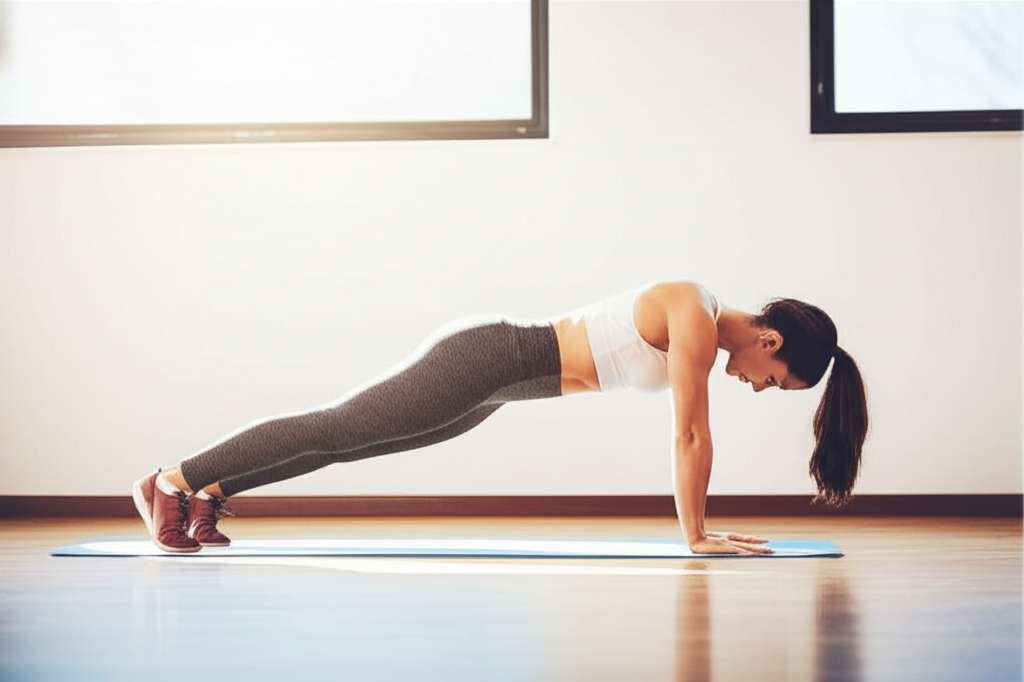
Lose weight effortlessly with 5 easy exercises you can do anywhere! These beginner-friendly movements focus on burning calories and building strength, making your weight loss journey simple and sustainable. Get ready to see results without needing a gym or fancy gear.
Feeling a bit stuck on your weight loss journey? You’re not alone. Many people find it tough to know where to start, or they get overwhelmed by complicated workout plans. It can feel like a puzzle with too many pieces!
But here’s the good news: losing weight doesn’t have to be complicated or exhausting. With the right approach, you can achieve amazing results with simple, effective exercises that fit right into your busy life.
We’ll walk through five super easy exercises that are perfect for beginners. They require no special equipment and can be done right in your living room. Let’s get started on making weight loss feel less like a chore and more like a rewarding habit!
Understanding Weight Loss: The Simple Science
Before we jump into the exercises, let’s quickly touch on how weight loss actually works. It’s all about energy balance: calories in versus calories out. When you consume fewer calories than your body uses, you lose weight. Exercise is a fantastic way to increase the “calories out” side of the equation.
Think of your body like a car. To go, it needs fuel (food). When you move more (exercise), you burn more fuel. If you consistently burn more fuel than you take in, the car (your body) starts using its stored fuel – that’s body fat – to keep running. This simple principle is the foundation of effective weight loss.
Understanding this helps demystify the process. It’s not about magic pills or extreme diets; it’s about creating a healthy energy balance that your body can sustain long-term. And exercise plays a crucial role in making that balance achievable and healthy.
Why These 5 Exercises Are Perfect for Beginners
We’ve chosen these five exercises because they are:
- Beginner-friendly: They are easy to learn and perform with good form, even if you’re new to exercise.
- Effective for calorie burning: They engage multiple muscle groups, helping you burn more calories in less time.
- No equipment needed: You can do them anywhere, anytime – no gym membership required!
- Scalable: You can gradually increase the intensity or duration as you get fitter.
- Build foundational strength: They help improve your overall fitness, making other activities easier.
These exercises are designed to get you moving, build confidence, and start seeing positive changes without feeling overwhelmed. Let’s dive into them!
5 Easy Exercises to Lose Weight (No Equipment Needed!)
Here are five fantastic exercises that will help you burn calories and build strength, all without needing any equipment. Remember to listen to your body and focus on proper form. If you’re unsure about your form, a quick search for video demonstrations can be incredibly helpful!
1. The Humble Squat: Your Lower Body Powerhouse
Squats are a king of exercises for a reason. They work your quads, hamstrings, glutes, and even your core. They mimic everyday movements like sitting down and standing up, making them functional and effective.
How to Do a Squat:
- Stand with your feet shoulder-width apart, toes pointing slightly outward.
- Keep your chest up and your back straight. Imagine you’re about to sit back into a chair.
- Lower your hips down and back, bending your knees as if you’re sitting. Aim to get your thighs parallel to the floor, or as low as comfortable while maintaining good form.
- Ensure your knees track over your toes and don’t collapse inward.
- Push through your heels to return to the starting position, squeezing your glutes at the top.
Beginner Tips for Squats:
- Start by doing just 10-15 repetitions.
- Focus on controlled movements rather than speed.
- If a full squat is too challenging, try a partial squat, only going down a few inches.
- You can hold onto a stable chair or counter for balance if needed.
Why it helps with weight loss:
Squats are a compound exercise, meaning they work many muscles at once. This increases your heart rate and burns a significant number of calories. Building muscle also helps boost your metabolism, meaning you burn more calories even at rest!
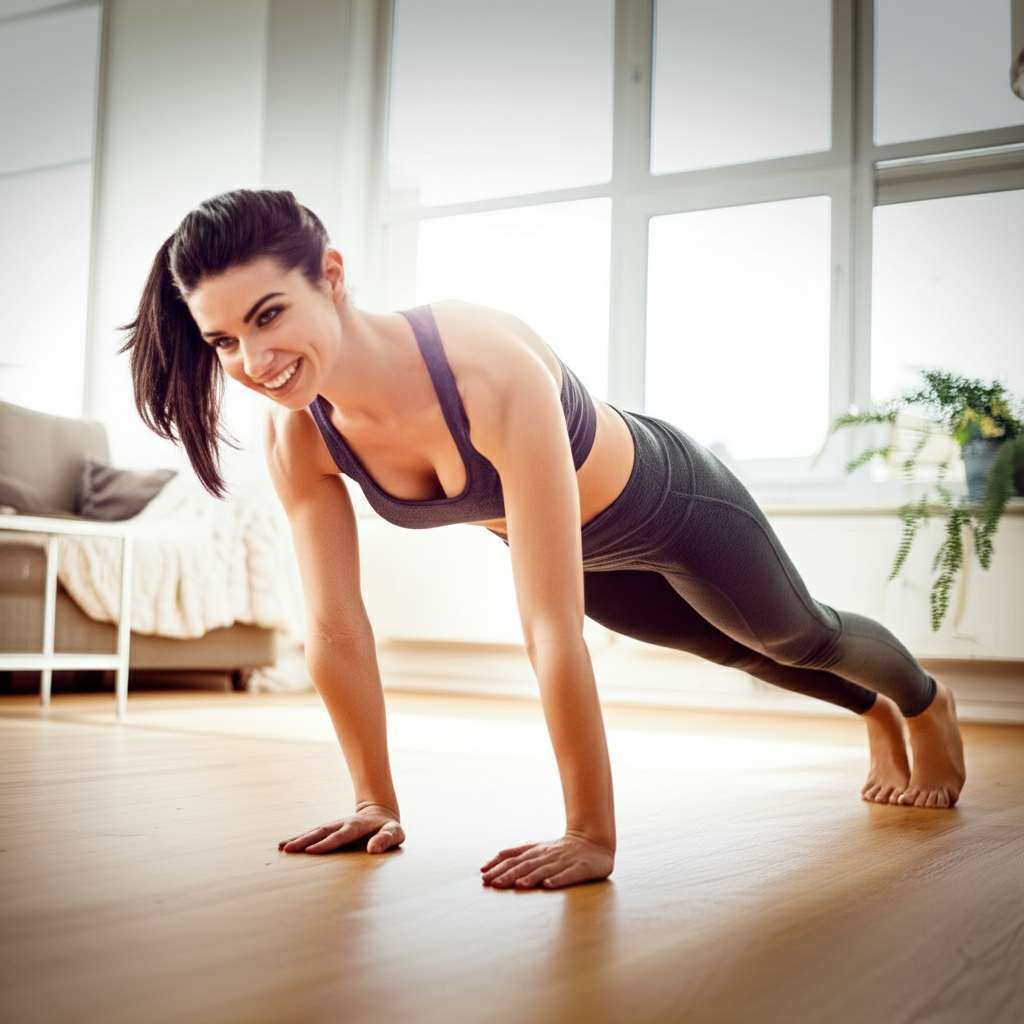
2. Push-Ups: Building Upper Body and Core Strength
Push-ups are a classic exercise that works your chest, shoulders, triceps, and core. While they can seem challenging at first, there are modifications to make them accessible for everyone.
How to Do a Push-Up (Modified on Knees):
- Start on your hands and knees. Place your hands slightly wider than shoulder-width apart, directly under your shoulders.
- Your knees should be on the floor, and your body should form a straight line from your head to your knees.
- Keeping your core engaged, lower your chest towards the floor by bending your elbows. Keep your elbows tucked slightly towards your body, not flaring out wide.
- Push back up to the starting position.
Beginner Tips for Push-Ups:
- Aim for 8-10 repetitions.
- If this is still too hard, try placing your hands on an elevated surface like a sturdy table or a wall (wall push-ups).
- Focus on keeping your back flat and your core tight. Avoid letting your hips sag or pike up.
- You can also try doing fewer reps with perfect form rather than many with poor form.
Why it helps with weight loss:
Push-ups are excellent for building upper body and core strength. A stronger core helps with posture and stability in all movements, and engaging large muscle groups like your chest and shoulders contributes to calorie expenditure. The added muscle mass also helps increase your resting metabolic rate.
3. Walking Lunges: Balance and Lower Body Burn
Lunges are another fantastic lower-body exercise that also challenges your balance and core. They work your quads, hamstrings, and glutes, and can be easily modified.
How to Do a Walking Lunge:
- Start by standing tall with your feet hip-width apart.
- Step forward with one leg, lowering your hips until both knees are bent at approximately a 90-degree angle. Your front knee should be directly above your ankle, and your back knee should be hovering just off the floor.
- Push off your back foot and bring it forward to meet your front foot, returning to a standing position.
- Repeat the lunge with the opposite leg. Continue alternating legs as you “walk” forward.
Beginner Tips for Lunges:
- Start with 10-12 lunges per leg.
- Focus on maintaining balance. Take a slightly longer or shorter step if needed.
- Keep your torso upright throughout the movement.
- If walking lunges feel unstable, start with stationary lunges, stepping forward and returning to the start without walking.
Why it helps with weight loss:
Lunges work each leg independently, which can help address muscle imbalances. They are great for building leg strength and endurance, and the balancing act engages your core. This compound movement helps burn a good amount of calories, contributing to your weight loss goals.
4. Jumping Jacks: Cardiovascular Boost
Jumping jacks are a classic cardio move that gets your heart pumping and burns calories effectively. They are a great way to warm up or to add an intense burst of activity into your routine.
How to Do a Jumping Jack:
- Start in a standing position with your feet together and your arms at your sides.
- Simultaneously jump your feet out to the sides while raising your arms overhead, clapping your hands if comfortable.
- Immediately jump your feet back together while lowering your arms back to your sides, returning to the starting position.
- Repeat in a continuous motion.
Beginner Tips for Jumping Jacks:
- Aim for 30-60 seconds of continuous jumping jacks.
- If jumping is too much impact, try a “step-out” modification: step one foot out to the side while raising your arms, then return to center. Repeat on the other side. This is often called a “low-impact jumping jack.”
- Focus on a steady rhythm.
- Take breaks as needed.
Why it helps with weight loss:
Jumping jacks are an excellent cardiovascular exercise. They elevate your heart rate, which is crucial for burning calories during your workout. Regular cardio helps improve heart health, stamina, and is a cornerstone of any weight loss plan. According to the American Heart Association, adults should aim for at least 150 minutes of moderate-intensity aerobic activity per week, and jumping jacks are a great way to contribute to that goal.
5. Plank: Core Strength and Stability
The plank is an isometric exercise that is incredible for building core strength. A strong core is essential for overall stability, better posture, and can even help prevent injuries.
How to Do a Plank:
- Start on your hands and knees.
- Lower onto your forearms, ensuring your elbows are directly beneath your shoulders.
- Extend your legs back, coming onto the balls of your feet.
- Your body should form a straight line from your head to your heels. Engage your core by pulling your belly button towards your spine.
- Hold this position, keeping your hips from sagging or lifting too high.
Beginner Tips for Planks:
- Aim to hold the plank for 20-30 seconds.
- If a full plank is too difficult, drop to your knees while maintaining a straight line from head to knees.
- Focus on engaging your core muscles. You should feel tension in your abdomen.
- Rest for 30 seconds and repeat 2-3 times.
Why it helps with weight loss:
While planks don’t burn as many calories as cardio exercises, they are vital for building a strong foundation. A strong core supports all your movements, making other exercises more effective and reducing the risk of injury. Plus, building muscle, even in your core, contributes to a higher resting metabolic rate, helping you burn more calories throughout the day.
Putting It All Together: Your Workout Plan
Now that you know the exercises, how do you put them into a routine? Consistency is key! Aim to do these exercises 3-4 times a week. You can do them all in one session or split them up throughout the day.
Sample Beginner Workout Routine (3-4 times per week):
Perform each exercise for the suggested repetitions or duration. Rest for 30-60 seconds between exercises.
| Exercise | Sets | Repetitions/Duration | Notes |
|---|---|---|---|
| Squats | 3 | 12-15 | Focus on form, go as low as comfortable. |
| Knee Push-Ups | 3 | 8-10 | Keep core tight, back straight. |
| Walking Lunges | 3 | 10-12 per leg | Maintain balance, upright torso. |
| Jumping Jacks | 1-2 | 30-60 seconds | Or low-impact version. Focus on steady rhythm. |
| Plank | 3 | Hold for 20-30 seconds | Keep hips from sagging, engage core. |
As you get stronger, you can gradually increase the number of repetitions, sets, or the duration of your holds. You can also increase the frequency to 5 days a week. Remember to include rest days to allow your body to recover and rebuild.
Progression and Listening to Your Body
The most important aspect of any exercise program, especially for beginners, is to listen to your body. If you feel sharp pain, stop. It’s okay to modify exercises or take extra rest days.
Progression doesn’t always mean doing more. It can also mean improving your form, increasing your endurance, or making the exercises slightly more challenging. For example, if knee push-ups become easy, try progressing to standard push-ups, or increase the hold time for your plank.
To understand more about physical activity guidelines and how to stay safe, the Centers for Disease Control and Prevention (CDC) offers excellent, evidence-based information on physical activity for adults.
Nutrition: The Other Half of the Weight Loss Equation
While exercise is crucial for weight loss, it’s only half the story. What you eat plays an equally, if not more, significant role. Focusing on a balanced diet rich in whole foods is key.
- Prioritize whole foods: Fruits, vegetables, lean proteins, and whole grains should be the foundation of your meals.
- Stay hydrated: Drinking plenty of water throughout the day can help with satiety and metabolism.
- Mindful eating: Pay attention to your hunger and fullness cues. Eat slowly and savor your food.
- Limit processed foods: These are often high in calories, sugar, and unhealthy fats, and low in nutrients.
Combining these easy exercises with mindful eating habits will significantly boost your weight loss efforts. It’s about creating a sustainable, healthy lifestyle, not just a quick fix.
Frequently Asked Questions (FAQ)
Q1: How quickly can I expect to see results from these exercises?
Results vary from person to person. You might start noticing increased energy and a feeling of greater strength within a couple of weeks. Visible changes in weight or body composition typically take 4-8 weeks of consistent effort, combined with a healthy diet.
Q2: I’m very out of shape. Are these exercises really too easy?
These exercises are designed to be a starting point. If they feel easy, that’s fantastic progress! You can increase the number of reps, sets, or hold times. For example, if 15 squats feel too easy, aim for 20, or do an extra set. The goal is to challenge yourself appropriately as you get fitter.
Q3: Can I do these exercises every day?
While it’s great to be active, rest days are crucial for muscle recovery and preventing burnout. Aim for 3-4 days a week of this routine. You can do light activities like walking or stretching on your rest days if you feel up to it.
Q4: What if I have joint pain or injuries?
Always consult with a healthcare professional or physical therapist before starting any new exercise program if you have pre-existing conditions or injuries. Many of these exercises can be modified, but professional guidance is essential to ensure safety and effectiveness for your specific situation.
Q5: How long should each workout session be?
A full session of these five exercises, including rest between sets, might take about 20-30 minutes. As you increase reps or sets, it might extend to 40 minutes. Consistency over long, grueling sessions is more effective for weight loss.
Q6: Do I need to track my progress?
Tracking can be motivating! You can keep a simple journal of the reps and sets you complete. You might also want to take measurements or notice how your clothes fit. Don’t rely solely on the scale, as muscle gain can sometimes offset fat loss on the scale.
Conclusion: Your Journey to a Healthier You Starts Now!
Embarking on a weight loss journey can feel daunting, but it doesn’t have to be. By incorporating these five easy, no-equipment exercises into your routine, you’re taking a significant step towards a healthier, fitter you. Remember, consistency is your superpower.
Focus on proper form, listen to your body, and celebrate your progress along the way. Combine these movements with a balanced, nutritious diet, and you’ll be well on your way to achieving your weight loss goals. You’ve got this!
As an Amazon Associate, We earn from qualifying purchases. When you purchase a product through Amazon links on pulsefitguide.com, we may earn a small commission at no extra cost to you. This helps support the site and keep our content free.
