


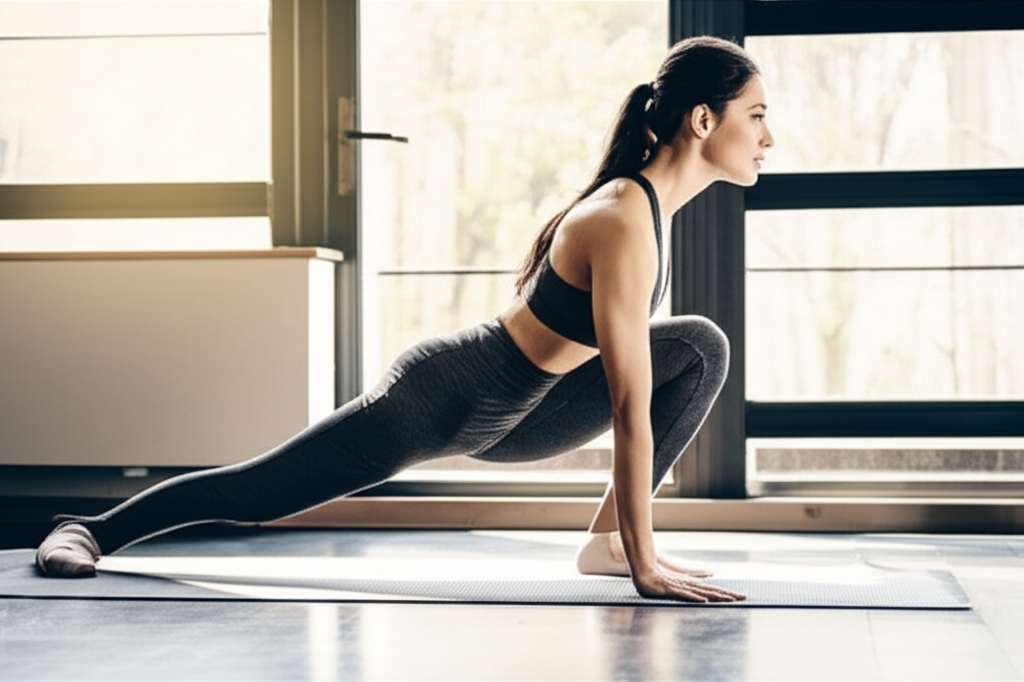
Best Exercises for Weight Loss at Home: Effortless Routines
Losing weight at home can feel overwhelming, but it doesn’t have to be! Discover 5 simple, effective exercises you can do anywhere. No gym needed, just your motivation and a little space. Let’s get started on your effortless journey to a healthier you.
Are you looking to shed a few pounds but find the gym intimidating or your schedule too packed? You’re not alone. Many people struggle with weight loss because they believe it requires complicated routines or expensive equipment. The good news is that effective weight loss can happen right in your living room!
Understanding how to move your body efficiently is key. We’ll break down five fantastic exercises that are beginner-friendly, require no special gear, and can make a real difference when done consistently. These aren’t about extreme effort; they’re about smart, sustainable movement.
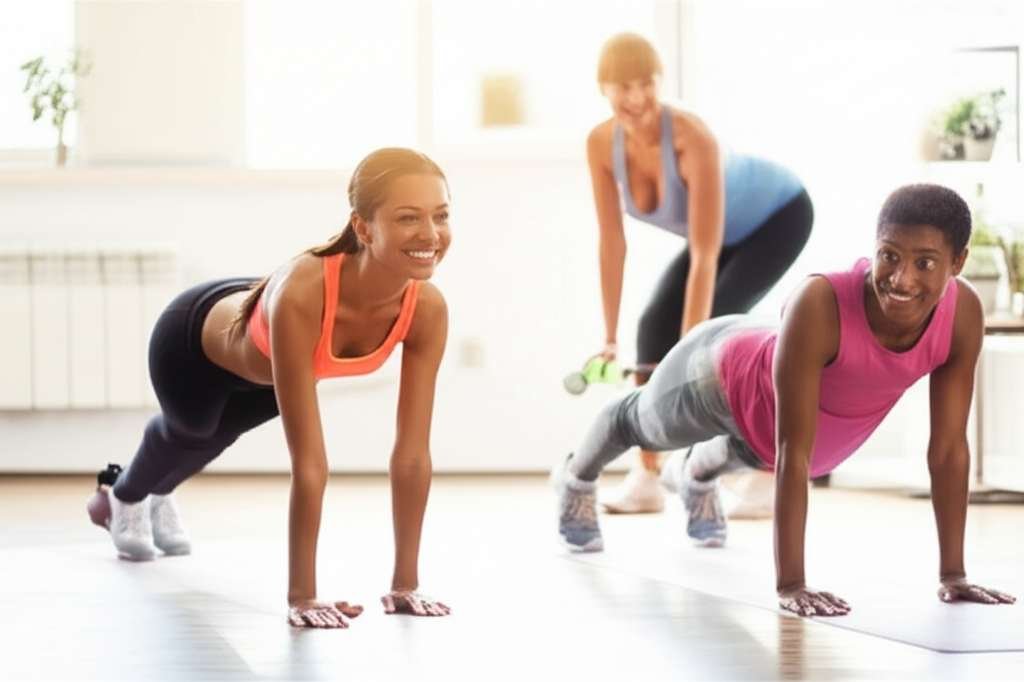
Get ready to transform your home into your personal fitness studio. Let’s explore these effortless exercises designed to boost your metabolism and help you reach your weight loss goals!
Why Home-Based Weight Loss Exercises Work
Many people think that losing weight requires a gym membership and hours of intense workouts. This simply isn’t true! Your home is a perfectly capable space for effective exercise, especially when you’re just starting out. The biggest hurdle for most beginners is often knowing where to begin and how to stay motivated without external pressure.
Home-based exercises offer unparalleled convenience. You can fit them into your schedule whenever it suits you, whether it’s first thing in the morning, during a lunch break, or after dinner. This flexibility removes a major barrier to consistency, which is crucial for weight loss. Plus, you save time and money by avoiding travel and gym fees.
The science behind weight loss through exercise is straightforward: you need to burn more calories than you consume. By incorporating exercises that engage large muscle groups and elevate your heart rate, you create a calorie deficit. This deficit, combined with mindful eating, leads to sustainable weight loss. We’ll focus on movements that are accessible and build a strong foundation for your fitness journey.
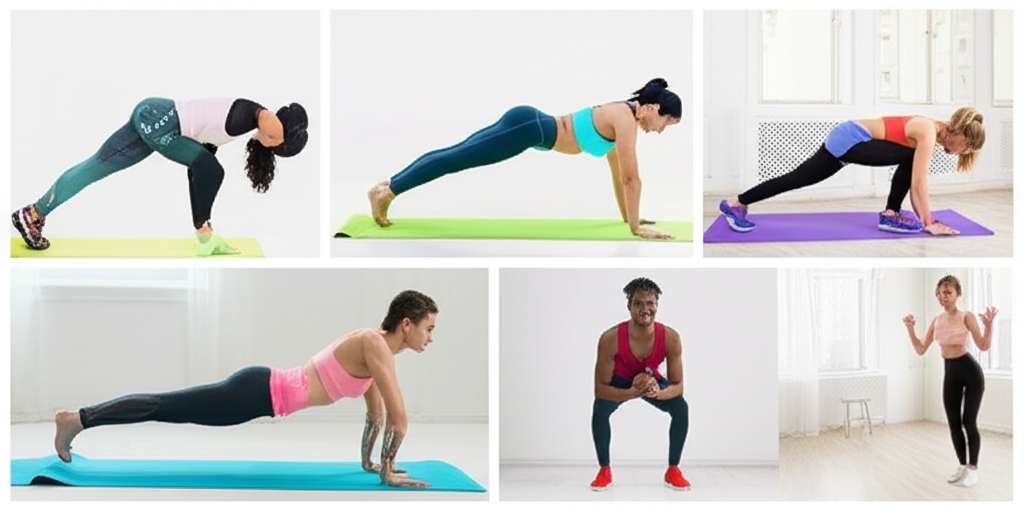
The 5 Best Exercises for Weight Loss at Home: Effortless Edition
These five exercises are chosen for their effectiveness, accessibility, and ability to be modified as you get fitter. They target major muscle groups, help burn calories, and can be done with minimal to no equipment. Remember, consistency is more important than intensity when you’re starting out.
1. Bodyweight Squats
Squats are a powerhouse exercise that works your legs and glutes, major muscle groups that burn a lot of calories. They also engage your core for stability. When done correctly, they mimic everyday movements like sitting down and standing up, making them incredibly functional.
How to do it:
- Stand with your feet shoulder-width apart, toes pointing slightly outward.
- Keep your chest up, back straight, and core engaged.
- Lower your hips as if you’re sitting back into a chair, bending your knees.
- Aim to get your thighs parallel to the floor, or as low as comfortable.
- Push through your heels to return to the starting position.
Tips for beginners:
- If squatting low is difficult, start by just lowering yourself a few inches.
- You can hold onto a sturdy chair or wall for balance.
- Focus on proper form over speed.
Progression:
Once you’re comfortable, try adding a small jump at the top for squat jumps, or hold light weights (like water bottles) for added resistance.
2. High Knees
High knees are a fantastic cardio exercise that gets your heart rate up quickly, burning calories and improving cardiovascular health. It’s a dynamic movement that also works your core and leg muscles.
How to do it:
- Stand tall with your feet hip-width apart.
- Engage your core and begin to march in place, bringing one knee up towards your chest.
- As you lower that leg, immediately drive the opposite knee up.
- Continue this motion quickly, as if you’re running in place but bringing your knees up high.
- Pump your arms naturally to help with momentum.
Tips for beginners:
- Start at a brisk marching pace if a full run feels too intense.
- Focus on lifting your knees as high as you can comfortably manage.
- Keep your upper body upright and your core tight.
Progression:
Increase the speed to turn it into a faster jog or run. You can also try adding a small hop as you switch legs for an added challenge.
3. Plank
The plank is a fundamental exercise for building core strength, which is vital for overall stability and posture. A strong core can also help prevent injuries and improve your performance in other exercises. While it might seem simple, holding a plank effectively engages multiple muscle groups, including your abs, back, and shoulders.
How to do it:
- Start on your hands and knees.
- Place your hands directly under your shoulders, then extend your legs back so you are on your toes.
- Your body should form a straight line from your head to your heels.
- Engage your abdominal muscles and glutes to prevent your hips from sagging or rising too high.
- Hold this position for a set amount of time.
Tips for beginners:
- If a full plank is too difficult, start by dropping to your knees. This is called a knee plank and is a great modification.
- Focus on maintaining a straight line; avoid arching your back or letting your hips drop.
- Breathe deeply and evenly throughout the hold.
Progression:
Increase the duration of your hold. Once you’re strong, you can try variations like side planks or plank jacks.
4. Lunges
Lunges are excellent for targeting the legs and glutes individually, which helps address muscle imbalances. They also improve balance and coordination, making them a well-rounded exercise for weight loss and functional fitness.
How to do it:
- Stand with your feet hip-width apart.
- Step forward with one leg, lowering your hips until both knees are bent at approximately a 90-degree angle.
- Ensure your front knee is directly above your ankle, and your back knee hovers just above the floor.
- Push off with your front foot to return to the starting position.
- Repeat on the other leg.
Tips for beginners:
- Take smaller steps initially to maintain balance.
- Focus on keeping your torso upright.
- If balance is a major issue, you can hold onto a wall or chair for support.
Progression:
Try walking lunges where you step forward and then immediately lunge with the opposite leg, or add weights to your hands.
5. Jumping Jacks
Jumping jacks are a classic full-body cardio exercise that’s fantastic for burning calories and boosting your metabolism. They’re easy to learn, require no equipment, and can be done anywhere, making them perfect for a quick home workout session.
How to do it:
- Start standing with your feet together and your arms at your sides.
- Simultaneously jump your feet out to the sides while raising your arms overhead.
- Immediately jump back to the starting position, bringing your feet together and your arms back to your sides.
- Repeat this motion continuously.
Tips for beginners:
- If the jumping motion is too hard on your joints, try a modified version: step one foot out to the side while raising your arms, then return to center and repeat on the other side.
- Focus on a smooth, controlled movement.
- Keep your core engaged to maintain stability.
Progression:
Increase the speed of your jumping jacks or try performing them for longer durations. You can also add a slight squat when you land your feet to increase intensity.
Structuring Your Home Workout
To get the most out of these exercises, it’s helpful to structure them into a routine. This ensures you’re working different muscle groups and getting a balanced workout. Consistency is key, so aim for a schedule that you can realistically stick to.
For beginners, starting with 2-3 days a week is a great goal. As you get fitter, you can gradually increase the frequency to 4-5 days a week. Remember to listen to your body and take rest days when needed. Rest is just as important as exercise for muscle recovery and preventing burnout.
Sample Beginner Workout Routine (3 Days/Week)
This routine focuses on performing each exercise for a set duration or number of repetitions. Rest periods are included to help you recover.
Workout Structure:
Perform each exercise for 30 seconds, followed by 30 seconds of rest. Complete 2-3 rounds of all five exercises.
Warm-up (5 minutes): Light cardio like marching in place, arm circles, leg swings.
Workout Circuit:
- Bodyweight Squats (30 seconds work / 30 seconds rest)
- High Knees (30 seconds work / 30 seconds rest)
- Plank (Hold for 30 seconds / 30 seconds rest)
- Lunges (Alternate legs for 30 seconds work / 30 seconds rest)
- Jumping Jacks (30 seconds work / 30 seconds rest)
Cool-down (5 minutes): Gentle stretching for major muscle groups (quads, hamstrings, glutes, chest, shoulders).
This structure provides a good starting point. As you progress, you can increase the work time, decrease rest time, add more rounds, or increase repetitions.
Progression Guidelines
As your fitness improves, you’ll need to challenge your body further to continue seeing results. This is known as progressive overload, and it’s essential for continued weight loss and muscle building.
When to Progress:
- When you can comfortably complete your current workout without feeling overly fatigued.
- When the exercises start to feel easier.
- When you’re ready for a greater challenge.
Ways to Progress:
- Increase Duration/Repetitions: Aim for longer work intervals (e.g., 45-60 seconds) or more repetitions per set.
- Decrease Rest Time: Shorten the rest periods between exercises or sets.
- Increase Sets/Rounds: Add an extra round to your circuit.
- Add Intensity: Introduce variations like squat jumps, faster high knees, or side planks.
- Incorporate Light Weights: Once comfortable, add dumbbells, resistance bands, or even household items like water bottles.
For example, after a few weeks, you might aim for 45 seconds of work with 15 seconds of rest, or increase your plank hold time to 60 seconds.
The Role of Nutrition in Weight Loss
While these exercises are fantastic for burning calories and building a fitter body, it’s crucial to remember that nutrition plays a significant role in weight loss. Exercise alone is rarely enough to achieve substantial weight loss goals without addressing your diet. Think of exercise as a powerful accelerator, and nutrition as the fuel that drives the process.
A balanced diet focuses on whole, unprocessed foods. This includes plenty of fruits, vegetables, lean proteins, and whole grains. These foods provide essential nutrients and fiber, which help you feel full and satisfied, making it easier to manage your calorie intake. Limiting processed foods, sugary drinks, and excessive unhealthy fats is also vital.
For effective weight loss, it’s generally recommended to consume slightly fewer calories than your body burns. However, drastic calorie restriction can be counterproductive and unhealthy. It’s best to aim for a moderate calorie deficit that you can sustain long-term. Consulting with a registered dietitian or nutritionist can provide personalized guidance on creating a healthy eating plan tailored to your needs and preferences.
For more information on healthy eating principles, the NHS Inform website offers excellent, evidence-based advice on nutrition and healthy eating.
Consistency and Mindset: Your Weight Loss Allies
Achieving weight loss is not just about the exercises you do or the food you eat; it’s also about your mindset and consistency. These are often the unsung heroes of a successful weight loss journey.
Consistency means showing up, even on days when you don’t feel like it. It means making your workout a non-negotiable part of your day, just like brushing your teeth. This builds momentum and creates lasting habits. When you miss a workout, don’t let it derail you; simply get back on track with your next planned session. Every small, consistent effort adds up over time.
Your mindset is equally important. Celebrate small victories, such as completing a workout you found challenging or making a healthier food choice. Be patient with yourself; weight loss is a journey, not a race. There will be ups and downs, but maintaining a positive outlook and believing in your ability to succeed will keep you motivated. Focus on how you feel – more energized, stronger, and healthier – rather than solely on the number on the scale.
For insights into building healthy habits, the NHS Live Well section on building healthy habits provides practical strategies.
Frequently Asked Questions (FAQ)
Q1: How often should I do these exercises for weight loss?
For beginners, aim for 3-4 times a week, with rest days in between. As you get fitter, you can increase to 5 days a week. Consistency is more important than intensity when starting.
Q2: How long will it take to see results?
Results vary for everyone, but you might start noticing changes in how you feel and your energy levels within a few weeks. Visible changes often take 1-3 months of consistent effort with a healthy diet.
Q3: Do I need any equipment for these exercises?
No, these exercises are designed to be done with just your body weight. You can add light weights like water bottles or resistance bands later for progression, but they aren’t necessary to start.
Q4: What if I can’t do a full plank or a deep squat?
That’s perfectly normal when you’re starting! Modify the exercises. For planks, drop to your knees. For squats, don’t go as low. Focus on performing the movement correctly, and gradually increase your range of motion as you get stronger.
Q5: How do I stay motivated to exercise at home?
Set realistic goals, track your progress, find an exercise buddy (even virtually!), and focus on how good you feel after a workout. Celebrate small wins and remember why you started. Music can also be a great motivator!
Q6: Can these exercises help me lose weight if I don’t change my diet?
These exercises will certainly help burn calories and improve your fitness, which aids weight loss. However, for significant and sustainable weight loss, combining exercise with a healthy, balanced diet is essential. You can’t out-exercise a poor diet.
Q7: Is it better to do all exercises at once or spread them out?
For beginners, doing them in a circuit (one after another with short rests) is efficient. You can also spread them out if your schedule demands, doing a few in the morning and a few in the evening. The key is to complete them regularly.
Conclusion
Embarking on a weight loss journey from home is entirely achievable and can be surprisingly effortless when you focus on the right strategies. The five exercises we’ve explored—Bodyweight Squats, High Knees, Plank, Lunges, and Jumping Jacks—are excellent starting points.
They are accessible, require no special equipment, and can be modified to suit your current fitness level. Remember to prioritize proper form, listen to your body, and be consistent with your efforts. By integrating these movements into a regular routine, you’ll not only burn calories but also build strength and improve your overall health.
Don’t forget the vital role of nutrition. A balanced diet complements your exercise efforts, creating the calorie deficit needed for effective weight loss. Combine these powerful exercises with smart eating habits, and maintain a positive, patient mindset, and you’ll be well on your way to achieving your weight loss goals. Your home is your gym, and your journey to a healthier you starts now!
As an Amazon Associate, We earn from qualifying purchases. When you purchase a product through Amazon links on pulsefitguide.com, we may earn a small commission at no extra cost to you. This helps support the site and keep our content free.
