


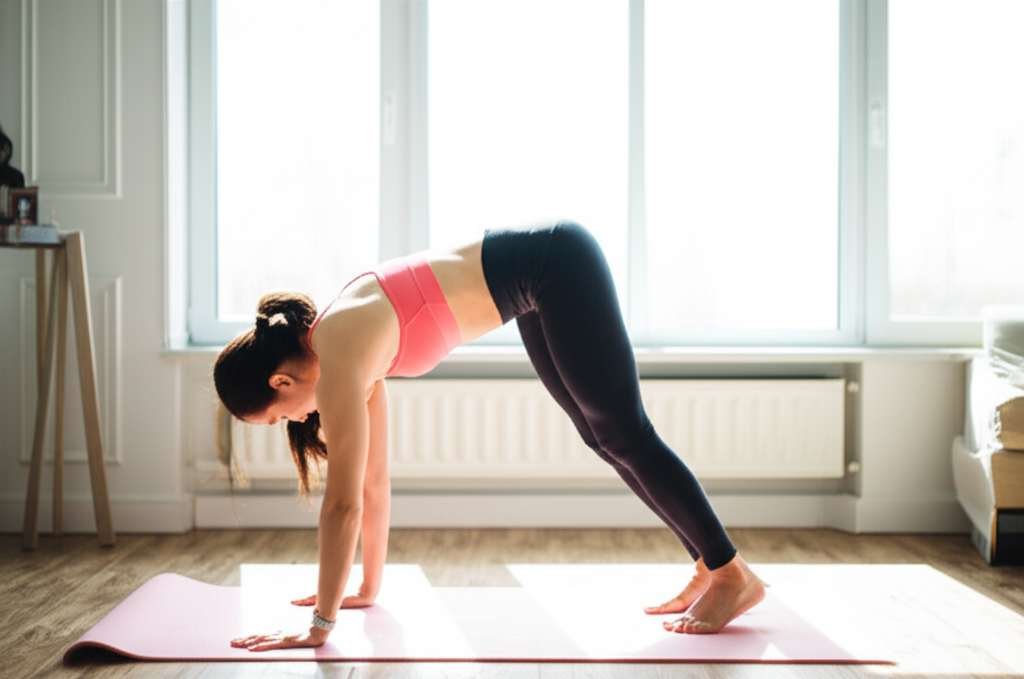
Get a powerful energy boost and kickstart your weight loss journey with 12 simple morning home workouts. These routines are designed for beginners, requiring no special equipment and focusing on quick, effective movements to energize your day and support your fitness goals.
Waking up and feeling tired is a common struggle for many, especially when trying to lose weight. You might think you need to hit the gym for hours, but that’s not always the case! Sometimes, the best way to boost your energy and metabolism is with a quick workout right at home.
It doesn’t have to be complicated or take up your whole morning. We’ll explore easy, effective routines that can help you feel more awake and ready to tackle your day, all while supporting your weight loss goals.
This guide is packed with simple exercises you can do without any fancy equipment. Let’s get you moving and feeling great!
Why Morning Workouts Are a Game-Changer for Energy and Weight Loss
Starting your day with a workout might sound tough, but it can actually make your entire day better. Think of it as setting a positive tone for everything that follows. It’s like preparing your mind and body for success!
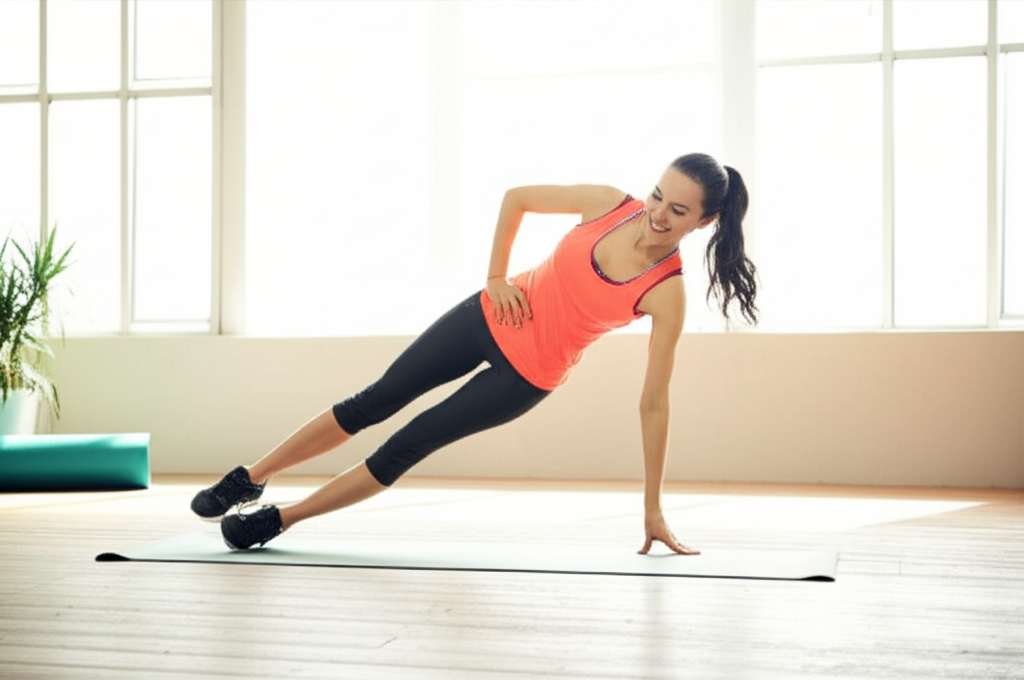
Morning exercise can help wake up your brain and boost your mood. The physical activity releases endorphins, which are natural mood lifters. This can help you feel more alert and focused throughout the day. Plus, it’s a great way to build a consistent habit.
When it comes to weight loss, morning workouts can give your metabolism a helpful nudge. Your body will start burning calories earlier in the day. This can contribute to a greater overall calorie burn, especially if you’re mindful of your eating habits afterward. It’s a fantastic way to build momentum.
One of the biggest benefits is setting a positive precedent for healthy choices. After a workout, you’re more likely to eat a healthy breakfast and make other good decisions. It’s a powerful ripple effect that benefits your entire well-being.
12 Essential Morning Home Workouts for Energy & Weight Loss
Here are 12 simple yet effective workouts you can do at home to boost your energy and support your weight loss goals. These require minimal to no equipment, making them perfect for beginners.
1. The Wake-Up Stretch & Flow
This is a gentle way to get your blood flowing and loosen up your muscles after a night’s sleep. It’s less about intense calorie burn and more about preparing your body and mind.
- Start with deep breathing exercises for 1-2 minutes.
- Perform simple stretches like cat-cow, child’s pose, and gentle spinal twists.
- Hold each stretch for 20-30 seconds.
- Focus on slow, controlled movements and connecting with your breath.
This routine helps improve flexibility and reduces stiffness, making you feel more agile and ready to move. It’s a fantastic way to ease into your day.
2. Jumping Jacks Burst
A classic for a reason! Jumping jacks are a great way to get your heart rate up quickly and burn calories.
- Perform 30 seconds of jumping jacks.
- Rest for 30 seconds.
- Repeat this cycle for 5-10 minutes.
This exercise engages multiple muscle groups and is an excellent cardiovascular warm-up. It’s a simple way to elevate your heart rate and boost metabolism.
3. High Knees Sprint
This is a fantastic cardio exercise that targets your core and leg muscles while increasing your heart rate.
- Stand with your feet hip-width apart.
- Lift one knee towards your chest, then quickly switch to the other leg, as if running in place but bringing your knees up high.
- Keep your core engaged and pump your arms.
- Perform for 30-60 seconds, then rest for 30 seconds. Repeat for 5-10 minutes.
High knees are excellent for improving cardiovascular health and burning calories efficiently. They also help build leg strength and endurance.
4. Bodyweight Squats
Squats are a fundamental strength-building exercise that works your glutes, quads, and hamstrings. They also help boost your metabolism.
- Stand with your feet shoulder-width apart, toes pointing slightly outward.
- Lower your hips as if sitting back into a chair, keeping your chest up and back straight.
- Go as low as you comfortably can, aiming to get your thighs parallel to the floor.
- Push through your heels to return to the starting position.
- Perform 3 sets of 10-15 repetitions.
Proper squat form is key to preventing injury and maximizing benefits. Focusing on controlled movement engages more muscles, leading to a better workout. For more on proper form, check out resources from the Mayo Clinic.
5. Push-Ups (Knee or Standard)
Push-ups are a powerful upper-body exercise that works your chest, shoulders, and triceps. You can modify them to fit your strength level.
- Start in a plank position. If doing knee push-ups, lower your knees to the floor.
- Lower your chest towards the floor, keeping your body in a straight line.
- Push back up to the starting position.
- Perform 3 sets of as many repetitions as you can with good form.
Even if you can only do a few, consistent practice will build strength. Modifications make this exercise accessible to everyone. This is a great exercise for building upper body strength and core stability.
6. Lunges (Alternating Legs)
Lunges are excellent for strengthening your legs and glutes and improving balance.
- Step forward with one leg, lowering your hips until both knees are bent at about a 90-degree angle.
- Ensure your front knee is directly above your ankle, and your back knee hovers just off the floor.
- Push off your front foot to return to the starting position.
- Alternate legs for each lunge.
- Perform 3 sets of 10-12 repetitions per leg.
Focus on keeping your torso upright and your core engaged to maintain balance. Lunges are a unilateral exercise, meaning they work one limb at a time, which can help identify and correct muscle imbalances.
7. Plank Hold
The plank is a fantastic core-strengthening exercise that also engages your shoulders, back, and glutes.
- Get into a push-up position, then lower yourself onto your forearms.
- Keep your body in a straight line from head to heels, engaging your core and glutes.
- Hold this position for 30-60 seconds.
- Repeat for 3 sets.
This isometric exercise is incredibly effective for building a strong, stable core, which is crucial for overall health and supporting other movements. A strong core can significantly improve posture and reduce the risk of back pain.
8. Mountain Climbers
This dynamic exercise is a full-body cardio blast that also works your core.
- Start in a high plank position (hands directly under shoulders).
- Bring one knee towards your chest, then quickly switch legs, as if running in place in a plank.
- Keep your hips stable and your core engaged.
- Perform for 30-60 seconds, rest for 30 seconds, and repeat for 5-10 minutes.
Mountain climbers are a high-intensity interval training (HIIT) friendly exercise. They effectively burn calories and improve cardiovascular fitness in a short amount of time.
9. Glute Bridges
This exercise targets your glutes and hamstrings, helping to strengthen your posterior chain and improve posture.
- Lie on your back with your knees bent and feet flat on the floor, hip-width apart.
- Engage your glutes and lift your hips off the floor until your body forms a straight line from your shoulders to your knees.
- Squeeze your glutes at the top.
- Lower your hips slowly back down.
- Perform 3 sets of 15-20 repetitions.
Glute bridges are great for counteracting the effects of prolonged sitting and strengthening muscles often neglected. This can lead to better overall movement and reduced lower back strain.
10. Bird-Dog
This exercise is excellent for improving balance, core stability, and coordination.
- Start on your hands and knees, with your hands directly under your shoulders and knees under your hips.
- Engage your core.
- Simultaneously extend your right arm forward and your left leg backward, keeping your back flat and hips level.
- Hold for a few seconds, then return to the starting position.
- Repeat on the opposite side (left arm, right leg).
- Perform 3 sets of 10-12 repetitions per side.
The Bird-Dog exercise helps build control and strengthens the muscles along your spine, promoting good posture and reducing the risk of injury. It’s a subtle yet powerful exercise for core and back health.
11. Standing Calf Raises
A simple exercise to strengthen your calf muscles and improve lower leg definition.
- Stand with your feet hip-width apart. You can hold onto a wall or chair for balance if needed.
- Slowly rise up onto the balls of your feet, lifting your heels as high as possible.
- Hold for a second at the top.
- Slowly lower your heels back down.
- Perform 3 sets of 15-20 repetitions.
Strong calf muscles contribute to better ankle stability and can improve athletic performance. This is a straightforward exercise to incorporate into any routine.
12. The 5-Minute Full-Body Circuit
Combine a few exercises for a quick, effective full-body blast. This is perfect for days when you’re short on time but still want a solid workout.
- Jumping Jacks: 30 seconds
- Bodyweight Squats: 30 seconds
- Push-Ups (on knees or toes): 30 seconds
- Mountain Climbers: 30 seconds
- Plank: 30 seconds
- Rest for 60 seconds.
- Repeat the circuit 2-3 times.
This circuit hits multiple muscle groups and gets your heart rate up, providing a good balance of cardio and strength training. It’s a highly efficient way to maximize your workout in a short period.
Structuring Your Morning Workout Routine
Consistency is key when it comes to seeing results. Here’s how you can structure your morning workouts for maximum benefit, whether you have 10 minutes or 30 minutes.
Warm-Up (5 Minutes)
Always start with a light warm-up to prepare your muscles and prevent injury. This could include gentle cardio like marching in place or light jogging, along with dynamic stretches like arm circles and leg swings.
Workout (10-30 Minutes)
Choose 3-5 exercises from the list above and perform them in a circuit or set-by-set format. For example:
Option 1: Circuit Style (Great for Time Efficiency)
Perform each exercise for a set duration (e.g., 30-60 seconds) with minimal rest in between. Complete the entire circuit, then rest for 1-2 minutes before repeating for 2-3 rounds.
Option 2: Set Style (Good for Focusing on Form)
Perform a set number of repetitions for each exercise (e.g., 10-15 reps) with rest (e.g., 30-60 seconds) between sets. Complete all sets for one exercise before moving to the next.
Cool-Down (5 Minutes)
Finish your workout with static stretches, holding each stretch for 20-30 seconds. Focus on the major muscle groups you worked, such as your legs, chest, and back. This helps improve flexibility and aids in muscle recovery.
Making Your Morning Workouts Sustainable
Starting a new routine can be exciting, but keeping it going is the real challenge. Here are some tips to make your morning workouts a lasting habit:
- Start Small: Don’t try to do too much too soon. Begin with shorter workouts and fewer exercises, and gradually increase the intensity and duration as you get fitter.
- Prepare the Night Before: Lay out your workout clothes and have your water bottle ready. This removes a barrier to starting in the morning.
- Find Your “Why”: Remind yourself of the benefits – more energy, better mood, weight loss. Connecting to your deeper motivation can help you stay committed.
- Track Your Progress: Keep a simple journal of your workouts. Seeing how far you’ve come can be incredibly motivating.
- Be Flexible: Life happens! If you miss a workout, don’t beat yourself up. Just get back on track the next day. Consistency over perfection is the goal.
- Listen to Your Body: Some days you’ll feel more energetic than others. Adjust your workout intensity accordingly. Rest is just as important as exercise.
Remember, the goal is to build healthy habits that fit into your life long-term. It’s about progress, not perfection.
Nutrition Tips to Complement Your Morning Workouts
While exercise is crucial for energy and weight loss, what you eat plays an equally important role. Fueling your body correctly can amplify the benefits of your morning workouts.
Post-Workout Nutrition
After your workout, especially if it was intense, your body needs fuel to recover and rebuild. Aim for a meal or snack that includes protein and carbohydrates.
- Protein: Helps repair muscle tissue. Think eggs, Greek yogurt, lean meats, or protein powder.
- Carbohydrates: Replenish your energy stores. Opt for whole grains, fruits, or vegetables.
A balanced breakfast after your morning workout can provide sustained energy and prevent overeating later in the day. For instance, a smoothie with protein powder, spinach, and berries is a quick and nutritious option.
Hydration is Key
Drinking enough water is vital for energy levels, metabolism, and overall health. Start your day with a glass of water even before your workout.
- Drink water throughout the day, not just during or after exercise.
- Monitor your urine color; pale yellow usually indicates good hydration.
Proper hydration can significantly impact your energy levels and how your body functions. The CDC offers more information on the importance of water.
Mindful Eating
Pay attention to your hunger and fullness cues. Avoid distractions like your phone or TV while eating. This helps you better recognize when you are satisfied, preventing overconsumption.
Focus on whole, unprocessed foods as much as possible. These foods provide essential nutrients and fiber, which aid in weight management and sustained energy.
Frequently Asked Questions (FAQs)
Q1: How many calories can I burn with these morning workouts?
The number of calories burned varies depending on the intensity, duration, and your individual body weight and metabolism. However, even a 15-20 minute workout can burn anywhere from 100-200 calories, and more importantly, it kickstarts your metabolism for the day.
Q2: Do I need any special equipment for these workouts?
No, these workouts are designed to be done with just your body weight. A comfortable mat can be helpful for floor exercises like planks and bridges, but it’s not essential to start.
Q3: What if I’m not a morning person? Can I still do these workouts?
Absolutely! The key is consistency. If mornings are tough, try preparing your workout clothes the night before, or start with just 5-10 minutes. Gradually increasing the time can help you adjust. Even a short burst of activity is better than none.
Q4: How often should I do these morning workouts?
Aim for at least 3-5 times per week. Consistency is more important than intensity when you’re starting. You can also incorporate active recovery days, like light walking or stretching.
Q5: What should I eat before and after my morning workout?
For a morning workout, it’s generally best to work out on an empty stomach or after a very light snack (like a banana or a few almonds) if you need a little energy. After your workout, focus on a balanced meal with protein and complex carbohydrates to refuel and aid muscle recovery.
Q6: I have a knee injury. Can I still do these workouts?
Always consult with your doctor or a physical therapist before starting any new exercise program, especially if you have an injury. Many exercises can be modified. For example, you could substitute lunges with glute bridges and perform push-ups on your knees.
Q7: How long will it take to see results from these workouts?
Results vary from person to person. You might start feeling more energetic within a week or two. For weight loss and noticeable muscle toning, consistent exercise combined with a healthy diet over several weeks to months is typically needed. Focus on the habits you’re building!
A Sample Weekly Schedule
Here’s a sample schedule to give you an idea of how to integrate these workouts into your week. Feel free to adjust it based on your preferences and energy levels.
| Day | Focus | Workout Suggestions |
|---|---|---|
| Monday | Full Body & Cardio | Wake-Up Stretch & Flow (5 min) + 5-Minute Full-Body Circuit (repeat 2-3 times) |
| Tuesday | Legs & Core | Wake-Up Stretch & Flow (5 min) + Bodyweight Squats (3×15), Lunges (3×12/leg), Glute Bridges (3×20), Plank (3x60s) |
| Wednesday | Active Recovery / Light Cardio | Wake-Up Stretch & Flow (10 min) or a brisk 20-minute walk. |
| Thursday | Upper Body & Core | Wake-Up Stretch & Flow (5 min) + Push-Ups (3xMax reps), Plank (3x60s), Bird-Dog (3×12/side), Mountain Climbers (3x60s) |
| Friday | Full Body Blast | Wake-Up Stretch & Flow (5 min) + Jumping Jacks (30s), Squats (30s), Push-Ups (30s), Mountain Climbers (30s), Plank (30s) – repeat circuit 3-4 times. |
| Saturday | Rest or Light Activity | Focus on rest, gentle stretching, or a leisurely walk. |
| Sunday | Rest or Light Activity | Enjoy your day! Maybe a longer walk or outdoor activity. |
Remember, this is just a template. The most important thing is to find a rhythm that works for you and that you can stick with.
Conclusion
Incorporating these 12 morning home workouts into your routine can be a powerful step towards boosting your energy levels and achieving your weight loss goals. You don’t need a gym membership or hours of free time to make a significant impact on your health and well-being.
By starting your day with movement, you’re not just burning calories; you’re setting a positive tone, improving your mood, and building a foundation for healthier choices throughout the day. These exercises are beginner-friendly, require no special equipment, and can be adapted to fit your schedule.
Remember to listen to your body, stay consistent, and celebrate your progress, no matter how small it may seem. Pair these workouts with mindful nutrition and adequate hydration, and you’ll be well on your way to a more energized and healthier you. You’ve got this!
As an Amazon Associate, We earn from qualifying purchases. When you purchase a product through Amazon links on pulsefitguide.com, we may earn a small commission at no extra cost to you. This helps support the site and keep our content free.
