



20 Ab and Cardio Workouts: Effortless Belly Fat Loss
To lose belly fat effectively, combine targeted ab exercises with consistent cardio. This approach burns calories, builds core strength, and boosts metabolism for sustainable results. Focus on a mix of high-intensity cardio and effective core movements for the best outcome. Consistency is key!
Hey there! Are you tired of looking in the mirror and not seeing the results you want? Belly fat can be one of the trickiest areas to tackle, and it’s totally normal to feel a bit confused about where to start.
Many people think you need complicated routines or expensive equipment to see change. But the truth is, with the right combination of simple exercises and a bit of know-how, you can make real progress.
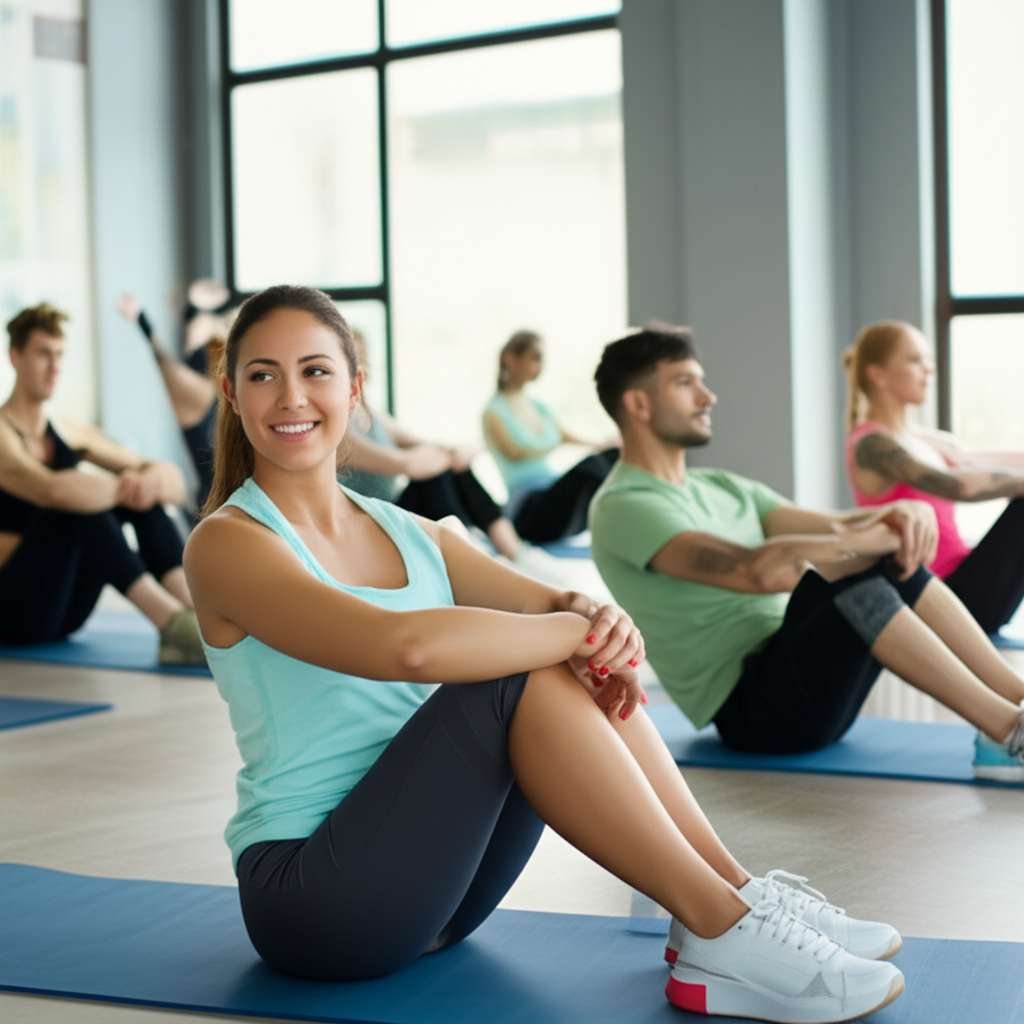
We’re going to break down exactly how to lose that stubborn belly fat with a fun and effective mix of ab and cardio workouts. Get ready to feel stronger, healthier, and more confident!
Understanding Belly Fat and How to Tackle It
Belly fat, also known as visceral fat, is fat that surrounds your organs. While it’s normal to have some, too much can increase your risk of health problems like heart disease and type 2 diabetes. Losing it isn’t just about looking good; it’s about feeling good and staying healthy.
The good news is that belly fat is often the first to go when you focus on overall fat loss. It responds well to changes in diet and exercise.
Why a Combo Approach is Best
Trying to spot-reduce belly fat through ab exercises alone is a common myth. While ab workouts strengthen your core muscles, they don’t directly burn the fat layer sitting on top. To get rid of that layer, you need to burn calories overall.
This is where cardio comes in! Cardio exercises get your heart rate up, burning a significant amount of calories. When you combine this calorie-burning power with exercises that build your abdominal muscles, you create a winning strategy.
Your Beginner’s Guide to Core and Cardio
We’ll be diving into a variety of exercises that are perfect for beginners. These moves are designed to be effective without being overwhelming, and you can do most of them right at home with little to no equipment.
Get ready to learn simple, science-backed ways to boost your metabolism and strengthen your core. It’s all about making smart choices that fit into your life.
The Power Duo: Cardio for Calorie Burn
Cardiovascular exercise is your secret weapon for burning calories and improving your overall fitness. When you engage in cardio, your body uses energy, which helps to create a calorie deficit needed for fat loss.
Aiming for consistency is more important than intensity when you’re starting out. Even moderate activity done regularly can make a big difference.
Types of Cardio to Try
There are many fun ways to get your heart pumping! The key is to find activities you enjoy so you’ll stick with them.
Walking: A fantastic and accessible starting point. Brisk walking can elevate your heart rate and burn calories effectively.
Jogging/Running: A more intense option that burns more calories in less time. Start with short intervals if you’re new to it.
Cycling: Whether indoors on a stationary bike or outdoors, cycling is a great low-impact cardio option.
Swimming: An excellent full-body workout that’s gentle on the joints.
Dancing: Put on your favorite music and dance! It’s a fun way to burn calories and de-stress.
Jumping Jacks: A classic bodyweight exercise that gets your heart rate up quickly.
High-Knee Sprints: Perform these in place or as a short sprint for an intense cardio burst.
How Much Cardio?
For beginners, a good starting point is to aim for 150 minutes of moderate-intensity cardio per week. This can be broken down into 30 minutes, five days a week. Moderate intensity means you can talk, but not sing, during the activity.
As you get fitter, you can gradually increase the duration or intensity. You can also incorporate 1-2 sessions of high-intensity interval training (HIIT) per week, which involves short bursts of very intense exercise followed by brief recovery periods. HIIT can be very effective for calorie burning. The National Heart, Lung, and Blood Institute offers great guidelines on physical activity for adults.
Sculpting Your Core: 20 Ab-Focused Workouts
While cardio helps burn the fat layer, strengthening your abdominal muscles creates a toned and defined midsection underneath. These exercises target different parts of your core, including your abs, obliques, and lower back.
Remember to focus on proper form to get the most out of each exercise and prevent injury. It’s better to do fewer reps with good form than many with poor form.
Essential Ab Exercises for Beginners
Here are 20 effective ab exercises that are beginner-friendly. We’ll categorize them to help you understand what they target.
Foundational Ab Exercises (Targeting the Rectus Abdominis – the “six-pack” muscles)
1. Crunches:
Lie on your back with knees bent and feet flat on the floor.
Place hands behind your head or across your chest.
Gently lift your head and shoulders off the floor, engaging your abs.
Lower back down slowly.
Focus: Squeeze your abs at the top.
2. Reverse Crunches:
Lie on your back with knees bent at a 90-degree angle, shins parallel to the floor.
Engage your lower abs to lift your hips slightly off the floor, bringing your knees towards your chest.
Lower back down with control.
Focus: Using your lower abs to lift.
3. Leg Raises:
Lie on your back with legs extended. You can place hands under your lower back for support.
Keeping legs straight (or with a slight bend), slowly lift them towards the ceiling until they are perpendicular to the floor.
Lower them back down slowly, stopping just before they touch the floor.
Focus: Keeping your lower back pressed into the floor.
4. Flutter Kicks:
Lie on your back with legs extended and hands under your lower back.
Lift your legs a few inches off the floor.
Make small, rapid up-and-down kicking motions with your legs.
Focus: Keeping your core engaged and legs relatively straight.
5. Scissor Kicks:
Lie on your back with legs extended and hands under your lower back.
Lift your legs a few inches off the floor.
Move one leg across the other in a scissor-like motion, alternating which leg is on top.
Focus: Controlled movement and keeping your core stable.
6. Bicycle Crunches:
Lie on your back with knees bent and hands behind your head.
Bring one knee towards your chest while twisting your torso to bring the opposite elbow towards that knee.
Alternate sides in a pedaling motion.
Focus: Twisting your torso, not just moving your elbows.
7. Heel Taps:
Lie on your back with knees bent and feet flat on the floor, hip-width apart.
Lift your head and shoulders slightly off the floor.
Reach one hand towards your ankle, feeling the contraction in your side abs.
Alternate sides, tapping each heel.
Focus: Reaching, not straining your neck.
Oblique Exercises (Targeting the Sides of Your Waist)
8. Side Crunches:
Lie on your back with knees bent and feet flat on the floor.
Place your hands behind your head.
Lift your head and shoulders, then twist your torso to bring one shoulder towards the hip on the same side.
Return to the center and repeat on the other side.
Focus: Oblique squeeze.
9. Russian Twists (Feet on Floor):
Sit on the floor with knees bent and feet flat.
Lean back slightly, keeping your back straight, engaging your core.
Clasp your hands together in front of you.
Twist your torso from side to side, tapping your hands on the floor next to your hips.
Focus: Torso rotation, not just arm movement.
10. Side Plank:
Lie on your side with your legs straight.
Prop yourself up on your forearm, ensuring your elbow is directly under your shoulder.
Lift your hips off the floor, creating a straight line from your head to your feet.
Hold for a set duration. Repeat on the other side.
Focus: Maintaining a straight line and preventing your hips from sagging.
11. Standing Side Bends:
Stand with feet hip-width apart, holding a light dumbbell in one hand (optional).
Keeping your back straight, slowly bend to the side towards the hand holding the weight.
Engage your obliques to return to the starting position.
Focus: Controlled movement and feeling the stretch on one side and contraction on the other.
Full Core and Stability Exercises (Engaging Multiple Muscle Groups)
12. Plank:
Start in a push-up position, then lower yourself onto your forearms.
Your body should form a straight line from head to heels.
Engage your core, glutes, and quads.
Hold for a set duration.
Focus: Keeping your hips from dropping or rising too high.
13. Bird Dog:
Start on your hands and knees, with hands directly under shoulders and knees under hips.
Simultaneously extend one arm forward and the opposite leg backward, keeping your core engaged to maintain balance.
Return to the starting position and repeat on the other side.
Focus: Core stability to prevent your back from arching.
14. Mountain Climbers:
Start in a plank position.
Bring one knee towards your chest, then quickly switch legs, as if running in place.
Keep your hips low and core engaged.
Focus: Speed and maintaining a stable upper body.
15. Dead Bug:
Lie on your back with knees bent at 90 degrees and arms extended towards the ceiling.
Simultaneously extend one arm back overhead and the opposite leg straight out, keeping your lower back pressed to the floor.
Return to the start and repeat on the other side.
Focus: Keeping your lower back on the floor throughout the movement.
16. Glute Bridges:
Lie on your back with knees bent and feet flat on the floor, hip-width apart.
Engage your glutes and abs to lift your hips off the floor until your body forms a straight line from shoulders to knees.
Hold briefly, then lower with control.
Focus: Squeezing your glutes at the top.
17. Toe Touches:
Lie on your back with legs extended straight up towards the ceiling.
Keeping your legs straight, lift your hips slightly off the floor and reach your hands towards your toes.
Lower back down with control.
Focus: Engaging your lower abs and hamstrings.
Advanced (but still beginner-friendly with modifications)
18. Hanging Knee Raises (if you have access to a bar):
Hang from a pull-up bar with arms extended.
Engage your abs to lift your knees towards your chest.
Lower slowly.
Modification: If you can’t do full raises, focus on just lifting the pelvis slightly.
19. V-Ups:
Lie on your back with legs extended and arms overhead.
Simultaneously lift your legs and torso off the floor, reaching your hands towards your toes to form a “V” shape.
Lower back down with control.
Modification: Start with alternating single leg V-ups.
20. Plank Jacks:
Start in a plank position.
Jump your feet out wide, then jump them back together, similar to a jumping jack motion with your legs.
Keep your core engaged and hips stable.
Modification: Step one foot out at a time instead of jumping.
Creating Your Workout Plan: Putting It All Together
Now that you have a list of exercises, let’s talk about how to structure them into a routine that works for you. The goal is to create a sustainable plan that you can stick to.
Sample Weekly Schedule
Here’s a sample schedule that mixes cardio and ab workouts. Remember, this is a template, and you can adjust it based on your fitness level and how your body feels.
Monday:
Cardio: 30 minutes brisk walking or cycling.
Ab Workout: Plank (3 sets, hold 30-60 seconds), Bicycle Crunches (3 sets, 15-20 reps per side), Bird Dog (3 sets, 10-12 reps per side).
Tuesday:
Cardio: 30 minutes jogging or dancing.
Ab Workout: Leg Raises (3 sets, 15-20 reps), Russian Twists (3 sets, 15-20 reps per side), Side Plank (3 sets, hold 30-45 seconds per side).
Wednesday:
Rest or Active Recovery: Light stretching, gentle walk.
Thursday:
Cardio: 30 minutes swimming or elliptical.
Ab Workout: Crunches (3 sets, 20 reps), Flutter Kicks (3 sets, 30-40 seconds), Glute Bridges (3 sets, 15-20 reps).
Friday:
Cardio: 30 minutes of your favorite activity (hiking, sports, etc.).
Ab Workout: Mountain Climbers (3 sets, 30-45 seconds), Reverse Crunches (3 sets, 15-20 reps), Dead Bug (3 sets, 10-12 reps per side).
Saturday:
Cardio: HIIT session (e.g., 20 seconds high intensity, 10 seconds rest, 8 rounds of jumping jacks, high knees, burpees). Or another 30-minute moderate cardio session.
Sunday:
Rest.
Workout Structure within a Session
For each ab workout day, you can perform your ab exercises in a circuit. This means doing one set of each exercise back-to-back with minimal rest in between, then taking a longer rest after completing all exercises in the circuit. Repeat the circuit 2-3 times.
Example Circuit:
1. Plank: Hold 30 seconds
2. Bicycle Crunches: 15 reps per side
3. Bird Dog: 10 reps per side
Rest 60-90 seconds
Repeat circuit 2-3 times
Progressive Overload: How to Keep Improving
As you get stronger, your body will adapt. To continue seeing results, you need to challenge yourself progressively. This is called progressive overload. You can achieve this by:
Increasing Reps or Sets: If 15 crunches feel easy, try for 20. If 3 sets of planks are no longer challenging, aim for 4.
Increasing Duration: Hold planks or other isometric exercises for longer.
Decreasing Rest Time: Shorten the rest periods between sets or exercises.
Increasing Intensity: For cardio, increase your speed, resistance, or incline. For ab exercises, try more challenging variations or add light weights.
Improving Form: Focus on making each movement more controlled and precise.
Listening to Your Body
It’s crucial to listen to your body. Don’t push through sharp pain. Rest when you need to. Soreness is normal, but sharp pain is a sign to stop and assess.
Nutrition for Belly Fat Loss
While this article focuses on workouts, it’s important to remember that nutrition plays a massive role in belly fat loss. You can’t out-exercise a bad diet.
Whole Foods: Focus on a diet rich in fruits, vegetables, lean proteins, and whole grains. These foods provide essential nutrients and fiber, helping you feel full and satisfied.
Hydration: Drink plenty of water throughout the day. Water aids digestion, metabolism, and can help reduce appetite.
Limit Processed Foods and Sugary Drinks: These often contain empty calories and contribute to fat storage.
Portion Control: Be mindful of how much you’re eating. Even healthy foods have calories.
Protein Intake: Adequate protein intake can help you feel full and preserve muscle mass, which is important for metabolism.
A balanced diet, combined with your new workout routine, will accelerate your progress. For more detailed nutritional advice, consulting a registered dietitian or nutritionist can be very beneficial.
Frequently Asked Questions (FAQ)
Q1: How quickly can I expect to see results?
A1: This varies greatly from person to person and depends on factors like your starting point, consistency with workouts and diet, and genetics. However, many people start to notice changes in how their clothes fit and feel within 2-4 weeks of consistent effort. Visible changes in the mirror may take 4-8 weeks or longer.
Q2: Do I need to do ab exercises every day?
A2: No, you don’t need to do ab exercises every day. Your abdominal muscles, like any other muscle group, need time to recover and repair. Doing targeted ab workouts 2-4 times per week, with rest days in between, is generally sufficient for beginners.
Q3: What’s the best time of day to do my workouts?
A3: The “best” time is the time you can consistently stick to! Some people prefer morning workouts to get them done before the day gets busy, while others find evening workouts help them de-stress. Experiment to see what fits best into your schedule and energy levels.
Q4: I’m a total beginner. Which exercises should I start with?
A4: For absolute beginners, focus on the foundational ab exercises like Crunches, Leg Raises, and Plank. For cardio, start with brisk walking or gentle cycling. Prioritize learning proper form over speed or the number of repetitions.
Q5: I have a busy schedule. How can I fit in workouts?
A5: Even short bursts of activity count! Try breaking up your cardio into two 15-minute sessions or doing a quick 10-minute ab circuit. High-intensity interval training (HIIT) is also very time-efficient. Look for opportunities to be active, like taking the stairs or going for a walk during your lunch break.
Q6: Can I lose belly fat without going to the gym?
A6: Absolutely! Most of the exercises listed can be done at home with no equipment. Cardio can be done by walking, running outdoors, dancing, or using stairs. A gym membership is not necessary for effective belly fat loss.
Q7: Will doing lots of crunches give me a six-pack?
A7: Doing crunches will strengthen your abdominal muscles, but they won’t directly burn the layer of fat covering them. A six-pack is revealed when you reduce your overall body fat percentage to a level where the abdominal muscles become visible. This requires a combination of effective ab exercises, consistent cardio, and a healthy diet.
Conclusion: Your Journey to a Stronger You
Losing belly fat and building a strong core is a journey, not a race. By combining targeted ab exercises with consistent cardio, you’re setting yourself up for success. Remember that consistency, proper form, and a balanced approach to nutrition are your greatest allies.
Don’t get discouraged if you don’t see results overnight. Celebrate the small victories – like completing a tough workout, feeling stronger, or making healthier food choices. Each step you take is progress.
You’ve got this! Keep moving, keep challenging yourself, and enjoy the process of becoming a healthier, more confident you. Your body will thank you for it.
As an Amazon Associate, We earn from qualifying purchases. When you purchase a product through Amazon links on pulsefitguide.com, we may earn a small commission at no extra cost to you. This helps support the site and keep our content free.
